
 EN
Why Is Control Valve Central To Automation Systems?
In an automated process, a Control Valve is where an instruction becomes a physical change. A sensor detects what is happening, a controller compares that reading with a setpoint, and the Control Valve changes fluid movement. That final action can influence flow, pressure, temperature, level, or another process condition. Without a Control Valve that responds predictably, even a well-configured controller has no practical way to correct the process.
From an automation-control perspective, it helps to look beyond the valve body alone. The Control Valve, actuator, positioner, signal path, piping conditions, and maintenance access operate as one chain. This is why a valve that looks suitable on a line drawing may still need further engineering checks before it is specified for an operating system.
A Control Valve turns a control signal into process action
A Control Valve is commonly described as a final control element. In a closed loop, an instrument supplies a measurement, such as flow or pressure; the controller determines whether a correction is needed; and the Control Valve changes its opening. The resulting change in the process is measured again. This feedback loop allows the system to respond to variation rather than relying on manual intervention alone.
A flow valve may regulate a liquid, gas, or steam stream by changing the restriction through the valve. However, the Control Valve is not limited to flow service. In a properly designed loop, changing valve position can also support temperature control through a heating or cooling medium, level control through inlet or outlet flow, or pressure control through a restriction point. The controlled variable and the manipulated variable should be identified before a valve type is chosen.
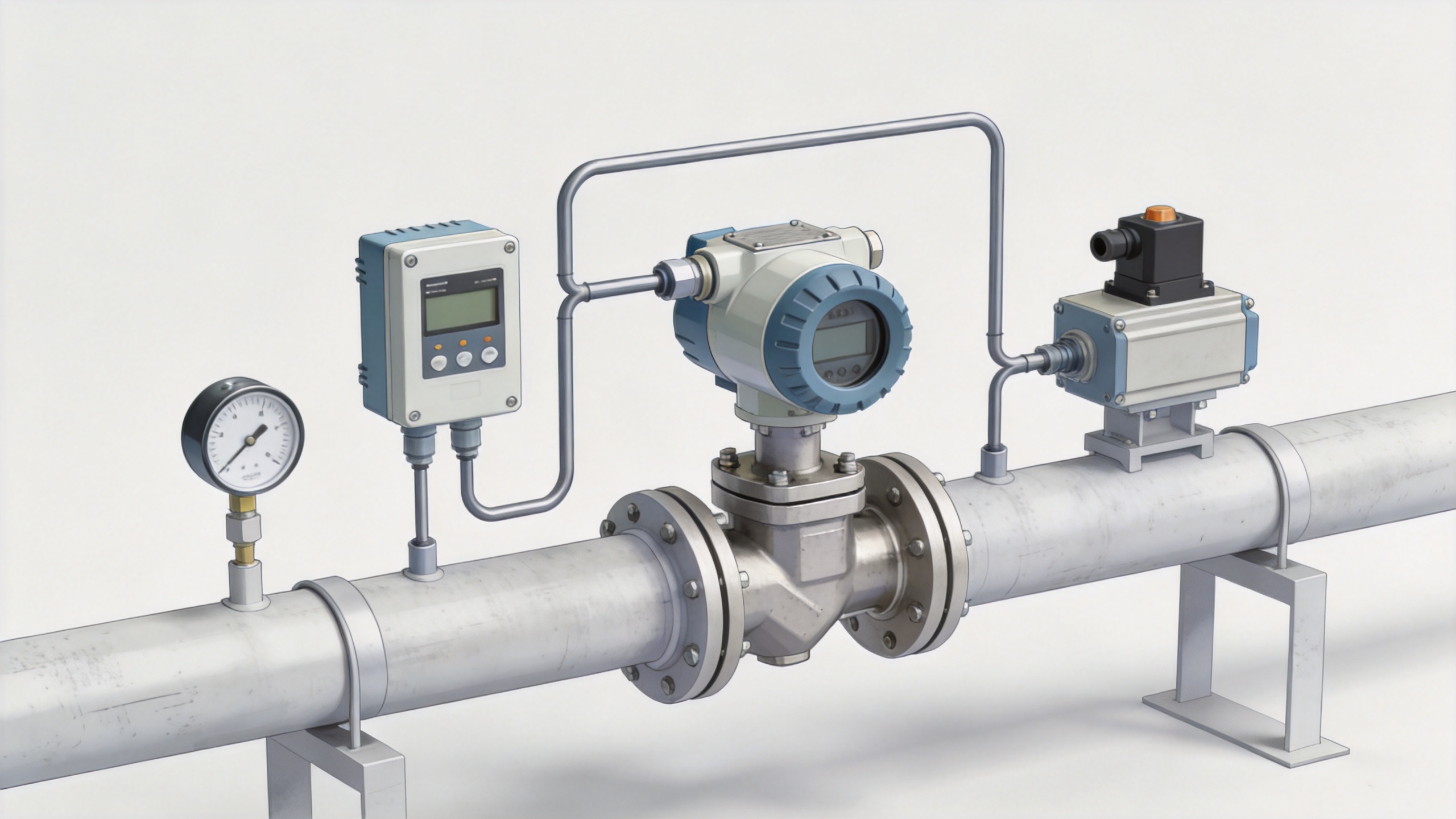
Why automation systems depend on the Control Valve
It gives the loop a physical output
Automation software can calculate an output value, but the process only changes when equipment acts on that value. A Control Valve provides that action for many fluid-handling duties. Its actuator receives pneumatic, electric, hydraulic, or other suitable input and moves the closure element. The valve trim then changes the passage available to the medium. The controller’s decision becomes a measurable process response.
It supports stable, repeatable adjustments
On/off isolation has a different purpose from modulating control. A Control Valve is selected when the system needs to make intermediate adjustments rather than simply open or close. For stable control, the valve needs usable travel over the expected operating range. If it is oversized, a small movement may create an excessive process change; if it is undersized, it may not pass the required flow. Valve sizing, installed pressure drop, and valve characteristic therefore matter as much as nominal line size.
It helps define the system’s response to abnormal conditions
The Control Valve also affects what happens if air, electrical power, or a command signal is lost. A fail-open, fail-closed, or fail-in-place arrangement is not a label to apply automatically. The intended position should follow the process hazard review, operating objective, and relevant project requirements. Treating the actuator as a simple accessory can leave this key decision unresolved.
The Control Valve is a system component, not an isolated purchase
It is tempting to compare a Control Valve only by body style, pressure rating, or price. Those details are important, but an automation application requires a wider review. The valve body must suit the medium, temperature, pressure, solids content, corrosion conditions, and connection requirements. The actuator must provide appropriate force or torque across the operating conditions. The signal connection must also fit the plant’s control architecture and diagnostic needs.
For example, a rotary Control Valve may be considered when a compact layout is useful, while a linear design may be evaluated where its control characteristic suits the duty. Neither motion group is universally preferable. A flow valve should be assessed against the desired control range, shutoff expectations, cavitation or flashing risk where applicable, and the pressure conditions created by the full piping system.
Real installations add practical questions. Is there enough room to install and service the actuator? Can signal wiring or pneumatic tubing be accessed safely? Is the operating frequency defined as actual cycles per shift, or only described as “frequent”? These questions affect the Control Valve selection because they influence reliability of operation and the ease of inspection.
Key information to confirm before selecting a Control Valve
An industrial valve supplier can give more useful technical feedback when the request describes the system rather than only naming a valve. Before comparing a Control Valve, organize the following information:
- Process medium: state the fluid, gas, or steam and note solids, viscosity, corrosion concerns, or phase changes that may affect materials and sealing.
- Operating conditions: provide normal, minimum, and maximum pressure, temperature, and flow where available.
- Control objective: identify whether the loop controls flow, pressure, temperature, level, or another variable, and define the required operating range.
- Valve and piping data: include line size, connection standard, available pressure drop, installation orientation, and nearby restrictions.
- Actuation and signals: clarify available air or power, command signal, feedback requirement, control-system connection, and preferred fail position.
- Maintenance conditions: describe cycling expectations, access limits, ambient conditions, and any documentation or testing requirements that must be confirmed.
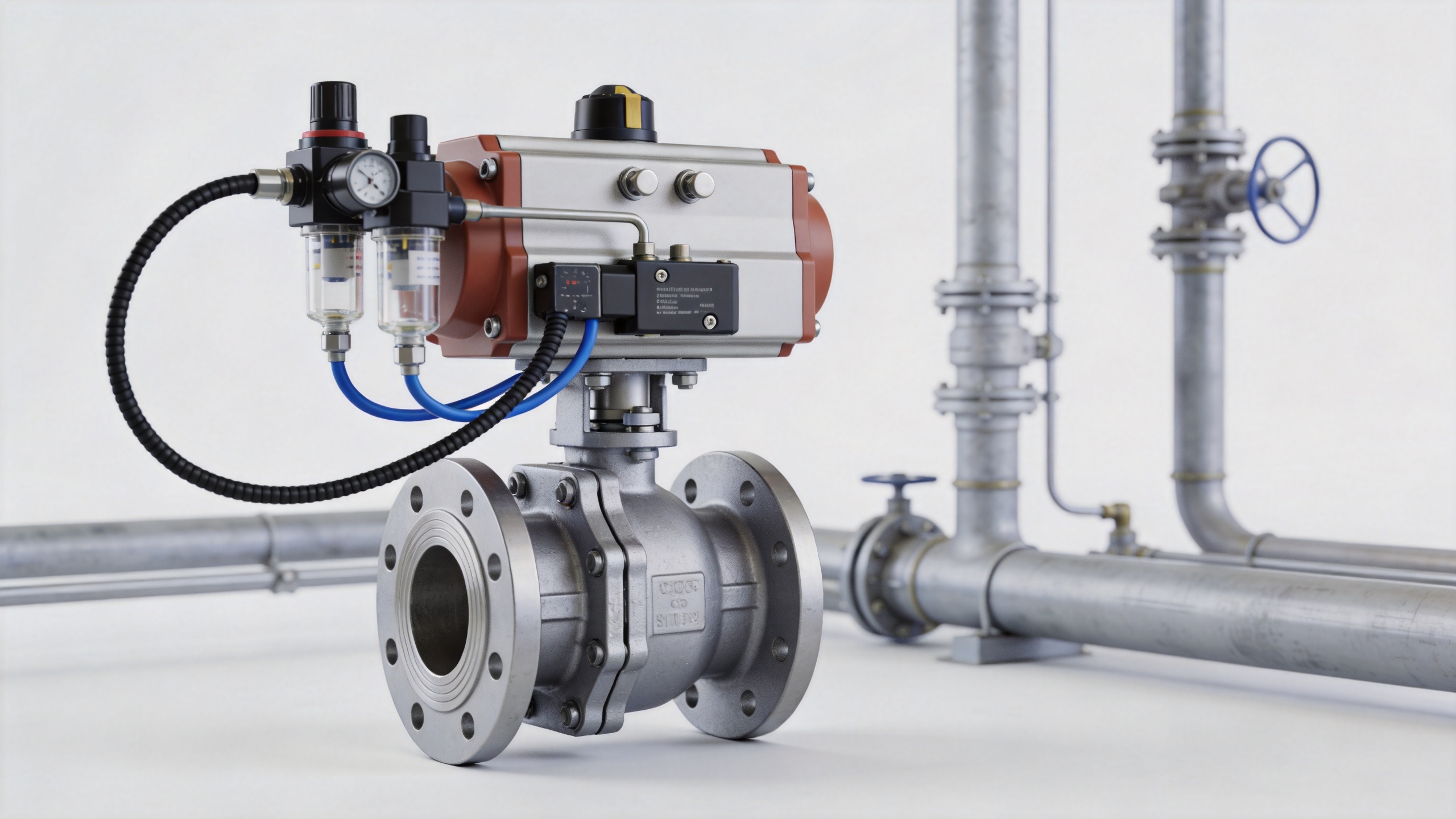
This checklist does not replace project engineering. It makes it easier to distinguish what is known from what still needs verification, which is especially useful when several parties contribute to a specification.
How a Control Valve influences efficiency and quality
When a Control Valve is correctly matched to its service, the automation loop can make proportionate corrections instead of relying on repeated manual adjustments. That can support steadier process conditions, more consistent output, and clearer response to changing demand. The effect is conditional: results depend on sensing quality, controller tuning, valve sizing, actuator response, piping behavior, and maintenance practices.
A poorly matched Control Valve can make those other parts harder to manage. Hunting, insufficient control authority, slow actuation, leakage concerns, or an unsuitable fail position can introduce instability or operational risk. For this reason, the right question is not merely “Which Control Valve should we buy?” It is “What must this valve do in this particular control loop, under these process conditions?”
Work with the Control Valve as part of the complete automation chain
For buyers evaluating an industrial valve supplier, the most productive discussion starts with the application data and the control objective. Ask how the proposed Control Valve body, trim, actuator, and signal connection relate to the process conditions. Confirm which statements are supported by the available drawings, data sheets, and project documentation, and identify open items before finalizing the configuration.
Ultimately, a Control Valve is central to automation because it is the component that translates control logic into regulated process behavior. When its mechanical, actuation, signal, and maintenance requirements are considered together, the Control Valve becomes a practical link between measurement, decision-making, and reliable process action.
 Hot News