
 EN
Why Choose Flanged Ball Valve For Heavy Service?
When a line carries demanding media, a Flanged Ball Valve is often considered because the connection is bolted, inspectable, and familiar to plant maintenance teams. That does not make every flanged design suitable for every heavy-service line. The useful question is whether the valve body, seats, flange rating, gasket system, and operating method match the actual process conditions.
From a procurement perspective, the value of a Flanged Ball Valve is less about the nameplate alone and more about how it fits the piping system. A proper review starts with media, pressure, temperature, line size, required shutoff duty, cycling frequency, and access for removal. In purchasing discussions, defining the operating conditions and interfaces first usually reduces repeated clarification later.
What “heavy service” should mean before you select a valve
Heavy service can describe more than high pressure. It may involve hot fluid, abrasive solids, corrosive chemicals, frequent cycling, pressure fluctuations, difficult maintenance access, or a process where an unplanned isolation failure has significant consequences. A Flanged Ball Valve may be a practical option when those conditions call for a robust body-to-pipe connection and a quarter-turn isolation function.
However, a Flanged Ball Valve should not be chosen simply because a flanged joint looks stronger than another connection. The pipeline flange standard, bolt set, gasket material, valve-face dimensions, and pressure-temperature rating must work together. The valve is one part of a jointed system.
Why the flanged connection matters in a demanding line
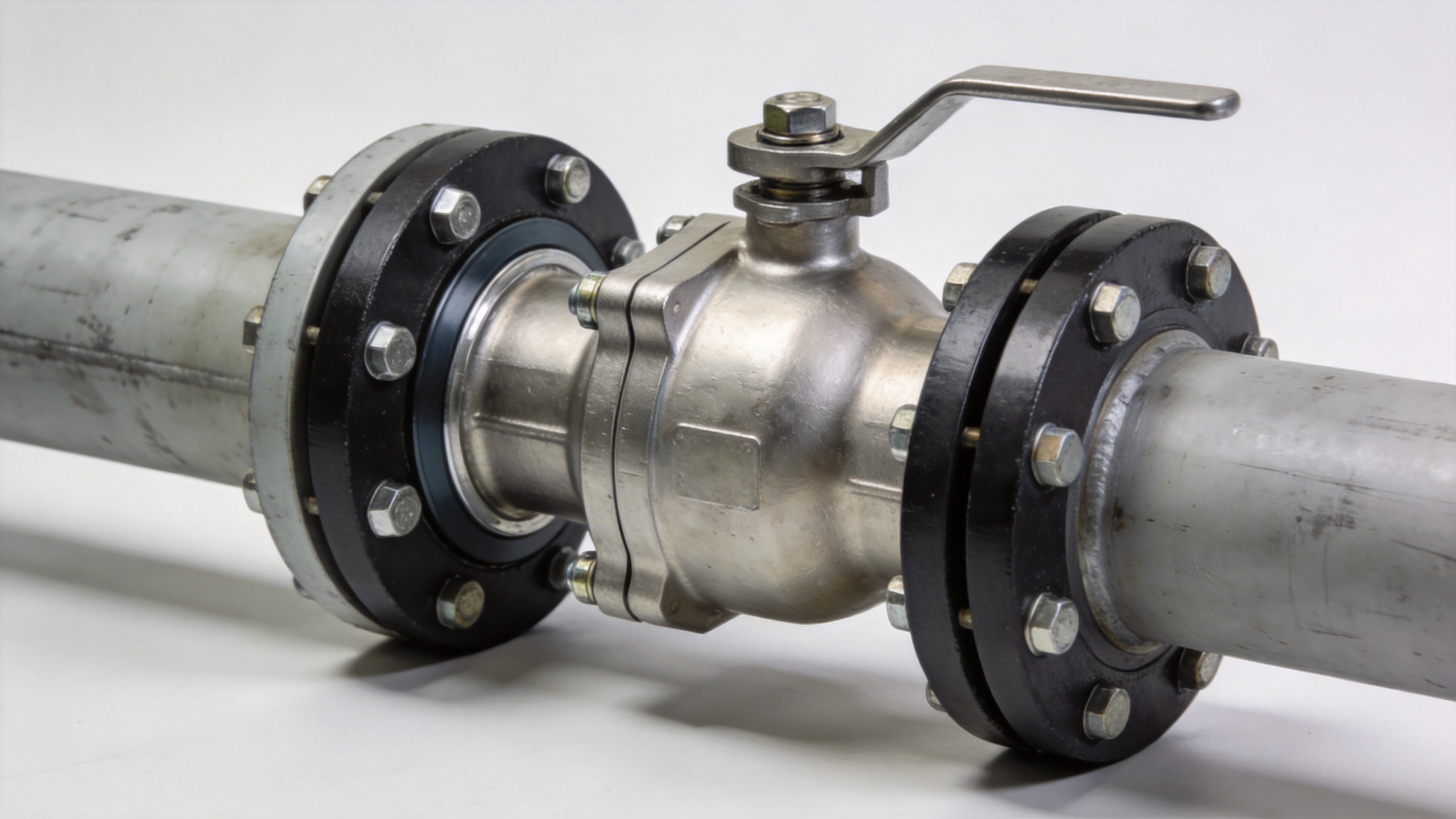
A Flanged Ball Valve creates a bolted connection that can be opened for inspection or replacement without cutting and rewelding pipe. That can be useful where maintenance planning, plant shutdown scope, or future valve replacement needs to be considered. It also allows the buyer to specify a matching flange standard and pressure class as part of the purchase requirement.
The connection still needs disciplined assembly. Flange faces must be compatible, bolts need the appropriate tightening procedure, and gasket selection must suit the media and temperature. A Flanged Ball Valve cannot compensate for damaged faces, mixed pressure classes, or a gasket that is unsuitable for the process fluid.
Check pressure and temperature as one condition
One common selection mistake is treating a pressure class as a single pressure number. Pressure-temperature ratings change with material group and operating temperature. For example, ASME B16.5 is commonly used to define flange dimensions and pressure-temperature ratings for many flanged piping systems; the applicable table and material group need to be checked against the actual design condition.
For that reason, an RFQ for a Flanged Ball Valve should state normal and maximum pressure, normal and maximum temperature, the required flange class or PN rating, pipe material, and the governing standard. Where a metal ball valve is requested for petroleum, petrochemical, or industrial service, the buyer may also ask the supplier whether documentation against the relevant API 608 scope is available for the proposed configuration. That is a verification request, not an assumption about compliance.
Match materials and seats to the medium
Body material, ball material, stem material, seat design, and seals all influence how a Flanged Ball Valve will behave in service. Carbon-steel and stainless-steel options are often discussed for industrial lines, but selecting between them requires information about corrosion exposure, fluid composition, temperature, and external environment. A material that is acceptable for one clean fluid may not be suitable for another medium with chlorides, solids, or elevated temperature.
Seat selection deserves equal attention. Soft seats can support tight shutoff in suitable conditions, while elevated temperature, abrasive particles, or high differential pressure can change the seat requirement. Ask what media limits, temperature limits, and operating restrictions apply to the proposed seat and seal set. A Flanged Ball Valve is selected as an assembly, not as a body material alone.
Consider bore, flow behavior, and operating duty
A full-bore Flanged Ball Valve may be considered when passage restriction, pigging requirements, or pressure loss are important. A reduced-bore arrangement may be appropriate in other systems, but it should be a deliberate decision rather than a default. Confirm the required flow direction, allowable pressure drop, solids content, and whether the valve is intended primarily for isolation or must perform repeated control-like movement.
It is also important to separate ball-valve isolation duty from throttling duty. A Flanged Ball Valve can open and close quickly, but frequent partial-open operation can raise questions about velocity, seat wear, torque, and trim suitability. If the system needs accurate modulation, state that requirement so the supplier can evaluate an appropriate valve and actuator arrangement.
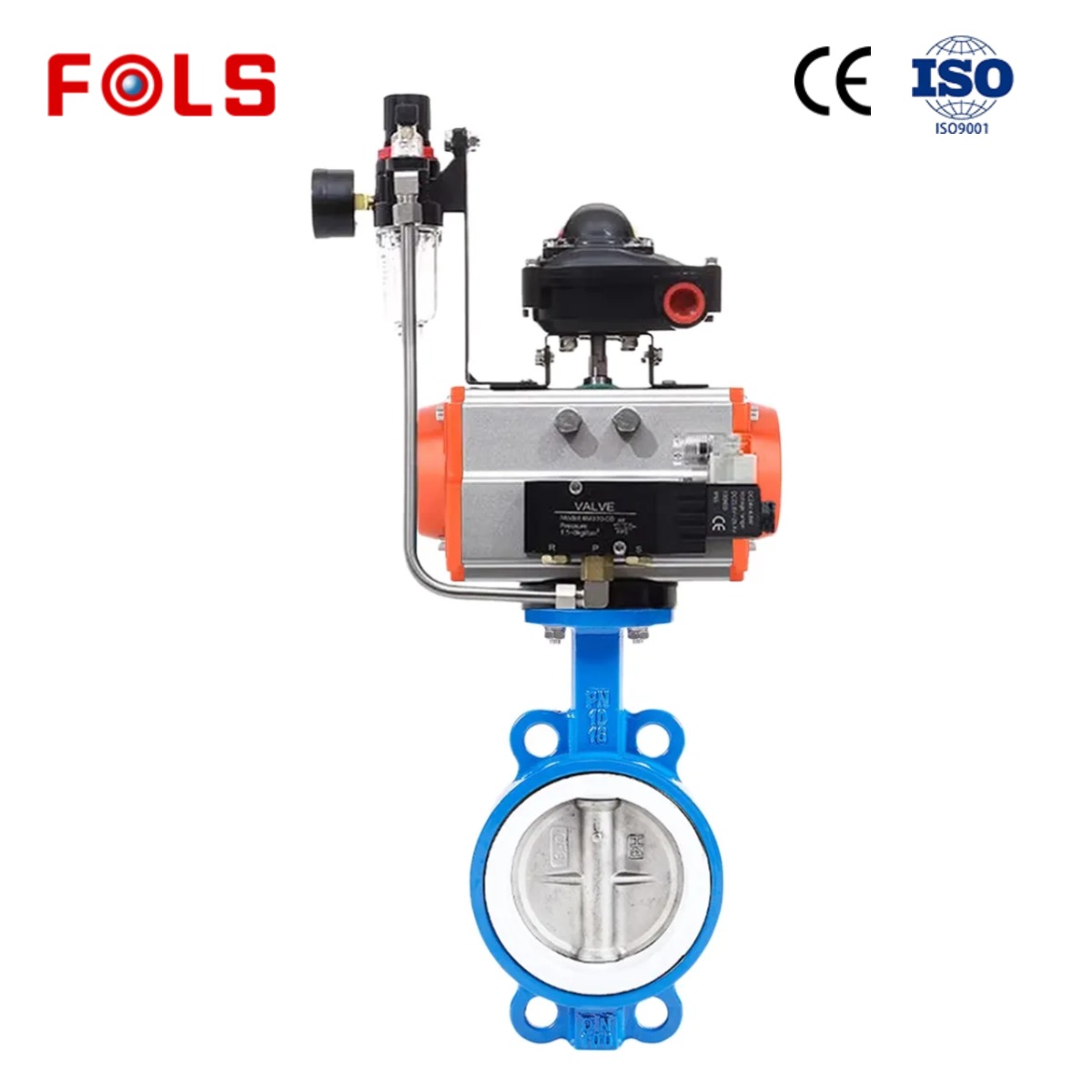
When a butterfly valve for water line may be the better comparison
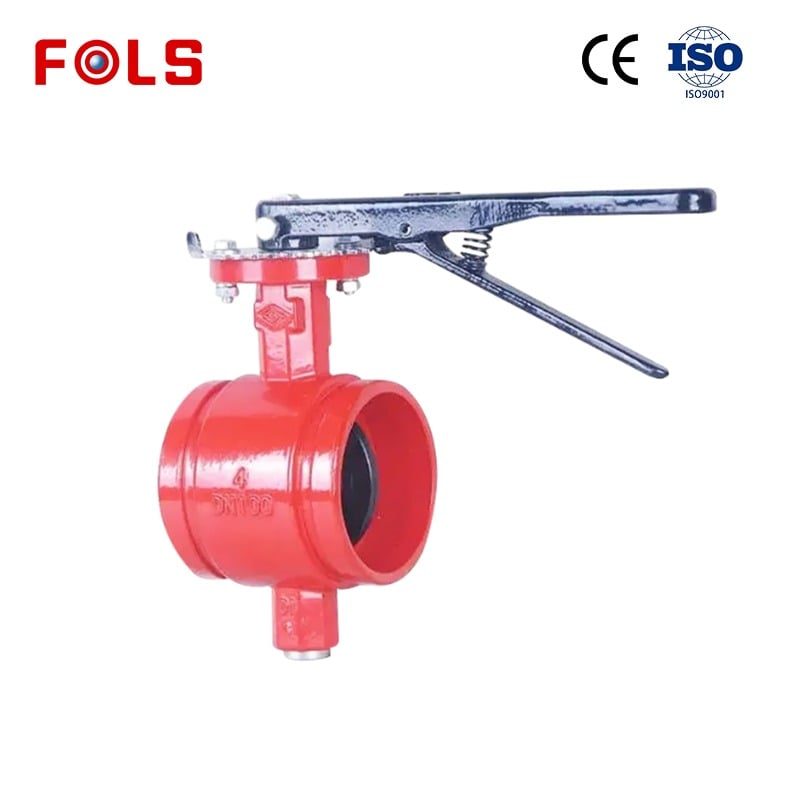
For a large, relatively low-pressure butterfly valve for water line, compact face-to-face dimensions and lower operating torque may make a butterfly design worth evaluating. That comparison does not make it a direct substitute in every service. A Flanged Ball Valve may be preferred where a clear bore, specific shutoff expectations, or a particular process duty drives the selection.
The comparison should use the same project inputs: water quality, pressure and temperature, diameter, required cycling, leakage criteria, installation space, and automation. More accurately, it is not enough to compare valve names; the sealing arrangement, media, and control requirement determine whether a butterfly valve for water line or a ball-valve configuration fits the line.
Where butterfly ss fits into material discussions
The search term butterfly ss usually signals interest in stainless-steel butterfly-valve options. It can be useful in a material comparison, especially where corrosion resistance is under review. But a stainless butterfly valve and a Flanged Ball Valve are not interchangeable specifications. Compare material grades, seat compatibility, flange pattern, torque, and process duty rather than using stainless steel as the only decision point.
If corrosion resistance is a priority, ask for the proposed grades for wetted components and request confirmation against the actual fluid chemistry. This is one area where a simple product label is not enough; the piping layout and service details still need engineering review.
A practical Flanged Ball Valve selection checklist
- Define the medium, solids content, normal and maximum pressure, and normal and maximum temperature.
- Specify the required flange standard, size, facing, and pressure class or PN designation.
- Confirm body, ball, stem, seat, seal, and gasket compatibility with the service.
- State whether the Flanged Ball Valve is for isolation, frequent cycling, emergency shutoff, or modulating duty.
- Check bore requirement, flow direction, pressure drop allowance, and pipeline alignment.
- Choose manual, pneumatic, or electric operation only after confirming torque and fail-position requirements.
- Request drawings, test records, and applicable documentation for the final configured valve.
Conclusion: choose the connection as part of the whole system
A Flanged Ball Valve can be a sound heavy-service choice when its pressure-temperature capability, materials, sealing system, flange connection details, and operating duty are confirmed together. Its serviceable bolted connection can support planned maintenance, but it does not replace correct system design. Start with four points: medium, pressure and temperature, flange connection details, and manual or automated operation. Then review the final configuration with the supplier against the project specification before release.
Frequently asked questions
Is a Flanged Ball Valve suitable for high-pressure service?
A Flanged Ball Valve may be suitable when the selected valve and mating flange system have ratings that cover the project pressure and temperature. Verify the applicable material group, class or PN designation, and valve documentation for the actual service.
Does a flanged end make maintenance easier?
It can make planned removal more straightforward because the valve can be unbolted from compatible flanges. Access, lifting space, bolt condition, gasket replacement, and shutdown procedures still need to be considered.
Should I choose a ball valve or a butterfly valve for water?
Compare the required shutoff duty, size, flow restriction, pressure-temperature conditions, material compatibility, operating torque, and installation space. A butterfly valve for water line can be appropriate in some systems; the final choice depends on the stated operating conditions.
 Hot News