
 EN
Where To Install Butterfly Valve For Large Diameter Pipes?
Choosing the location for a Butterfly Valve in a large-diameter line is a layout decision, not simply a matter of placing a valve wherever there is open pipe. The rotating disc needs room to operate, the seat needs suitable process conditions, and the operator needs access for installation and future service. In water, wastewater, building-material, chemical, and process systems, a well-planned Butterfly Valve location can make isolation, flow control, inspection, and actuator work more manageable.
Use this as a planning framework, not a replacement for the valve drawing, piping specification, hydraulic review, or manufacturer instructions. Large lines often amplify the consequence of a small layout compromise, so confirm the final arrangement with the project engineer and the selected valve documentation.
Start with the duty of the Butterfly Valve
Before selecting a point on the line, define what the Butterfly Valve must do. An isolation valve on a branch, a throttling valve near a process unit, and an automatically actuated valve at a pumping station may need different pipe geometry and service access. Record the medium, pressure, temperature, solids content, expected flow direction, operating frequency, shutoff requirement, and control method. These details influence the disc, seat, body, shaft, actuator, and installation arrangement.
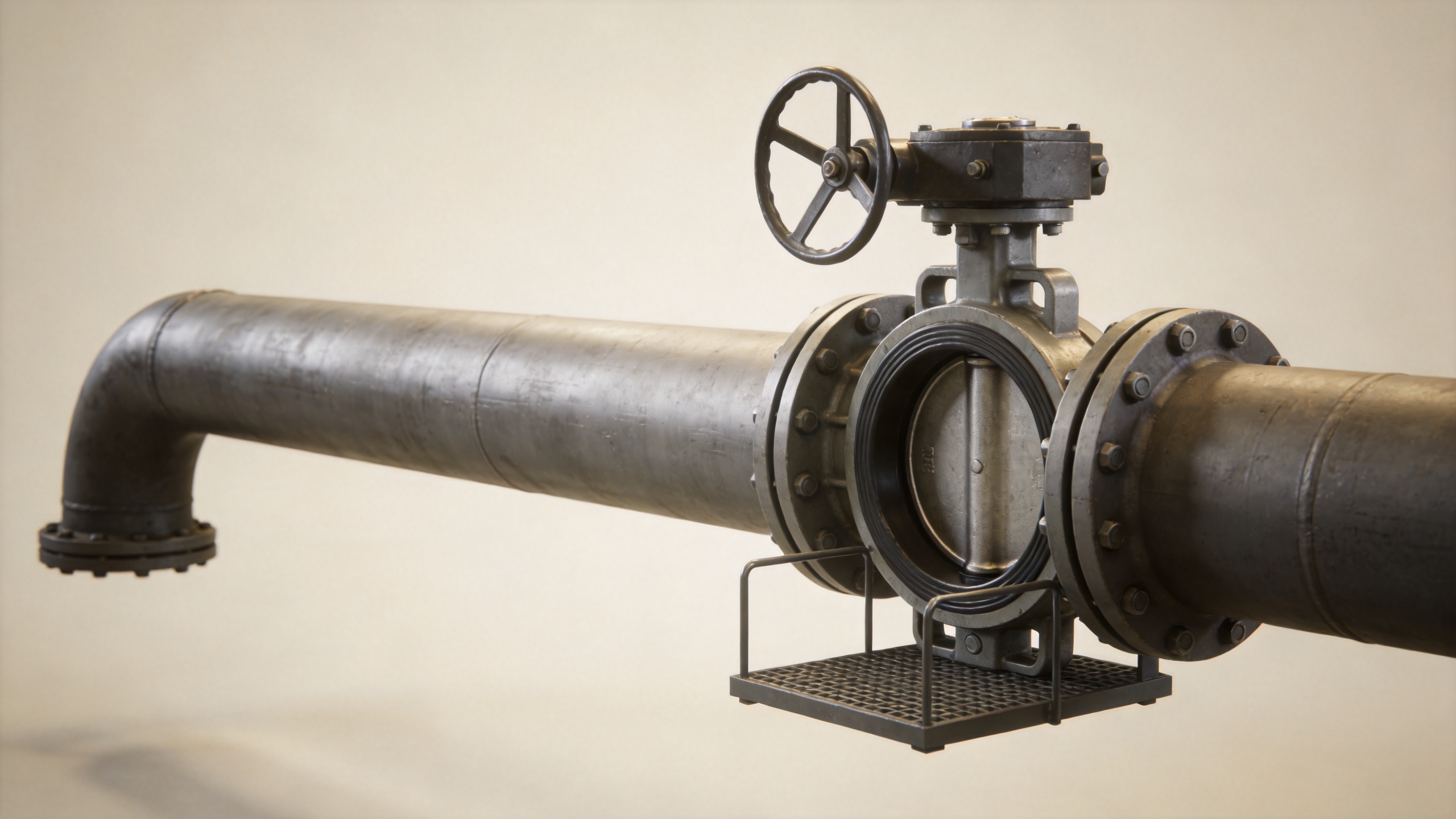
A Butterfly Valve is a quarter-turn valve: its disc rotates within the flow path. That compact operating principle can suit large pipework, but it also means the disc sweeps through the bore. Check the inside diameter of nearby pipe, flange, reducer, strainer, expansion joint, or liner before finalizing the location. The disc must have clearance throughout its travel.
Place the valve where the disc sees usable flow conditions
A Butterfly Valve is generally easier to assess in a reasonably straight, accessible section of pipe than directly beside an elbow, tee, pump discharge, reducer, or another valve. These components can create swirl, uneven velocity, pressure disturbance, or vibration. The acceptable separation is not one universal number. It depends on the service, valve design, control duty, upstream fittings, and hydraulic calculations.
Use the piping designer’s straight-run requirement and the manufacturer’s installation instructions instead of borrowing a generic distance from another project. If a Butterfly Valve must sit near a disturbance, identify the risk early and ask whether a different orientation, a spool section, a flow-conditioning approach, or a revised control strategy is appropriate.
Keep clear of pump and high-energy discharge effects
On large-diameter pump discharge piping, do not treat the Butterfly Valve as an isolated item. Consider how pump starts, stops, transients, check-valve behavior, and changing flow affect the location. A valve used for isolation may belong in a different place from a valve used to modulate flow. The pipe support plan also matters: heavy actuators, gear operators, and long valve assemblies should not impose unintended loads on the valve body or mating flanges.
Where surge, vibration, cavitation risk, or high differential pressure is part of the duty, the installation team should review the complete line arrangement. A Butterfly Valve can be appropriate only when the selected configuration is rated for the actual service. Product name alone is not enough to settle the decision.
Choose an orientation that supports the actual installation
Orientation affects drainage, solids handling, actuator access, and maintenance space. A horizontal run may offer several possible shaft positions, while a vertical run raises different support and access questions. For a Butterfly Valve in a line carrying solids or slurry, the process behavior and valve maker’s guidance are especially important. Do not assume that one shaft orientation suits every fluid or every large-diameter design.
Look beyond the valve body. Can technicians reach the handwheel, gearbox, pneumatic components, electric enclosure, positioner, limit switches, and cable or air connections? Is there space to operate an emergency manual override? If the project uses a ball valve with actuator elsewhere, its automation layout may look familiar, but the support, torque, and disc-clearance needs of a large Butterfly Valve still require their own review.
Reserve space for installation and removal
Large valves require a lifting and service plan before the pipe is closed. Leave working room for slings, lifting points, bolts, flange spreading where permitted, inspection, and removal of the actuator or operator. As one waterworks-related reference point, an AWWA C504 installation document notes that applicable valves of 30 inches and larger should be arranged to allow removal and replacement without removing the valve from the installation site. Treat that as an access-planning prompt for applicable projects, not as a substitute for the governing specification.
Ask one practical question: if this Butterfly Valve needs inspection years from now, what has to move first? If the answer is pipe supports, a wall, cable tray, adjacent equipment, or a buried structure, revisit the layout. Planning a removable spool or a dedicated access route can be more realistic than assuming future work will be simple.
Check mating components before installation
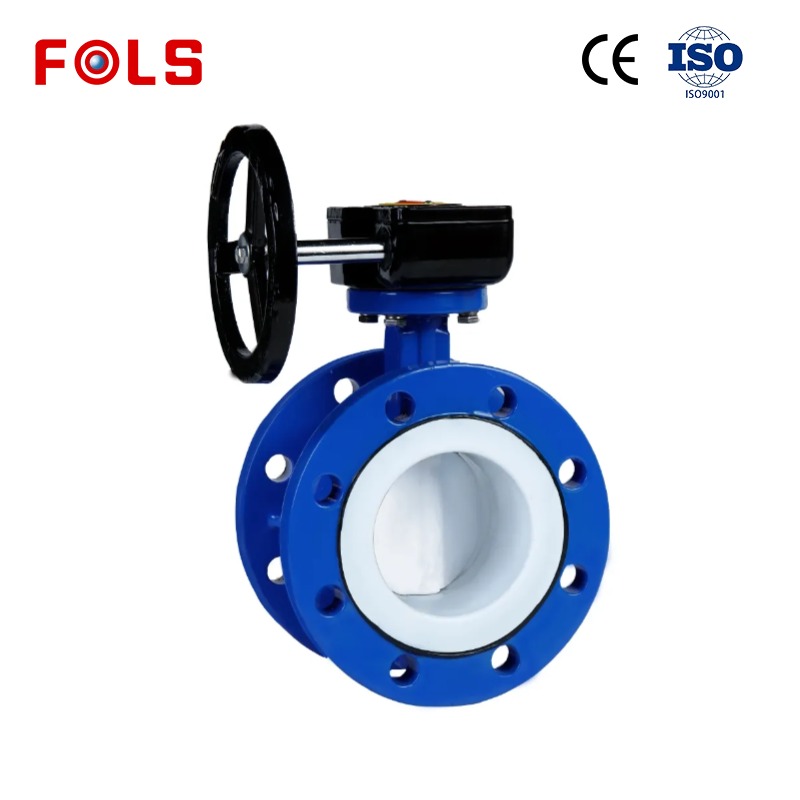
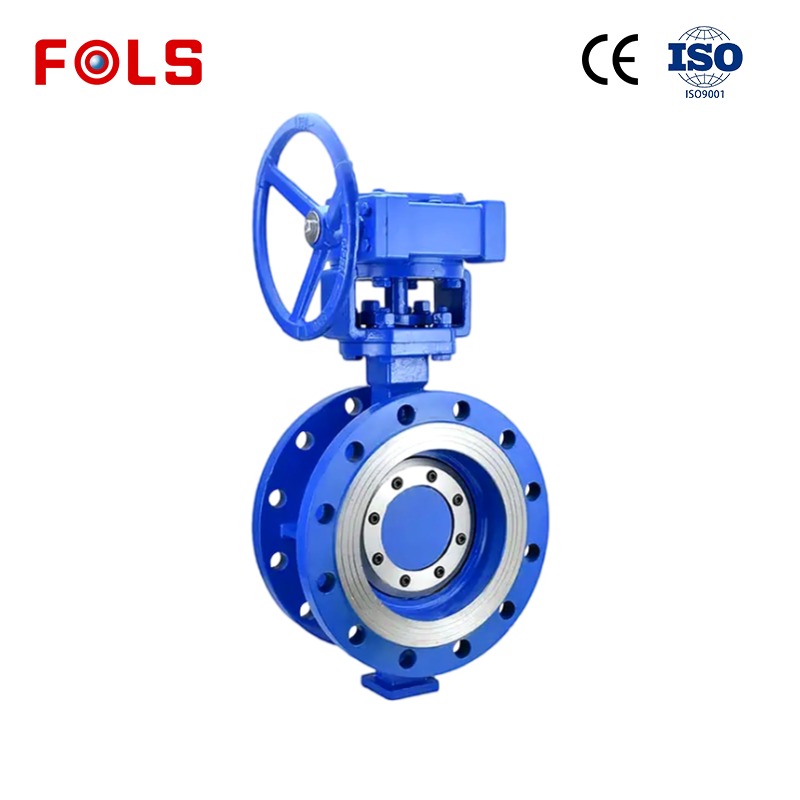
Confirm the Butterfly Valve face-to-face dimensions, flange pattern, bolt length, gasket arrangement, pipe inside diameter, liner compatibility, and allowed flange types. A mismatch can interfere with disc movement or sealing. This is also where gate valve sizes can be useful as a comparison reference: a gate-valve replacement may need a very different face-to-face envelope, weight allowance, and operating clearance. Match the layout to the selected valve, not to the footprint of the component it replaces.
During field preparation, keep weld debris, scale, tools, and packing materials out of the line. Verify pipe alignment before tightening connections. Misalignment can load the body or seat and complicate commissioning. The valve manufacturer’s tightening sequence and torque guidance should govern the field procedure.
Plan supports, controls, and safe access together
For a large Butterfly Valve, support design should address pipe loads and the weight or reaction of the operator. Provide stable access for operation and maintenance, especially where the valve is elevated, in a chamber, or near a roadway or process unit. Avoid locating controls where standing water, heat, vibration, restricted clearance, or difficult cable routing could affect safe use.
For automated service, confirm the power or air supply, signal routing, fail position, local controls, and feedback requirements before the final location is released. At this stage, the valve body is only part of the decision; the actuator and surrounding system must work together. In procurement communication, listing the medium, pipe size, pressure, temperature, connection type, and manual or automatic control requirement usually reduces later clarification.
A location checklist for large-diameter Butterfly Valve projects
- Define whether the Butterfly Valve is for isolation, throttling, or automated sequence control.
- Verify disc clearance against the actual pipe bore, liners, flanges, reducers, and adjacent fittings.
- Review elbows, tees, pumps, and other sources of disturbed flow with the hydraulic design.
- Confirm orientation, drainage, solids behavior, and operating access with the manufacturer documentation.
- Allow lifting, bolting, actuator removal, inspection, and future replacement space.
- Check supports, actuator loads, electrical or pneumatic routing, and emergency operating access.
- Use the project specification and valve instructions for final dimensions, torque, and commissioning checks.
Final takeaway
The right place for a Butterfly Valve in a large-diameter pipe is usually an accessible section with adequate disc clearance, manageable flow conditions, suitable support, and a realistic service route. Start with operating duty, then test the layout against nearby fittings, control equipment, maintenance needs, and the selected valve documentation. That sequence helps the project team confirm that the proposed Butterfly Valve location suits the system, rather than merely fitting on the drawing.
 Hot News





