
 EN
Where To Use Manual Ball Valve For Quick Flow Isolation?
A Manual Ball Valve is a practical choice when an operator needs a nearby, fast way to start or stop flow without relying on power, air, or a control signal. In industrial piping, that simple task appears at equipment inlets, branch lines, drain points, utility connections, and maintenance boundaries. The handle alone does not determine the right location. It depends on the medium, pressure and temperature range, connection style, access for the operator, and how often the valve must move.
For purchasing and engineering teams, asking what is a ball valve is only the starting point. It is whether a quarter-turn manual device gives the process the isolation behavior and operating discipline it needs. A sound answer starts with the function of the line, then checks the valve construction against the actual duty.
How a Manual Ball Valve Creates Quick Isolation
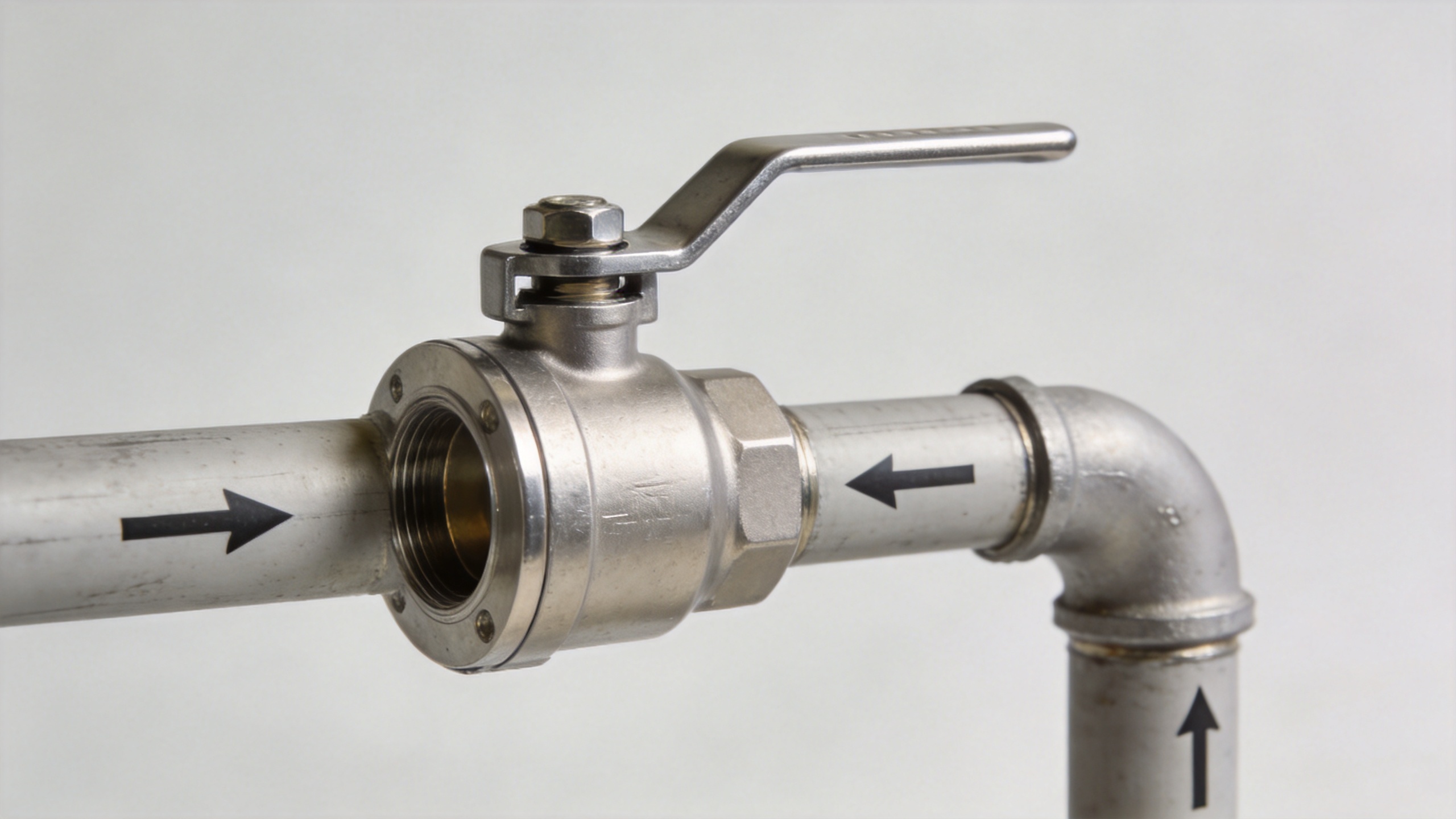
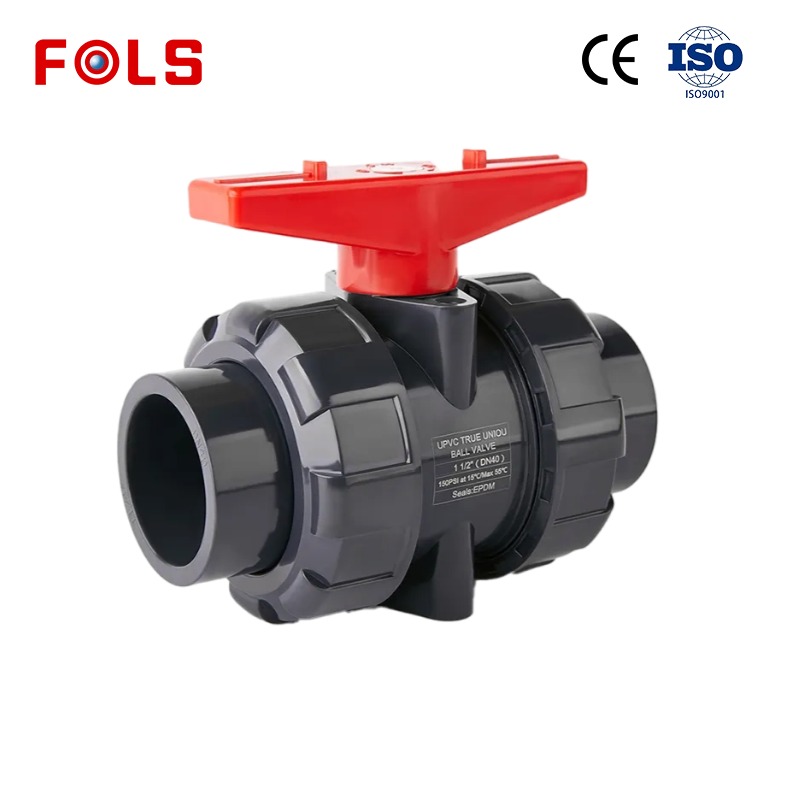
A Manual Ball Valve uses a drilled ball inside the body. Turning the handle roughly one quarter turn aligns the bore with the pipe for flow or turns it across the pipe to close the path. That short movement is why a Manual Ball Valve is commonly considered for on-off isolation rather than fine throttling. Some designs use a larger bore to reduce restriction when open, but buyers should confirm the actual port geometry rather than assuming every model has the same flow path.
The quick movement is helpful only when the handle can be reached safely and the operator can tell the open and closed positions. Leave enough clearance around the lever, consider insulation or guarding where relevant, and make sure the valve is not located where an operator would have to reach across hot, moving, or restricted equipment. A fast handle movement does not replace a documented isolation procedure for hazardous services.
Where a Manual Ball Valve Fits Well
1. Local equipment isolation points
A Manual Ball Valve often fits upstream or downstream of equipment that needs occasional service, inspection, or replacement. Pumps, filters, sample loops, compact skids, and instrument connections can benefit from a local shutoff point when the line can be isolated manually. The placement should support the maintenance sequence: identify the section to isolate, address trapped pressure or liquid according to site procedure, and verify that the selected body, seats, and seals suit the medium.
2. Utility and branch lines with infrequent operation
Water, compressed-air, inert-gas, washdown, and other utility branches may be suitable locations for a Manual Ball Valve when a person can operate the line on demand and the task is not repeated constantly. A branch isolation valve can make maintenance more orderly because it separates a small section without requiring a wider shutdown. Before selecting one, confirm connection type, nominal size, material compatibility, pressure and temperature conditions, and whether the process requires a specific leakage class or test evidence.
3. Drain, vent, and sampling arrangements
A Manual Ball Valve can also be considered at a controlled drain, vent, or sampling point where an operator performs a short, deliberate action. These points need extra attention because line contents may remain pressurized or require contained handling. The valve should not be chosen solely because it turns quickly. The assembly layout, downstream hose or container connection, access, and site safety instructions all matter. If the valve is part of a relief or protective function, engineering review is needed rather than a general selection rule.
4. Compact process skids and bypass sections
On a compact skid, a Manual Ball Valve can provide visible local control for a bypass, a flushing route, or a service boundary. This works well when the operator needs a clear physical indication of the route and has a defined reason to change it. Label the line and handle position so that a hurried maintenance task does not create confusion. For multi-valve arrangements, a simple valve-position checklist can be more useful than relying on memory.
When Manual Operation Is Not the Right Starting Point
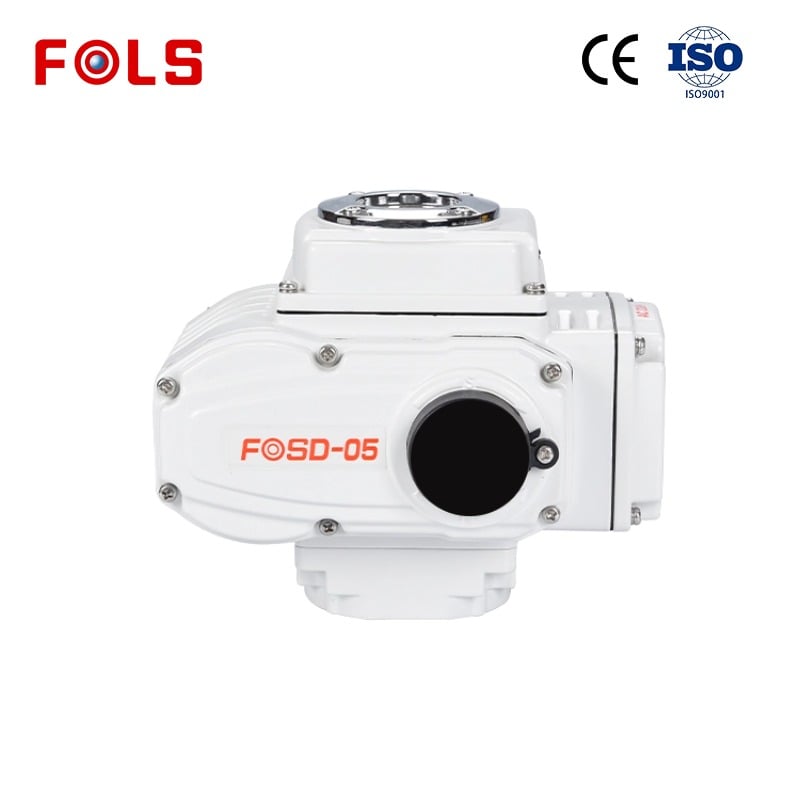
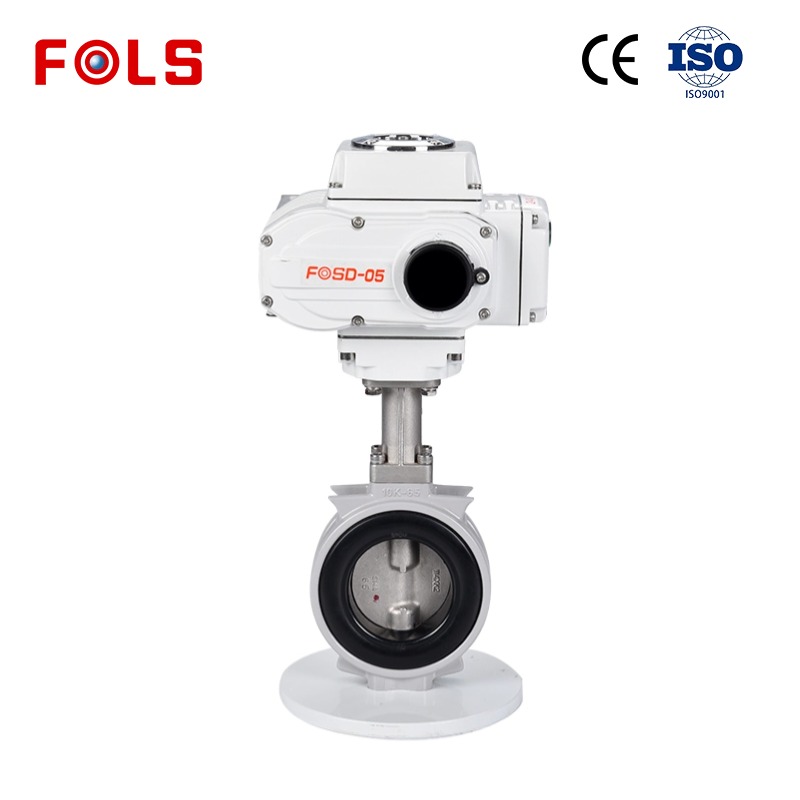
A Manual Ball Valve is less suitable when the process needs remote operation, frequent cycling, automatic interlocking, timed sequences, or a response that cannot depend on a person reaching the valve. These requirements may point toward an actuated valve and a reviewed control arrangement. Manual operation has a clear place, but the operating method must match the duty. If a line changes state many times per shift, ask whether repeated hand operation is realistic, safe, and traceable.
It is also important not to treat a Manual Ball Valve as a universal control valve. A ball valve is commonly used for open-or-closed duty. Where stable modulation is required, the valve type, trim, actuator, and control strategy should be evaluated as a system. Do not infer suitability from the product name alone.
Manual Ball Valve or Tri Clamp Butterfly Valve?
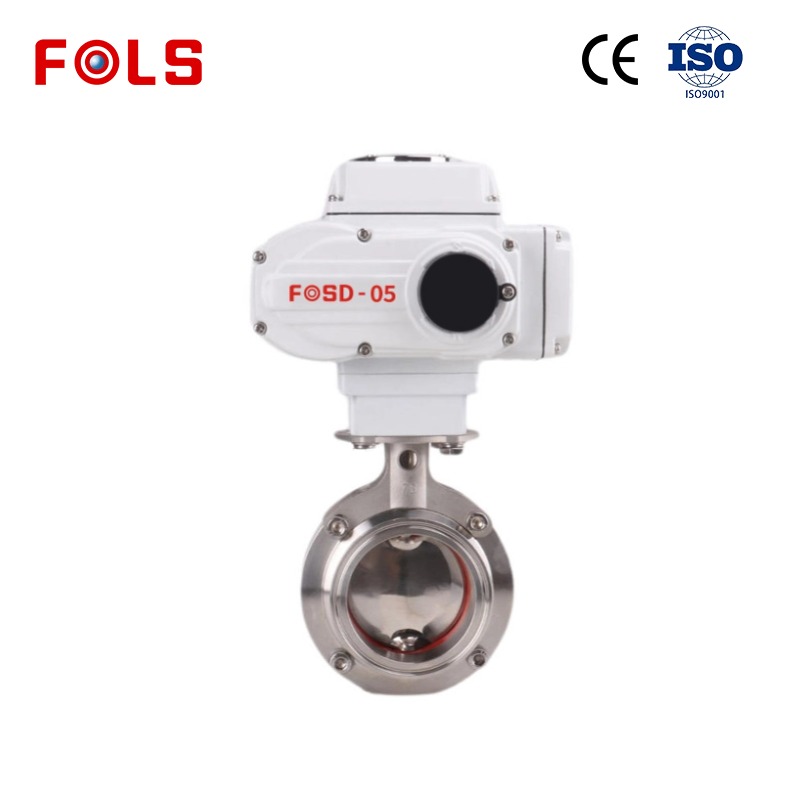
The auxiliary phrase tri clamp butterfly valve describes an adjacent choice often considered where sanitary-style clamp connections and quick disassembly are part of the piping arrangement. Like a Manual Ball Valve, it uses quarter-turn motion, but it closes with a disc rather than a bored ball. That difference affects the flow path, body construction, cleanability considerations, and service limits.
A Manual Ball Valve may be worth evaluating when the priority is compact on-off isolation and the specified materials, end connections, and seals fit the line. A tri clamp butterfly valve may be worth evaluating when the clamp connection and access for disassembly are central to the process layout. Neither description establishes suitability for a particular sanitary, chemical, food, pharmaceutical, or utility service. Ask for the applicable material, seal, surface, cleaning, and pressure-temperature documentation before finalizing the choice.
A Field Checklist Before You Specify a Manual Ball Valve
- Medium: What fluid or gas will contact the body and seats, and are there solids or deposits to consider?
- Conditions: What are the normal and maximum pressure and temperature values?
- Function: Is the Manual Ball Valve for positive isolation, a bypass, a drain, a vent, or another defined task?
- Frequency: Will a person operate it occasionally, or does the duty call for automation?
- Connection: Are threaded, flanged, welded, or clamp connections appropriate for the existing pipe and maintenance plan?
- Access: Can the handle be moved safely, seen clearly, and locked or tagged as required by site procedure?
- Evidence: Which drawings, material details, pressure-temperature information, and test records must be confirmed before purchase?
Make the Isolation Decision at the Line Level
A Manual Ball Valve is most useful where quick local isolation is needed, the task is clearly on-off, and an operator can reach the valve under controlled conditions. Equipment connections, occasional utility branches, drains, vents, and compact skid sections are common starting points for review. A useful purchasing conversation starts with line conditions instead of a generic valve request: medium, size, pressure, temperature, connection, operating frequency, and the reason for isolation.
For a technical discussion, Guangzhou Fols Valve Technology can help organize those requirements around valve body style and control method. Provide the project data first, then compare a Manual Ball Valve, a tri clamp butterfly valve, or an actuated alternative against the actual duty. That approach keeps quick flow isolation practical without making assumptions that the piping system has not yet confirmed.
 Hot News





