
 EN
What Makes Electric Actuator Essential For Modern Plants?
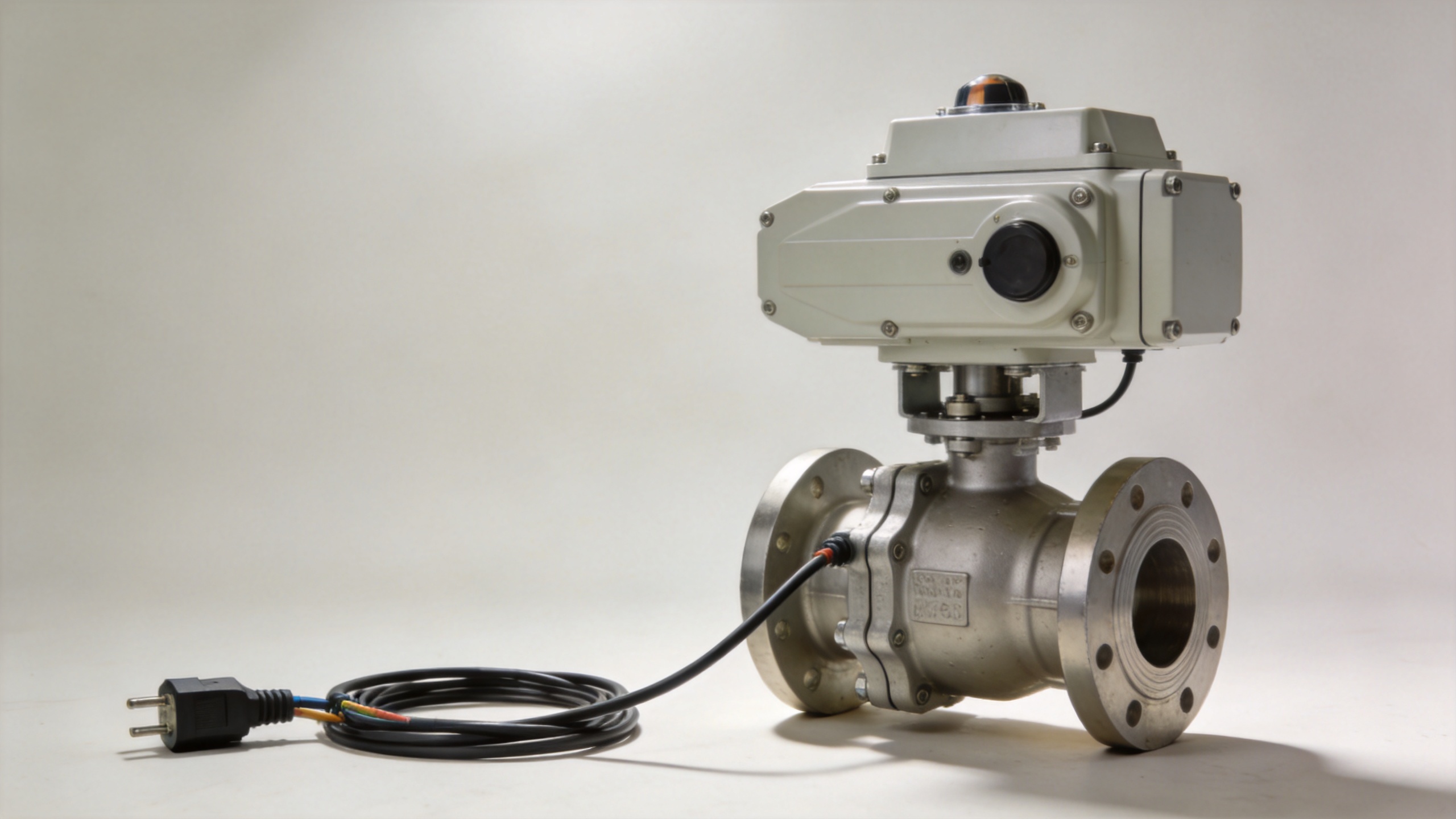
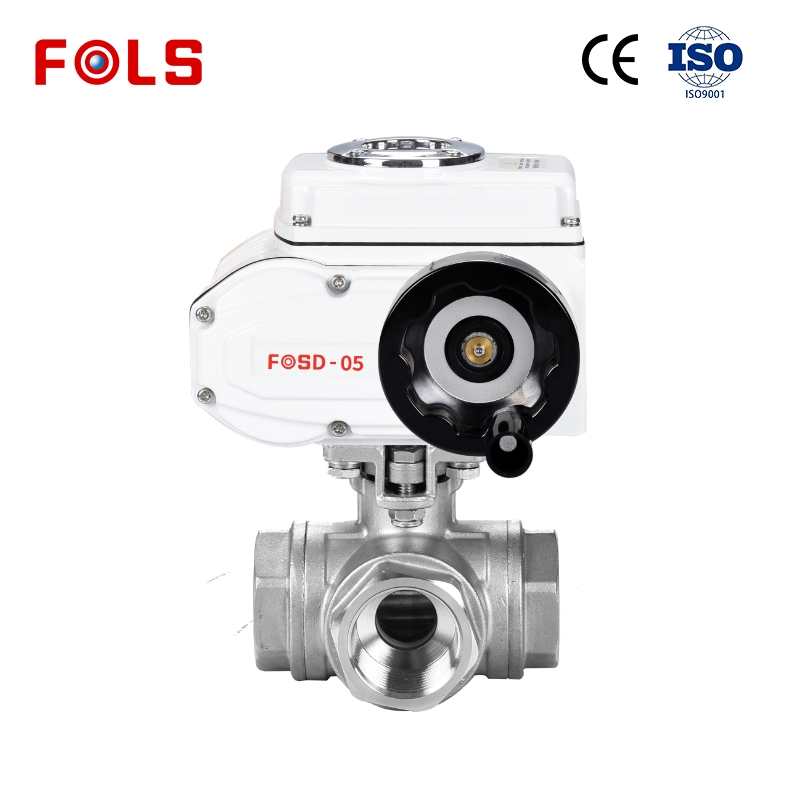
In a modern plant, an Electric Actuator is more than a motor attached to a valve. It is the link between a control decision and a physical change in flow, pressure, temperature, or level. When an operator or control system commands a valve to open, close, or move to a target position, the Electric Actuator converts that command into controlled mechanical motion. That direct connection is why it becomes important wherever repeatability, visibility, and coordinated operation matter.
From an industrial valve and automation perspective, the useful question is not whether an Electric Actuator is universally right. It is whether the plant has the electrical supply, valve-load data, control architecture, maintenance access, and safe-state requirements to use it well. Answering those questions early helps teams compare electric, pneumatic, and manual arrangements on operating impact rather than on purchase price alone.
Why Plants Need Controlled Motion at the Valve
Many plant processes depend on valves doing the same thing at the right time. A valve may isolate a treatment line, throttle flow to a vessel, divert material, or close during an interlock. Manual operation can remain appropriate for infrequent local tasks, but it relies on a person being present and following the same sequence each time. An Electric Actuator gives the valve a controllable drive so that movement can be initiated from a panel, a local station, or an approved automation system.
This matters in wastewater, building services, chemical handling, oil and gas support systems, and material-processing environments, where one valve action can affect equipment upstream and downstream. The value is not simply speed. It is the ability to make valve movement part of a defined operating sequence, observe the result, and investigate a mismatch between command and actual position.
Five Reasons an Electric Actuator Supports Modern Plant Operation
1. Repeatable valve operation
An Electric Actuator can provide a consistent mechanical stroke or rotation when it is correctly matched to the valve. Repeatability helps when a process needs scheduled isolation, timed changeovers, or a defined open/close sequence. It does not remove the need for commissioning: torque or thrust demand, travel limits, seating behavior, and valve condition still need to be checked for the installed assembly.
2. Position feedback for better decisions
Modern plants often need more information than a command signal. Depending on the specified configuration, an Electric Actuator may provide open, closed, intermediate, or fault feedback. That feedback lets operators distinguish between “a close command was issued” and “the valve reached its required position.” The difference is important during start-up, shutdown, troubleshooting, and maintenance planning.
For modulating duties, the control team should clarify the requested input and output signals, resolution, deadband expectations, and the meaning of a feedback failure. These details affect how the Electric Actuator fits the plant’s control logic and should be agreed before procurement, not inferred after installation.
3. Integration with plant automation
An Electric Actuator can support centralized or distributed control when its electrical interfaces match the project design. Typical questions include available voltage, command method, indication contacts, communication requirements, local-control needs, and how the device responds to an interlock. A plant does not need every available feature; it needs the features that make the valve duty understandable and maintainable for its own operators.
This is also where a comparison with a numatics solenoid valve can be useful. A solenoid-driven pneumatic arrangement and an electric valve actuator solve different parts of the automation problem. The pneumatic option depends on the air system, valve architecture, and desired action; the electric option depends on electrical supply and actuator configuration. The correct choice follows the process, utilities, fail-state needs, and maintenance model rather than a general preference.
4. Reduced dependence on routine manual intervention
Where a valve must be operated frequently, remotely, or as part of a coordinated sequence, an Electric Actuator can reduce reliance on repeated field visits. This may improve operating consistency and make status information easier to bring back to the control room. It should not be treated as a substitute for field inspection. Couplings, mounting hardware, cable entries, travel limits, and the valve itself still require planned attention.
5. A clearer basis for lifecycle decisions
Initial component cost is only one part of the decision. The practical comparison also includes installation work, electrical infrastructure, instrument integration, access for service, expected cycling, spare-parts planning, and the consequence of a valve not moving when requested. An Electric Actuator is essential when these operating factors make controlled, observable valve movement more valuable than a purely local solution.
Where the Application Changes the Selection
The same Electric Actuator principle can serve very different valve duties. A quarter-turn valve usually needs rotary output, while a linear valve may need thrust and stroke control. A clean-water isolation valve, a corrosive-process valve, and a high-cycle control valve can each create different demands on materials, mounting, torque margin, enclosure, and diagnostics. Selection therefore starts with the whole valve-and-process assembly.
Consider an underfloor heating actuator as a useful contrast. It is generally associated with zone control in a building heating system, where compact size, control signal compatibility, and cycle behavior are central. A plant Electric Actuator may instead be selected around a larger valve, higher torque, local override, weather exposure, hazardous-area requirements, or integration with process interlocks. Both automate motion, but their duty conditions and verification steps are not interchangeable.
A Practical Selection Checklist
Before finalizing an Electric Actuator, gather the information that determines whether the assembly will work as intended:
- Valve data: valve type, size, operating torque or thrust, travel, seating characteristics, and mounting connection standard.
- Process conditions: medium, pressure, temperature, frequency of operation, and any changes that could affect valve load.
- Electrical and control data: supply availability, command signal, feedback needs, local controls, alarm contacts, and communication requirements.
- Safe-state expectation: the required position during a power or control fault, plus the verified method for reaching or managing that state.
- Installation conditions: ambient environment, ingress exposure, cable routing, available space, manual override access, and service clearance.
- Documentation: drawings, wiring information, torque or thrust basis, test requirements, and acceptance criteria for the combined valve and actuator.
For control-valve work, documentation may reference the IEC 60534 series for applicable terminology and test conditions. Teams should confirm which sections and project standards apply to the actual valve package rather than assuming a general reference proves compliance.
Common Mistakes That Undercut the Benefits
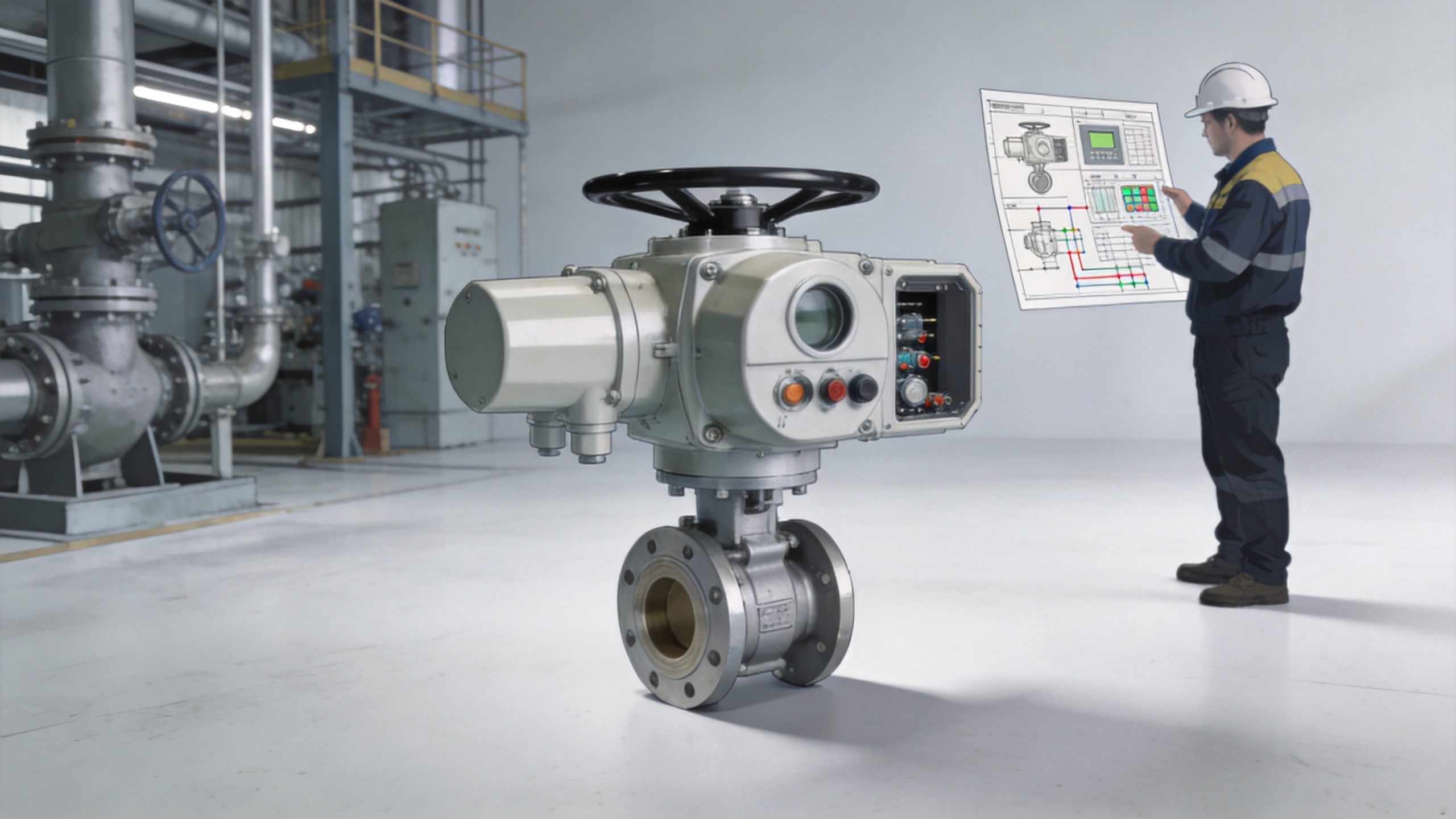
One common mistake is sizing only from the nominal valve size. Valve load can change with pressure differential, seat condition, packing friction, deposits, temperature, and operating sequence. Another is specifying feedback without defining how the control system will act on it. A third is treating emergency behavior as an accessory decision. If the process requires a defined response after loss of power or signal, that requirement needs to be evaluated at the assembly level.
It is also wise to avoid mixing application assumptions. The control logic appropriate for an underfloor heating actuator may not translate to a process valve, and a numatics solenoid valve arrangement has utility and failure-mode considerations of its own. A clear requirements list is more useful than copying a feature set from an unrelated installation.
Make the Electric Actuator Part of the Plant Design
An Electric Actuator becomes genuinely valuable when it is treated as part of the process design, not an isolated add-on. The valve, drive, controls, power source, mounting, commissioning plan, and maintenance procedure need to agree. For buyers evaluating industrial valve automation, the most productive supplier conversation begins with operating conditions and control requirements, then works toward a configuration that can be reviewed against the project documents.
Guangzhou Fols Valve Technology Co., Ltd. focuses on industrial valves, electric actuators, pneumatic valves, and automatic control systems. A structured technical discussion can help separate known requirements from items that still need confirmation, so the chosen Electric Actuator supports the plant’s actual operating sequence and service conditions.

 Hot News