
 EN
What Makes Manual Ball Valve A Standard Piping Choice?
A Manual Ball Valve is often chosen for a practical reason: it gives an operator a clear, fast way to isolate a line without adding an actuator, power supply, control wiring, or instrument loop. In many industrial piping systems, that directness matters. A handle position provides an immediate visual cue, and the quarter-turn movement can take the valve from open to closed with a short, deliberate action.
From an industrial valve application engineer’s perspective, though, the familiar shape is only the starting point. A Manual Ball Valve should be matched to the medium, pressure, temperature, end connection, required shutoff function, and expected operating frequency. When those conditions are stable and local operation makes sense, this design is a familiar piping choice. When they are not, another valve type or an actuated arrangement may be more appropriate.
Why the Manual Ball Valve Fits So Many Isolation Duties
The basic mechanism is easy to understand. A drilled ball turns inside the valve body: aligned with the pipeline, it provides a flow path; turned 90 degrees, it blocks flow. That compact motion suits a Manual Ball Valve to duties that need positive on-off control rather than fine throttling. It also avoids the long stem travel associated with some multi-turn valves.
That simplicity supports several practical advantages in suitable service:
- Fast local isolation: a short handle movement is easy to perform during routine line isolation or maintenance preparation.
- Clear operating state: the handle orientation commonly helps personnel see whether the valve is intended to be open or closed; site procedures should still define verification steps.
- Compact arrangement: a quarter-turn valve can be easier to place where vertical clearance for a handwheel would be inconvenient.
- Flexible configuration: body construction, bore style, seat material, connection type, and handle design can be chosen around the actual piping requirement.
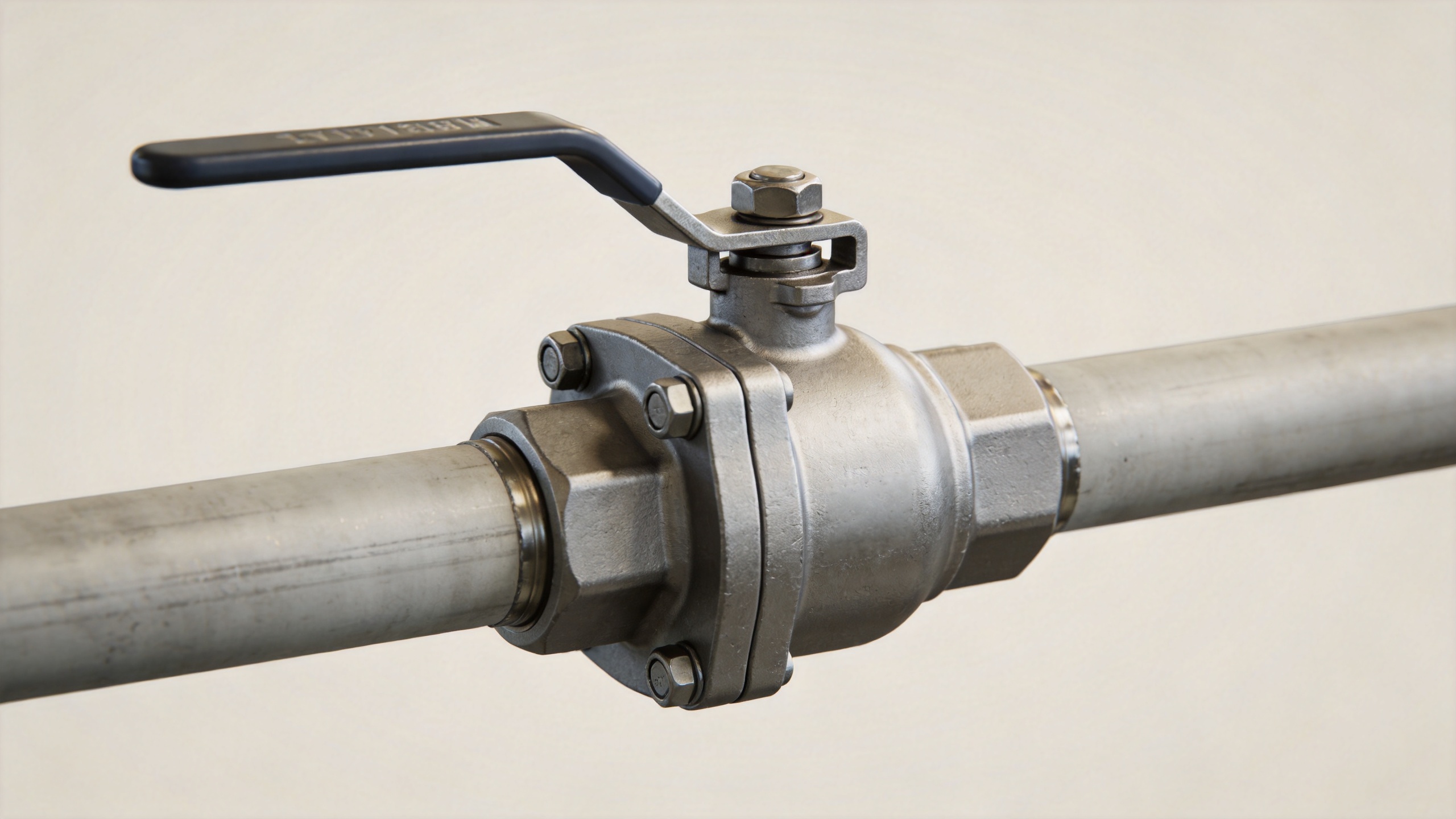
Those are useful reasons to consider the design, not blanket advantages. A compact body does not by itself establish pressure capability, chemical compatibility, or ease of maintenance. Those questions have to be checked together.
The Selection Conditions Behind a “Standard” Choice
A Manual Ball Valve becomes a sound standard option when the service conditions support manual, quarter-turn isolation. Start with the medium rather than the valve name. Water, air, oils, gases, slurries, and chemically active fluids can impose different requirements on body material, ball material, seals, and seats. The stated fluid name may not be enough: concentration, solids, vapor tendency, cleaning chemicals, and temperature can change the selection.
Next, verify the working pressure and temperature as a pair. A nominal pressure label is not a substitute for the manufacturer’s pressure-temperature rating for the exact materials and seat design. Where project specifications call for a recognized standard, confirm its actual scope. For example, API 608 concerns certain metal ball valves with flanged, threaded, and welding ends; it should be treated as a specification requirement to verify, not as a generic claim about every ball valve. ASME B16.34 is another commonly relevant reference for valves with flanged, threaded, and welding ends, including pressure-temperature ratings and construction requirements.
Connection and bore selection then affect the installed result. Threaded, flanged, socket-weld, butt-weld, and sanitary connections address different assembly and maintenance needs. A full-port arrangement may be important where pressure loss, cleaning access, or passage of piggable media is a concern, while a reduced-port option may be acceptable when the process permits it. The pipe size alone does not resolve that choice.
Manual Operation Is a Duty Decision
Manual operation works particularly well where access is safe, the valve is operated infrequently, and a person can apply the needed torque without awkward posture or excessive effort. Saying that a manual valve is “simple” can hide an important qualification: the required operating torque changes with size, pressure differential, seat design, and service condition. A manual handle that is convenient on a smaller line may not be the right answer on a larger valve or a difficult service.
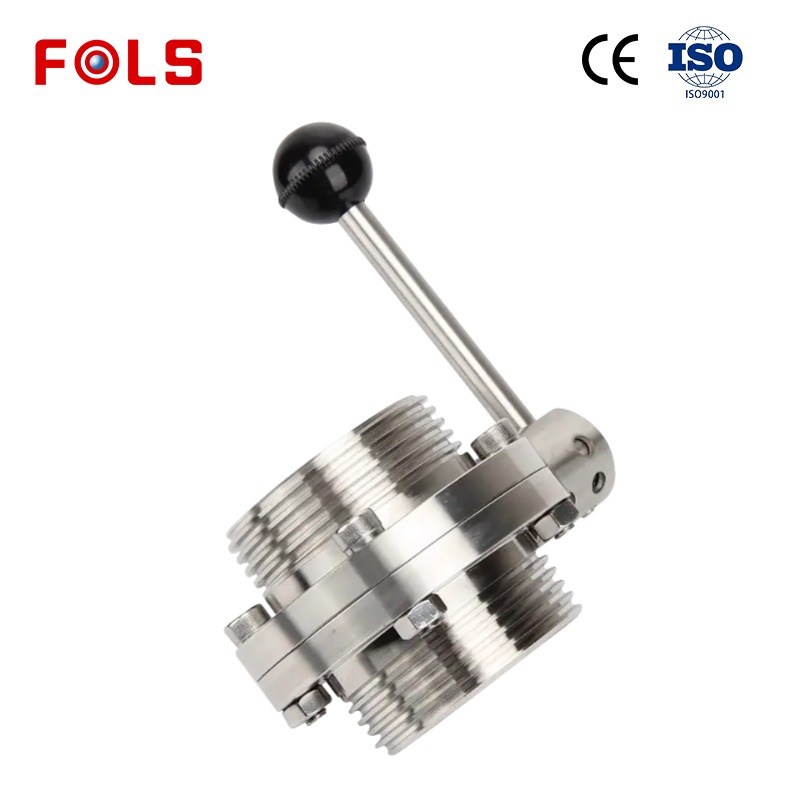
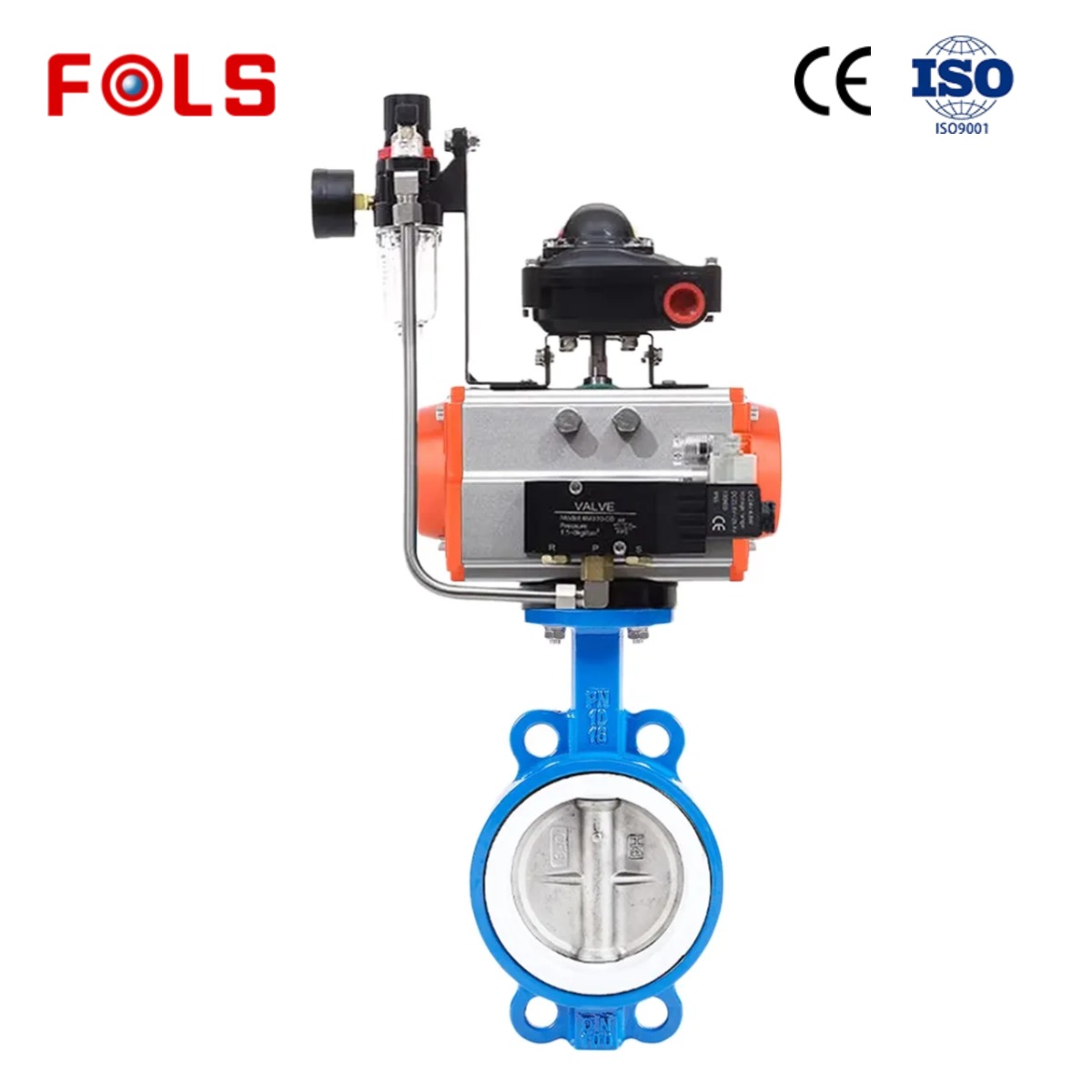
This is where comparisons with a high pressure butterfly valve should stay condition-based. A butterfly valve may offer a different size, weight, and actuator-mounting profile, especially in larger lines. A ball valve may be preferred for a particular isolation or bore requirement. Neither conclusion should be made from pressure class or valve type alone; the seal arrangement, material limits, shutoff expectation, torque, and installation envelope all matter.
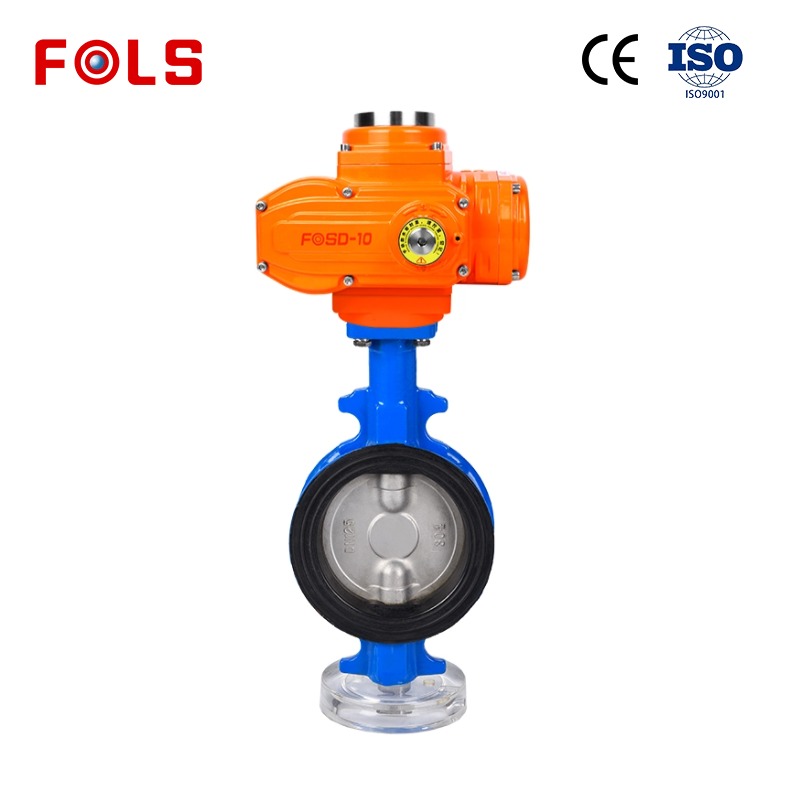
Similarly, an 8 inch butterfly valve is not simply a larger substitute for a manual ball valve. At that diameter, operators should review space, manual torque, line support, flow characteristics, and whether remote or frequent operation is required. The useful question is not which form is universally better. It is which configuration meets the documented duty with manageable operation and maintenance.
Where a Manual Ball Valve May Not Be the First Choice
A Manual Ball Valve may be less suitable when the valve must cycle frequently, sit in an inaccessible area, respond automatically to a process signal, or provide carefully controlled throttling. In those cases, an actuated valve, a control valve, or another valve geometry may be worth evaluating. Very high differential pressure, elevated temperature, abrasive media, and large operating torque also require a more detailed engineering review.
The same caution applies to safety and maintenance. Confirm lockout requirements, handle clearance, operator reach, isolation procedures, and the location of the valve relative to nearby equipment. A valve that is technically compatible but hard to access during a shutdown can create avoidable operating friction. It is more useful to make unknowns visible early than to assume a standard configuration will cover them.
A Practical RFQ Checklist
Before requesting a quotation for a Manual Ball Valve, assemble the details that determine the actual configuration:
- Process medium, concentration, solids content, and cleaning or flushing media.
- Normal and maximum pressure, plus normal and maximum temperature.
- Line size, end connection, face-to-face or installation-space constraints, and preferred bore.
- Required shutoff duty, allowable leakage criteria where applicable, and direction-of-flow considerations.
- Body, ball, stem, seat, and seal material requirements.
- Manual operating frequency, access conditions, handle orientation, and lockout needs.
- Applicable project standards, inspection documents, testing expectations, and identification requirements.
That checklist turns “send a manual ball valve” into a specification that can be reviewed against the real piping conditions. It also makes it easier to compare a Manual Ball Valve with a high pressure butterfly valve or an 8 inch butterfly valve on common technical ground rather than on a product name alone.
Conclusion
A Manual Ball Valve remains a standard piping choice because its quarter-turn action, direct local control, recognizable position, and configurable construction fit many isolation duties. Its value is strongest when the service is properly defined and manual operation is realistic. Confirm the medium, pressure-temperature boundary, materials, connection, bore, torque, access, and project requirements before final selection. That approach helps keep a familiar valve choice aligned with the system it must serve.
 Hot News





