
 EN
What Is an Electric Butterfly Valve and Its Advantages?
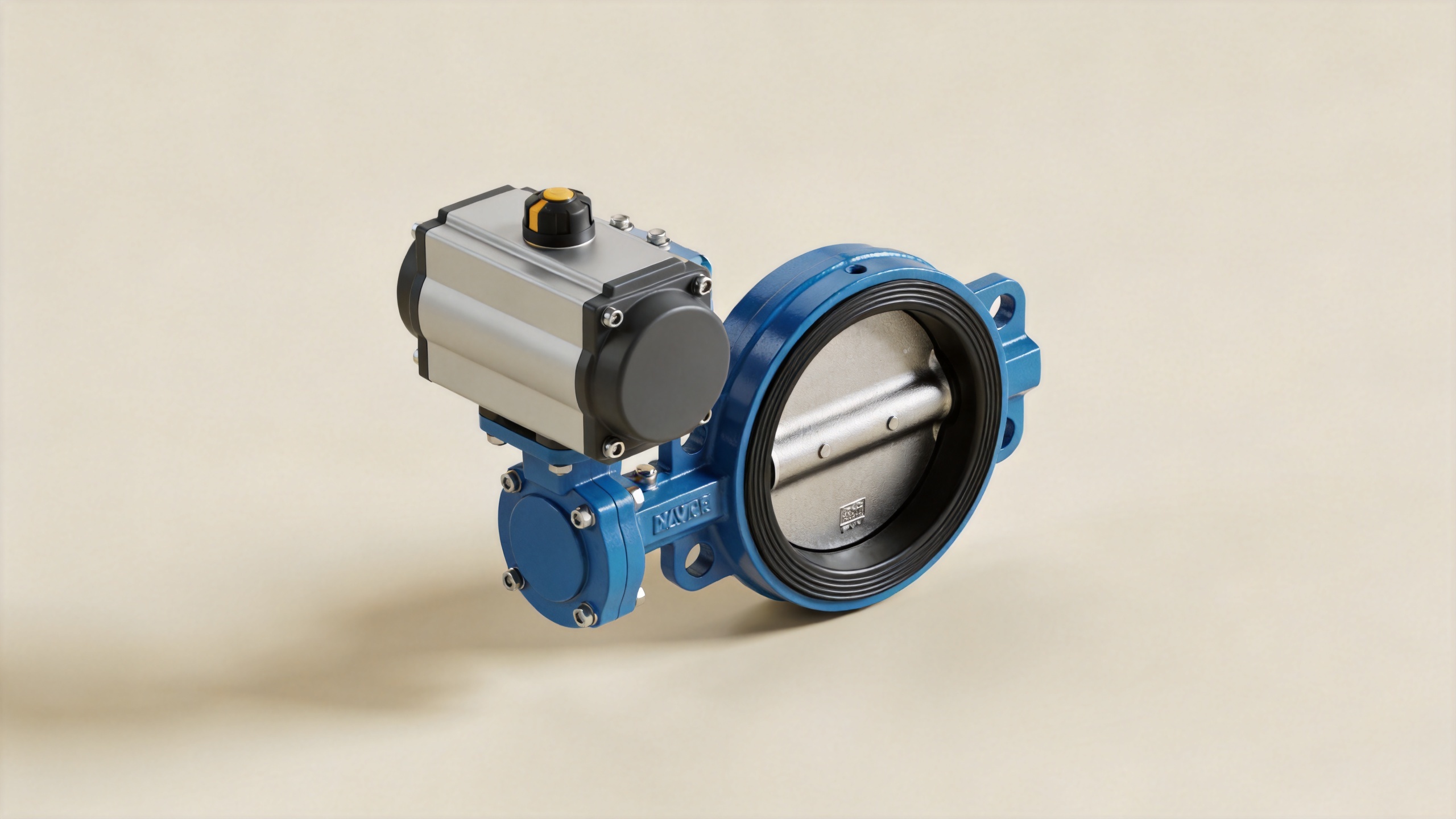
An Electric Butterfly Valve combines a compact quarter-turn butterfly valve with an electric actuator. The disc inside the valve rotates around its stem: parallel to the flow path, it allows flow; turned across the path, it restricts or shuts off flow. The actuator replaces a hand lever or gearbox, allowing an operator or control system to command that motion electrically.
For an automation-control engineer, the useful way to assess an Electric Butterfly Valve is not to start with the motor. Start with the process: medium, pressure and temperature, line size, required shutoff, operating frequency, and the signal available from the control system. The valve body and actuator must work as one assembly.
How an Electric Butterfly Valve Works
The butterfly valve body contains a circular disc mounted on a shaft. A quarter-turn action moves the disc between open and closed positions. An electric actuator converts electrical energy into controlled rotary motion and couples that motion to the shaft. Depending on the selected actuator, the assembly can operate as simple on/off isolation or move to intermediate positions for modulating flow.
Many Electric Butterfly Valve packages are specified with limit switches to indicate end positions. More advanced control arrangements can accept an analog signal or a digital control command and return status feedback. Those options should be selected for the actual automation architecture rather than added by default.
Why Use Electric Actuation?
The main advantage is controllability at a distance. A valve installed on a tank line, an elevated pipe run, or a restricted-access utility loop can be operated from a local station or an integrated control system. This can make routine isolation more repeatable and reduce the need for manual intervention, provided that the electrical supply, enclosure rating, and controls are appropriate for the site.
- Compact automation: A butterfly valve’s quarter-turn movement suits compact rotary electric actuators.
- Fast, consistent operation: Defined actuator travel can provide repeatable open and close positions for scheduled or interlocked processes.
- Control-system compatibility: On/off commands, position feedback, and modulating control can be selected to fit the control philosophy.
- Lower dependence on compressed air: Electric actuation can be practical where electrical power is available but instrument air is not.
- Space-conscious layout: The valve’s slim body can be useful where piping layouts do not favor a longer linear-motion valve.
Where an Electric Butterfly Valve Is Commonly Used
An Electric Butterfly Valve can be considered for water handling, HVAC loops, wastewater treatment, building services, and selected industrial utility lines. Suitability depends on the valve design, disc and seat materials, pressure-temperature limits, media characteristics, and required shutoff performance. In corrosive, abrasive, high-temperature, or critical-isolation service, the process specification should drive the final choice.
For example, a hot water balancing valve serves a different system objective: it helps establish or maintain hydraulic balance in a water circuit. It should not be treated as a substitute for an electrically actuated isolation or control valve simply because both appear in water systems. Specify each component around its intended duty.
Key Advantages for Industrial Projects
Remote isolation and safer operating routines
With suitable controls, an Electric Butterfly Valve can be commanded without sending personnel to the valve location for each routine operation. This is especially useful when access is inconvenient. It does not remove the need for lockout, maintenance procedures, or confirmation of the actual valve position.
More consistent process control
For applications that need more than open/closed duty, a modulating Electric Butterfly Valve can move the disc to commanded intermediate positions. The quality of control still depends on actuator resolution, signal calibration, valve sizing, fluid dynamics, and the control loop—not on the actuator label alone.
A practical alternative in the right service
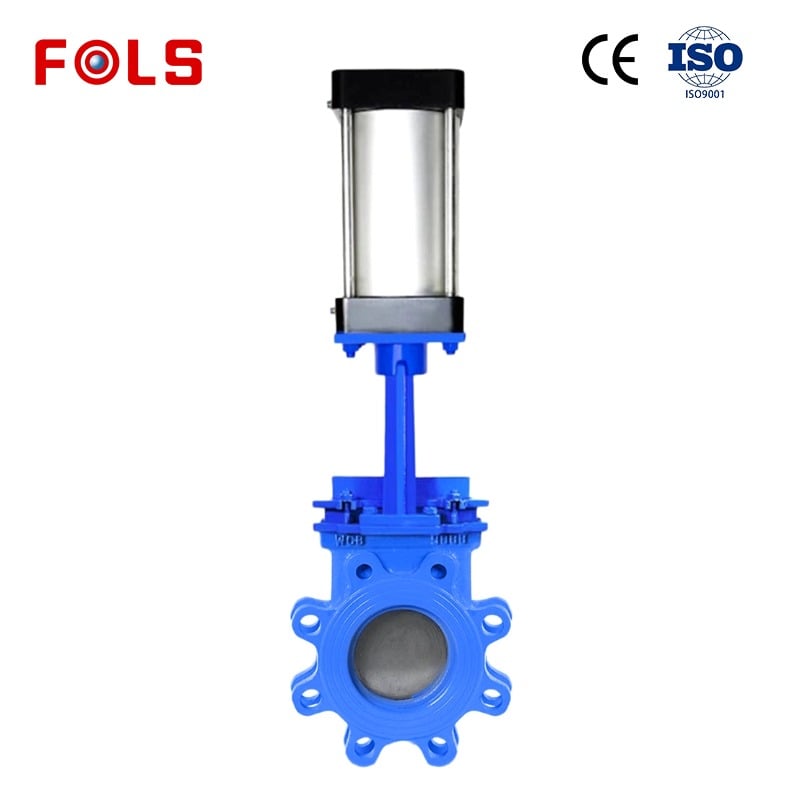
Compared with some rising-stem valves, the short face-to-face form of a butterfly valve can simplify certain piping layouts. However, comparisons with gate valve manufacturers should focus on service conditions rather than broad claims. Gate valves, butterfly valves, ball valves, and globe valves have different strengths in isolation, throttling, pressure drop, maintenance access, and material options.
How to Select an Electric Butterfly Valve
A reliable selection review separates valve-body decisions from actuator decisions. Ask the supplier to confirm both sets of information against the same operating conditions.
- Define the medium and temperature. Identify whether the fluid is clean water, treated water, slurry, chemical media, oil, gas, or another service. Confirm compatibility for the body, disc, stem, seat, and seals.
- Confirm size, connection, and pressure conditions. Match nominal size, flange or wafer/lug arrangement, pressure rating, and installation orientation to the line design.
- Establish shutoff and control duty. Decide whether the valve is for isolation, throttling, or modulating control. A control application needs clear positioning and signal requirements.
- Size actuator torque from real demand. The actuator’s available torque must exceed the maximum torque required to operate the valve under expected conditions. Consider seating, breakaway, media effects, cycle frequency, and any required engineering allowance.
- Match power and controls. Check supply voltage, phase, enclosure and environmental requirements, run time, manual override needs, limit switches, feedback, and command signal.
- Plan maintenance access. Leave room to inspect the actuator, wiring entries, coupler, and valve fasteners. Accessibility often affects lifecycle cost more than a small difference in initial purchase price.
Common Mistakes to Avoid
Do not choose an Electric Butterfly Valve only by pipe diameter. A correctly sized bore does not prove that the seat material, torque output, pressure rating, or control function fits the service. Another frequent issue is treating a standard on/off actuator as though it can provide stable modulating control. Finally, avoid assuming that an electric actuator creates a fail-safe position during power loss; the required behavior must be designed and verified for the specific assembly.
Maintenance Considerations
Routine checks should cover external leakage, mounting fasteners, wiring and cable glands, actuator travel, position indication, and abnormal noise or heat. Process changes can alter the torque needed to operate an Electric Butterfly Valve, so inspect performance after changes in media, temperature, solids content, or operating frequency. Follow the manufacturer’s service instructions for lubrication, seal inspection, and electrical work.
Conclusion
An Electric Butterfly Valve is a quarter-turn valve-and-actuator assembly that brings remote operation and control-system integration to many piping applications. Its advantages are most meaningful when the valve body, seat, actuator torque, power supply, control signal, and maintenance conditions are specified together. A disciplined selection checklist helps buyers choose an assembly that suits the process instead of merely fitting the pipe.
 Hot News





