
 EN
How Pneumatic Butterfly Valve Speeds Up Industrial Processes
When a process line loses minutes at every changeover, the useful question is not simply whether automation is faster than a hand lever. It is whether the valve, actuator, air supply, controls, and piping arrangement can make a repeatable movement at the point where the process needs it. A Pneumatic Butterfly Valve can help shorten routine isolation and switching because compressed air drives a quarter-turn disc instead of asking an operator to travel to the valve and turn it manually. The result is not a universal cycle-time promise; it is a controllable path to faster, more consistent valve action when the assembly is correctly specified.
For facilities in water treatment, chemical transfer, building materials, and utility piping, that distinction matters. A quick valve motion has value only if it suits the fluid, pressure, temperature, duty cycle, and safety logic. This article explains where a Pneumatic Butterfly Valve speeds a process, what can slow it down, and which checks should happen before commissioning.
Why a Pneumatic Butterfly Valve Can Reduce Process Delays
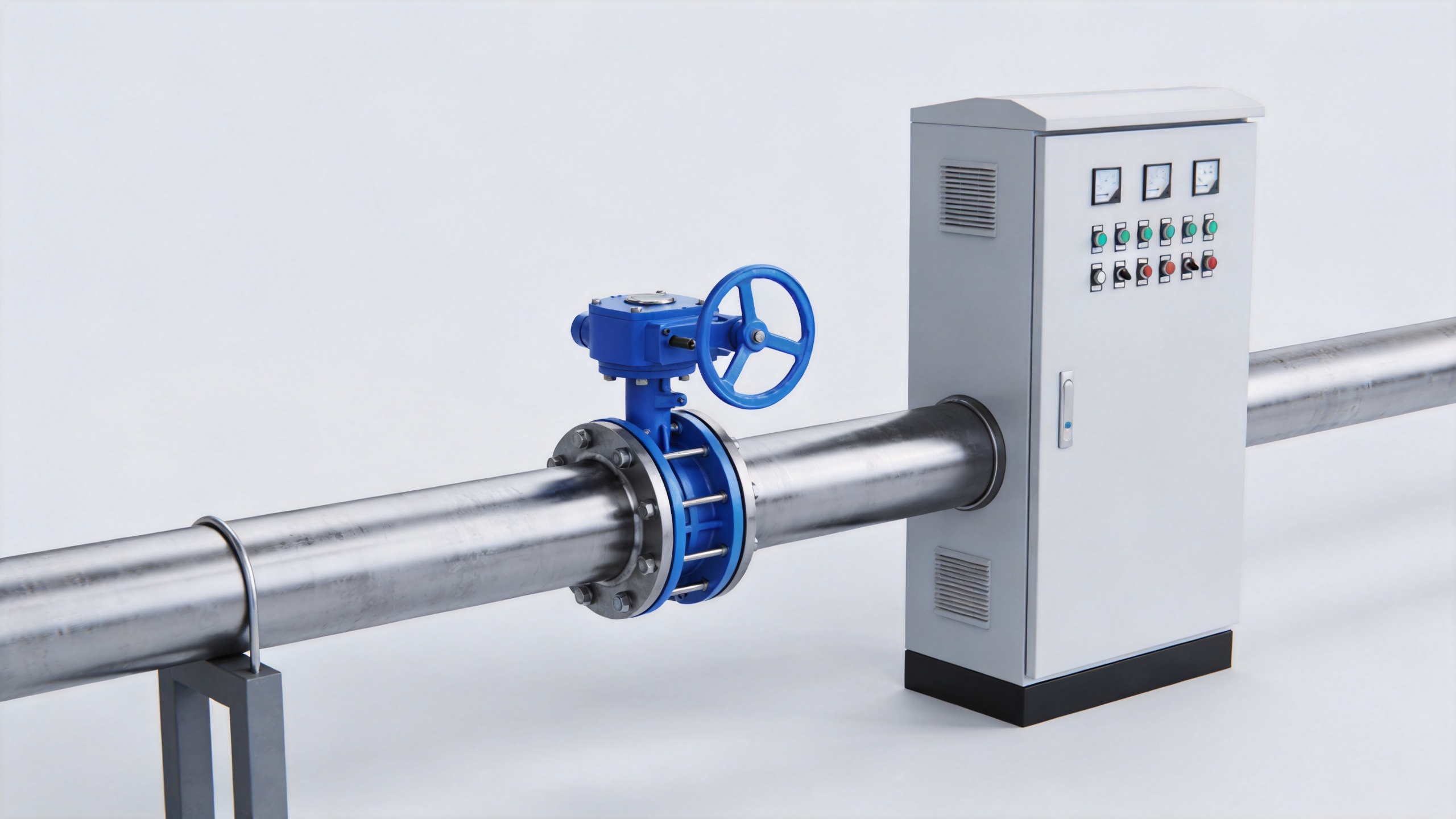
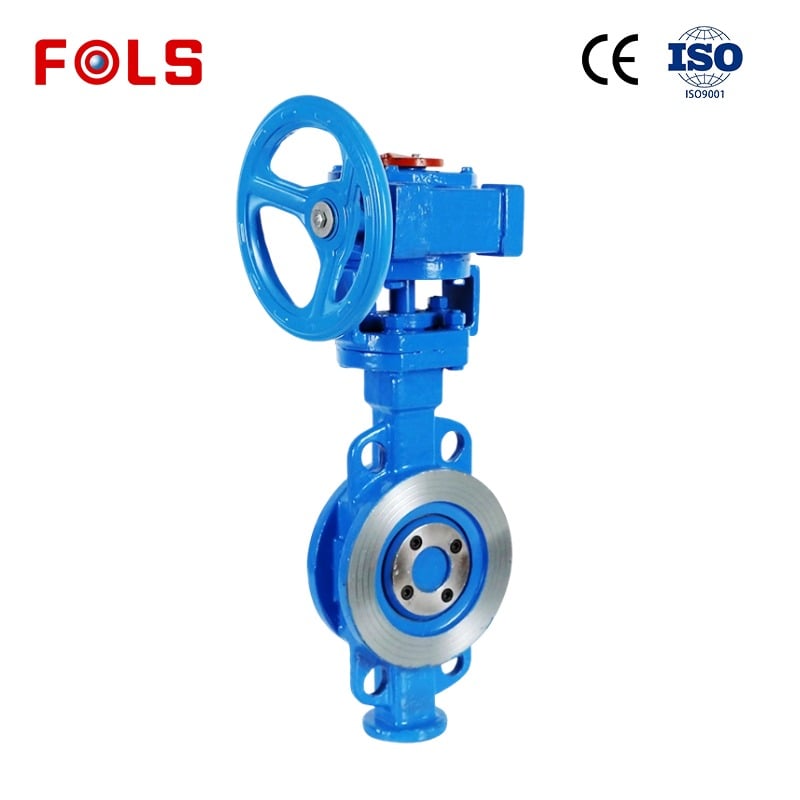
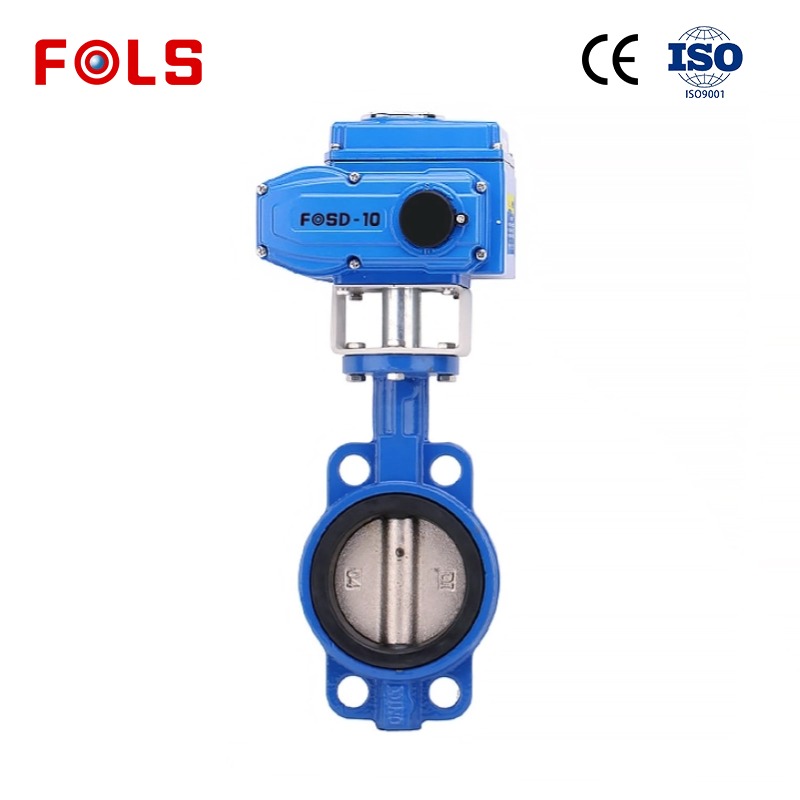
A butterfly valve uses a disc that rotates roughly 90 degrees between open and closed positions. With a pneumatic actuator, an air signal supplies the turning force. Compared with a manually operated point in a long or restricted line, the operator no longer has to reach the valve, apply torque, and report completion. The control system can initiate the movement from a panel or a programmed sequence.
That change helps in several practical ways:
- Shorter response chain: a control signal can energize a solenoid and send air to the actuator without waiting for manual intervention.
- Repeatable travel: a correctly adjusted actuator reaches the same end positions cycle after cycle, supporting consistent batching, flushing, and line isolation.
- Sequenced operation: a Pneumatic Butterfly Valve can be coordinated with pumps, level switches, interlocks, or other valves so that the next process step starts only after the required position is confirmed.
- Less exposure at the valve location: remote actuation can reduce unnecessary operator movement around hot, wet, elevated, or hard-to-access pipework, subject to the plant's safety design.
The valve itself is only one part of the timing chain. Air pressure, available flow, tubing size and length, solenoid capacity, actuator volume, and valve torque all influence the real opening and closing time. Treating the Pneumatic Butterfly Valve as a complete assembly is more useful than selecting an actuator from a catalog by valve size alone.
The Speed Mechanism: Quarter-Turn Motion Plus a Proper Air Path
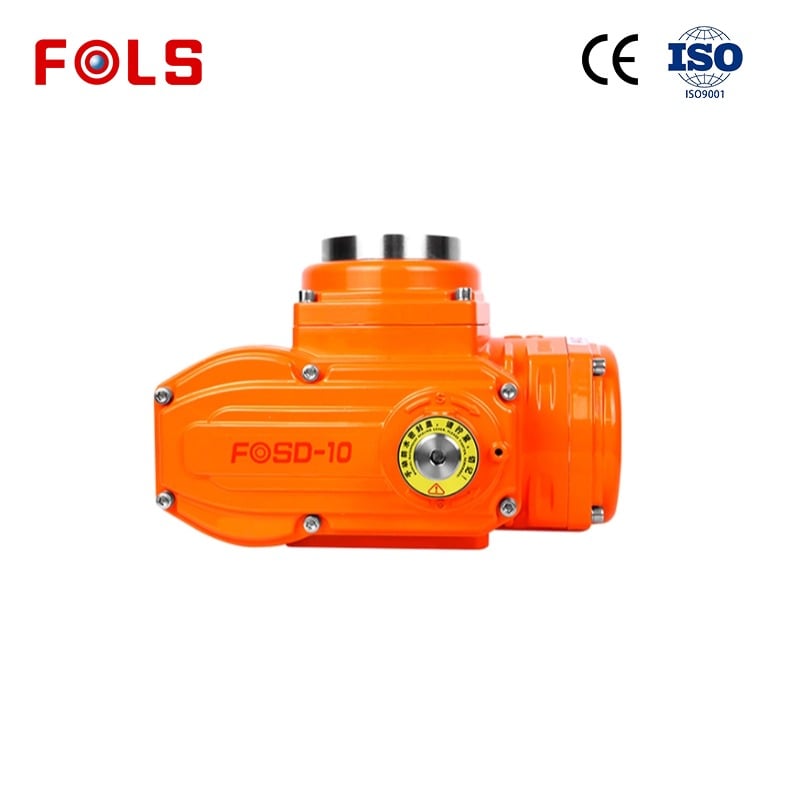
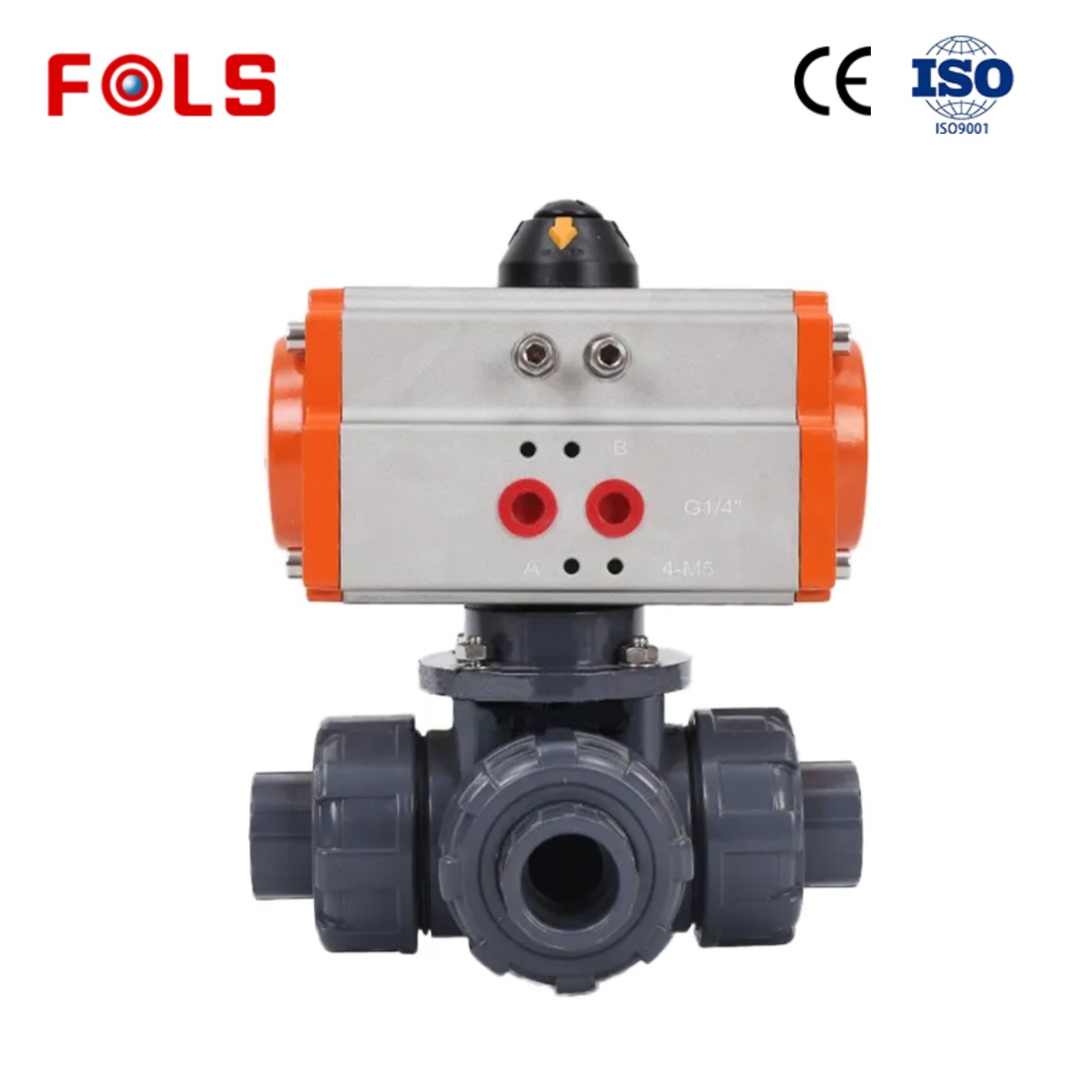
A pneumatic actuator converts compressed air into rotary movement. Double-acting designs use air for both opening and closing. Spring-return designs use air in one direction and a spring in the other, which can support a chosen fail position when it matches the risk assessment. Neither design is automatically faster in every application; the decision should begin with the required fail action, the control philosophy, and the available air system.
Actuator sizing deserves special attention. A unit that lacks torque may hesitate near breakaway or fail to seat against process forces. Yet excessive actuator volume can also increase the air volume that must move during a stroke. The practical objective is adequate torque across the full operating range, with a realistic safety margin, rather than the largest actuator available.
Air-path restrictions are another common source of lost speed. Long, narrow tubes; undersized fittings; dirty filters; a low-flow solenoid; or unstable supply pressure can make a properly selected Pneumatic Butterfly Valve appear slow. During commissioning, measure the actual travel time under representative line conditions instead of relying solely on a no-load bench cycle.
Where Faster Valve Action Improves the Process
Batching and changeovers
In batching lines, a delayed isolation point can create unwanted carryover or slow the start of the next phase. A Pneumatic Butterfly Valve supports repeatable open-close commands, especially when position feedback confirms that the disc has reached the intended end state. The process engineer should still set delays around pump coast-down, pressure equalization, and any required drain or vent operation.
Water and wastewater control
Water-treatment and wastewater systems often use multiple isolation points across large pipe runs. Automation can reduce the time required to reroute flow, isolate a train, or begin a backwash sequence. The valve materials, seat compatibility, and air preparation should be assessed for the actual water quality and ambient conditions; faster motion does not remove normal maintenance requirements.
Chemical and utility lines
For chemical transfer or plant utilities, a Pneumatic Butterfly Valve can be included in permissive logic that prevents a pump from starting until the line is in the correct state. This can reduce waiting between steps and make abnormal conditions easier to detect. Confirm the chemical compatibility of the body, disc, seat, and seals before selecting the valve, and keep the control sequence aligned with the site's shutdown procedures.
Do Not Confuse Isolation Speed With Check-Valve Duty
A butterfly valve is a positive, commanded flow-control or isolation device. A check valve serves a different purpose: it responds to flow direction and helps prevent reverse flow. A hydraulic check valve, for example, may be essential in a hydraulic circuit where reverse movement must be controlled without an external command. It does not replace the controlled quarter-turn action of a Pneumatic Butterfly Valve.
The same distinction matters in smaller branches. A 1.5 check valve may be selected to protect a pump connection or branch line from backflow, while the Pneumatic Butterfly Valve manages the scheduled opening or isolation of a larger process section. In a well-designed P&ID, each device has a separate job. Trying to use one valve type to solve both problems can create slow sequences, pressure disturbances, or maintenance confusion.
Five Checks Before You Expect Faster Cycles
- Define the operating duty. Record medium, pressure, temperature, line size, frequency of operation, and whether the valve is for on/off isolation or modulating service.
- Verify torque through the full stroke. Consider breakaway, running, and seating torque as well as differential pressure and seat effects. Confirm the supplier's torque data for the actual configuration.
- Match the actuator action to the fail requirement. Choose double acting or spring return based on the safe position required during air or power loss, not on perceived speed alone.
- Engineer the air circuit. Check supply pressure stability, filter-regulator condition, solenoid flow capacity, tubing length, fittings, and exhaust path. A fast actuator cannot compensate for a restricted air path.
- Confirm mounting and feedback. A suitable standardized part-turn mounting interface can simplify assembly, but the exact interface and coupling must be verified. Add position feedback when the control sequence needs confirmed open or closed status.
How to Commission a Pneumatic Butterfly Valve for Reliable Speed
Start with a controlled functional test. Stroke the valve several times with the line in a safe condition, record opening and closing times, and compare the results at expected operating pressure. Then repeat the test under representative process load if site procedures allow. If travel is inconsistent, inspect air pressure at the actuator, solenoid response, tubing restrictions, actuator adjustment, and valve torque rather than immediately increasing actuator size.
Next, check the control logic. The command, physical movement, and feedback signal should agree before a pump, mixer, or downstream valve proceeds. Include realistic timing allowances where pressure must equalize or equipment must coast down. This prevents a nominally fast Pneumatic Butterfly Valve from creating a rushed sequence elsewhere in the system.
Choose Speed That Supports Control, Not Just a Shorter Stroke
The strongest case for a Pneumatic Butterfly Valve is not simply that it can move quickly. It is that a correctly engineered assembly can deliver timely, repeatable valve action inside a controlled process. For industrial buyers, the selection conversation should cover torque, air quality, tubing and solenoid capacity, fail position, feedback, materials, and the process sequence together.
FOLS Valve works with industrial valve and automation-control requirements across applications such as drainage, environmental water treatment, building materials, oil, and chemical processing. For a project review, prepare the line conditions, valve size, target action, control signal, and maintenance constraints so the valve and actuator configuration can be evaluated against the actual duty.

 Hot News