
 EN
What Is an Electric Actuator and Its Core Industrial Features?
An Electric Actuator converts electrical energy into controlled mechanical motion. In an industrial valve assembly, that motion opens, closes, or positions the valve without requiring an operator to turn a handwheel. The practical value is not simply remote operation. A correctly specified Electric Actuator gives a control system a repeatable way to move a valve, receive a position signal, and fit the duty of the process.
From an industrial valve application engineer’s perspective, an Electric Actuator should be considered alongside the medium, pressure, temperature, valve torque, operating frequency, and required control method. The valve and the actuator form one operating system. A strong actuator on an unsuitable valve, or a suitable valve paired with the wrong duty rating, can still create unreliable operation.
How an Electric Actuator Works
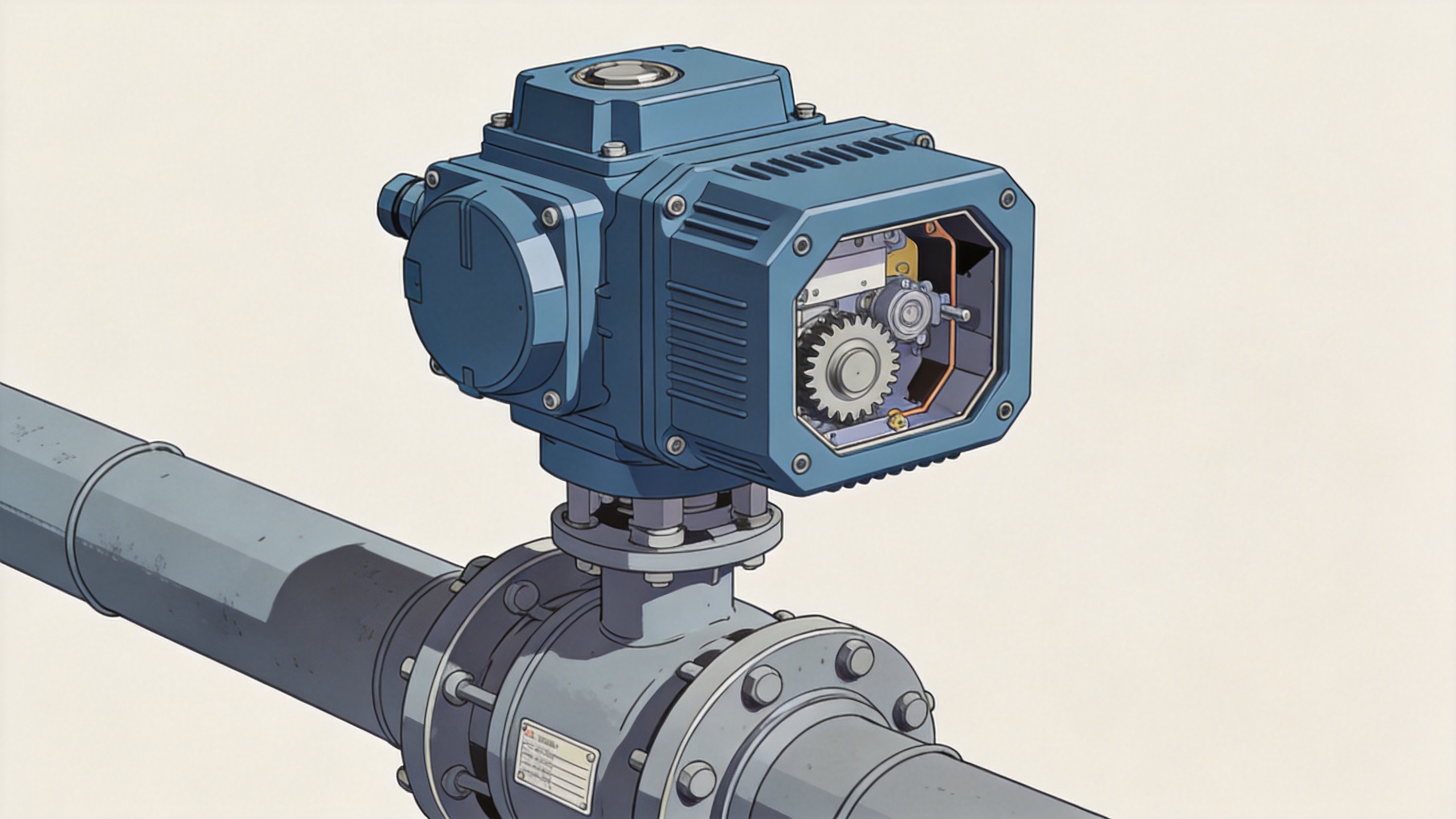
Most valve-oriented electric actuators use an electric motor, a gear train, and an output drive to turn or move a valve stem. A control circuit receives an open, close, stop, or positioning command. Limit switches or position feedback tell the system when travel has reached a defined point. Depending on the design, torque sensing or torque switches can help protect the valve and actuator when resistance rises beyond the expected level.
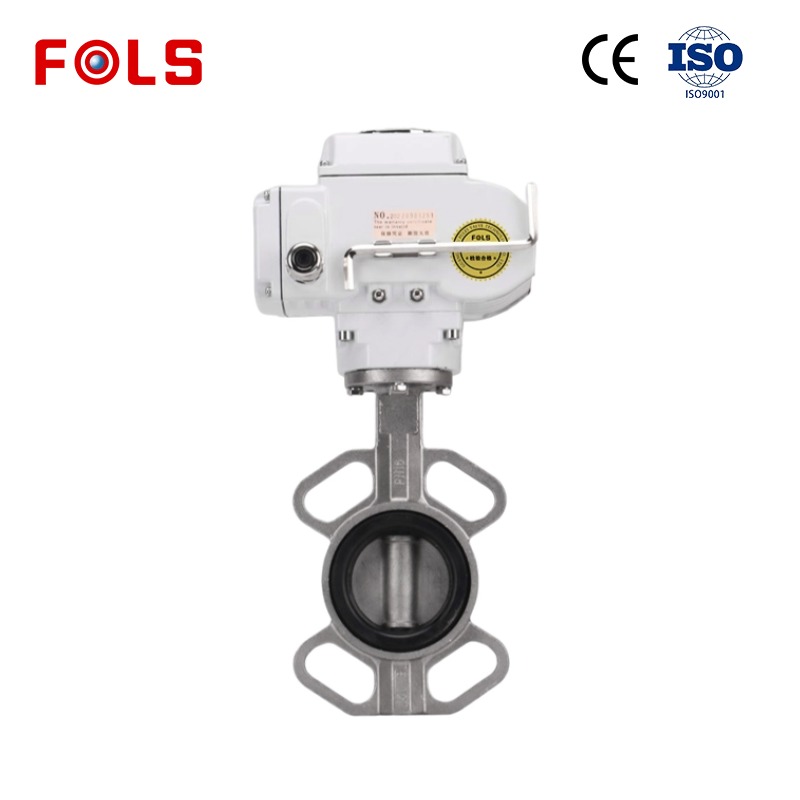
For quarter-turn valves such as many ball and butterfly valves, an Electric Actuator normally produces rotary motion over a limited angle. For gate, globe, or other rising-stem arrangements, the Electric Actuator may provide multi-turn or linear movement through an appropriate drive arrangement. The central question is not which description sounds more advanced; it is whether the output motion and force match the valve’s actual operating demand.
Core Industrial Features to Evaluate
Output torque or thrust
Torque is the turning force required for a rotary valve, while thrust is more relevant to linear stem movement. Both should be checked against the valve manufacturer’s requirements under the real differential pressure, temperature, medium, and seat condition. Breakaway, running, and seating requirements can differ. A nameplate rating alone does not prove a match, because the governing load can occur at the beginning, middle, or end of travel.
Do not select an Electric Actuator only by the nominal valve size. The same valve size can need different torque or thrust when its pressure class, sealing materials, service medium, and operating history change. It is also important to confirm the valve stem’s allowable load so that excessive actuator output does not transfer damage into the valve during a jam or abnormal condition.
Motion type and mounting interface
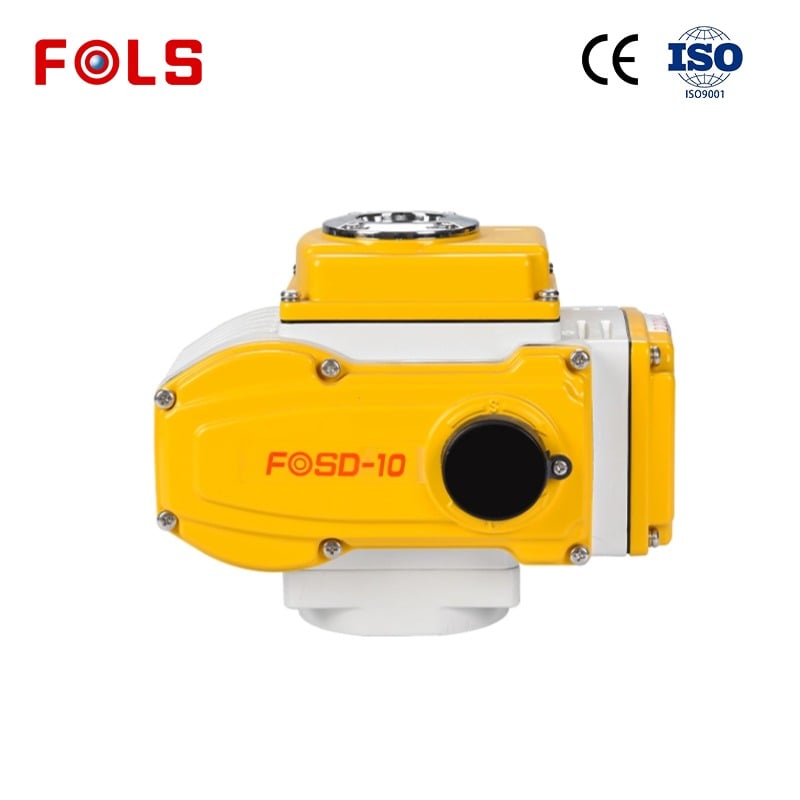
Part-turn, multi-turn, and linear layouts solve different motion problems. A part-turn Electric Actuator is commonly paired with rotary valve stems. Multi-turn units are used where repeated turns are needed, while a linear arrangement is used where direct travel is required. The mounting flange, stem connection, drive coupling, and travel limits all need confirmation as a set. A mechanically convenient mounting pattern is not enough if the output direction, stroke, or travel stops do not suit the valve.
Duty cycle and operating frequency
Duty describes how often and how long the actuator must operate. An on/off isolation valve that moves a few times a day has a different thermal and mechanical demand from a valve that continually adjusts flow. EN 15714-2 is commonly referenced for basic requirements for electric actuators used with industrial valves, including part-turn, multi-turn, and linear classifications. The applicable edition and the supplier’s documentation should still be verified for the project.
Continuous modulation can expose limitations in motor heating, gearing, control electronics, and feedback resolution. If the process needs frequent positioning, state that requirement early in the inquiry. It affects selection more directly than a generic request for an Electric Actuator.
Control, feedback, and fail-position requirements
A basic Electric Actuator may accept simple open/close commands. A more integrated arrangement can provide position feedback, local controls, alarms, or an analog or digital control interface. These options matter when the actuator must communicate with a PLC, DCS, or building automation system. Specify the control signal, power supply, required feedback, cable entry, and local/remote operating expectations rather than assuming all electric actuators provide the same functions.
Fail-safe behavior requires separate attention. Many electric designs hold their last position when power is removed; others may use a spring-return, battery, capacitor, or separate safety arrangement. Whether a valve should fail open, fail closed, or remain in position depends on process safety and must be confirmed at the system level.
Environmental protection and maintainability
Enclosure protection, ambient temperature, humidity, corrosive exposure, vibration, and installation space all influence the appropriate Electric Actuator. An enclosure rating should be reviewed with the actual installation conditions, not used as a blanket promise of suitability. Access for manual override, wiring, inspection, and replacement also deserves attention. A compact assembly may be attractive until routine maintenance requires more clearance than the piping layout provides.
Electric, Pneumatic Rotary, and Linear Solenoid Actuation
An Electric Actuator is often selected when electrical power and control signals are readily available and precise remote control is useful. It does not automatically replace every alternative. A pneumatic rotary actuator uses compressed air to produce rotary movement and can be a practical choice where clean, reliable air and a pneumatic control architecture already exist. Its speed, fail-safe arrangement, and torque behavior should be reviewed against the same valve and process requirements.
A linear solenoid actuator is different again: it uses electromagnetic force to create a short linear stroke. It can suit compact switching or latching tasks, but it is not a general substitute for a valve-sized Electric Actuator. Required stroke, holding force, energization time, heat generation, and duty should be evaluated before treating it as an equivalent automation option.
A Practical Selection Checklist
- Identify the valve type, stem motion, size, connection, and mounting interface.
- Confirm medium, pressure, temperature, flow conditions, and the valve’s required torque or thrust.
- Define whether operation is on/off, intermittent positioning, or continuous modulation.
- State power supply, control signal, feedback, alarm, and local-control requirements.
- Review required fail position, manual override, enclosure, hazardous-area needs, and installation environment.
- Check documentation for actuator duty, travel limits, output limits, and compatibility with the valve.
Conclusion
An Electric Actuator is a controlled motion device that helps industrial valves operate automatically, but its performance depends on how well it is matched to the valve and process. Start with torque or thrust, motion type, duty, control requirements, and environment. Then compare electric, pneumatic, and solenoid options on the same operating basis. That sequence produces a more useful specification and a clearer technical discussion before procurement or installation.
 Hot News