
 EN
What Is a Pneumatic Ball Valve and How Does It Operate?
A pneumatic ball valve is a quarter-turn isolation valve whose ball is turned by compressed air rather than by a hand lever. It combines a ball-valve body with a pneumatic actuator, so a control signal can open or close a pipeline automatically. For a pipeline operator, the important question is not simply whether a pneumatic ball valve can automate a task. It is whether the valve body, seats, actuator torque, air supply, and required fail position fit the actual service.
This distinction matters in water treatment, chemical handling, utilities, and other industrial systems where repetitive operation or inaccessible valves make manual control impractical. A pneumatic ball valve is often selected for rapid on/off duty, but reliable operation depends on details that should be verified before purchase and installation.
What is inside a pneumatic ball valve?
At its core, a pneumatic ball valve has a drilled, rotating ball inside a body. When the bore through that ball lines up with the pipeline, media can pass. When the actuator turns the ball approximately 90 degrees, the solid side of the ball faces the flow path and shuts it off. Seats around the ball provide the sealing interface, while stem seals help contain the process media around the rotating stem.
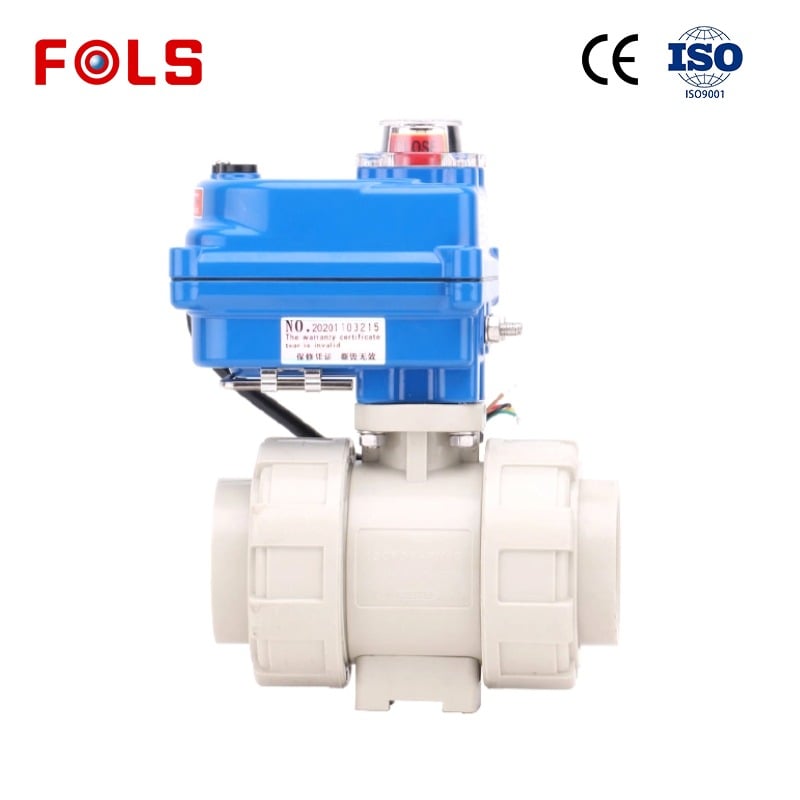
The actuator sits above the valve body and converts air pressure into rotary torque. A bracket, coupling, or direct-mount interface connects the actuator to the stem. ISO 5211 is relevant when checking a part-turn actuator attachment: the standard addresses requirements for attaching part-turn actuators, with or without gearboxes, to industrial valves. That does not mean every pneumatic ball valve uses the same interface; buyers should confirm the actual flange pattern, stem drive, and torque requirement for the chosen assembly.
How a pneumatic ball valve operates step by step
- A command is issued. A controller, manual air valve, or pilot device directs compressed air toward the actuator.
- The actuator creates motion. Air pressure moves pistons or a diaphragm mechanism, generating the torque needed to rotate the stem.
- The ball turns. The stem transfers that torque to the ball inside the valve body. A pneumatic ball valve normally moves between fully open and fully closed positions in a quarter turn.
- The flow path changes. With the bore aligned, flow is open; with the ball turned across the bore, the flow path is closed.
- The feedback and fail behavior are checked. Limit switches, positioners, or manual indicators may report status, while the actuator design determines what happens if air is lost.
In practical terms, a pneumatic ball valve needs adequate supply pressure and actuator torque throughout the stroke. Breakaway torque can be higher than running torque, especially after periods without movement or when service conditions affect the seats. Selecting only by nominal valve size can therefore lead to a valve that moves in a showroom test but struggles at the site.
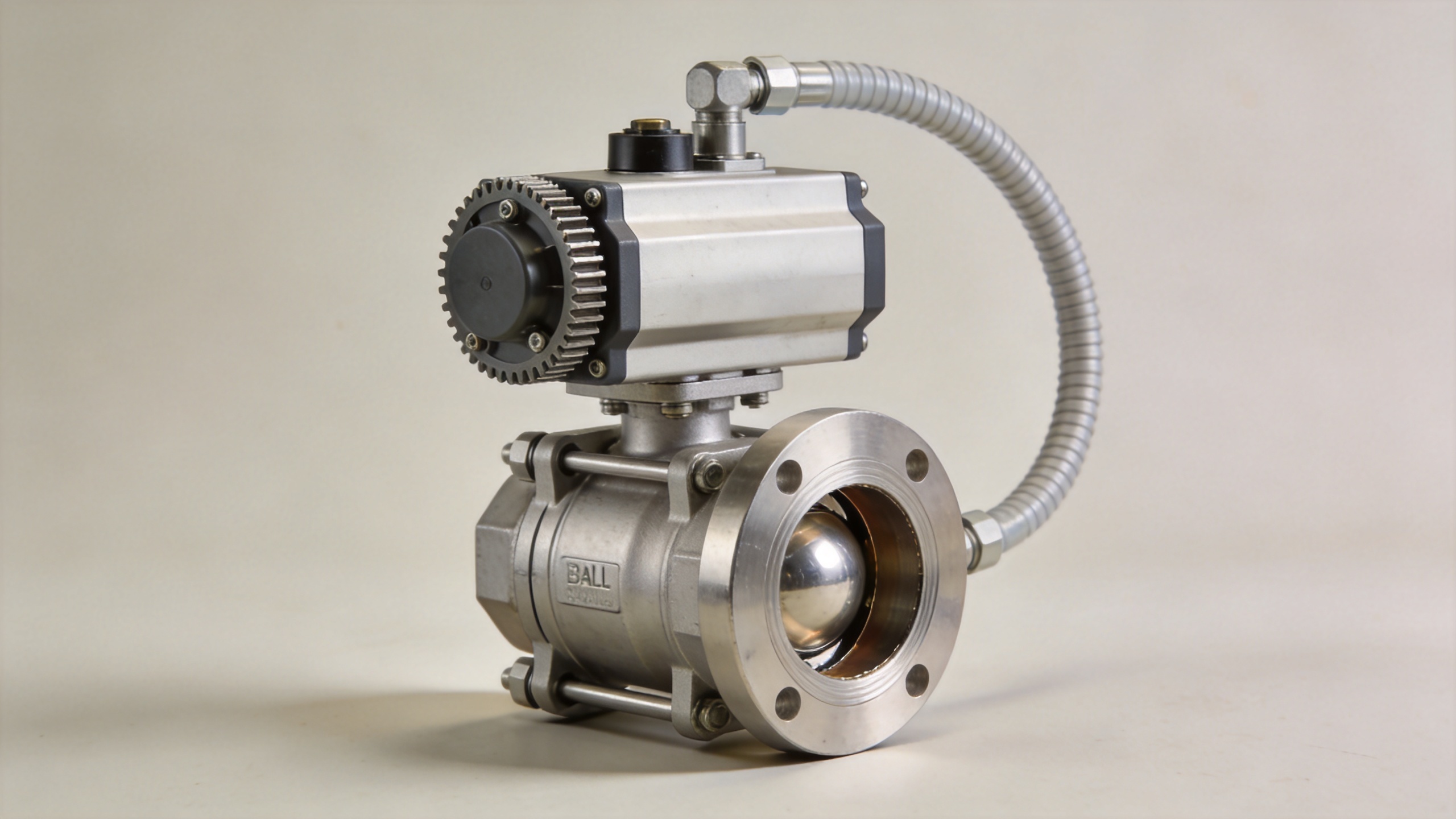
Double-acting versus spring-return actuation
A double-acting pneumatic ball valve uses compressed air to drive both opening and closing movement. It is often appropriate when the system can retain or manage its last commanded position according to the control design. A spring-return pneumatic ball valve uses air for one direction and stored spring force for the other. It is commonly considered when a defined fail-open or fail-closed response is needed after loss of air.
The correct choice is a process-safety decision, not a marketing preference. Ask what the line should do during loss of air, loss of control signal, maintenance, or an upstream shutdown. Then confirm that the selected actuator is specified to produce the required torque in both the powered and spring-driven directions under the stated conditions.
Where a solenoid valve coil fits—and where it does not
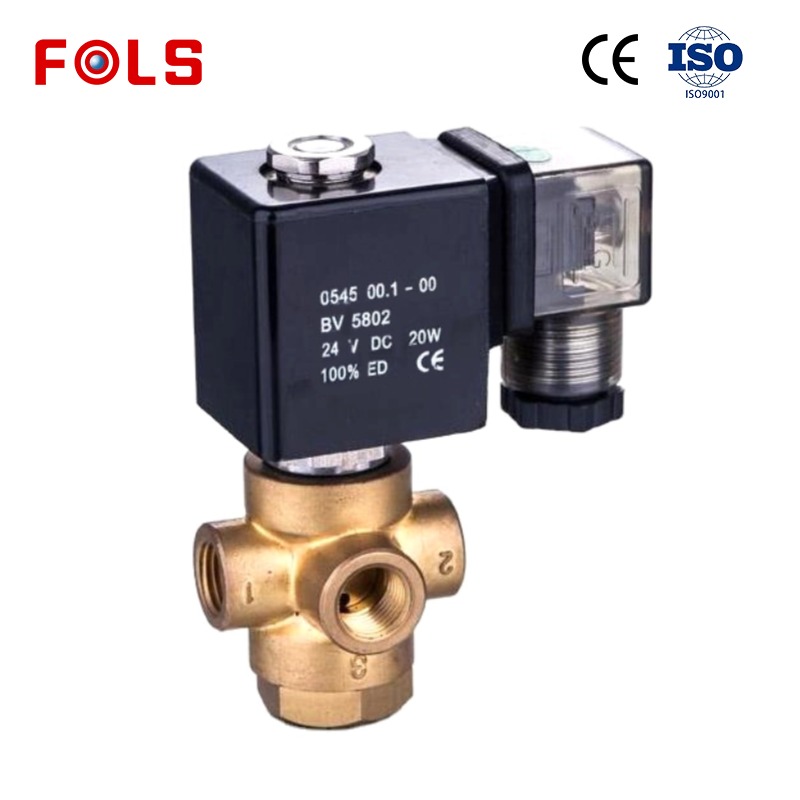
A solenoid valve coil is not the actuator of a pneumatic ball valve. It is an electromagnetic component that can energize a pilot solenoid valve, which then routes instrument air to an actuator. In a simple automated arrangement, a controller energizes the solenoid valve coil, the pilot changes air paths, and the actuator turns the ball valve.
This distinction prevents a common selection error: treating electrical pilot hardware as if it defines the valve body or actuator capacity. The coil voltage, enclosure, connector, duty cycle, and control signal must be compatible with the control system, while the pneumatic ball valve still needs its own body, seat, torque, and air-supply checks. A cryogenic solenoid valve is likewise a specialized component for low-temperature service; its presence in a broader system does not make a standard pneumatic ball valve suitable for cryogenic media. Low-temperature valve service requires a separate review of materials, sealing arrangement, temperature range, and operating procedure.
How to select a pneumatic ball valve for an application
Start with the process, then work outward to the automation hardware. The following checklist keeps the selection conversation grounded:
- Media: Identify liquid, gas, solids content, chemical compatibility, and cleanliness requirements.
- Pressure and temperature: Confirm normal, maximum, and transient conditions rather than relying only on a general pressure class.
- Valve construction: Review body material, seat material, port style, connection type, and required shutoff performance.
- Actuator: Match torque, available air pressure, duty cycle, travel time, and double-acting or spring-return behavior.
- Control accessories: Define pilot solenoid arrangement, solenoid valve coil voltage, position feedback, manual override, and enclosure needs.
- Installation and service: Check mounting orientation, accessible air fittings, cable routing, and room to remove or service the actuator.
In procurement discussions, it helps to write down the operating conditions and interface requirements before comparing prices. A lower initial price is difficult to evaluate if the mounting, fail position, air preparation, or maintenance access has not been confirmed. Treating the actuator as an afterthought can leave a pneumatic ball valve unable to meet the control requirement it was meant to solve.
Installation, maintenance, and troubleshooting basics
Before commissioning a pneumatic ball valve, verify clean and regulated air, correct tubing connections, actuator travel stops if applicable, and a safe functional test with the pipeline condition understood. Confirm that open and closed indications agree with the actual ball position. If the valve responds slowly, inspect supply pressure, restrictions, water or oil contamination, pilot operation, and exhaust paths before assuming the valve body is faulty.
For recurring maintenance, observe whether cycle time is changing, whether external leakage is appearing, and whether the actuator has sufficient surrounding service space. “Frequent operation” should be translated into actual cycles per shift and control behavior, not left as a vague label. A planned inspection based on real duty can reveal air leaks, loose mounting hardware, worn seals, or an aging solenoid valve coil before a shutdown becomes urgent.
Conclusion: specify the whole assembly
A pneumatic ball valve automates quarter-turn flow isolation by using compressed air to rotate a ball through the valve body. Its value comes from matching the complete assembly to the process: valve construction, seats, actuator torque, fail action, air quality, controls, and service access. For the next selection step, organize the media, line size, pressure, temperature, connection, available air pressure, desired fail position, and control requirements into one inquiry. That gives engineering and purchasing teams a more dependable basis for confirming a pneumatic ball valve configuration.
 Hot News