
 EN
Electric Ball Valve Use Cases in Oil and Gas Pipelines
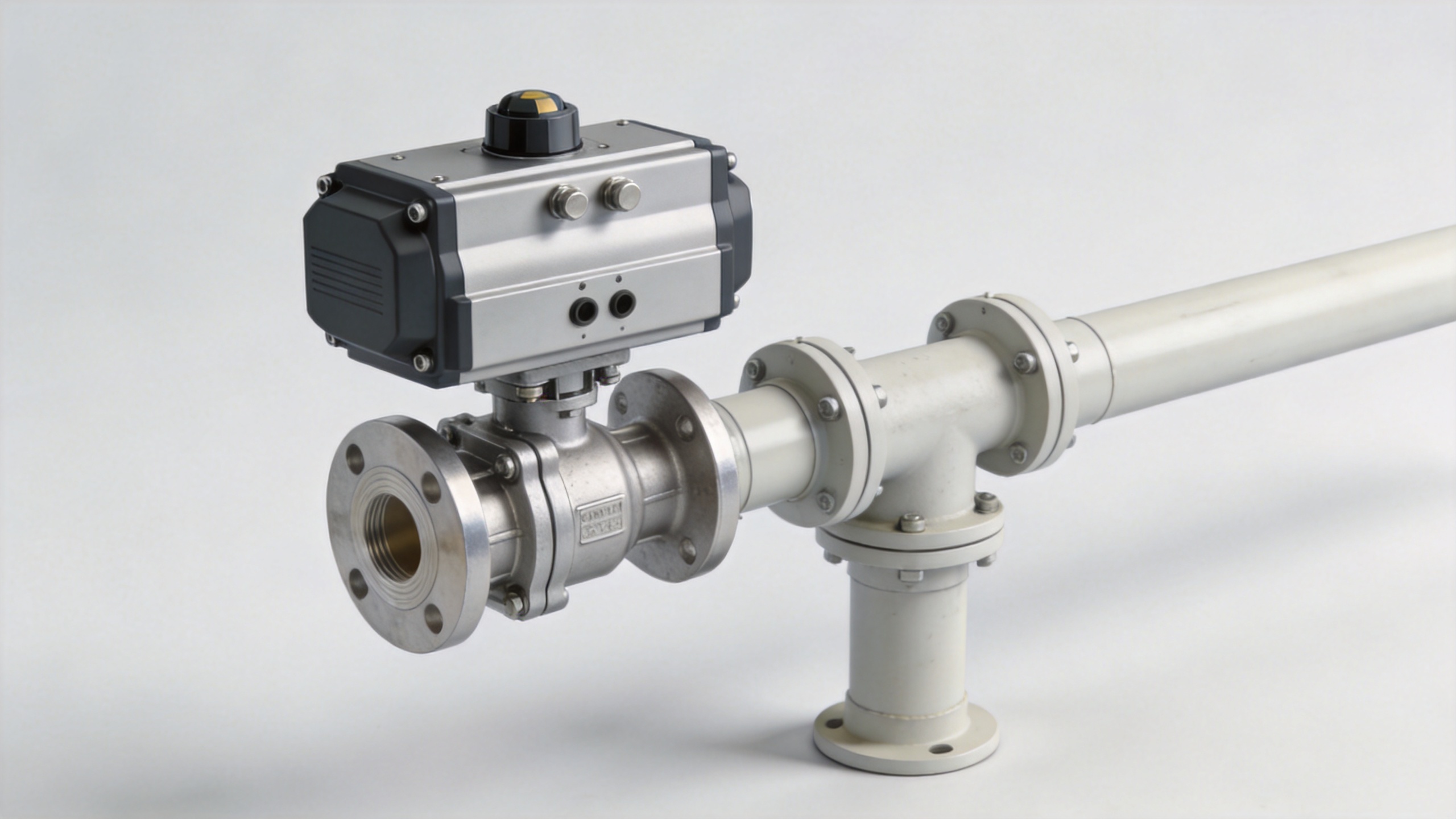
Oil and gas pipelines need more than a valve that can open and close. They need an isolation point that fits the process medium, the pressure and temperature envelope, the required operating frequency, and the shutdown philosophy. An Electric Ball Valve can be a practical part of that control chain when remote operation, repeatable positioning, and electrical integration are required. It is not, however, a universal substitute for every manual, pneumatic, or hydraulic arrangement.
From an automation-control perspective, the useful question is not simply “is an Electric Ball Valve suitable?” It is whether the valve body, actuator, signal interface, and expected failure state work together under the stated service conditions. That distinction matters in pipelines, where a small missing detail in a specification can create a much larger commissioning or maintenance problem later.
Where an Electric Ball Valve Fits in a Pipeline Control Strategy
A ball valve uses a rotating ball and is commonly applied for shutoff duty. When paired with an electric actuator, the valve can receive an electrical command rather than requiring an operator at the valve location. This arrangement can suit locations where access is limited, where a control room needs status feedback, or where the operating sequence must be coordinated with pumps, meters, or alarms.
For oil and gas work, the valve should be treated as one component in a system. The line medium, solids or deposits, pressure differential during operation, torque demand, power availability, wiring route, control signal, and required response after a power loss all affect the selection. A compact actuator alone is not proof that the complete Electric Ball Valve assembly is appropriate.
Common Oil and Gas Pipeline Use Cases
Remote isolation at sectional points
Sectional isolation is a common reason to consider an Electric Ball Valve. A remotely commanded valve can support planned line isolation, controlled restart sequences, or incident-response procedures where personnel should not need to approach the valve immediately. Before adopting this approach, define whether the required action is normal isolation, emergency shutdown, or a controlled sequence with interlocks. Those functions can call for different actuator behavior and different evidence in the project documentation.
Automated skids and packaged process units
On metering, treatment, injection, or utility skids, an electric actuator may be chosen because the skid already has electrical controls and a PLC or remote terminal unit. In that setting, the Electric Ball Valve is usually evaluated with the complete I/O list: command type, open/close indication, local override, alarm handling, and wiring segregation. If the process requires only full open or full closed positions, clarify that early rather than assuming modulating service.
Tank farm and terminal transfer lines
Transfer operations can benefit from repeatable valve sequencing. An electric actuator may allow operators to include a ball valve in a transfer permissive, batch sequence, or remotely supervised isolation routine. Here, the practical checks include cycle frequency, expected differential pressure while stroking, access for manual operation, and the site’s preferred maintenance approach. Do not start with the valve name; start by writing down the line medium, operating cases, and control sequence.
Utilities and supporting systems
Not every electrically actuated ball valve on an oil and gas site handles hydrocarbons directly. Water, chemical, drain, sampling, and support systems can also need automated on/off control. The core selection logic remains the same: confirm wetted materials and seals against the actual medium, then check pressure, temperature, connection, and control requirements. An Electric Ball Valve used on a utility line should not inherit a pipeline-service claim just because it is installed at the same facility.
Selection Checks That Matter Before You Specify One
1. Match the valve body to the process conditions
First define the medium and its possible changes over time. Consider liquid, gas, condensate, chemicals, entrained solids, and cleaning media rather than relying on a broad label such as “oil service.” Then review pressure, temperature, nominal size, end connection, bore requirement, material, and sealing arrangement together. A single pressure figure has value, but its relationship to the piping arrangement and operating condition is more important.
For pipeline-valve procurement, API Specification 6D is a relevant reference to examine because it addresses design, manufacture, assembly, testing, and documentation for pipeline ball, check, gate, and plug valves. The correct requirement must still be confirmed against the project specification; an article cannot establish compliance for a particular product.
2. Confirm actuator torque and operating duty
Actuator sizing should account for the valve’s operating torque under realistic conditions, not just an unloaded catalogue value. Factors such as pressure differential, seat friction, deposits, temperature, and operating frequency can change the torque required to move the ball. Ask how the supplier established the torque margin and what conditions their figure represents. If the installation has frequent cycles, also discuss duty cycle, heat buildup, and maintenance access.
3. Define the control and fail-state requirements
Electric actuation creates a control-chain question: what should happen on loss of power, loss of signal, or a trip from the supervisory system? Depending on the application, the expected behavior might be hold position, move to a defined position using stored energy, or rely on a separate shutdown arrangement. This is an engineering and safety decision, not a default feature to assume. Confirm the command interface, feedback signals, local controls, emergency logic, and test procedure before finalizing the assembly.
4. Treat hazardous-area and fire requirements as verification items
Where the location is classified, actuator enclosure and electrical components must be checked against the site classification and applicable project requirements. Likewise, a fire-safe claim should be supported by the evidence the project calls for. API 607 addresses fire testing for quarter-turn valves with nonmetallic or soft seats, but its relevance and the acceptable documentation must be evaluated for the actual service. Keep verified documents separate from requested documents; do not turn a future submittal into a present claim.
Why General-Purpose Valve Keywords Can Mislead a Pipeline Project
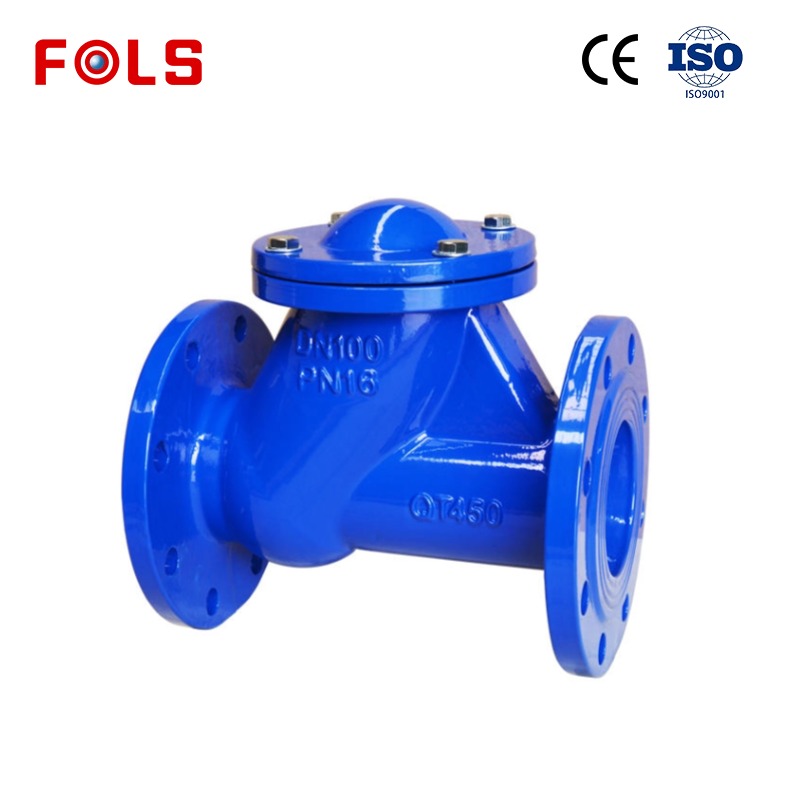
Some searches lead to phrases such as irrigation control valve or check valve for sprinkler system. These can be useful examples of how application, flow direction, and automation shape valve selection, but they do not define oil and gas pipeline duty. A check valve for sprinkler system, for example, performs a backflow-prevention role that differs from the commanded isolation role of an Electric Ball Valve. Similarly, an irrigation control valve is selected around water-service conditions, not automatically around hydrocarbon media, hazardous locations, or pipeline shutdown procedures.
The comparison is valuable precisely because it prevents category errors. Do not move a general-service specification into a pipeline package without rechecking the medium, ratings, materials, sealing, electrical classification, documentation, and failure behavior.
A Practical RFQ Checklist
Before requesting a quotation or reviewing an offer, prepare one consistent list. This reduces avoidable clarification cycles between engineering, procurement, and the supplier.
- Process medium, including contaminants, cleaning fluids, and expected changes
- Operating and design pressure and temperature, plus differential pressure during operation
- Valve size, end connection, bore requirement, material, and seat or seal requirements
- Required function: normal isolation, automated sequence, remote operation, or shutdown duty
- Electrical supply, command signal, feedback contacts, local control, and communications needs
- Required behavior on power or signal loss and the test method for that behavior
- Area classification, enclosure requirements, and documentation to be reviewed
- Applicable valve, fire-test, inspection, and documentation requirements from the project specification
- Expected cycle frequency, installation space, manual override access, and maintenance constraints
Conclusion
An Electric Ball Valve can support remote isolation and coordinated control in oil and gas pipeline systems, particularly where electrical integration and repeatable on/off operation are part of the design. The sound approach is conditional: first establish the process and safety requirements, then confirm that the valve body, actuator, control logic, and documentation satisfy them together.
In procurement discussions, separate what is already known from what still needs evidence. A clear operating-condition and control checklist gives engineering teams a more reliable basis for comparing options than a broad product label alone.
 Hot News