
 EN
What Is a Manual Valve and Its Essential Design Features?
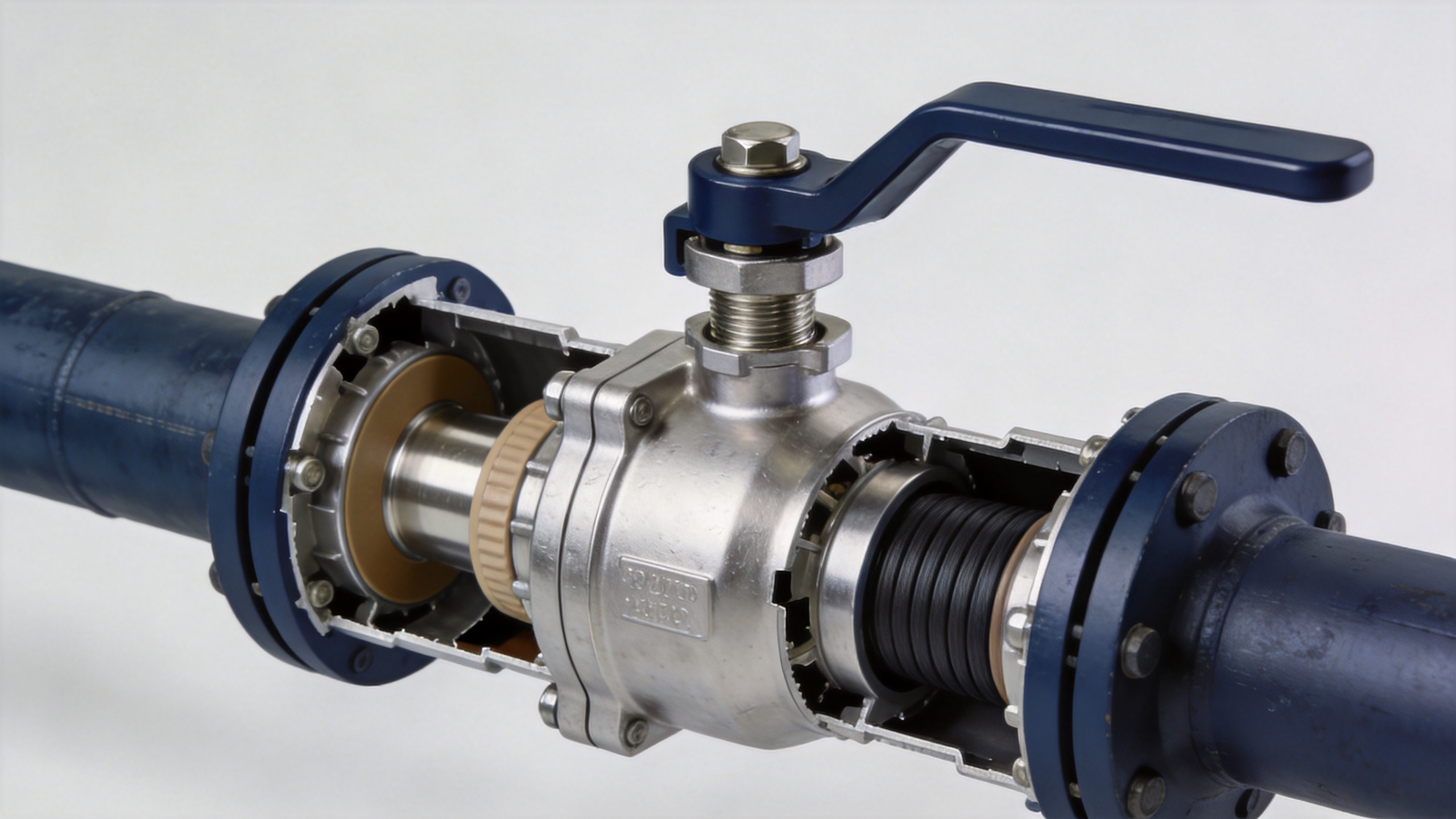
A manual valve is a flow-control device that an operator opens, closes, or positions by hand rather than by an electric, pneumatic, or hydraulic actuator. In an industrial line, a manual valve may isolate equipment, regulate a process in a limited way, divert flow, or provide a dependable local shutoff. The right manual valve is not chosen from its name alone: medium, pressure, temperature, line size, operating frequency, and required shutoff performance all matter.
From an industrial valve application perspective, the useful starting point is the duty of the manual valve, not whether one style sounds more familiar. A ball valve, gate valve, globe valve, butterfly valve, plug valve, or diaphragm valve can all be manually operated, but their internal geometry makes them suitable for different jobs.
How a Manual Valve Works
Every manual valve converts hand force into movement of a closure element. A lever usually turns a quarter-turn stem; this is common on ball, plug, and many butterfly designs. A handwheel commonly rotates a threaded stem, moving a disc, gate, or diaphragm through several turns. The closure either blocks the passage, changes the opening area, or redirects the stream.
The practical implication is simple. A quarter-turn manual valve gives fast visual confirmation of position and can be convenient for frequent on/off isolation. A multi-turn design may give more gradual travel and can suit duties where controlled positioning is needed. Neither arrangement is automatically better. Confirm the required operation before comparing valve types.
Essential Manual Valve Design Features
1. Body and pressure boundary
The body contains the pressure and connects the valve to the piping. Material selection must be compatible with the medium and the expected pressure-temperature envelope. Cast iron, ductile iron, carbon steel, stainless steel, brass, and engineered plastics each have different limitations. For applicable flanged, threaded, and welding-end steel valves, standards such as ASME B16.34 address subjects including pressure-temperature ratings, dimensions, materials, examination, testing, and marking. A standard reference is not a substitute for checking the exact product data sheet.
End connections are part of the design decision. Threaded ends simplify some small-bore installations; flanged ends help with removal and maintenance; welded ends can reduce potential leak paths but make replacement more involved. Select a manual valve with end connections that match the piping specification, not simply the pipe outside diameter.
2. Closure element and flow path
The closure element determines what the manual valve does well. A full-port ball valve generally provides a relatively open flow path when fully open, while a globe-style path changes direction and can offer more deliberate throttling control. A gate valve is commonly used for isolation rather than routine throttling because partial opening can expose the seating surfaces to unfavorable flow conditions. Butterfly and plug configurations can offer compact quarter-turn operation where their pressure, temperature, and sealing limits fit the service.
This distinction also prevents a common category mistake: a 3 inch pvc check valve is normally an automatic non-return device. It reacts to flow direction or differential pressure; it is not a substitute for a manually operated isolation valve. A piping system may use both, each serving a separate function.
3. Seat, seal, and stem packing
Sealing is central to manual valve performance. The seat forms the shutoff interface with the ball, disc, gate, plug, or diaphragm. Soft seats can provide tight shutoff in compatible services, while metal-seated arrangements may be considered where temperature, abrasion, or other conditions exceed soft-material limits. The correct choice depends on the medium, solids content, temperature, pressure, and leakage requirement.
The stem transfers handwheel or lever movement into the valve. Where the stem passes through the pressure boundary, packing or another stem-seal design helps control external leakage. A design review should ask how packing is adjusted, whether the stem material suits the environment, and whether maintenance can be completed safely in the installed orientation. These details often matter more than a generic statement that one manual valve is “leakproof.”
4. Operator and human factors
A lever, gear operator, or handwheel should provide enough mechanical advantage for the expected differential pressure and valve size. Clearance is equally important: an excellent manual valve design can still be hard to use if the handle strikes nearby pipework or an operator cannot reach it safely. Consider lockable positions, position indication, required operating torque, access for gloves, and whether frequent cycling will create ergonomic or maintenance concerns.
Common Manual Valve Styles and Their Uses
| Style | Typical manual operation | Selection focus |
|---|---|---|
| Ball valve | Lever, quarter turn | Fast isolation; port geometry, seat material, and torque |
| Gate valve | Handwheel, multi-turn | Isolation duty; avoid treating it as a general throttling device |
| Globe valve | Handwheel, multi-turn | Flow control needs, pressure drop, and trim selection |
| Butterfly valve | Lever or gear, quarter turn | Space, line size, seat limits, and required shutoff |
| Diaphragm valve | Handwheel, multi-turn | Media compatibility and diaphragm life |
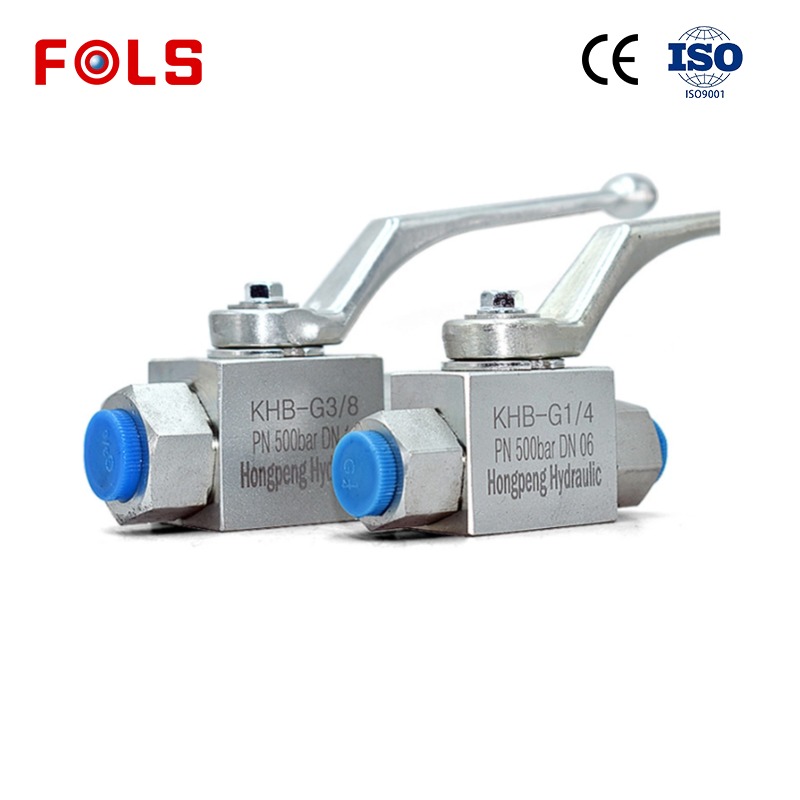
A stainless steel mini ball valve illustrates why scale and construction both matter. It may be a sensible compact isolator for a compatible small line, but “stainless steel” alone does not establish pressure rating, seal compatibility, connection standard, or suitability for high-temperature service. Treat it as a component that still needs a complete operating-condition check.
A Practical Selection Checklist
- Define the function: isolation, diversion, throttling, draining, or another task.
- Identify the medium, including corrosion, solids, viscosity, cleanliness, and compatibility concerns.
- Record normal and upset pressure and temperature, not only nominal line values.
- Choose a body, trim, seat, and stem-seal combination suitable for those conditions.
- Match the end connection, bore, and face-to-face requirements to the piping design.
- Check operating torque, access, maintenance space, and any lockout requirement.
- Review the manufacturer’s pressure-temperature data, testing information, and applicable project specifications.
For drainage, water treatment, chemical processing, and other pipeline applications, this checklist turns a broad manual valve request into an engineering conversation with verifiable inputs. It also separates a true hand-operated requirement from a need for automatic control, remote actuation, or non-return protection.
Conclusion
A manual valve is fundamentally a hand-operated means of controlling a pipeline, but its reliability depends on the details behind that simple description. Start with the required flow function, then examine the pressure boundary, flow path, seat and packing system, end connection, operator, and real installation conditions. This approach helps buyers and engineers specify a manual valve that fits the service rather than relying on a valve name alone.
 Hot News