
 EN
What Are The Core Benefits Of Electric Valve In Industry?
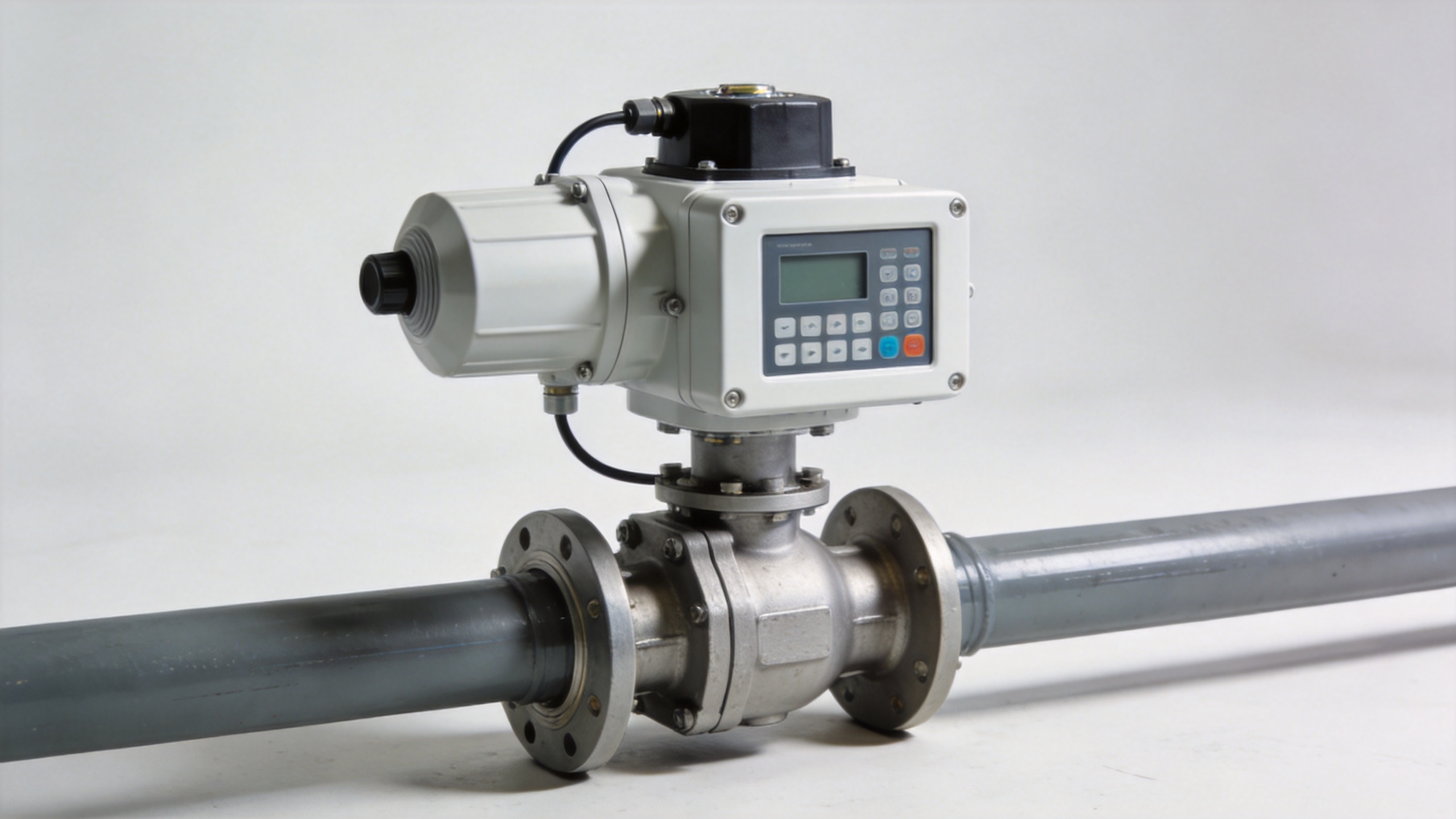
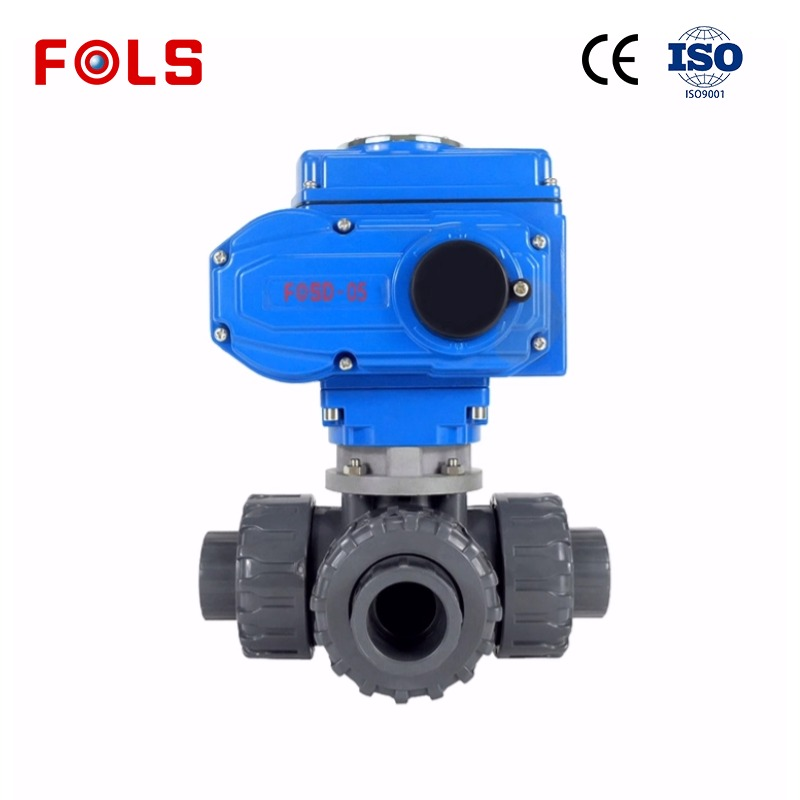
When a process line still depends on an operator to turn a handle at the right moment, flow control can become a bottleneck. An Electric Valve combines a valve body with an electric actuator so a command can open, close, or—when a modulating actuator is specified—move the valve toward a required position. For industrial teams, the value is not simply remote operation. The practical gains are repeatable valve movement, clearer control logic, safer access to difficult locations, and a more structured way to manage process changes.
Electric actuation is relevant in water and wastewater treatment, building services, chemical handling, oil-related utility systems, and other applications where the valve duty, fluid, and environment have been evaluated together. The right Electric Valve is a system decision: the actuator must match the valve torque, travel, control requirement, mounting connection, and site conditions.
1. Automation makes routine valve movement repeatable
The first benefit of an Electric Valve is repeatability. A defined electrical command can produce the same open/close sequence each cycle, rather than relying on a person to reach the valve and judge the handle position. This is useful for timed isolation, tank filling, transfer lines, backwash sequences, and interlocked equipment where one action should occur only after another condition is met.
For a straightforward on/off task, a quarter-turn ball or butterfly valve with a suitable electric actuator may be enough. For a process that needs a controlled intermediate position, a modulating Electric Valve can be configured around the applicable signal and feedback arrangement. Specify the duty first: open/close control and proportional control call for different actuator and control choices.
2. Remote control can reduce unnecessary exposure
Some valves sit above equipment, inside service corridors, beside hot pipework, or in areas where access is inconvenient during normal operation. An Electric Valve can move the operating action to a control panel or automation system. That does not remove the need for safe isolation, inspection, or maintenance procedures, but it can reduce routine trips to the valve location.
Remote operation is especially valuable when several valves must change state in a defined sequence. Instead of relaying instructions between field staff, the sequence can be set in the control logic and verified through appropriate indication or feedback. Before using this benefit, confirm the fail position, local manual override needs, emergency procedure, and what should happen after a power interruption.
3. Better integration with process controls
An Electric Valve can serve as a physical endpoint for a command from a controller, PLC, timer, or other approved control device. In a modulating application, a 4–20 mA command is commonly used to represent a target position; the actuator then moves the valve toward that position when the actuator and control package are designed for that signal. This can support steadier control of flow, level, temperature, or pressure, but performance still depends on valve sizing, process dynamics, sensor quality, and tuning.
Where visibility matters, specify the feedback required by the operating team. Useful options can include open/closed indication, intermediate position feedback, torque or fault information, and communication features where the wider system supports them. Selecting only the features that the process will use keeps the Electric Valve specification focused.
4. Consistent response supports operating discipline
Manual valves remain appropriate in many lines. However, an Electric Valve can help standardize actions that must happen repeatedly, particularly when a sequence is connected to pumps, alarms, dosing equipment, or level controls. A defined actuator travel time and a documented command sequence make operating instructions easier to translate into the control design.
Consistency should not be confused with automatic suitability. Valve body material, seat material, pressure differential, media compatibility, temperature, and cycle frequency still determine whether a particular Electric Valve arrangement fits the service. Engineers should check breakaway torque and running torque rather than selecting an actuator from nominal valve size alone.
5. Flexible valve configurations fit different duties
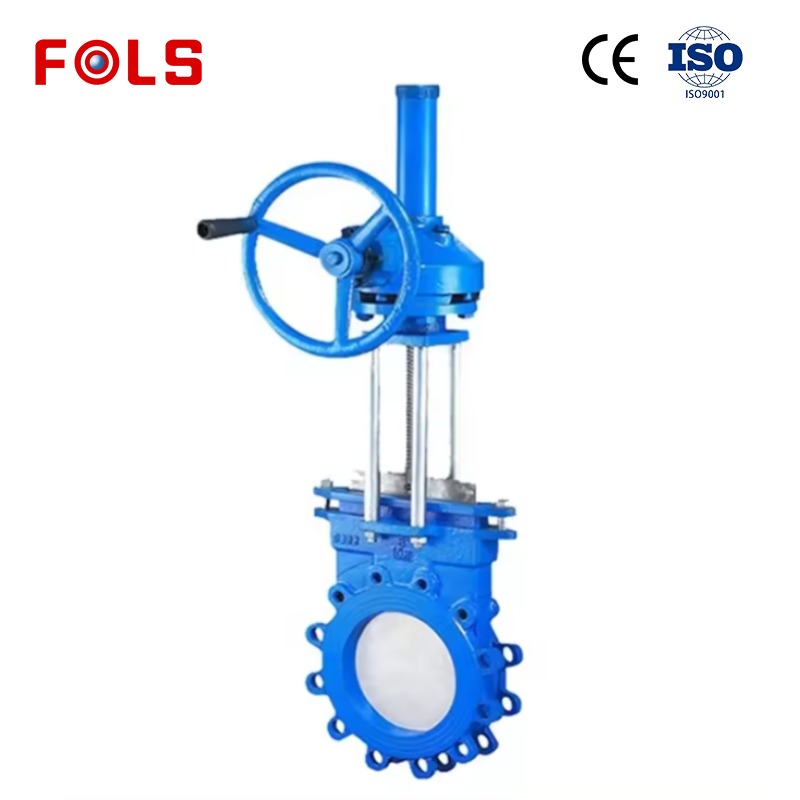
The phrase Electric Valve covers several arrangements. Part-turn electric actuators are often paired with ball, butterfly, or plug valves. Multi-turn solutions may be used with gate, globe, or other multi-turn valves. A standardized part-turn mounting connection such as ISO 5211 is relevant when checking the attachment of an actuator, gearbox, and compatible industrial valve; it is a mounting consideration, not a substitute for verifying torque and operating conditions.
It is also helpful to distinguish an electrically actuated valve from adjacent technologies. A solenoid valve normally uses an electromagnetic coil to shift a small mechanism and can suit compact, fast pilot or direct-acting duties. An electronic needle valve may be selected where fine, controlled restriction is the priority. An electric hydraulic diverter valve directs hydraulic flow between circuits and should be evaluated around the hydraulic system design. These products may all receive electrical input, but they solve different control problems.
6. Environmental matching protects the investment
Industrial installations can expose an Electric Valve to dust, washdown, humidity, temperature variation, vibration, or corrosive atmospheres. Ingress-protection ratings describe how an enclosure resists intrusion by solid objects and liquids, so the required IP level should come from the actual installation environment rather than a generic preference. Cable entries, connectors, mounting orientation, drainage, and access for inspection also affect the installation outcome.
For water, wastewater, chemical, and outdoor services, the valve body and sealing materials deserve the same attention as the actuator enclosure. Ask what the media is, whether it contains solids, what pressure differential occurs at operation, and how often the valve will cycle. A sound specification evaluates the complete Electric Valve assembly.
7. Selection questions before specifying an Electric Valve
A practical review can help avoid pairing a capable actuator with the wrong valve or service. Use these questions with the process and maintenance teams:
- Is the duty on/off, modulating, or a sequence with defined timing?
- What medium, temperature, pressure, and pressure differential will the valve see?
- What torque is required at breakaway, during travel, and at the end position?
- Does the valve/actuator combination have a verified mounting connection and travel range?
- Which power supply, command signal, feedback, and fail-state behavior are required?
- What enclosure protection and material compatibility are needed for the actual site?
- How will operators isolate, override, test, and maintain the assembly?
Putting the benefits into an industrial workflow
The core benefits of an Electric Valve appear when automation is linked to a well-defined operating need: repeatable movement, remote access, control-system integration, and a configuration that matches the valve and environment. Guangzhou Fols Valve Technology Co., Ltd. focuses on electric actuators, pneumatic valves, and automatic control systems for industrial valve applications. For a project discussion, begin with the process duty and valve data, then review the actuator configuration with the application requirements in view.
That approach avoids treating electric actuation as a universal upgrade. In the right service, an Electric Valve can make a process easier to control and document. In the wrong service, an incomplete torque, signal, or environmental review can create avoidable work later. Start with the operating conditions, define the control objective, and select the assembly accordingly.
 Hot News





