
 EN
What Makes Butterfly Valve Popular In Large Projects?
When a large pipeline package moves from concept drawings to a bill of materials, a Butterfly Valve is often one of the first isolation options considered. That does not mean every duty calls for the same valve. It means the simple quarter-turn arrangement can solve several project problems at once: space, weight, operating speed, actuator integration, and a practical way to specify a large line item.
From an automation-control viewpoint, a Butterfly Valve is not an isolated component. Its body, disc, seat, stem, actuator, signal connection, and fail position must work as one control chain. That systems view explains why a Butterfly Valve keeps appearing in water, wastewater, building services, transportation, process, and utility projects.
Why a Butterfly Valve fits large-pipeline constraints
A Butterfly Valve closes or regulates flow by rotating a disc, normally through a quarter turn. In a large nominal diameter, that compact motion is valuable. The valve body is generally shorter in the flow direction than many multi-turn alternatives, so planners can reserve less linear space between flanges, supports, and adjacent equipment. Lower installed mass may also reduce handling demands during installation, although lifting plans still need the actual drawing weight and site rules.
For a large project, repetition matters. If many line sizes use a similar Butterfly Valve concept, engineers can make the specification, mounting details, access provisions, and maintenance instructions more consistent. This is not a claim that all valves are interchangeable. It is a reason to check whether the selected Butterfly Valve series supports the required sizes, pressure class, face-to-face dimensions, and end connection pattern.
Fast operation supports the control plan
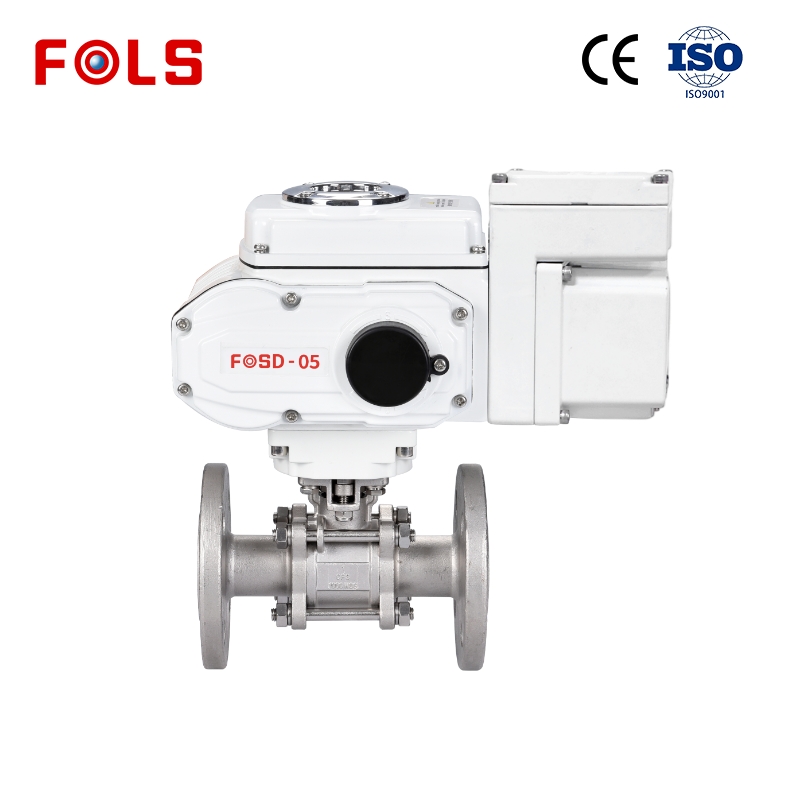
The quarter-turn travel of a Butterfly Valve can simplify manual operation and actuator selection. A hand lever or gear operator may suit one location, while a pneumatic or electric actuator may suit another. Where automatic service is planned, confirm the torque basis across differential pressure, breakaway conditions, cycle frequency, seat friction, and safety margin. The actuator is part of the selection, not an afterthought.
This is where a Butterfly Valve and a lift actuator should not be treated as generic labels. A lift actuator describes linear motion, whereas a typical butterfly disc uses rotary motion. If an RFQ contains both terms, clarify what device is being actuated, what motion is required, and whether an adapter or a different valve architecture is intended. That short clarification can avoid a mismatched drive train later in the project.
Compact design can lower coordination effort
Large installations rarely have unlimited clearance. Pipe racks, pump rooms, treatment skids, structural steel, cable trays, and access routes compete for the same volume. A Butterfly Valve can make routing easier because its body profile and operating travel are compact. The gain is project coordination, not a universal promise about lifecycle cost.
Start with the physical envelope: valve face-to-face dimension, flange standard, disc clearance, gearbox or actuator height, handwheel sweep, and removal space. ISO 5752 is one example of a dimensional reference used for covered metal valves in flanged piping systems. Where it applies, confirm the project-required series and edition rather than assuming that an ISO 5752 reference alone establishes a match. A Butterfly Valve must fit the exact piping and design documentation.
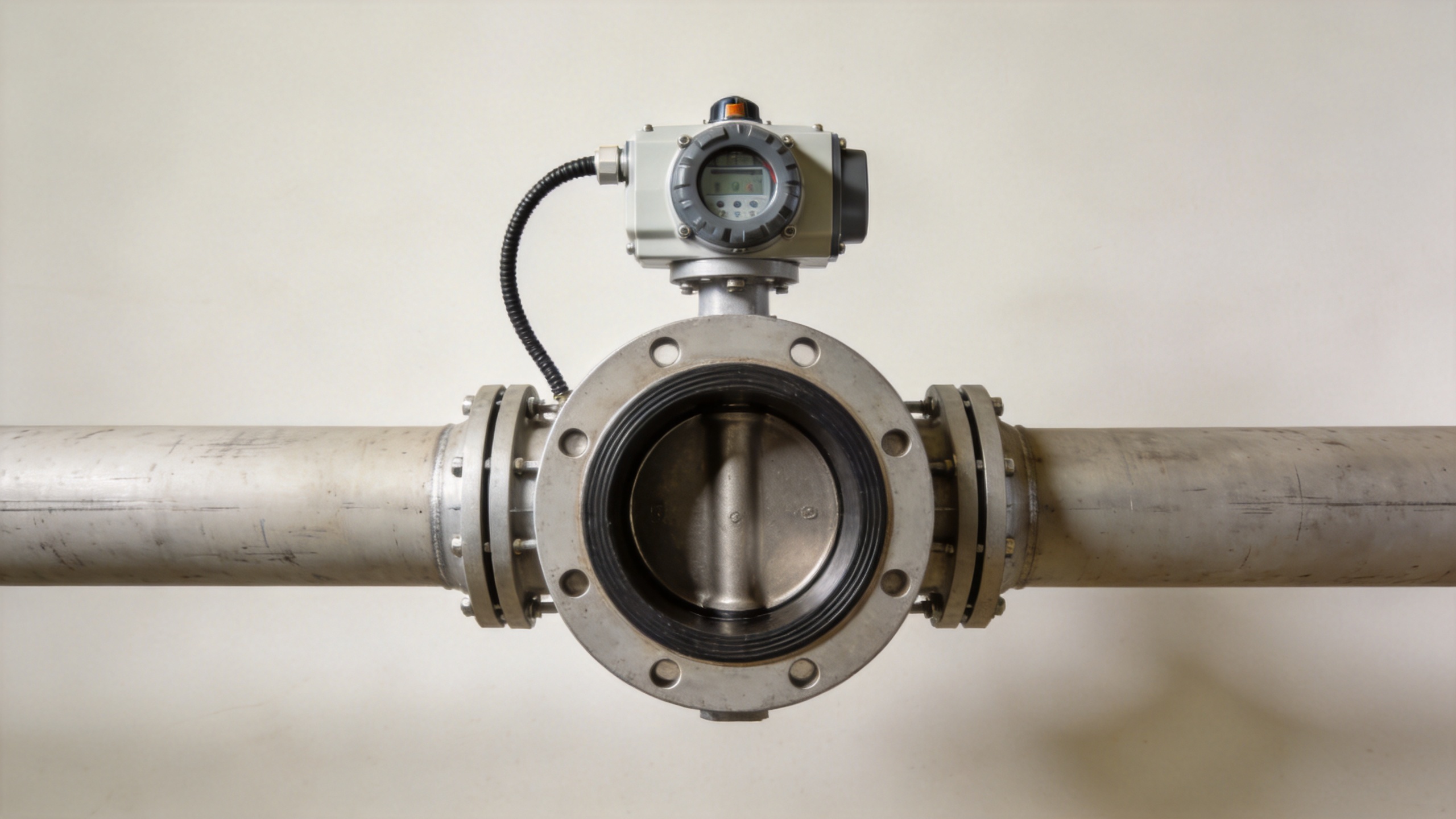
The real decision is valve construction, not the name alone
Calling for a Butterfly Valve is only the start. Concentric resilient-seated designs, double-offset designs, and triple-offset designs have different intended duty ranges. Body material, disc material, shaft design, seat construction, flange pattern, and shutoff expectation must be connected to the fluid, temperature, pressure, solids content, and cycling profile. In clean water service, the priorities may differ from corrosive chemical or high-temperature service.
It is also useful to understand the types of ball valves discussion without forcing a false comparison. Full-port and reduced-port ball valves, as well as floating and trunnion-mounted designs, offer different bore geometry and shutoff characteristics. A Butterfly Valve is often shortlisted for large diameters because its disc-and-body arrangement can be compact; a ball valve may be selected when the line duty, isolation requirement, or specification points that way. Compare the actual conditions rather than choosing by product family alone.
A procurement checklist for a Butterfly Valve package
A useful large-project RFQ makes the decision traceable. For each Butterfly Valve, document the following:
- Nominal size, line class, face-to-face requirement, and mating flange details.
- Medium composition, temperature range, operating and differential pressure, and any solids or abrasion concerns.
- Required function: isolation, throttling, emergency shutoff, or a defined combination.
- Seat, disc, body, and shaft material requirements based on verified compatibility.
- Manual, pneumatic, or electric operation; for an automated Butterfly Valve, include power source, signal, feedback, and fail action.
- Cycle frequency, requested testing, documentation, marking, and applicable project standards.
API 609 is commonly reviewed for certain butterfly-valve configurations, but it should be read alongside the project specification and the proposed design scope. A named standard does not replace engineering review. The same principle applies when a Butterfly Valve is intended to throttle: assess the expected operating position, pressure drop, velocity, cavitation risk where relevant, and control objective.
Where the value is most visible
The popularity of a Butterfly Valve in large work is therefore practical rather than mysterious. It can combine a compact envelope, quarter-turn operation, broad actuator compatibility, and a specification path that teams can repeat across many line items. For a company working with electric actuators, pneumatic valves, and automatic control systems, the useful conversation is about the connection between those elements—not an unsupported claim about one component solving every problem.
Before release, review the Butterfly Valve selection with the process, piping, controls, construction, and maintenance stakeholders. Confirm the process conditions, installation geometry, torque data, control architecture, and documents required for acceptance. With those inputs aligned, a Butterfly Valve can be a well-reasoned choice for a large project instead of merely a familiar item on the drawing.
 Hot News





