
 EN
Manual Ball Valve Applications in HVAC Systems
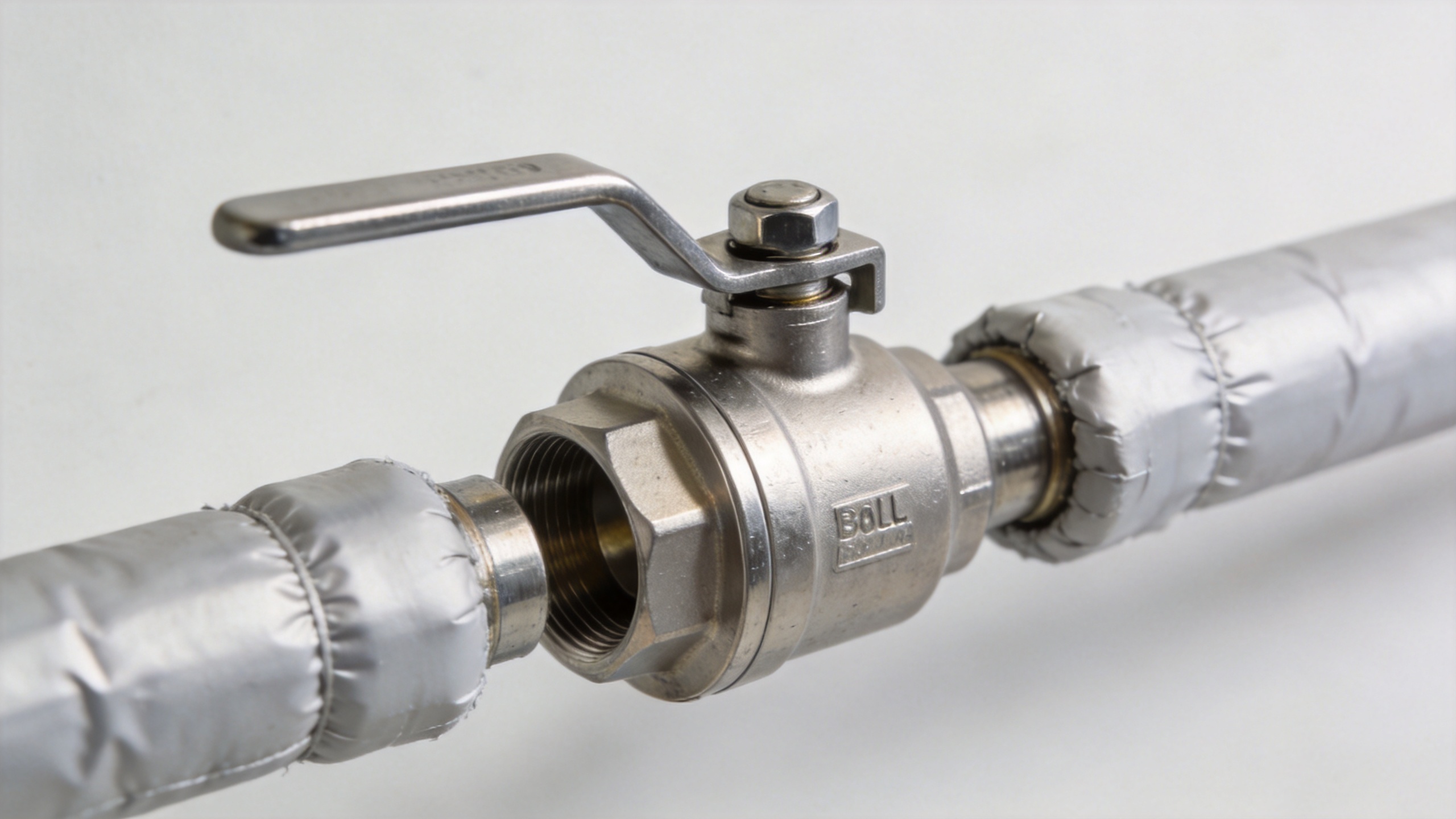
A Manual Ball Valve has a modest but important place in an HVAC system: it lets a technician isolate a section of pipe quickly, safely, and with a clear visual indication of the handle position. In chilled-water, heating-water, condenser-water, and domestic-water branches, a Manual Ball Valve is usually selected for on-off service rather than for precision flow control. That distinction matters. The right valve location can reduce the scope of maintenance work; the wrong duty assignment can create balancing or control problems later.
From an industrial valve application perspective, a Manual Ball Valve should be considered only after the medium, pressure, temperature, connection, access space, and operating frequency are known. A valve is one part of a control chain, so pump arrangement, coil controls, balancing devices, and service procedures also belong in the discussion.
Where a Manual Ball Valve Fits in HVAC Pipework
The most common purpose of a Manual Ball Valve in HVAC pipework is isolation. Installed upstream and downstream of a pump, coil, strainer, heat exchanger, meter, or manifold, it can allow a component to be serviced while the remainder of the circuit stays available when the system design permits. In hydronic systems, the valve is often useful at equipment branches, drain-and-fill locations, and selected riser or zone connections.
For example, a Manual Ball Valve can isolate a fan-coil branch before a strainer is cleaned, or isolate a manifold branch before a component is inspected. It may also be used in smaller LTHW, CHW, or domestic-water pipework where accessible quarter-turn isolation is wanted. This is an application pattern, not a universal sizing rule: the actual pressure-temperature rating, valve construction, and local project requirements still need confirmation.
Isolation Is Not the Same as Balancing or Modulating Control
A Manual Ball Valve is normally a shutoff device. Its handle and quarter-turn action make it practical for open-or-closed isolation, but that does not automatically make it a good instrument for setting branch flow. Hydronic balancing typically requires a device intended for measurement, presetting, or stable flow control. Likewise, a coil that must respond to a thermostat or building-management signal generally needs an appropriate control valve and actuator.
This is a useful design checkpoint: do not ask whether a Manual Ball Valve is “better” than every other valve type. Ask whether the task is isolation, balancing, modulation, or emergency shutoff. When the duty is only occasional manual isolation, the Manual Ball Valve can be a direct and understandable option. When remote operation, frequent cycling, or regulated flow is required, the selection process changes.
Common HVAC Applications
1. Pump and equipment isolation
A Manual Ball Valve on each side of serviceable equipment can support maintenance planning. Before specifying it, verify that the handle can turn freely and that isolation will not create an unsafe pressure, temperature, or trapped-fluid condition. Drain, vent, and lockout procedures remain separate engineering and site-safety considerations.
2. Coil and terminal-unit branches
At a coil branch, a Manual Ball Valve can help segregate the branch during inspection or replacement work. The installation should leave room for the handle, insulation, labeling, and technician access. A compact valve body is useful only if it remains operable after adjacent pipe, insulation, and fittings are in place.
3. Manifolds and zone connections
In heating or chilled-water distribution, a Manual Ball Valve may isolate an individual manifold or zone connection. The valve makes operational sense when operators need a simple local shutoff. It should not be assumed to replace the balancing device or automated zone-control valve elsewhere in the design.
4. Drain, fill, and temporary-service points
A Manual Ball Valve can be incorporated into a carefully designed drain or fill assembly where the system procedure calls for it. Here, connection style, downstream cap or hose arrangement, discharge management, and access are as important as the valve body. Treat these as confirmed design details rather than casual accessories.
How to Compare a Manual Ball Valve with Butterfly Options
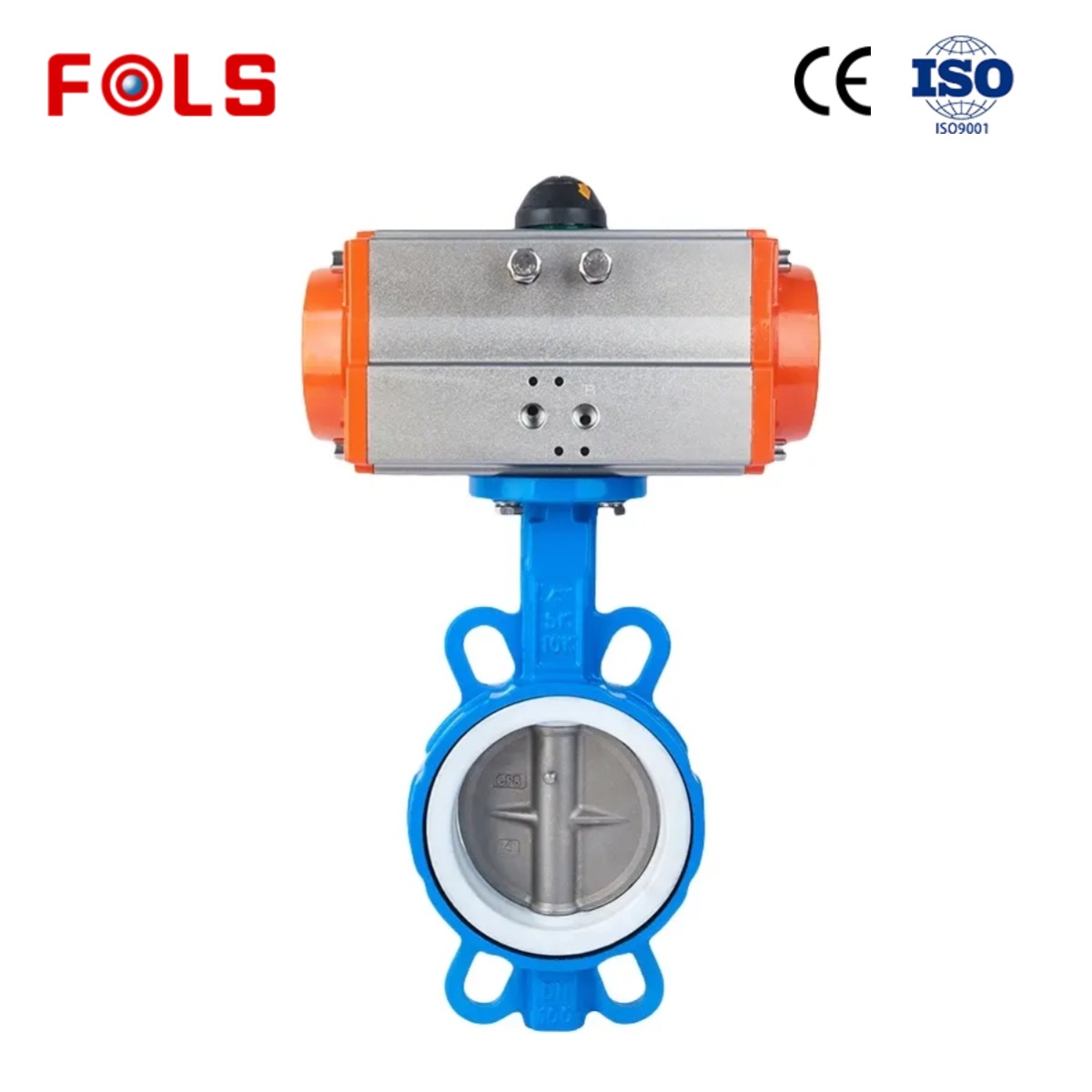
For larger branches, a buyer may also compare a Manual Ball Valve with a butterfly valve. A 12 inch butterfly valve may be considered where a larger nominal size, compact face-to-face arrangement, and lever or gear-operated quarter-turn design suit the pipe layout. However, valve type should follow the actual isolation requirement, pressure-temperature conditions, connection standard, and available operating clearance—not the nominal size alone.
The phrase 4 wafer butterfly valve is sometimes used in sourcing discussions, but the configuration should be checked against the specified wafer pattern, line flange arrangement, seal material, and service conditions. A 4 wafer butterfly valve may solve a different piping problem from a Manual Ball Valve; it is not a drop-in conclusion. Compare each candidate under the same medium, temperature, pressure, and maintenance-access assumptions.
Selection Checklist for HVAC Isolation Duty
- Medium and water treatment: Confirm whether the circuit carries chilled water, heating water, glycol mix, condenser water, or another medium, and identify any corrosion or seal-compatibility concerns.
- Pressure and temperature: Match the Manual Ball Valve rating to the full operating envelope, including commissioning and abnormal conditions where project documentation requires review.
- Port and flow path: Decide whether full-port passage is needed for the branch purpose, expected pressure loss, cleaning approach, or future service work.
- End connection: Confirm threaded, solder, press, flanged, or other connection requirements instead of assuming a familiar valve body will fit the system.
- Manual access: Check handle sweep, insulation thickness, nearby equipment, and whether the valve position can be identified in the field.
- Control boundary: State clearly which device performs isolation and which device performs balancing or automatic control.
Maintenance and Communication Points
A Manual Ball Valve supports maintainability when it is accessible, labeled, and included in the isolation procedure. In procurement communication, it helps to provide nominal size, connection, body and seal material expectations, medium, pressure-temperature conditions, quantity, and required documents. A product description alone cannot confirm project suitability. If the circuit has frequent operation or automated requirements, say so early; that single detail can redirect the choice toward an actuated valve or a purpose-designed control device.
For suppliers such as Guangzhou Fols Valve Technology Co., Ltd., a productive technical conversation begins with conditions rather than a blanket promise. The next step is to document the HVAC circuit, duty, interface, and service-access requirements, then compare a Manual Ball Valve, a 12 inch butterfly valve, or another valve type on the same basis.
Conclusion
A Manual Ball Valve is well suited to many HVAC isolation tasks because its quarter-turn operation is straightforward and easy to understand. Its value is greatest when it is assigned a clear isolation duty, installed where it can be reached, and selected against real medium, pressure, temperature, connection, and maintenance conditions. It should not be treated as a universal flow-control device. Start with the circuit function, then confirm the technical details before finalizing the valve configuration.
 Hot News