
 EN
How to Source Reliable Electric Butterfly Valve Manufacturers
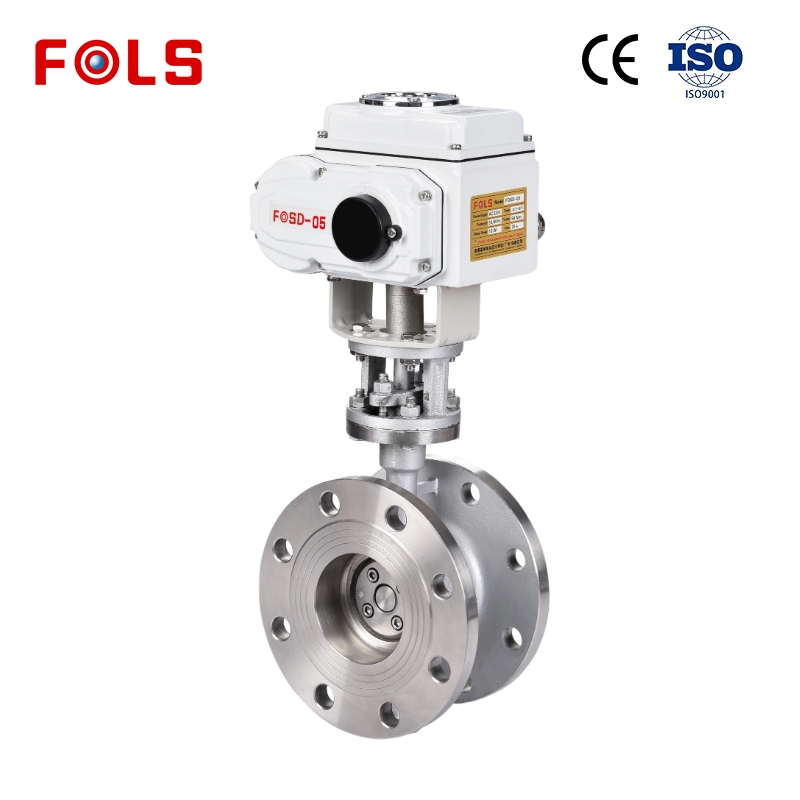
Finding a reliable Electric Butterfly Valve manufacturer is less about locating the lowest quotation and more about confirming that the offered valve, actuator, documentation, and support process suit one defined duty. An Electric Butterfly Valve combines a quarter-turn disc valve with an electric actuator, so a workable purchase decision needs evidence for both assemblies—not a generic product photo or a broad promise of quality.
From a B2B procurement perspective, start with the information that lets engineering, purchasing, and operations evaluate the same offer. A supplier can only size and configure an Electric Butterfly Valve responsibly after the medium, pressure, temperature, line size, connection, control requirement, and installation conditions are clear.
Define the duty before you compare manufacturers
Do not begin by choosing a manufacturer on a generic Electric Butterfly Valve claim. First document what the valve must do. Is it isolating water, handling treated wastewater, modulating a process line, or providing repeated on/off service? Medium name alone is not enough: solids content, corrosion potential, temperature variation, and shutoff expectations can alter the seat, body, disc, and actuator choices.
- Process data: medium, concentration or solids, normal and maximum pressure, temperature range, and required leakage performance.
- Mechanical data: nominal size, pipe standard, flange or wafer/lug connection, face-to-face constraints, and available maintenance space.
- Control data: on/off or modulating duty, voltage, control signal, cycle frequency, fail position expectations, and local/manual override needs.
- Project data: destination market, applicable specification, inspection documents, test witness requirements, and delivery schedule.
This list also prevents a common comparison error: collecting quotes for apparently similar Electric Butterfly Valve assemblies whose seats, torque margins, ingress protection, or control functions are different. A lower price is not automatically a lower total cost when specification clarification has to be repeated after ordering.
Check whether the valve type actually fits the process
A manufacturer should be willing to discuss alternatives rather than force every duty into an Electric Butterfly Valve. In slurry, pulp, or abrasive applications, a knife valve may be considered when its gate geometry and service conditions fit the isolation task. A knife valve is not a direct replacement merely because both products can shut off a pipeline; it should be evaluated for pressure, sealing expectations, line orientation, and operating cycle.
Likewise, a hydrant gate valve is associated with water-distribution and fire-protection contexts, where project rules may dictate the valve pattern, end connections, operating arrangement, and approvals. Do not ask a vendor to substitute a hydrant gate valve with an Electric Butterfly Valve without a project-specific engineering review. Comparing an Electric Butterfly Valve, a knife valve, and a hydrant gate valve only becomes useful after their duties are made comparable.
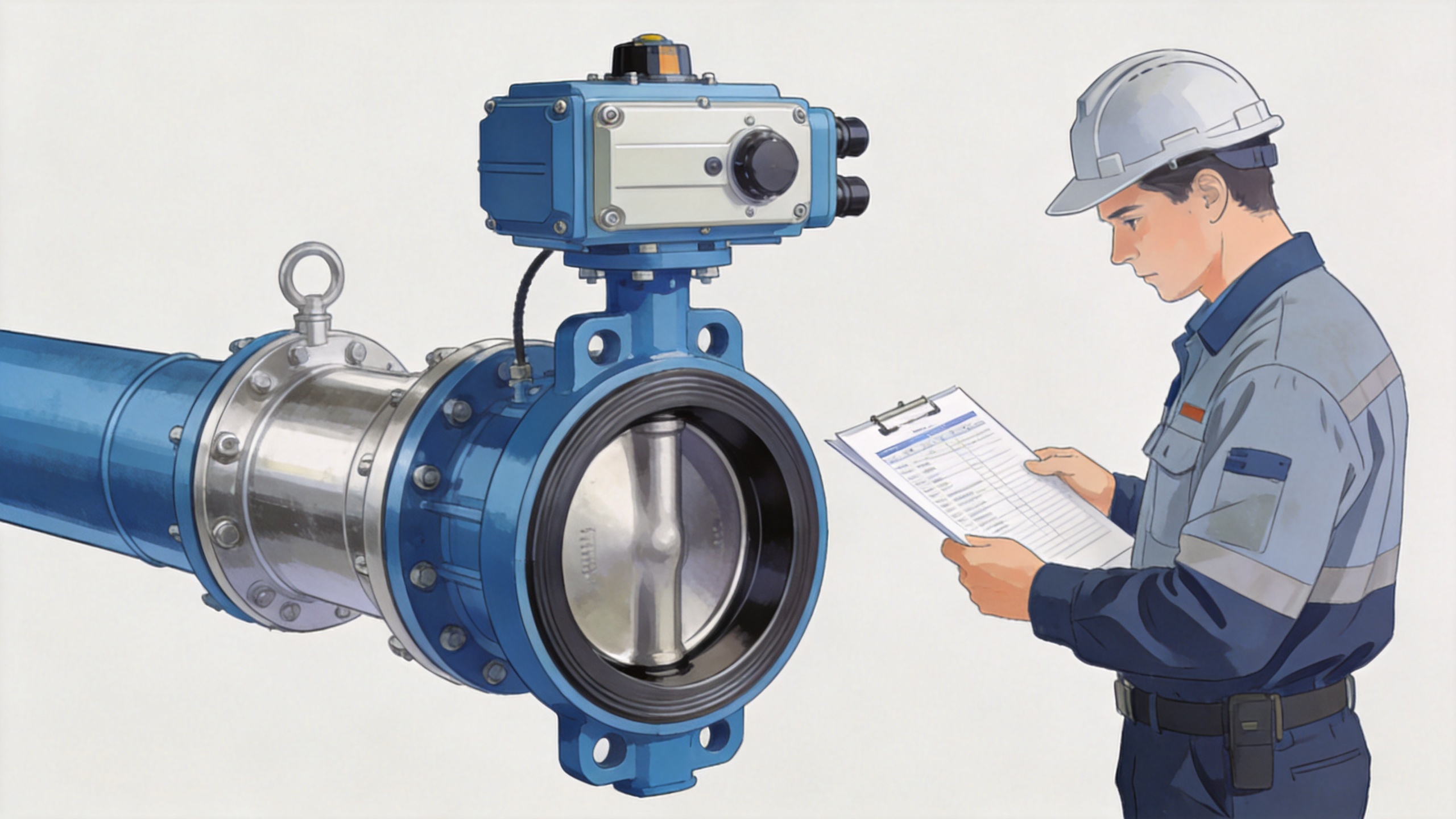
Ask for a configuration-level quotation
Reliable Electric Butterfly Valve manufacturers do not rely on a one-line description. Request a quotation that separates the valve body from the actuator and identifies the configuration used to determine price. The goal is not to make the RFQ complicated; it is to make omissions visible before a purchase order is issued.
| RFQ item | What to request | Why it matters |
|---|---|---|
| Valve assembly | Body, disc, stem, seat material, size, pressure class, and connection | Shows whether the offered Electric Butterfly Valve is suitable for the stated medium and piping. |
| Actuator | Torque basis, voltage, duty type, enclosure rating, control mode, and override | Lets you verify that the actuator is not treated as an unspecified accessory. |
| Interface | Mounting arrangement, coupler, bracket, and dimensional drawing | Confirms how the actuator and valve are assembled and serviced. |
| Evidence | Datasheet, drawing, test plan, material or inspection records as applicable | Creates a traceable basis for comparing suppliers. |
For a part-turn automated assembly, ISO 5211 is a useful question rather than a blanket claim: ask the manufacturer to show the mounting interface and confirm compatibility for the quoted Electric Butterfly Valve. For relevant rubber-seated water-service projects, ask whether the offered configuration is designed and tested to the project-specified requirements, such as the scope addressed by AWWA C504-23. The answer must match the project specification and the exact product, not a brochure headline.
Evaluate the manufacturer’s verification process
Good sourcing evidence is specific. Ask each Electric Butterfly Valve manufacturer to describe how it reviews an RFQ, controls revisions, and identifies the final configuration. A useful response clarifies what is confirmed, what still needs customer approval, and which documents are available before shipment.
- Technical review: Does the supplier request missing service conditions instead of assuming them?
- Traceability: Can it keep the quotation, drawing revision, and inspection records aligned to the purchase order?
- Testing: Does it state the proposed pressure or functional test, acceptance criteria, and record format?
- Actuator matching: Does it explain the valve torque basis, allowance for service conditions, and selected actuator output?
- Communication: Can it provide drawings and documentation in a form your engineering and purchasing teams can review?
A supplier that asks clarifying questions is not necessarily slowing the purchase down. For an Electric Butterfly Valve, early clarification often reduces rework around wiring, feedback signals, mounting hardware, or manual override access. That is especially useful when the Electric Butterfly Valve must be integrated with a site control system.
Use samples, documents, and factory evidence carefully
Samples can help assess build quality, but one sample does not prove that every Electric Butterfly Valve will meet a future project requirement. Review the sample against the approved datasheet and ask how the factory controls changes to materials, actuator model, or test procedure. If a site visit or third-party inspection is possible, agree on the inspection hold points and documentation before production begins.
The same caution applies to related products. A manufacturer may list a knife valve range or a hydrant gate valve range, yet those listings do not confirm the exact pressure, seat, standard, or automation package needed for your order. For a knife valve, request the service limitations and sealing arrangement. For a hydrant gate valve, request the project-relevant standard and end-connection details. This evidence-first approach keeps product families from being mistaken for approved configurations.
Score suppliers against the same matrix
Build a short comparison sheet for each Electric Butterfly Valve manufacturer. Score only evidence you received: completeness of technical response, match to duty, documentation quality, test transparency, commercial terms, and responsiveness to deviations. Leave unverified claims blank or mark them “to be confirmed.” A complete but conditional response is often more useful than an attractive quotation with missing configuration details for an Electric Butterfly Valve project.
When evaluating a knife valve or hydrant gate valve alongside an Electric Butterfly Valve, use a separate line for application fit. This prevents a vendor’s broad product catalog from gaining points where the selected valve type has not actually been validated.
Final supplier checklist
Before placing an order for an Electric Butterfly Valve, confirm the following:
- The duty conditions and project specification are attached to the purchase order.
- The valve materials, seal, dimensions, connection, and actuator controls are stated in the approved quotation or drawing.
- The interface and torque basis for the Electric Butterfly Valve assembly are documented.
- Required inspection, test, packing, and document deliverables are agreed in advance.
- Any alternative knife valve or hydrant gate valve option is reviewed against its own service and project requirements.
Conclusion
The most dependable way to source an Electric Butterfly Valve manufacturer is to buy evidence, not just a product name. Define the duty, request a configuration-level quote, test the supplier’s clarification process, and compare only documented facts. If the application points toward a knife valve or a hydrant gate valve, treat that as a new selection path rather than a casual substitution. That discipline gives your team a clearer basis for selecting an Electric Butterfly Valve supplier and approving the final assembly.
 Hot News