
 EN
Ball Valve Performance in Petrochemical Refineries
In a refinery, a Ball Valve is rarely judged by quarter-turn speed alone. It may isolate hydrocarbon process lines, support maintenance boundaries, or sit in a control chain where a wrong material, seat, or actuator decision creates a difficult operating problem later. From an industrial valve application-engineering perspective, the useful starting point is the actual medium, pressure, temperature, cycling pattern, and control requirement—not simply the valve name.
Ball valves are valued because a rotating bored ball can provide compact, fast on-off isolation. That basic benefit is relevant in petrochemical work, but it does not prove that every Ball Valve configuration fits every unit. Refinery service can involve volatile liquids, gases, corrosive constituents, temperature swings, solids, and tight emissions expectations. Performance depends on how the valve assembly matches those conditions.
Begin with the duty, not the nominal valve type
A performance review should first separate the process duty from the equipment label. Is the valve primarily an emergency or maintenance isolation point? Will it cycle once per turnaround, several times per shift, or under an automated sequence? Is the medium clean, viscous, corrosive, particle-bearing, or capable of flashing? These questions change the importance of seat design, cavity relief, stem sealing, actuator sizing, and maintenance access.
A Ball Valve can be a practical isolation choice where quick quarter-turn operation and a compact envelope matter. More accurately, it is suitable only after the process conditions and project requirements are checked together. A larger pressure class or a familiar body material is not automatically the right answer; the normal operating window, upset conditions, and chemical compatibility are the comparison basis.
Materials and sealing govern much of refinery performance
Body, ball, stem, seat, packing, and elastomer selections all need to work as a system. For example, a service containing corrosive components may require a different corrosion-resistance assessment than a clean hydrocarbon stream. Abrasive particles can change how buyers assess seat wear and torque over time. Temperature also matters because it affects sealing behavior, thermal expansion, and the margin available for reliable operation.
For that reason, a specification should not stop at “stainless steel” or “soft seat.” Ask which wetted materials are proposed, what temperature range they are intended to cover, and what compatibility evidence is available for the actual medium. Where a fire-safe, antistatic, low-emission, or other project-specific feature is required, it should appear as a verifiable documentation request rather than as an assumption based on the product category.
The same discipline applies when a sanitary ball valve appears in a wider facility specification. A sanitary configuration is generally associated with cleanability and hygienic process needs, so it should not be substituted into refinery service merely because it is a ball valve. Confirm the actual process, connection standard, cleaning method, material finish needs, and sealing requirements before treating it as comparable to a refinery isolation valve.
Pressure, temperature, and trapped-cavity conditions need a combined review
Pressure-temperature capability is an assembly question, not just a body-rating question. Buyers should verify the applicable pressure class, end connection, material limits, seat limits, and test requirements against the line list and governing project documents. Temperature transients and volatile liquids deserve explicit review because liquid trapped in a closed valve cavity can create a different condition from ordinary flowing service. The project specification should define the required design response and the evidence expected from the supplier.
Standard selection is similarly conditional. API 608 is commonly used as a design and construction reference for metal ball valves in petroleum, petrochemical, and industrial service. API 6D is associated with pipeline valve requirements, including design, materials, testing, and documentation. The correct route depends on the line and project basis; a refinery process-piping application should not be classified as pipeline service simply because it carries hydrocarbons. Ask the engineering team which standard edition and supplementary requirements govern the valve data sheet.
Automation performance starts at the valve–actuator interface
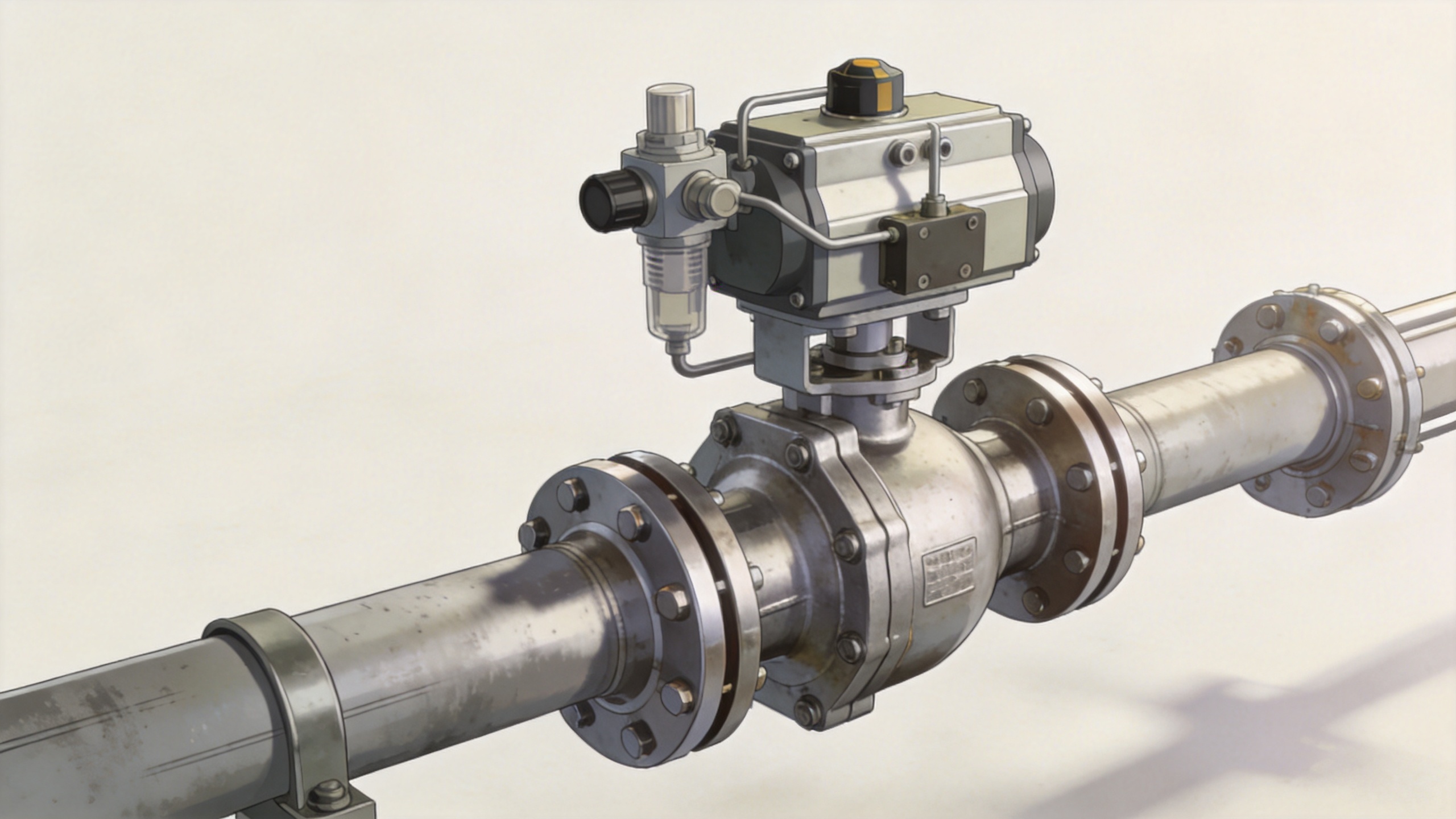
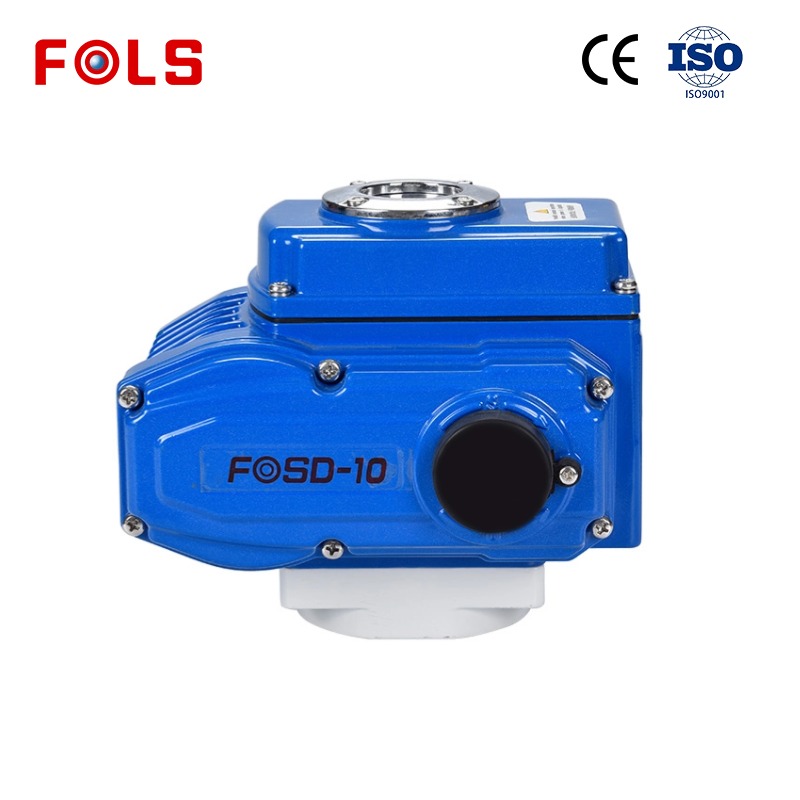
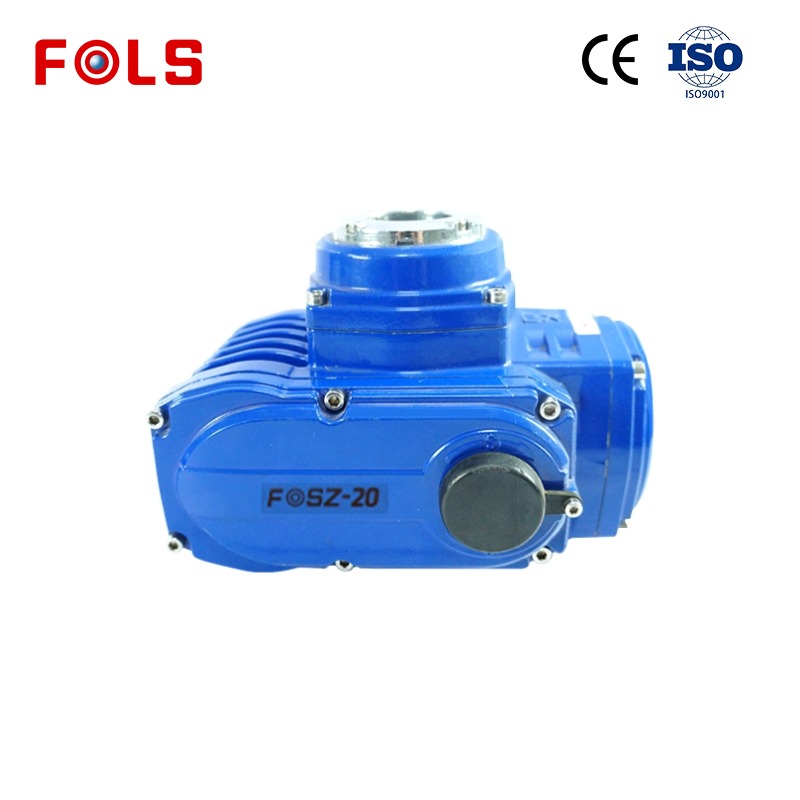
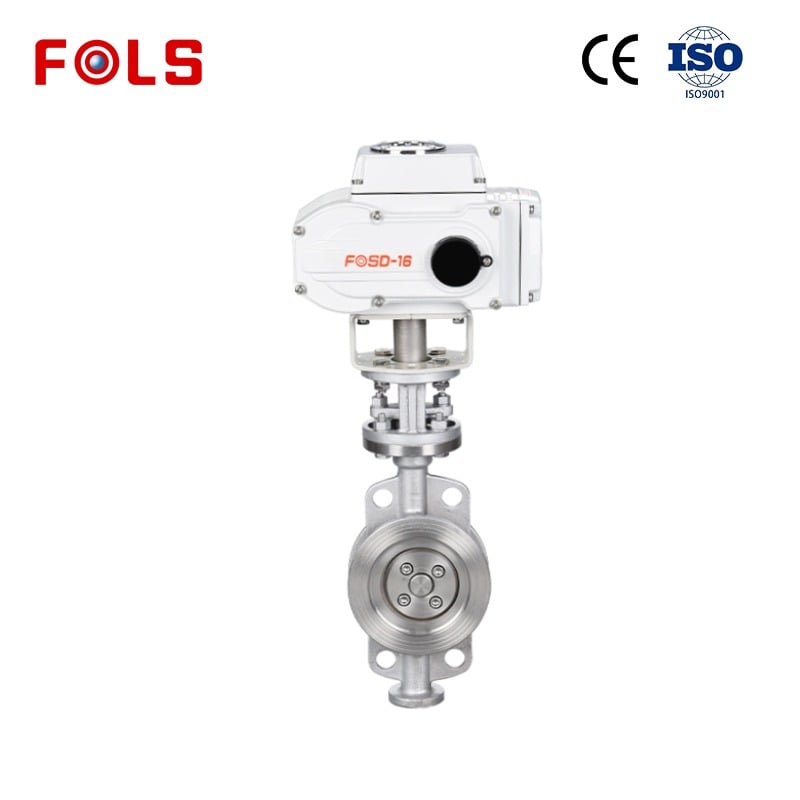
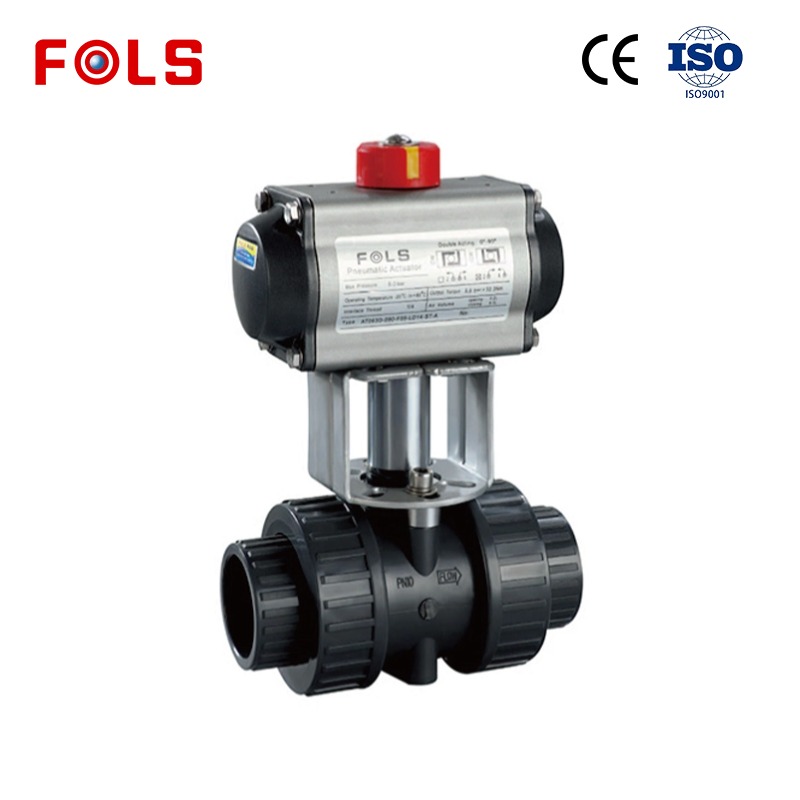
Where remote operation is needed, the Ball Valve, actuator, mounting hardware, controls, and fail position form one operating chain. Torque is not a fixed nameplate thought: it can be affected by differential pressure, seat loading, temperature, media, breakaway condition, and cycling history. It is therefore useful to confirm the valve torque information and the actuator sizing basis together, especially when pneumatic or electric automation will be used.
In refinery reviews, also clarify the required fail action, available air or electrical supply, signal interface, manual override, and local maintenance clearance. Treating the actuator as an accessory can leave a significant gap in a shutdown or interlock discussion. A quick close command is useful only when the assembled valve can move reliably under the defined operating and fault conditions.
Emissions and fire-related requirements should be written as evidence requests
Fugitive emissions can be a decisive issue around volatile media. API 641 addresses fugitive-emissions testing for quarter-turn valves, using methane as the test medium. That reference does not mean every Ball Valve has been tested to the applicable requirement. Instead, a buyer can ask whether the project calls for an emissions standard, what test report or certification package is required, and whether the proposed stem-sealing arrangement corresponds to the requested duty.
The same approach works for fire-related expectations. Do not infer fire-safe performance, emissions performance, or environmental suitability from a generic catalog description. State the requirement in the RFQ, request the relevant evidence, and compare the submitted documentation with the project data sheet. Clear evidence language prevents a procurement conversation from turning an unverified feature into a presumed fact.
Maintenance planning protects the original performance margin
A Ball Valve may look compact in a layout drawing, yet serviceability still depends on clearance around the stem, actuator, fasteners, and connected pipework. In frequent-cycling duty, planned checks should consider operating torque trends, external leakage observations, actuator response, position feedback, and changes in the process medium. The point is not to promise maintenance-free operation; it is to make the inspection plan match the duty that was specified.
Even a term such as 6 ball valve should be clarified before ordering. It may be a shorthand used in an internal request, a count, or an incomplete description rather than a technically sufficient size or configuration statement. Confirm nominal size, bore, pressure class, ends, materials, seat and packing design, actuation, quantity, and documents instead of allowing an ambiguous phrase to carry engineering meaning.
A practical refinery Ball Valve checklist
- Define the medium, normal and upset pressure-temperature conditions, solids, corrosivity, and volatility.
- State the isolation, cycling, shutdown, and automation duty, including the required fail position.
- Confirm body, trim, seat, packing, and elastomer compatibility against the actual service.
- Identify whether API 608, API 6D, an emissions test requirement, a fire-related requirement, or project-specific specifications apply.
- Request torque data, actuator sizing basis, functional-test expectations, and documentation before final approval.
- Check installation orientation, access for maintenance, and the final connection and bore configuration.
Conclusion
Refinery Ball Valve performance is strongest when the valve is selected as part of a documented process and control system. Start with the medium and operating envelope, then review materials, sealing, cavity conditions, automation, emissions evidence, and maintenance access. Guangzhou Fols Valve Technology Co., Ltd. supports industrial valve and automation discussions across oil and chemical applications; for a meaningful technical review, provide the line conditions, connection details, control method, and required documents so the configuration can be assessed against the real duty.
 Hot News