
 EN
Butterfly Valve Selection and Installation Operational Guide
A Butterfly Valve can be compact, straightforward to operate, and well suited to many industrial piping duties. But a reliable result does not come from choosing a valve by nominal size alone. From an industrial-valve application engineer’s perspective, selection should begin with the medium, pressure, temperature, flow objective, and control method; installation comes after those conditions are clear. This guide gives a practical path for evaluating a Butterfly Valve, preparing the line, and putting the valve into service without treating unverified assumptions as specifications.
Start with the duty, not the valve name
Before comparing bodies or actuators, write down what the line actually carries. Ask whether the medium is clean water, wastewater, air, oil, slurry, or a chemically aggressive fluid; identify its normal and upset temperature and pressure; and note any solids, corrosion risk, or pressure cycling. A Butterfly Valve is part of a system, so the pipe schedule, flange faces, adjacent equipment, and maintenance access all affect the decision.
Next, define the function. Is the Butterfly Valve used mainly for isolation, throttling, or frequent automated cycling? The same diameter does not guarantee the same control result. If the service requires a particular shutoff condition, torque margin, or flow characteristic, ask the supplier to confirm it against the full duty rather than infer it from the product name. This is especially important when the operating conditions may change after commissioning.
Map conditions to the valve configuration
Choose body style and connection deliberately
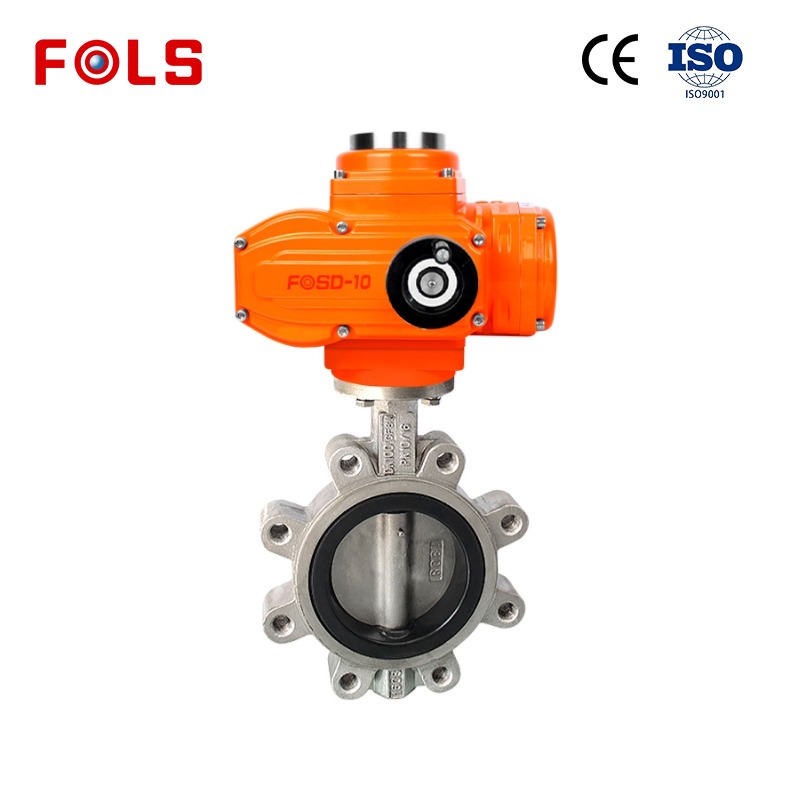
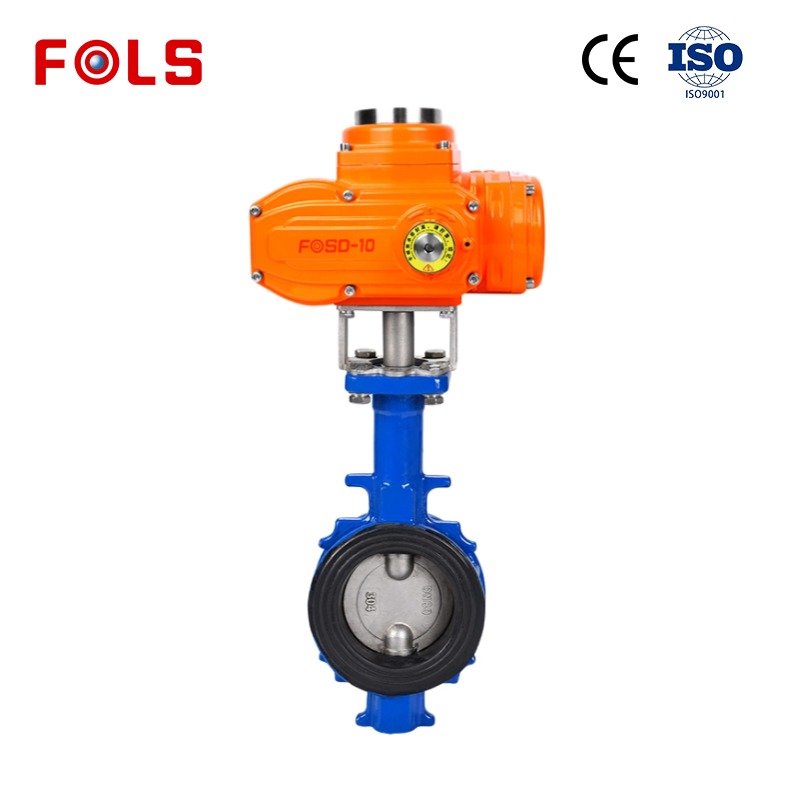
Wafer, lug, and flanged constructions solve different piping and maintenance needs. A wafer-style Butterfly Valve is often considered where a compact between-flange arrangement is appropriate. A lug-style design may be evaluated where the piping arrangement and isolation procedure call for that construction. A flanged Butterfly Valve may suit applications that need a direct flanged connection. The final selection must match the applicable flange standard, bolt pattern, face type, and line layout.
It is useful to compare a Butterfly Valve with a gate valve resilient seated only after the operating objective is stated. A resilient-seated gate valve is generally evaluated for its own isolation characteristics and installation requirements; it is not an automatic substitute for a butterfly design. For a compact line, rapid quarter-turn operation, or actuator integration, a butterfly approach may be worth examining. For another duty, a gate-valve arrangement may deserve equal review. The better question is: which configuration meets the actual conditions with the least unresolved risk?
Confirm materials, seat, disc, and stem as a set
Do not select a Butterfly Valve body material in isolation. The wetted materials, seat or liner, disc, stem, and any fasteners exposed to the environment must be considered against the medium and temperature. A lining or elastomer that performs adequately in one service may require a different review in another. Request the material designation and temperature boundaries in the supplier documentation, then compare them with the project requirements. If chemical compatibility, abrasion, or fire-safe performance matters, make that a documented confirmation point rather than a marketing assumption.
Match the operator to real operating conditions
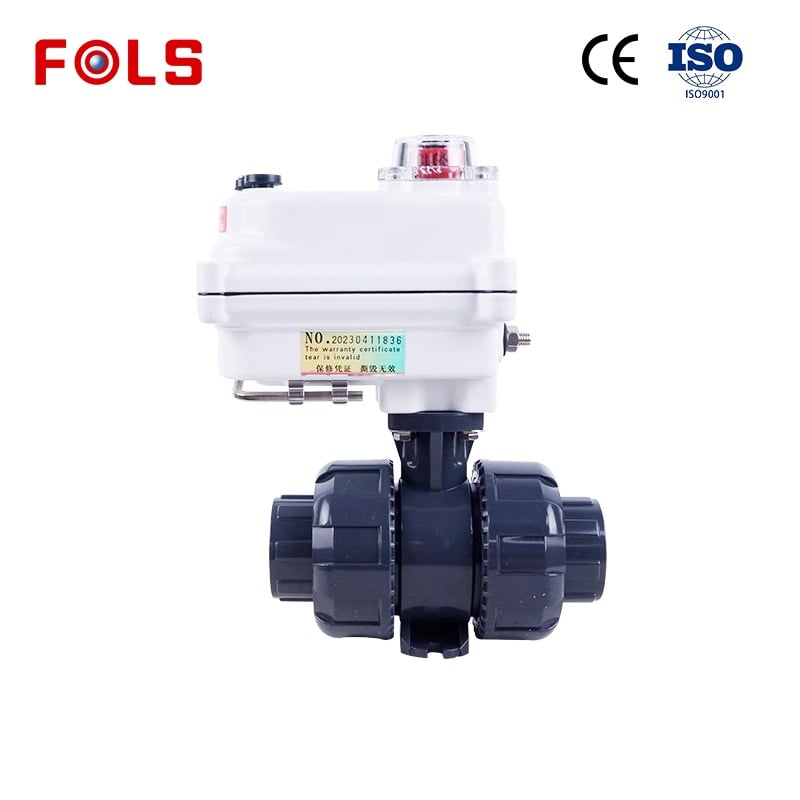
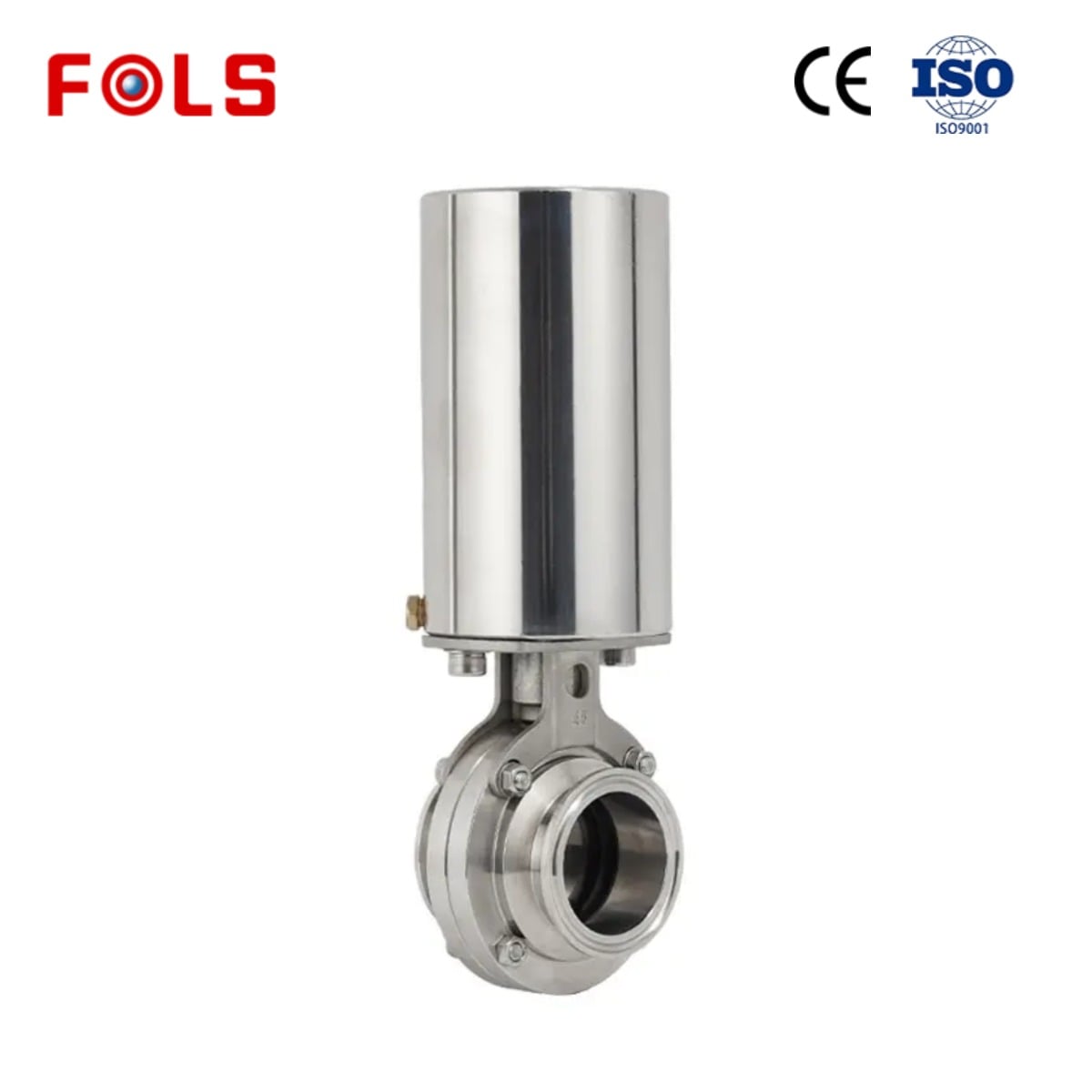
A manual lever, gear operator, pneumatic actuator, or electric actuator changes how the Butterfly Valve will be operated and maintained. Frequent cycles, remote control, emergency position, available air or power, signal interfaces, and access for servicing all belong in the selection record. Treating the actuator as an add-on can leave a critical question unanswered: what should the valve do on a loss of air, power, or signal?
Where a zone valve actuator is part of the control architecture, verify the mechanical interface, required operating torque, control signal, feedback requirement, and intended failure position together. The Butterfly Valve is only one part of the control chain; the actuator, wiring or tubing, controller, and interlocks must be coordinated. If the energy source has not been confirmed, it is usually too early to lock in an automated configuration.
Prepare the installation before fitting the valve
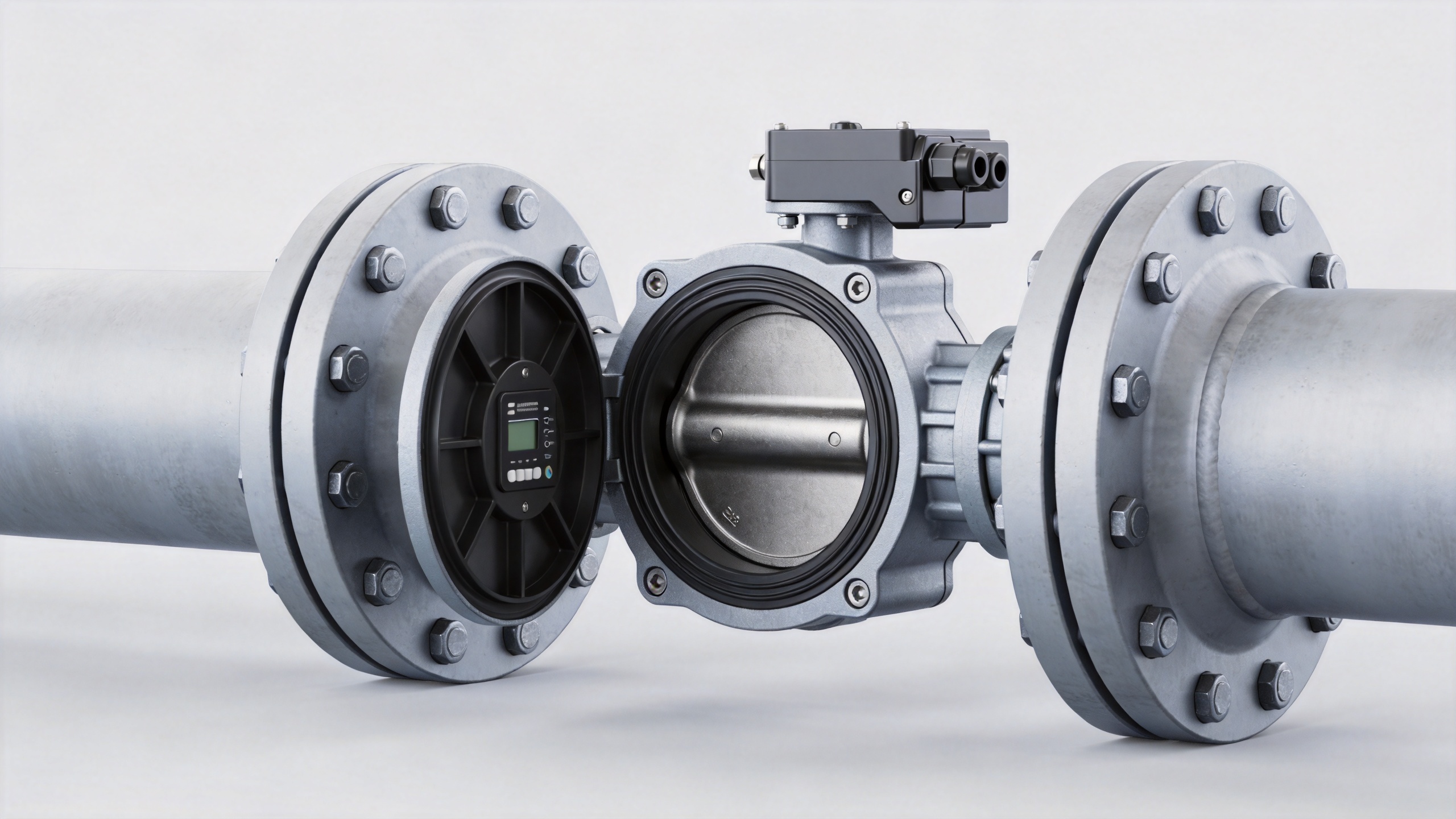
Installation quality can affect sealing, disc movement, and future service access. Before placing a Butterfly Valve in the line, check that the pipe run is supported and that flange faces are clean, aligned, and suitable for the selected valve. Remove weld debris, scale, and foreign matter from the piping. Confirm that there is adequate clearance for the disc to rotate fully and room to inspect or remove the operator later.
For many between-flange installations, guidance commonly recommends positioning the disc slightly open during placement so it is less likely to strike an obstruction or be damaged. That is a practical check, not a universal instruction: follow the installation manual supplied for the specific Butterfly Valve. Do not use the disc to force misaligned pipe ends into position. Correct the pipe alignment first.
A controlled installation sequence
- Verify the tag and documents. Confirm the Butterfly Valve size, pressure class, materials, connection type, operator, and requested documentation against the approved specification.
- Inspect the valve and line. Check for shipping damage, clean the bore and sealing surfaces, and confirm that the disc can move without contacting the pipe or flange bore.
- Align without forcing. Position the Butterfly Valve between correctly aligned flanges. Insert bolts as appropriate for the construction, keeping the valve centered rather than using bolts to pull the line into alignment.
- Tighten progressively. Tighten bolts in a balanced cross pattern using the supplier’s specified sequence and torque values. Uneven or excessive tightening can affect the seat and disc movement.
- Cycle and inspect. Operate the Butterfly Valve through its travel before service. Confirm clearance, position indication, actuator response where fitted, and absence of visible interference.
- Commission safely. Introduce service conditions according to the site procedure, then inspect for leakage or abnormal operation. Record any adjustment or unresolved issue for follow-up.
Use standards and documentation as verification tools
A Butterfly Valve standard should be confirmed for the project rather than presumed from a general description. For example, MSS SP-67 addresses butterfly-valve design, testing, and marking; whether it applies to a given purchase depends on the project specification and valve design. Ask for the relevant drawings, material information, test records, operating instructions, and applicable declarations before presenting a configuration as approved.
Final operational checklist
- Have medium, pressure, temperature, solids, and cycling requirements been documented?
- Does the selected Butterfly Valve connection match the line flanges and installation geometry?
- Are seat, disc, stem, and body materials confirmed for the actual duty?
- Is there disc clearance, maintenance access, and support for the valve and actuator?
- For automated service, are torque, signal, energy source, feedback, and failure position confirmed?
- Are installation torque values and commissioning steps taken from the supplied documentation?
A well-chosen Butterfly Valve is not simply a component that fits between two flanges. It is a verified match between process conditions, piping geometry, operating method, and maintenance needs. Assemble those inputs before ordering, use the manufacturer’s documents during installation, and keep unresolved points visible until they are technically confirmed.
 Hot News