
 EN
Butterfly Valve Applications in Marine Engineering Projects
A Butterfly Valve is often considered when a marine project needs quarter-turn isolation or flow adjustment in a compact pipeline layout. That description is useful, but it is not a selection decision. In shipboard and offshore systems, the real question is whether a particular Butterfly Valve configuration matches the medium, pressure, temperature, installation geometry, operating frequency, and control philosophy.
From an automation-control perspective, a Butterfly Valve is part of a control chain rather than a stand-alone item. The body and disc manage the flow path; the actuator creates motion; the signal interface connects it to local or remote control; and the desired fail state must be defined by the project. This article outlines where a Butterfly Valve can fit in marine engineering and what should be confirmed before a specification is released.
Why a Butterfly Valve Fits Many Marine Piping Layouts
A Butterfly Valve uses a rotating disc to open, restrict, or close flow. Its quarter-turn movement can simplify manual operation and can also suit automated duty when the actuator and control interface are properly matched. In space-conscious engine rooms, pump rooms, treatment skids, and utility lines, a Butterfly Valve may be attractive because the installation envelope can be more compact than some alternative valve arrangements.
Compactness alone should not drive the choice. A Butterfly Valve has a disc in the flow path, and its suitability depends on the system objective. If the priority is compact installation and routine isolation, it may be a practical candidate. If a line has a specific shutoff, throttling, contamination, or maintenance requirement, that requirement needs separate review. More accurately, not every Butterfly Valve is appropriate for every marine line; the seat, materials, pressure-temperature conditions, and operating duty remain decisive.
Marine Engineering Applications to Assess
Seawater cooling and utility circuits
Seawater cooling circuits are a common context for a Butterfly Valve, particularly where a project requires isolation points or controlled flow in larger pipe runs. The selection should begin with the actual water chemistry, exposure conditions, operating temperature, and any solids or biological fouling considerations. Materials for the body, disc, stem, fasteners, and seat must be evaluated as a system. A Butterfly Valve name does not establish corrosion resistance by itself.
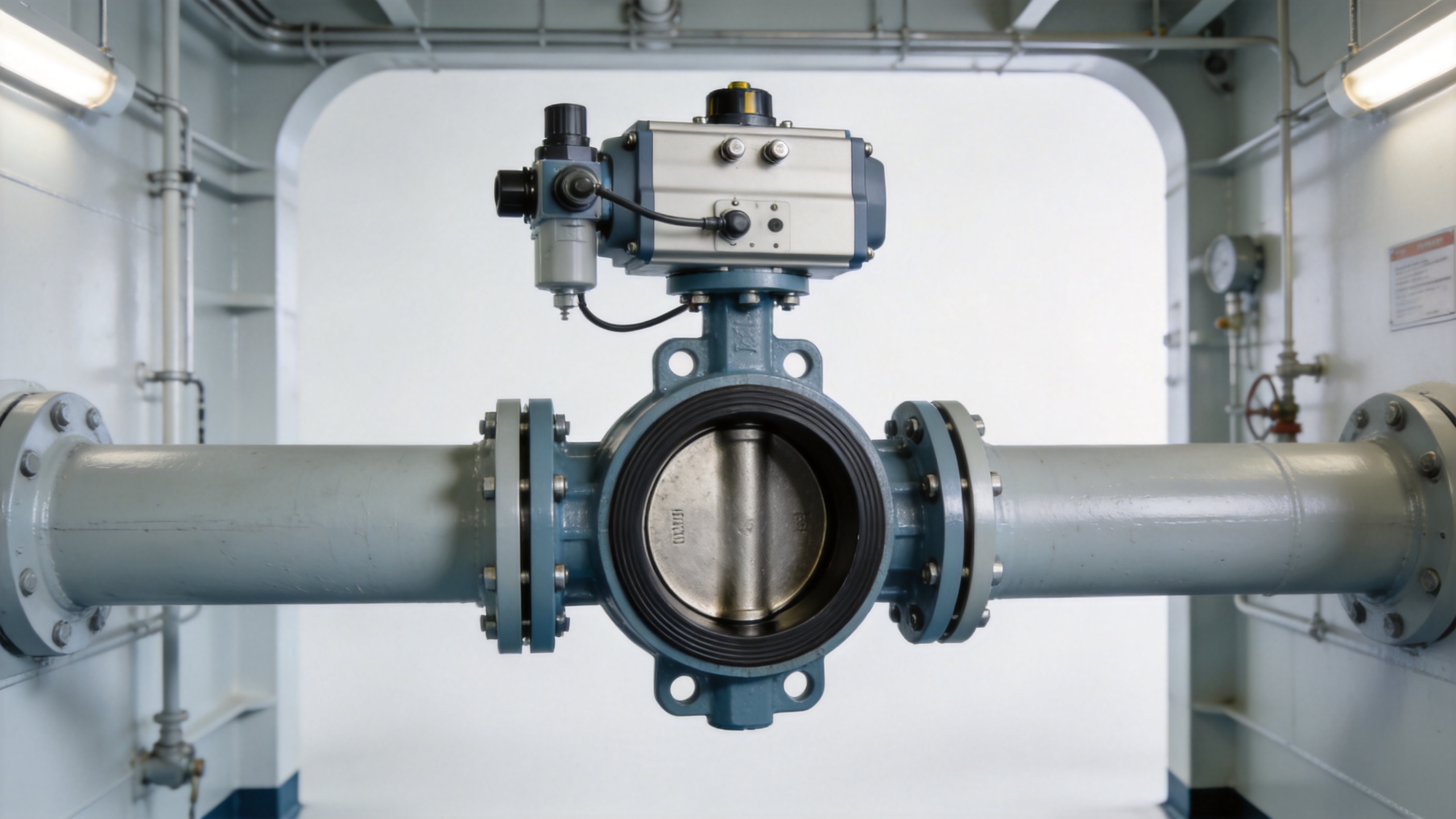
Ballast-water and treatment-system piping
A Butterfly Valve can also be considered in ballast lines and in associated treatment-system piping where the project design calls for suitable isolation or control. The IMO describes ballast-water management as involving a management plan and record book; that regulatory context does not confirm that a particular valve is compliant or approved. Instead, the project team should check the equipment specification, installation drawing, material requirements, and required documentation for the exact Butterfly Valve location.
Fire-main and emergency service isolation
Fire-main arrangements and emergency service lines can place particular emphasis on accessibility, positive operating instructions, and dependable response under the defined duty. A Butterfly Valve may be evaluated for such locations, but the system designer must confirm the required function, relevant authority or class documentation, pressure rating, and fire-safe or emergency requirements where applicable. It is not appropriate to infer those characteristics from the valve type alone.
Bilge, drainage, and auxiliary systems
Auxiliary lines may use a Butterfly Valve where the operating medium and piping design support it. Here, installation direction, clearance around the lever or actuator, and access for inspection can matter as much as nominal bore. A valve discussion cannot be separated from pipe routing: orientation, reachability, and drainability can all change the practical result.
Size Is More Than a Nominal Bore
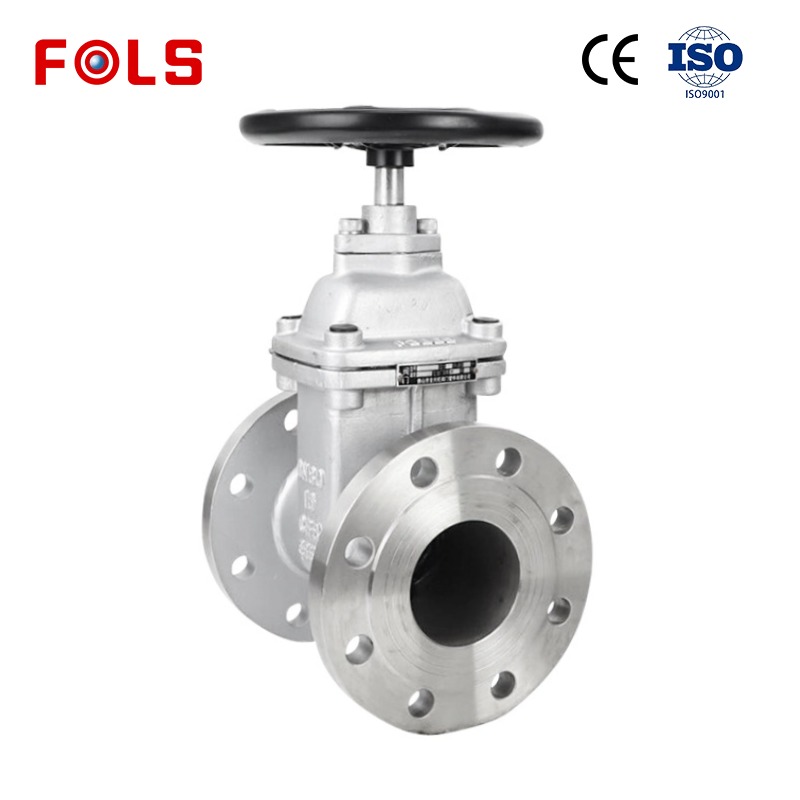
When comparing gate valve sizes with a Butterfly Valve solution, do not treat nominal diameter as the only common variable. A gate valve and a Butterfly Valve serve different mechanical arrangements and may have different space, operation, isolation, and maintenance implications. The appropriate comparison begins by aligning the fluid duty, required pressure class, connection standard, flow-control expectation, and operating frequency.
Large diameter does not make control requirements disappear. As a Butterfly Valve size increases, the project should confirm operating torque, differential pressure at operation, actuator sizing, manual override needs, and structural support. If these inputs are still unknown, the better result is to list them as open items rather than issue a premature recommendation.
Actuation and Control: Treat the Valve as a Complete Assembly
Manual, pneumatic, hydraulic, and electric options can all be relevant, depending on the vessel or facility control architecture. For a Butterfly Valve that requires remote positioning, the actuator is not an accessory. It affects response time, available torque, loss-of-power behavior, local override, feedback, and the way the assembly is maintained.
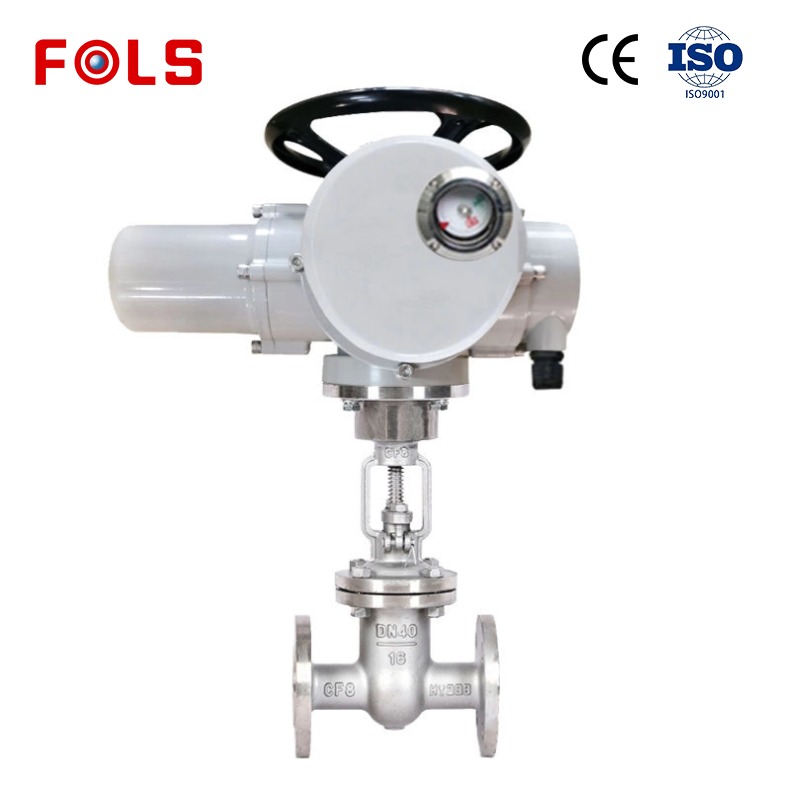
A submersible electric actuator may be part of a project discussion when environmental exposure and ingress protection are important, but suitability must be confirmed from the actual equipment data and installation conditions. Before choosing an electrically actuated Butterfly Valve, ask whether the power supply, signal type, enclosure requirement, cable routing, mounting space, and fail-position requirement are known. If those conditions are stable, an electric solution can be assessed; if they change, the selection should be revisited.
A Practical Marine Butterfly Valve Confirmation Checklist
- What is the actual medium, including salinity, suspended solids, chemical-treatment exposure, and temperature range?
- What are the normal and maximum pressure conditions, including the differential pressure at operation?
- Which body, disc, stem, seat, and fastener materials are required by the project?
- What connection type, face-to-face space, and installation orientation does the pipe layout allow?
- Is the Butterfly Valve for isolation, regulation, or a defined emergency function?
- Will it be manual or automated, and what torque, power, signal, feedback, and fail-state information is available?
- Which drawings, test records, certificates, or approvals must be supplied for project verification?
Use a Conditional Selection Path
The useful question is not “Is a Butterfly Valve suitable for this marine duty?” It is “Under the stated marine conditions, is this Butterfly Valve assembly an appropriate option?” That shift prevents a product label from replacing engineering inputs. It also keeps early procurement discussions productive: the supplier and project team can clarify the valve construction, interface, and documentation before making claims about service suitability.
For marine engineering projects, a Butterfly Valve can be a strong candidate in cooling, ballast, fire-main, drainage, and auxiliary systems when the complete assembly has been matched to the duty. The next step is to consolidate the medium, pipe size, pressure-temperature range, connection standard, control requirement, and verification documents into one specification checklist. That gives a technical team a clearer basis for comparing configurations without turning unverified assumptions into commitments.
 Hot News