
 EN
How to Select Certified Pneumatic Ball Valve Partners
Choosing a Pneumatic Ball Valve partner is not the same as choosing a catalog item. A valve may look suitable in a quotation, yet the supplier may be unable to connect its claimed certificates, actuator configuration, solenoid selection, pressure-test record, and shipment documents to the exact unit you plan to install. For an industrial buyer, that gap creates delays during approval, commissioning, or maintenance.
From a procurement evaluation perspective, the useful question is not “Which supplier says it is certified?” It is “Which partner can provide traceable evidence for the specified Pneumatic Ball Valve and clarify what each document actually covers?” The following process helps purchasing and engineering teams compare partners on evidence, responsiveness, and fit for the operating conditions.
Start With a Configuration That Can Be Verified
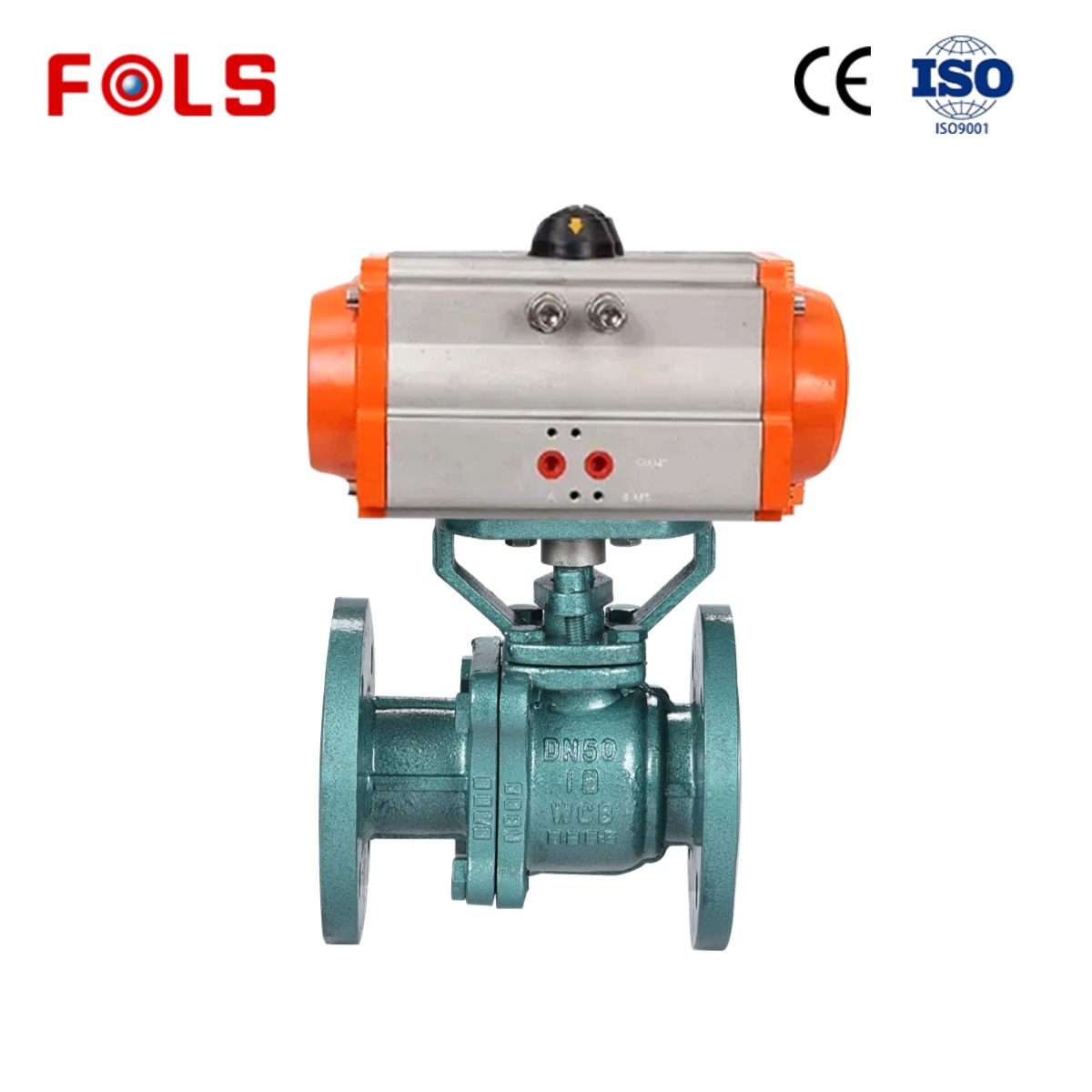
Before asking for certificates, write a clear request-for-quotation checklist. A Pneumatic Ball Valve is a quarter-turn valve body paired with an air actuator, but the final assembly can vary substantially. Define the medium, design pressure, temperature range, line size, connection type, body and seal materials, operating frequency, available instrument air, failure position, and required control signal.
This is particularly important when the valve will serve a defined zone valve function. “Zone valve” describes a role in a system, not a complete specification. The partner should understand whether the zone needs isolation, sequencing, emergency shutdown, or remote monitoring. That context affects the fail action, actuator type, accessories, and documentation you need to review.
A short, structured specification also prevents a common comparison error: suppliers may quote different ball constructions, seal materials, mounting arrangements, or actuator torque margins under the same general name. A lower initial price is difficult to evaluate until those differences are visible.
Ask What “Certified” Means for This Exact Assembly
Certification is not a single universal label. It may refer to a quality-management certificate held by a manufacturer, material traceability, a pressure-test report, product conformity documentation, application-specific compliance, or a third-party inspection. A capable Pneumatic Ball Valve partner should identify the document by name, issuer, revision or validity information, and the product scope it covers.
Ask the supplier to separate three categories:
- Company-level documents: documents describing the manufacturer or its quality system.
- Product-family documents: documentation that applies to a defined range, subject to stated limitations.
- Order-specific records: inspection, test, material, or configuration records tied to the quoted valve.
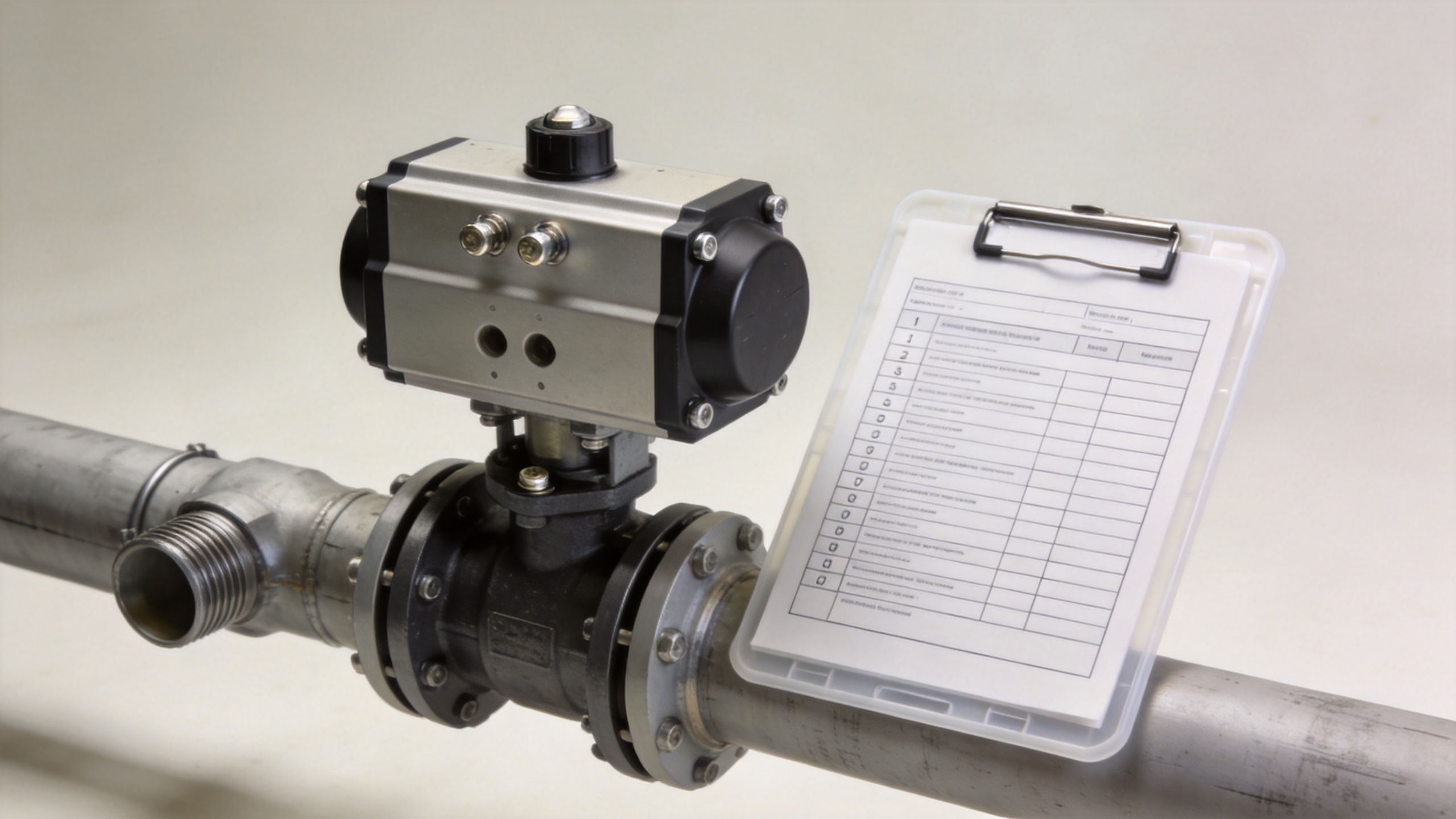
This separation matters because a company document alone does not prove that every Pneumatic Ball Valve on an order has the requested materials, actuator, or test coverage. Do not treat a logo in a brochure as verification. Instead, ask which document will be delivered with the order and what serial number, tag number, batch reference, or item code will connect it to the delivered assembly.
Check Valve, Actuator, and Solenoid Compatibility Together
The valve body is only one part of an automated package. Review the interface between the ball valve and actuator, including the mounting pattern, stem connection, travel, torque basis, and accessory arrangement. When an ISO 5211 interface is specified, use it as a compatibility checkpoint in the supplier’s drawing and data package; confirm the specific mounting details rather than assuming interchangeability.
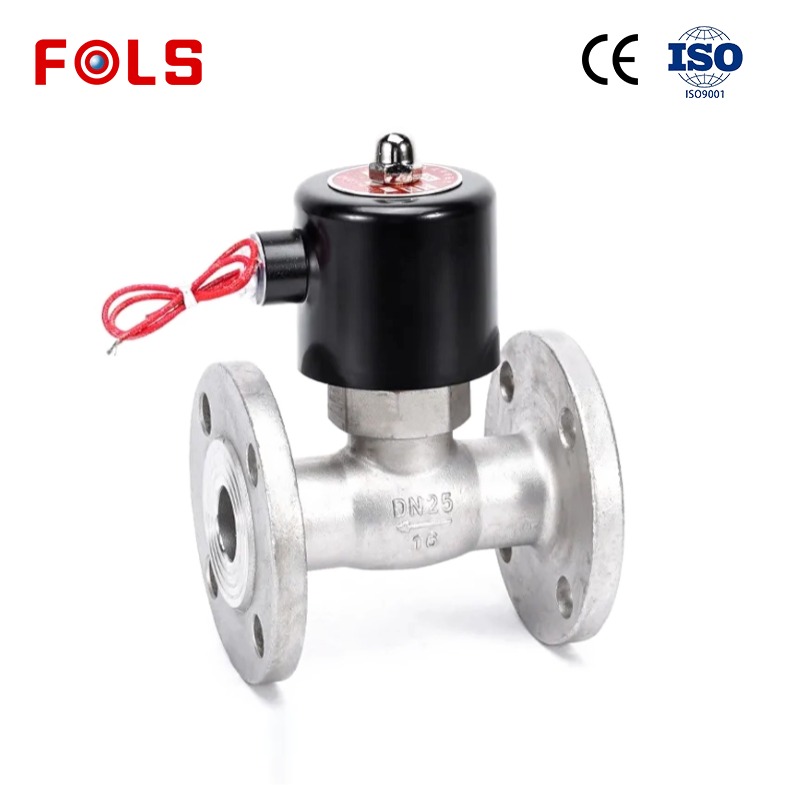
The solenoid also deserves separate review. Ask whether it is included in the quoted assembly, what voltage and control arrangement are proposed, whether the pneumatic circuit supports the requested fail position, and what supporting datasheets or identification will accompany it. A solenoid may be selected differently for double-acting and spring-return actuation, so an incomplete control description can cause a late change even when the valve body is acceptable.
For a zone valve used in a critical isolation area, request a clear functional description: normal state, commanded state, loss-of-air behavior, loss-of-power behavior, manual override needs, and any position feedback requirement. These details help the supplier propose a coherent Pneumatic Ball Valve package instead of a collection of loosely matched components.
Use Documents to Test Traceability, Not Just Availability
A partner may quickly send sample certificates. That is useful, but the stronger test is whether the sample can be mapped to your proposed configuration. Ask for a document matrix that lists each required item, its expected delivery stage, and its relationship to the quotation line. A practical matrix can include:
- Quotation item number and full configuration description.
- General arrangement drawing or dimensional confirmation.
- Valve and actuator identification, including any tag or serial-number approach.
- Applicable inspection or pressure-test record and acceptance basis.
- Material documentation when it is part of the purchase requirement.
- Datasheets for the actuator and solenoid, where supplied.
- Packing, preservation, and shipment document requirements.
Look for consistent terminology across these files. If the body material, seal, connection standard, actuator type, or valve size changes between the quotation and a certificate sample, request clarification before issuing the purchase order. The goal is not to burden a partner with paperwork; it is to avoid discovering a configuration mismatch after fabrication or delivery.
Evaluate Technical Communication Before Placing the Order
Responsive technical communication is a practical signal of partner quality. Give shortlisted suppliers the same operating data and compare their questions. A reliable Pneumatic Ball Valve partner will normally ask for missing decision inputs instead of promising suitability with no conditions. For example, it may need to confirm media compatibility, pressure differential, cycle frequency, ambient conditions, air supply, and whether the installation is a general on/off line or a defined zone valve.
Pay attention to how the supplier handles uncertainty. A careful answer such as “please confirm the seal and air supply before final selection” is often more valuable than an absolute statement. It shows the partner is separating confirmed facts from items that still require engineering confirmation.
Compare the Total Approval and Ownership Burden
Initial unit price matters, but it is not the full commercial comparison. Estimate the time required to resolve document gaps, redraw incorrect mounting details, replace an unsuitable solenoid, or obtain records after shipment. A supplier that supplies a consistent submittal package can reduce approval effort and make future maintenance easier.
Ask each bidder for lead-time assumptions, document turnaround, inspection options, packaging practice, spare-part identification, and a clear contact for technical deviations. If multiple plants or distributors are involved, ask who owns the final configuration review. A suitable partner makes accountability visible.
A Practical Partner-Selection Checklist
- Does the quotation state the full Pneumatic Ball Valve configuration rather than a generic product name?
- Can the partner explain what each claimed certificate covers and what must be confirmed per order?
- Are valve, actuator, mounting interface, and solenoid documented as one compatible package?
- For a zone valve role, are normal, fail, and control states explicitly described?
- Can the supplier provide a traceability path from quotation to test or inspection records and shipment?
- Does the technical team identify missing process data rather than making unsupported suitability claims?
- Are delivery responsibilities, deviation handling, and post-sale contacts clear?
Make the Purchase Order the Final Control Point
Once a partner is selected, attach the agreed specification and document matrix to the purchase order. State which approvals are required before shipment and how substitutions must be handled. This converts the selection discussion into an auditable workflow.
A well-chosen Pneumatic Ball Valve partner does more than supply a valve. The partner helps your team verify configuration, coordinate the actuator and solenoid, and receive records that match the actual order. That disciplined approach supports a smoother approval process for both routine automation projects and critical zone valve applications.
 Hot News