
 EN
How to Choose the Right Pneumatic Butterfly Valve Supplier
Choosing a Pneumatic Butterfly Valve supplier is not simply a matter of comparing catalog pages or asking for the lowest quotation. The supplier becomes part of the decision when the valve body, actuator, air supply, control signal, installation constraints, and documents all have to work together. For a buyer, the useful question is not “Which supplier says it has the right valve?” It is “Which supplier can turn our operating conditions into a configuration we can verify?”
That distinction matters in drainage, water-treatment, building-material, transport, oil, chemical, and other industrial piping applications. A compact quarter-turn valve can be a practical automation choice, but a suitable Pneumatic Butterfly Valve still depends on the medium, pressure, temperature, line size, sealing materials, cycling pattern, and required fail position. A capable supplier helps clarify those points before an order locks them in.
Start with the application, not the supplier’s product name
Before comparing suppliers, create a short application brief. List the fluid or gas, operating and design pressure, temperature range, nominal size, connection standard, installation direction, control method, available air supply, and expected opening-and-closing frequency. If the line may see solids, corrosion, vacuum, or changing media, say so. These details affect the valve body, seat, disc, stem, actuator torque, and accessories.
A Pneumatic Butterfly Valve is a system rather than a disc valve with an actuator attached. The actuator choice must reflect valve torque and operating conditions, while the control package must match the plant’s command and feedback needs. A supplier that asks about these inputs is usually making the configuration visible; a supplier that confirms a model without them may be relying on assumptions that later become change requests.
Use the same discipline when adjacent items are involved. A sewer check valve or a quiet check valve may sit in a related drainage or pump-system discussion, but it solves a different duty: preventing reverse flow rather than automatically isolating or regulating a line. Ask the supplier to distinguish the functions instead of treating every pipeline valve as interchangeable.
Evaluate technical clarification before you evaluate price
A quotation is easier to compare when every supplier answers the same questions. For each proposed Pneumatic Butterfly Valve, request a written configuration summary. It should identify the valve type and size, body and disc materials, seat material, end connection, pressure and temperature limits for the stated configuration, actuator model, actuation mode, accessories, and any assumptions still awaiting confirmation.
Check the actuator and fail position
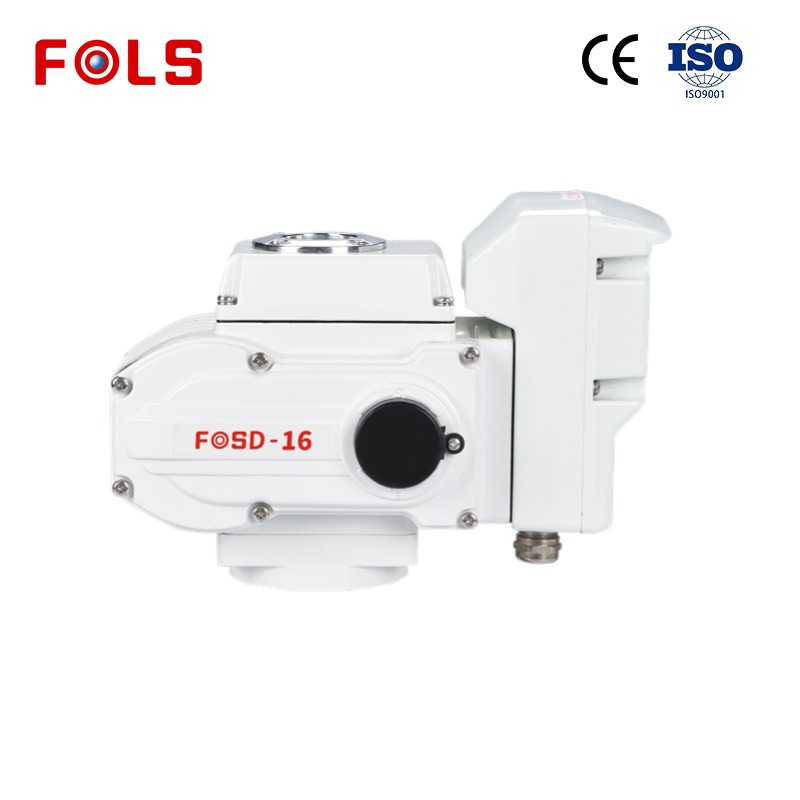
Ask whether the proposed actuator is double acting or spring return, and ask the supplier to state the intended failure action in plain language. “Fail closed,” “fail open,” or “stay in position” may change the right actuator arrangement, but only after the process consequence is understood. Do not treat a pneumatic actuator as an incidental accessory. It needs compatible air pressure, torque allowance, mounting, travel adjustment where applicable, and control components.
Also request the basis for actuator selection. The useful response is not an unsupported promise that the actuator is “powerful enough.” It is a confirmation that the supplier has considered the valve’s operating torque, the stated pressure differential, the medium, the seat, and the required operating conditions. Where the final process data are incomplete, the supplier should name the missing variables rather than quietly fill them in.
Check materials and sealing against the medium
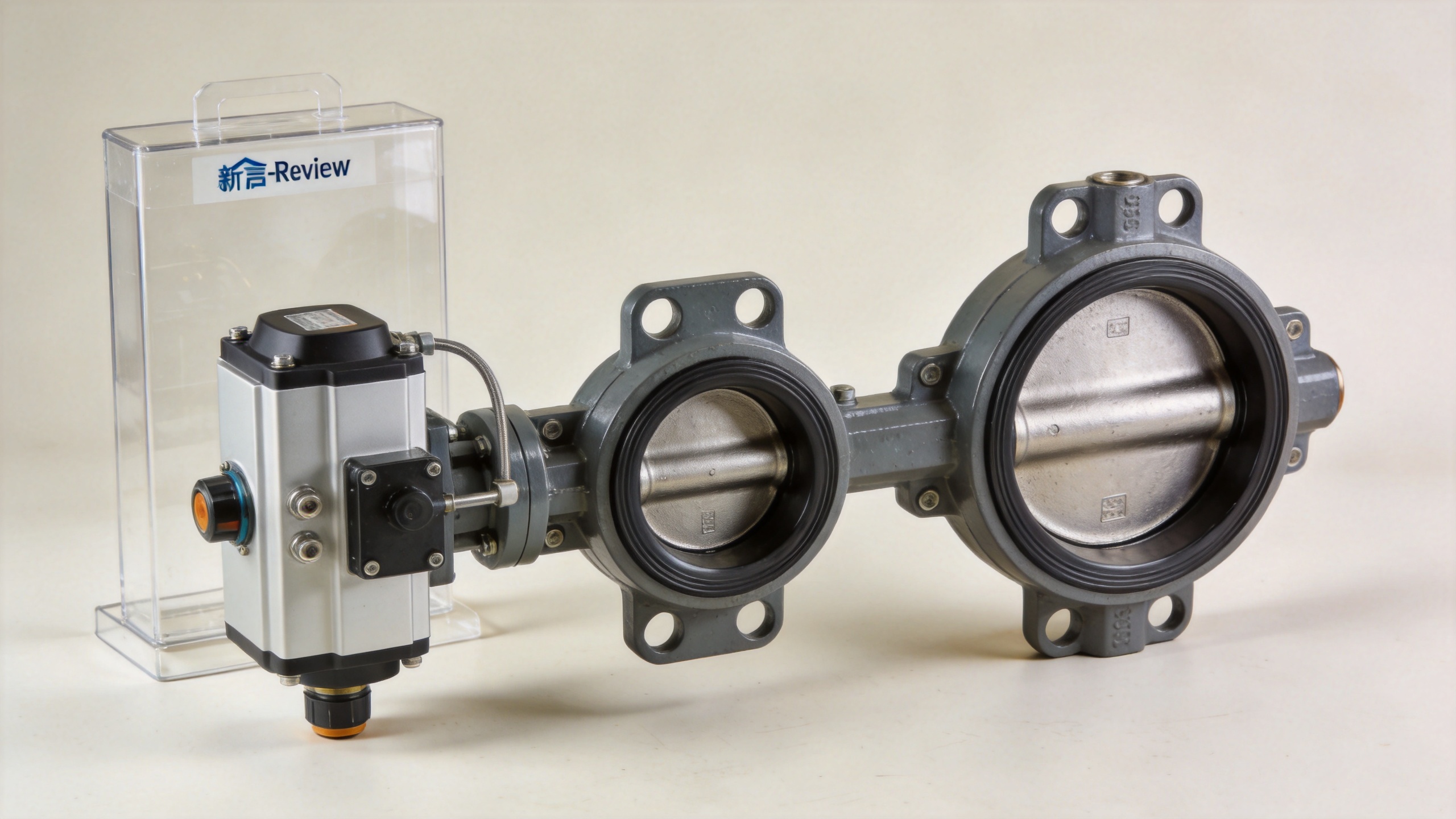
Two products described as a Pneumatic Butterfly Valve can have very different application boundaries. Ask the supplier to identify which wetted materials and seat material are proposed and why they fit the declared medium and temperature. If chemical compatibility, abrasive particles, or elevated temperature are concerns, request that those conditions be explicitly reviewed. A general product page cannot replace that confirmation.
Look for evidence of manufacturing and quality control
Supplier capability is easier to judge through evidence than through broad claims. Ask what documents can be supplied for the exact configuration under discussion. Depending on the project, this could include a dimensional drawing, data sheet, material information, test records, inspection records, actuator documentation, packing details, and instructions for installation or maintenance. Do not assume that a named certification, pressure class, material grade, or test method applies unless the supplier can provide the relevant evidence for the offered item.
Questions about revision control are useful too. If the line size, connection, or control requirement changes after quotation, how will the supplier identify the revised configuration? Can it issue an updated drawing or data sheet before production? Clear answers reduce the risk that a purchase order and a production specification diverge.
Assess communication as a technical service
For international B2B purchasing, responsiveness is not measured only by speed. Good communication means a supplier separates confirmed facts from open questions, explains alternatives without forcing a premature choice, and records agreed details in a traceable form. This is particularly important when a Pneumatic Butterfly Valve must work with existing solenoids, position feedback, pneumatic tubing, or control logic.
Test the process with a small set of questions: Who will clarify the technical specification? What information is needed before the supplier can confirm a configuration? How are drawings approved? What is the approach to spare parts, commissioning questions, and an issue found after delivery? A concise, specific answer is more useful than a long marketing statement.
Compare total value instead of headline price
The lowest line-item price can become less attractive if it leaves essential details unresolved. When comparing offers, consider the completeness of the specification, documents included, lead-time assumptions, packing requirements, communication effort, and support after shipment. This does not mean the most expensive option is automatically better. It means the comparison should put the same scope on each side.
A practical comparison table may include: quoted valve and actuator configuration; materials and seat; air-supply and control assumptions; fail position; included accessories; submitted drawings and records; commercial terms; delivery and packing; support contact; and open technical items. If a sewer check valve or quiet check valve is also required in the wider system, list it separately so the supplier’s proposal does not blur its reverse-flow function with the automated isolation duty of the butterfly valve.
Use a supplier-ready RFQ checklist
Send every shortlisted supplier the same information. It makes replies comparable and gives a technically careful supplier a fair chance to identify missing details.
- Medium, including solids, corrosion, or other relevant properties
- Normal and maximum pressure and temperature
- Valve size, connection standard, and installation constraints
- Required function: on/off, control, isolation, or another stated duty
- Available instrument-air conditions and preferred actuator action
- Required control signal, solenoid arrangement, and feedback needs
- Preferred materials, seat, and any project restrictions
- Documents, drawings, inspection records, packing, and delivery expectations
- Questions about spare parts, service support, and change handling
Make the final choice on verified fit
The right Pneumatic Butterfly Valve supplier is the one that can help you establish a verified fit between the valve assembly and the application. Look for a supplier that asks focused questions, documents its assumptions, offers configuration choices with clear boundaries, and supports a review before production. FOLS Valve focuses on industrial valves, pneumatic valves, and automatic-control discussions for applications such as drainage, environmental wastewater treatment, oil, and chemical piping. For a specific project, the next useful step is to share the RFQ checklist and ask for a configuration and documents that can be checked against the actual service conditions.
That approach protects both the buyer and the supplier. It turns an ambiguous request for a Pneumatic Butterfly Valve into a controlled technical conversation—one where price, lead time, and product details can be evaluated on the same foundation.
 Hot News





