
 EN
How Manual Ball Valve Provides Simple On Off Control
A Manual Ball Valve is often chosen when a pipeline needs a clear open-or-closed position without an actuator, power supply, or control signal. The basic idea is simple, but reliable isolation still depends on the medium, pressure, temperature, seal material, end connection, and how frequently an operator must move the handle. From an industrial valve application engineer’s viewpoint, the useful question is not whether one valve type is universally better. It is whether a Manual Ball Valve fits the actual duty of the line.
What happens when a Manual Ball Valve is turned?
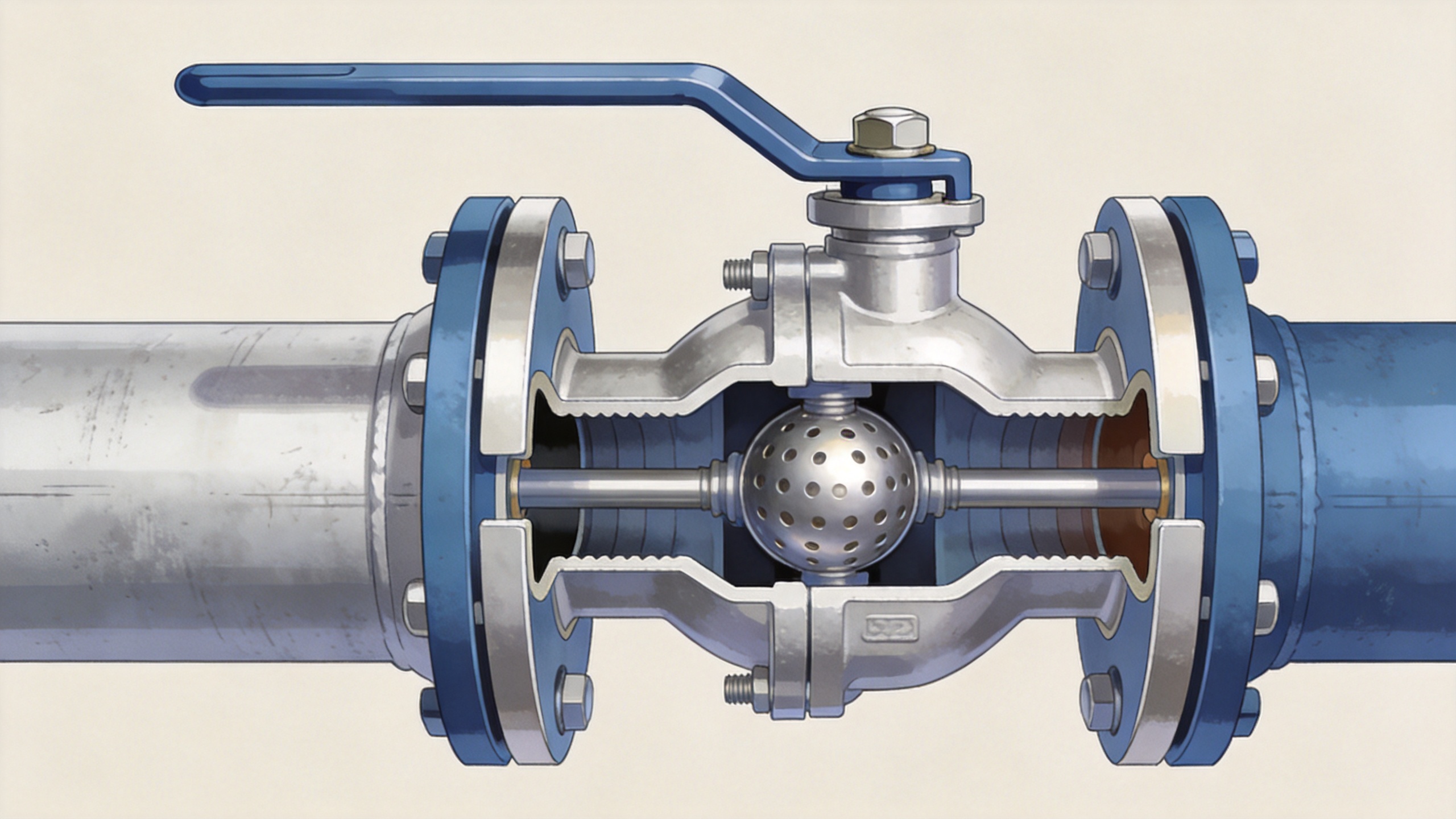
Inside a typical Manual Ball Valve, a drilled ball sits between seats in the valve body. The handle drives the stem, and a quarter turn rotates the ball. When the bore lines up with the pipe, flow can pass through. When the solid side of the ball faces the flow path, the valve is in its closed position. That direct movement is why a Manual Ball Valve is commonly used for straightforward on-off isolation rather than delicate throttling.
The handle position also gives personnel a quick visual cue. In many common arrangements, a handle parallel to the pipe suggests an open flow path and a perpendicular handle suggests a closed position. However, the exact travel stop, locking arrangement, and visual convention should be confirmed for the selected design. A Manual Ball Valve should not be treated as a process indicator when the installed configuration has not been checked.
Why this simple control method is useful
A Manual Ball Valve removes several layers from the control chain: there is no electric actuator, pneumatic supply, positioner, or signal wiring needed just to isolate a local line. That can make it practical for utility branches, maintenance isolation points, sampling arrangements, and systems where an operator can access the valve safely and operation is not continuous. In a stable service, the quarter-turn action can make the intended on-off task easy to understand and easy to communicate.
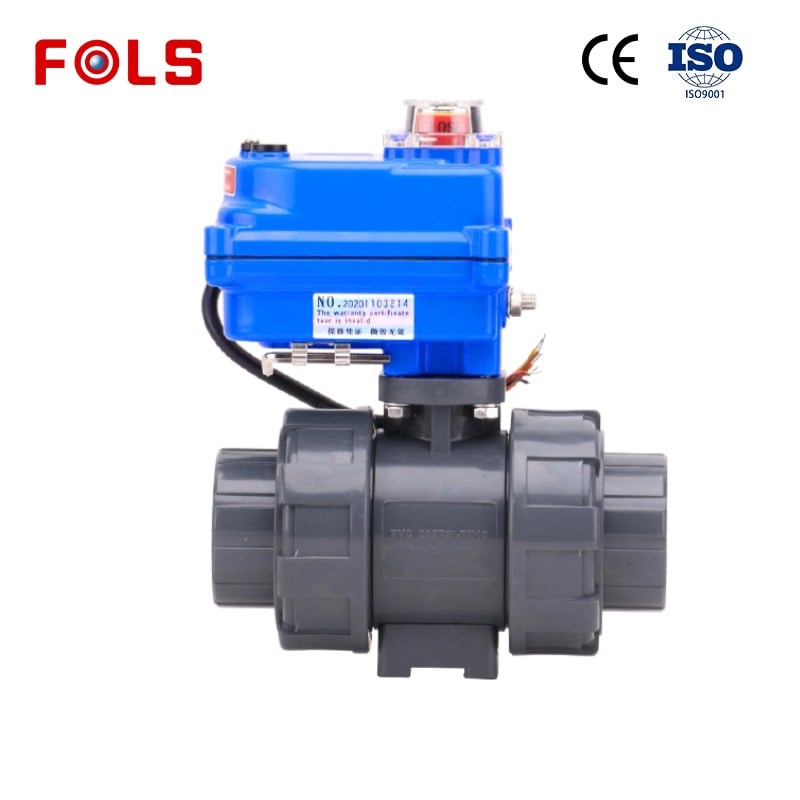
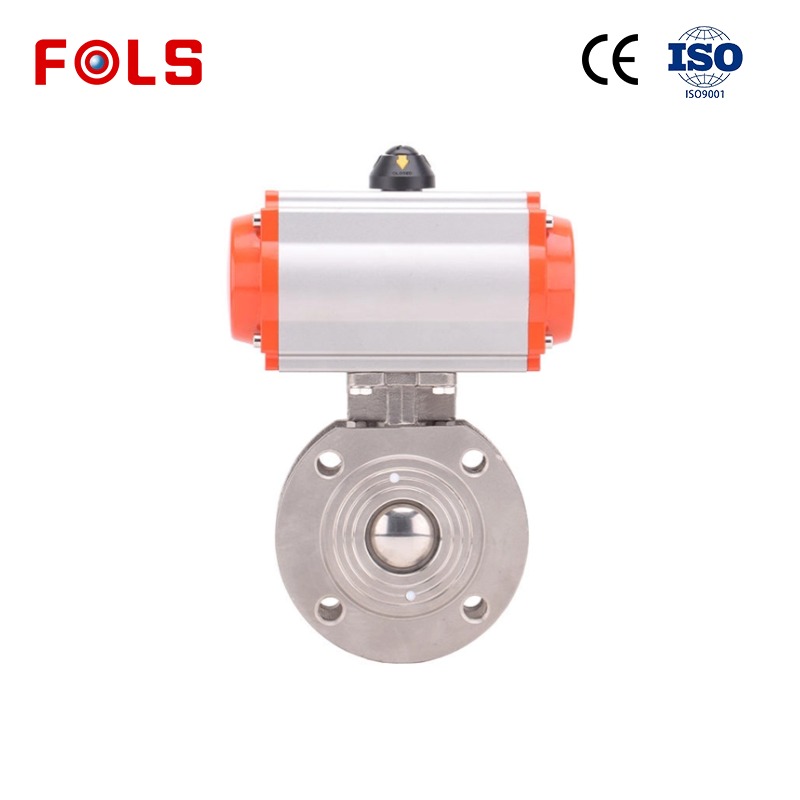
Still, simple operation is not the same as automatic suitability. If a valve must cycle frequently, sits in an inaccessible area, must close from a remote control room, or needs a defined failure position, manual operation may no longer be the most suitable starting point. In those cases, it is worth comparing an actuated arrangement rather than forcing a Manual Ball Valve into a control duty it was not selected to handle.
Port choice affects the flow conversation
When buyers say they need a Manual Ball Valve, they should also state whether the application needs a full-port or reduced-port construction. In a full-port design, the ball bore is approximately aligned with the pipe’s inside diameter. That can be relevant where restriction, cleaning access, or flow characteristics matter. A reduced port may be appropriate in other services, but its bore geometry needs to be considered with the line requirements rather than assumed from the valve’s outside size.
Do not start with the question, “Which ball valve fits the duty?” Start by writing down the medium, line size, pressure, temperature, and operating objective. A single pressure number has meaning, but it matters more whether it matches the body material, seat material, connection, and temperature condition of the system. For metal industrial ball valves, project requirements may reference standards such as API 608 or pressure-temperature and construction considerations associated with ASME B16.34; the applicable edition and documentation still need to be verified for the purchase specification.
Key specifications before selecting a Manual Ball Valve
For a dependable Manual Ball Valve selection, prepare a short confirmation list before requesting quotations:
- Medium: identify whether the line carries water, air, oil, chemicals, slurry, or another fluid, including any solids or compatibility concerns.
- Pressure and temperature: provide normal and maximum conditions, then check them against the exact body and seat combination.
- Connection and size: confirm threaded, flanged, welded, or sanitary connections, plus nominal size and applicable dimensional requirements.
- Seal and body materials: match them to the chemical and thermal conditions instead of selecting by valve name alone.
- Operating frequency and access: clarify how often personnel will turn the handle and whether a lockable position or extended stem is needed.
This checklist helps prevent a common early-stage problem: receiving prices for valves that look similar but differ in connection, sealing, bore, or pressure-temperature capability. Guangzhou Fols Valve Technology Co., Ltd. works across industrial pipeline and automatic-control discussions, so a practical inquiry can combine these process details with the intended control method before a final configuration is proposed.
Where tri clamp valve connections change the question
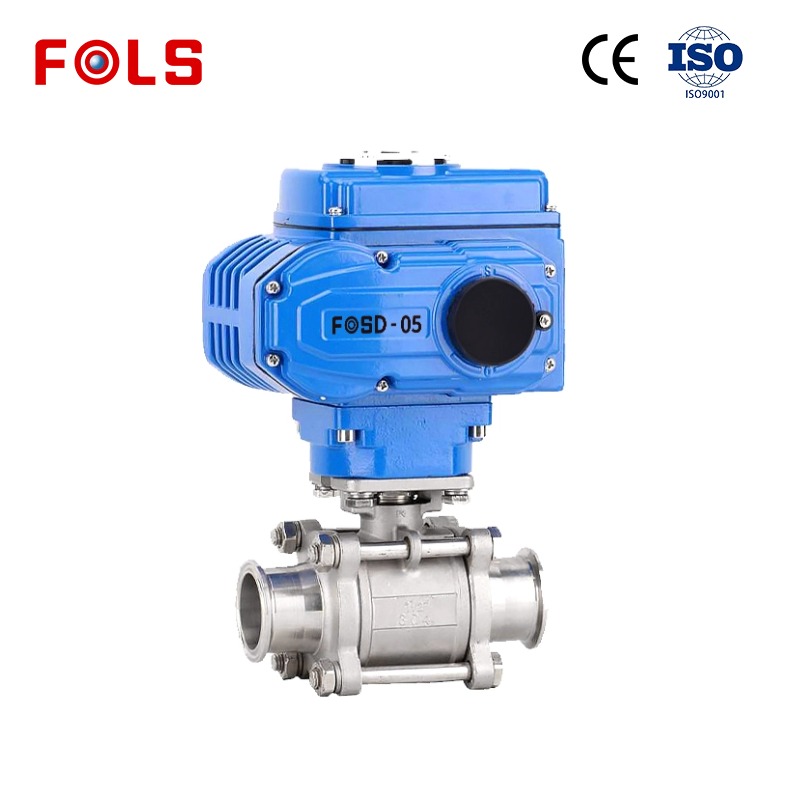
A tri clamp valve is not simply another name for every Manual Ball Valve. The term points first to a sanitary clamp-style connection and the cleaning or connection requirements that may come with it. If a hygienic process needs quick disassembly, surface-finish considerations, or a specific clamp standard, those requirements should be written into the request. A Manual Ball Valve can be evaluated for that service only after its materials, sealing arrangement, and connection details are confirmed.
How it differs from a double eccentric butterfly valve
A double eccentric butterfly valve is another isolation option, but its disc geometry, sealing behavior, installation considerations, and suitable size range differ from a ball valve. It should not be described as a universal replacement for a Manual Ball Valve. If the line has large diameter, specific pressure conditions, limited space, or a different sealing requirement, a comparison may be useful. The comparison should begin with the operating conditions, not with a broad claim that one design automatically outperforms the other.
Make manual control easier to manage
Before installation, identify the desired open and closed positions, confirm the handle clearance, and ensure the operator can reach the Manual Ball Valve without unsafe posture or interference from adjacent pipework. During routine checks, look for external leakage, unusual handle resistance, damaged locking devices, and changes in the process conditions that may affect seat performance. If a valve begins to require excessive force, do not treat a longer handle as the automatic fix; first check the cause and the manufacturer’s maintenance guidance.
Conclusion
A Manual Ball Valve provides direct, understandable on-off control because a hand-operated quarter turn changes the ball bore from aligned to closed. That simplicity is valuable when local access, infrequent operation, and a defined isolation task fit the process. The strongest selection path is equally simple: confirm the medium, pressure, temperature, port, materials, connection, and operating frequency, then verify the chosen Manual Ball Valve configuration against the project requirements. That approach creates a clearer basis for technical communication than relying on the valve name alone.
 Hot News