
 EN
How Globe Valve Provides Accurate Throttle Control
When a process needs flow adjusted rather than simply started or stopped, a Globe Valve is often considered because its moving plug and fixed seat make the restriction visible, gradual, and controllable. From an industrial valve application engineer’s perspective, the useful question is not whether every globe valve is “precise.” It is whether the valve body, trim, pressure drop, actuator, and process conditions work together to provide the required control.
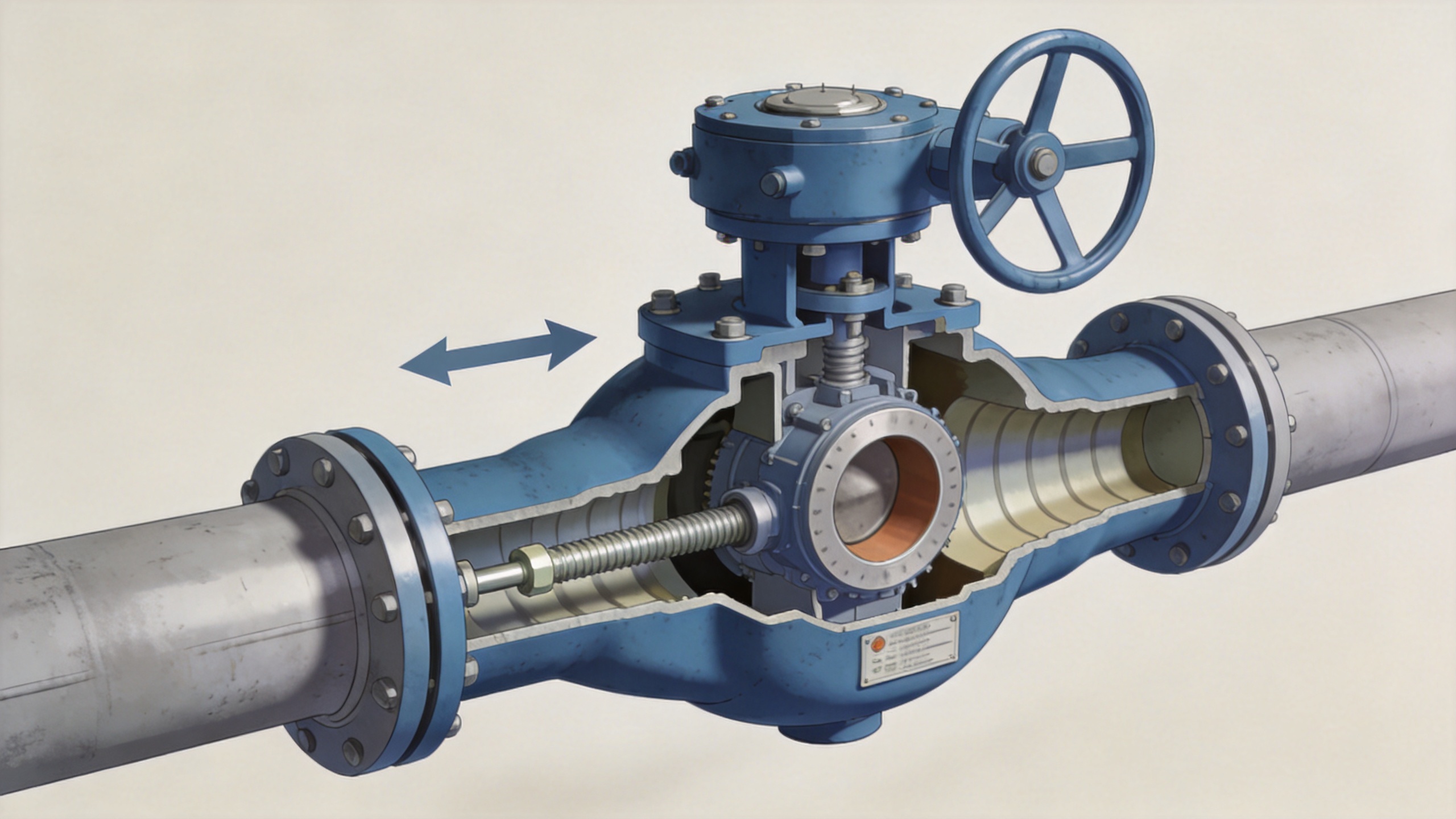
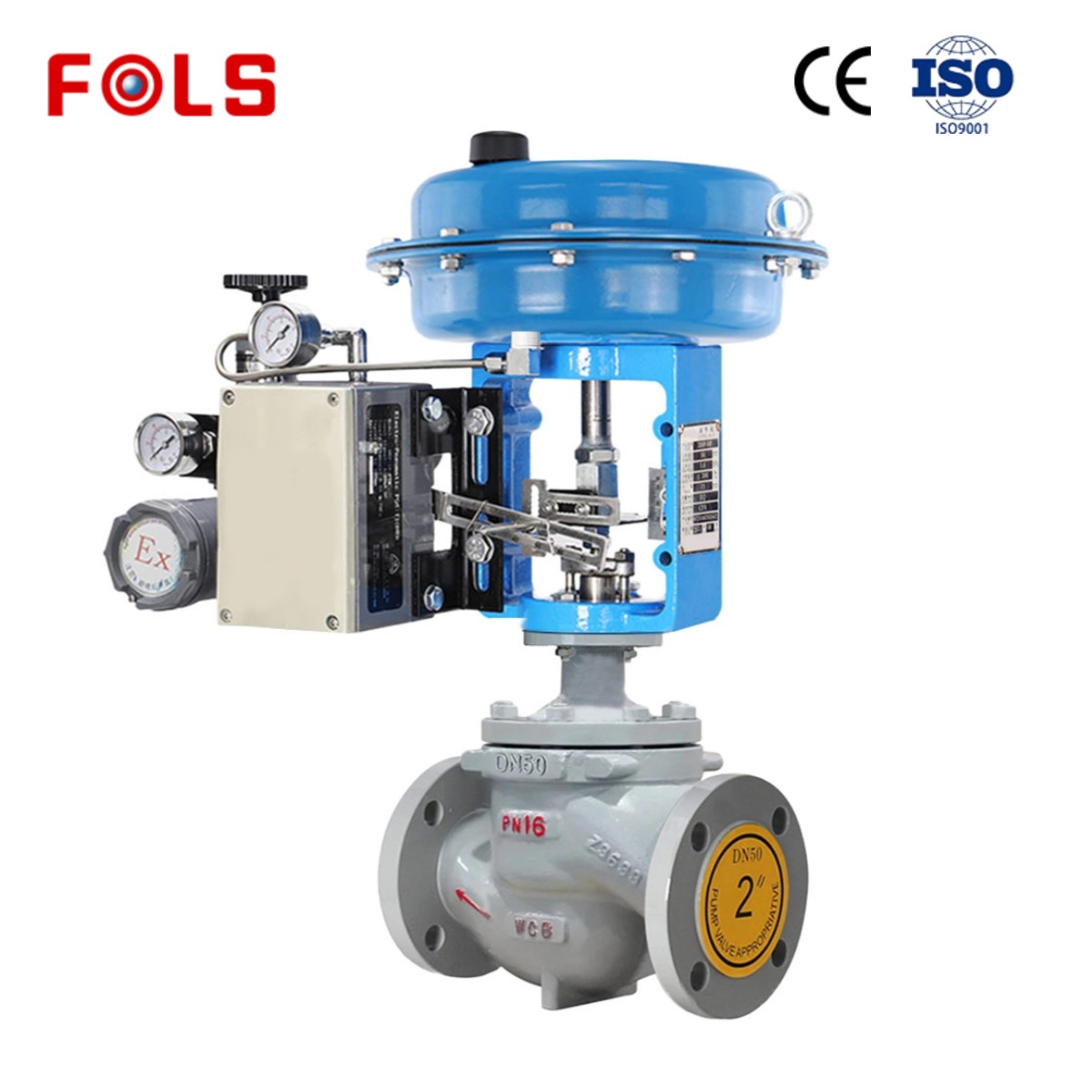
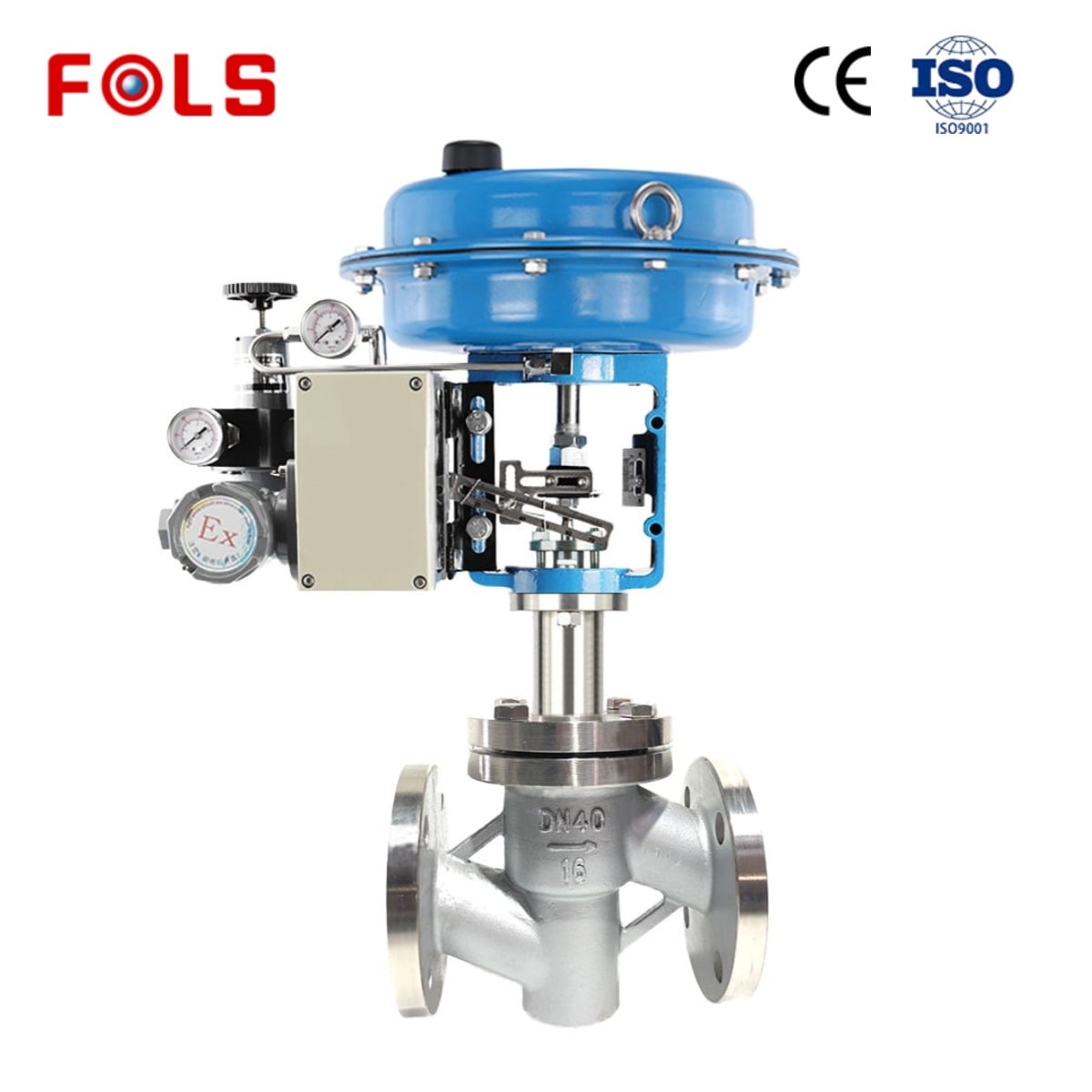
A Globe Valve changes flow by moving a stem-driven plug toward or away from a seat. As travel changes, the opening available to the fluid changes. This linear relationship is the basic reason globe-style designs are widely used for throttling. Still, accurate throttle control comes from the complete control loop, not from body shape alone.
Why the Globe Valve geometry supports throttling
Inside a Globe Valve, the fluid path turns through the body and passes a shaped restriction at the seat. The plug travels linearly, so an operator or actuator can position it at intermediate openings rather than only at fully open or fully closed positions. A carefully selected trim can make small changes in stem travel produce usable, repeatable changes in flow.
This arrangement also gives the designer several control levers: seat diameter, plug contour, cage or guiding arrangement, packing friction, and actuator thrust. That is important because a valve that moves smoothly on a bench may not deliver stable control after it sees real differential pressure, temperature changes, or a demanding fluid. Do not begin by asking which valve is more suitable; first document the medium, operating pressure, temperature, flow range, and required control response.
Travel, trim, and flow characteristic
The trim is what turns linear stem motion into a practical flow response. Depending on the geometry, a Globe Valve may be configured to favor a relatively direct opening response, a more gradual response at low travel, or a response intended to work with a changing system pressure drop. The right characteristic depends on the installation, because the piping system can alter the valve’s inherent behavior once it is in service.
For that reason, “equal percentage,” “linear,” or similar labels should be treated as a starting point for engineering review, not as a promise of installed performance. The pressure drop across the valve changes as pumps, downstream resistance, and flow demand change. A suitable trim and correctly sized flow capacity help keep normal operation away from an extreme near-closed or near-open position, where fine adjustment can become harder.
What makes throttling accurate in an installed system
Accurate control requires more than a well-made Globe Valve. The following factors should be considered together:
- Valve sizing: Flow capacity must be matched to the required minimum, normal, and maximum flow conditions. Oversizing can make a small movement cause too much process change; undersizing can prevent the required flow from being reached.
- Available pressure drop: The valve needs enough controllable pressure drop to influence flow, while excessive velocity or pressure reduction can create noise, cavitation, flashing, or erosion risks.
- Trim and material selection: The plug, seat, guiding surfaces, and sealing materials must suit the fluid, temperature, solids content, and pressure conditions.
- Actuator resolution and stiffness: A modulating actuator needs adequate thrust, positioning resolution, and response for the process. Stem friction, packing load, and unbalanced forces all affect the result.
- Signal and feedback quality: In an automated loop, controller tuning and position feedback determine whether the commanded travel becomes stable process control.
A single pressure rating matters, but it matters more whether that rating, the piping arrangement, and the actuation method match one another. That is where a standard manual valve and an actuated globe valve can serve different purposes. Manual adjustment may be adequate for a stable setpoint; a modulating application typically needs an actuator and feedback selected for repeated positioning.
Globe Valve throttling versus alternative valve types
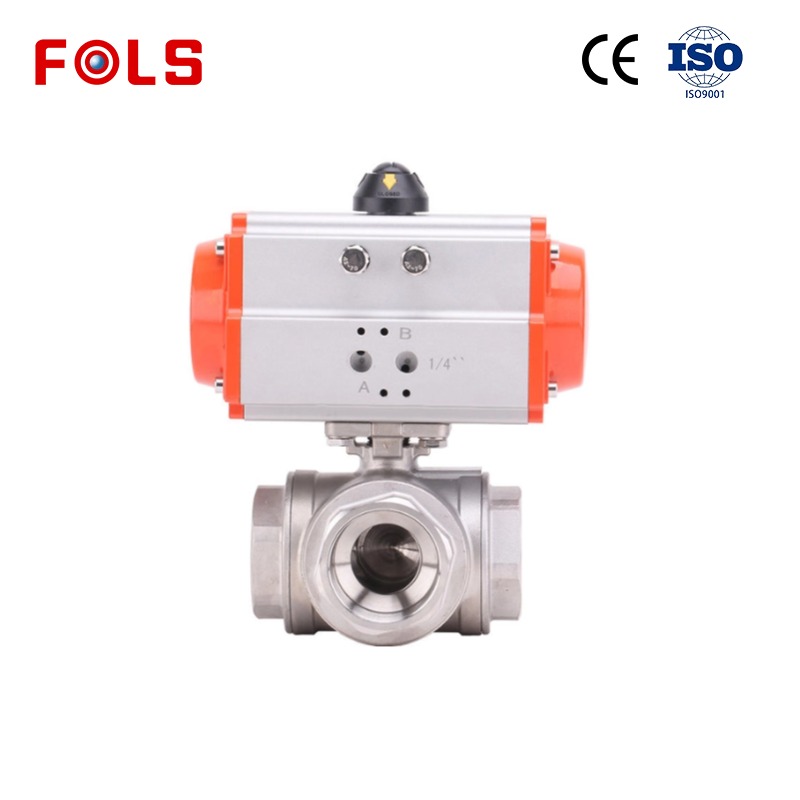
A Globe Valve is not the automatic choice for every flow-control duty. Full-port ball valves may be preferred where low pressure loss in open service is the priority, while butterfly designs can be useful where compactness and large diameters matter. A tricentric butterfly valve, for example, is a distinct valve configuration often considered for demanding isolation or particular service requirements. It should not be assumed to have the same throttling behavior as a characterized globe-style control valve.
The comparison should return to the control objective. If the process needs fine changes over a defined operating range, the plug-and-seat geometry of a Globe Valve can be a strong fit. If tight shutoff, low installed loss, large line size, cycling speed, or space constraints dominate, another design may deserve review. More accurately, no valve type should be selected from its name alone; the medium and control requirement set the boundary.
Specification checks before ordering
To make the throttling expectation actionable, give the valve supplier and controls team a complete duty description. Include fluid composition, inlet and outlet pressure at minimum/normal/maximum flow, temperature range, line size, target flow range, allowable noise, shutoff need, body and trim materials, connection standard, and whether the valve is manual or automated. For automated service, add fail position, available power or air supply, signal type, cycle expectations, and feedback requirements.
Projects that require formal control-valve sizing or test criteria can also identify the applicable edition of the IEC 60534 standards family or another project-specified standard. The standard reference must be verified against the project, region, and service; it is not a substitute for a process calculation.
Commissioning for repeatable control
Commissioning is where the design intent meets the system. Confirm travel calibration, direction of action, actuator stroke, positioner feedback, and response at several stable operating points. Check for hunting, stick-slip movement, excessive noise, leakage, or unexpected temperature and pressure effects. If the medium or pressure conditions differ from the original design basis, revisit the sizing and trim assumptions instead of trying to correct a hardware mismatch with controller tuning alone.
In short, a Globe Valve provides a controllable physical restriction through its linear plug-and-seat motion. Accurate throttle control is achieved when that geometry is paired with suitable trim, sizing, pressure-drop management, and actuation. A disciplined condition review before purchase and a measured commissioning check afterward are more reliable than relying on a general claim of precision.
 Hot News