
 EN
Gate Valve Applications in Fire Protection Systems
In a water-based fire protection system, a Gate Valve is usually considered for one central job: isolating a section of pipe while imposing very little restriction when it is fully open. That sounds straightforward, but the application deserves more than a nameplate decision. From an industrial valve application engineer’s perspective, the right Gate Valve discussion starts with the water supply arrangement, pressure, pipe size, supervisory method, and approved system design—not simply with a familiar valve type.
This article explains where a Gate Valve can fit in fire protection systems, what it does not replace, and which questions should be settled before procurement or installation. It is general technical guidance, not a substitute for the adopted code edition, listed equipment requirements, design documents, or approval by the authority having jurisdiction.
Why a Gate Valve is used for isolation
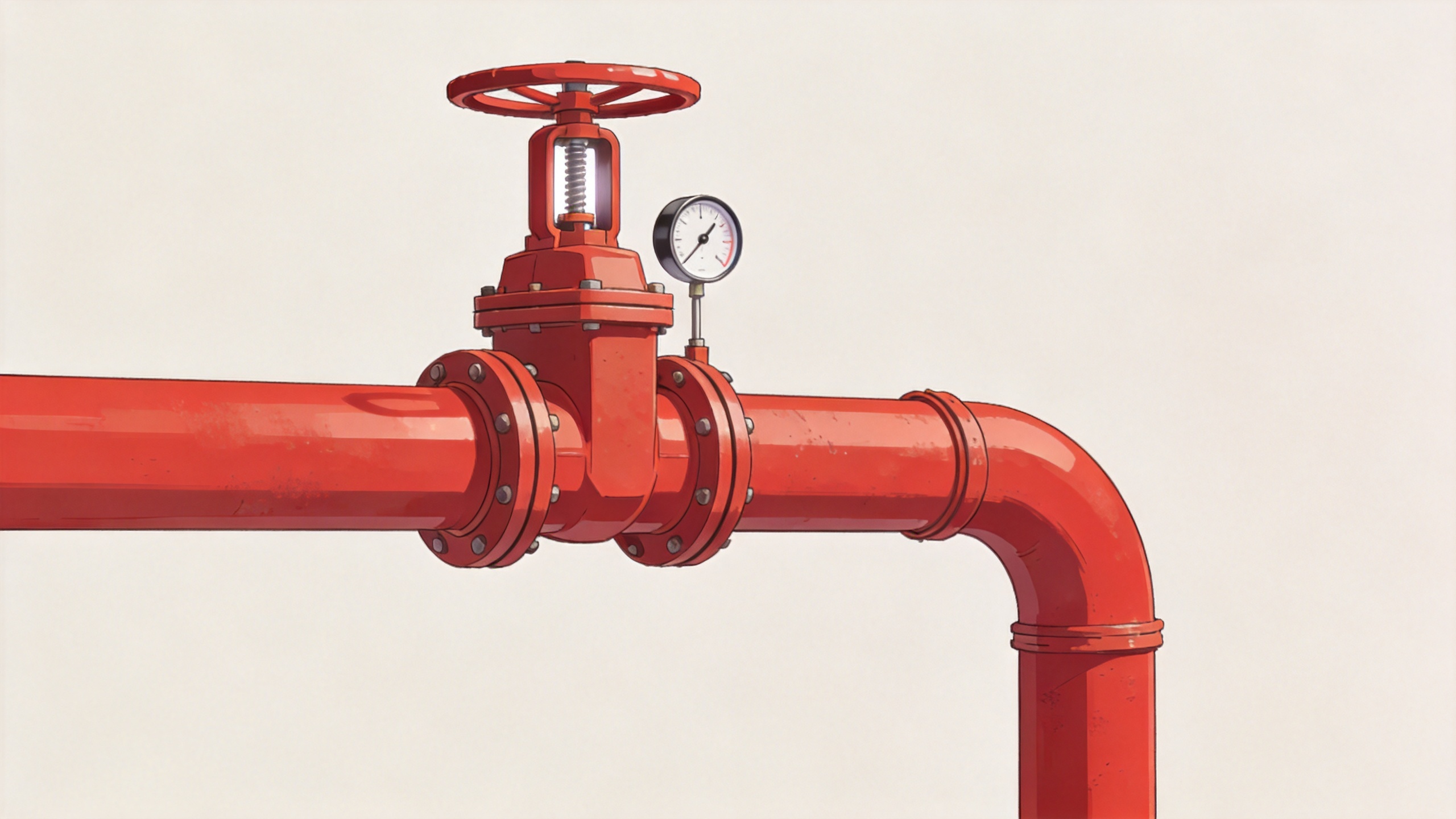
A Gate Valve uses linear motion to raise or lower a closure element across the flow path. In a fire protection water line, that basic behavior makes it suitable for on/off isolation where the intended normal condition is fully open or fully closed. When fully open, the flow path is comparatively direct; when fully closed, the valve can separate a riser, branch, pump connection, or serviceable system section according to the approved design.
The important qualification is that a Gate Valve is not normally selected to regulate flow. Leaving one partly open creates a poor control method and may introduce unnecessary resistance or wear. Do not first ask whether a gate valve is “better”; first record the pipe arrangement, expected valve position, water source, operating pressure, and maintenance purpose. A single pressure value matters, but its relationship to the pipe network and the operating condition matters more.
Common Gate Valve locations in fire protection arrangements
A Gate Valve may appear wherever the approved system needs a manually operated isolation point. Exact placement depends on the applicable design and code requirements, but the following functions help explain the selection logic.
- Supply isolation: A Gate Valve can isolate a water supply line or a defined portion of a sprinkler system for inspection, repair, alteration, or testing when the design calls for it.
- Riser and zone control: In larger buildings, a Gate Valve may be associated with a riser or zone arrangement so that work can be confined to a planned area rather than affecting every protected space.
- Fire-pump-related piping: A Gate Valve may be part of a pump or test-piping arrangement where an approved design requires an isolation function. The actual configuration, permitted position, and supervision must be verified for that specific system.
- Maintenance boundaries: A Gate Valve can support a practical maintenance boundary, provided the team has a documented procedure for returning the protected area to normal service.
These are functional examples, not a universal layout. The valve’s suitability depends on its listing or approval status where required, pressure rating, end connection, material compatibility, size, and the project documents. A component should not be treated as fire-protection-ready merely because its general industrial description looks similar.
Open-position supervision is part of the application
For a control valve that can interrupt water to a protected portion of the system, the practical risk is not only leakage or mechanical failure. A valve left closed, intentionally or accidentally, can make a downstream system unavailable. Fire protection guidance commonly emphasizes that valves controlling water flow to sprinkler-system portions are kept in the appropriate normal position and supervised as required by the governing rules.
That is why an indicating Gate Valve and its supervisory arrangement should be considered together. In some installations, a visibly indicated stem position makes field status easier to check. A supervisory switch or another approved method may provide a signal when the valve moves away from its normal position. The required method, test interval, and acceptable installation details depend on the adopted code, system type, listed components, and local authority requirements.
In other words, a Gate Valve is only one part of a control-valve function. Confirm the normal position, the means of securing or supervising it, access for inspection, and the restoration procedure after maintenance. A clear tag and a formal impairment process are often as important operationally as the valve hardware.
Do not confuse a Gate Valve with other valve functions
Fire protection piping can use several valve functions, and combining them in one discussion creates avoidable specification errors. A Gate Valve isolates flow; it does not inherently prevent reverse flow, control a storage level, or automatically balance a pump condition.
Gate Valve versus a non slam check valve
A non slam check valve is designed around one-way flow and reduced closing shock, whereas a Gate Valve is manually positioned for isolation. If backflow prevention or reverse-flow control is the actual concern, a check-valve function must be evaluated on its own technical and approval basis. Installing a gate valve where a check valve is needed does not provide one-way-flow protection.
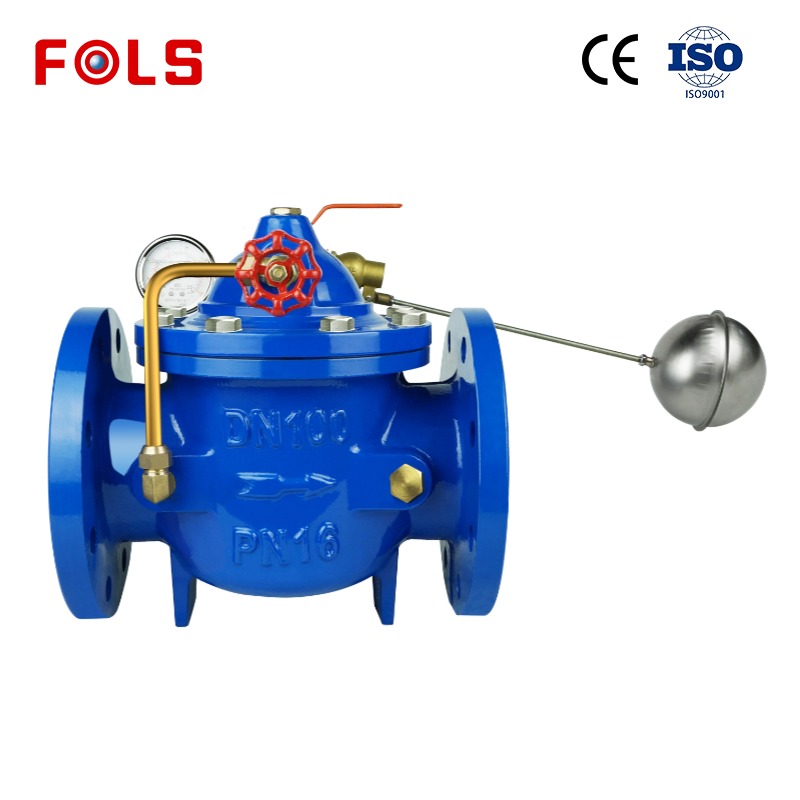
Gate Valve versus an automatic water level control valve
An automatic water level control valve responds to a level-control need in a tank or related water-management arrangement. A Gate Valve does not perform that automatic control role. When a project includes stored water, the designer should distinguish the isolation valves from the control components that manage water level, alarm conditions, and supply replenishment.
A practical Gate Valve selection checklist
Before specifying or sourcing a Gate Valve, bring engineering, procurement, and site personnel back to the same checklist:
- Identify the exact system section and the isolation purpose.
- Confirm the adopted fire protection standard, local requirements, and authority review path.
- Verify required approvals, listings, pressure rating, nominal size, connection type, material, and compatibility with the water environment.
- Define whether the normal position must be open and how the Gate Valve will be indicated, locked, sealed, or supervised.
- Check access for operation, inspection, testing, and replacement without creating an uncontrolled impairment.
- Document the restoration sequence after any maintenance or isolation event.
As a B2B procurement point, do not compare only unit price. A complete request for quotation should state the service, design requirements, valve size, connection, pressure class, expected approval evidence, and supervisory interface needs. This reduces later clarification and makes it easier to compare like-for-like offers.
Installation and maintenance considerations
A Gate Valve supports reliable operation when its application assumptions remain visible through commissioning and service. Verify orientation where the product instructions require it, protect the handwheel or operating mechanism from obstruction, retain clear identification, and include the valve in the site’s inspection and impairment procedures. If the valve is supervised, verify that the signal path and restoration response work as intended under the approved test procedure.
For retrofit work, the most useful first step is not selecting a replacement from a catalog. First establish what the existing valve isolates, whether the system can safely be impaired, what approvals apply, and whether the existing supervisory arrangement remains compatible. If conditions change, the previous configuration may no longer be appropriate.
Conclusion
A Gate Valve can be a practical isolation component in a fire protection system when it is selected for a defined location, fully-open/fully-closed duty, appropriate approval pathway, and supervised normal position where required. The sound decision is not a generic claim about one valve type. It is a documented match between the valve, the water-based system, the governing requirements, and the maintenance process. Before ordering, confirm the project-specific requirements with the system designer, qualified fire protection professional, and authority having jurisdiction.
 Hot News