
 EN
EN
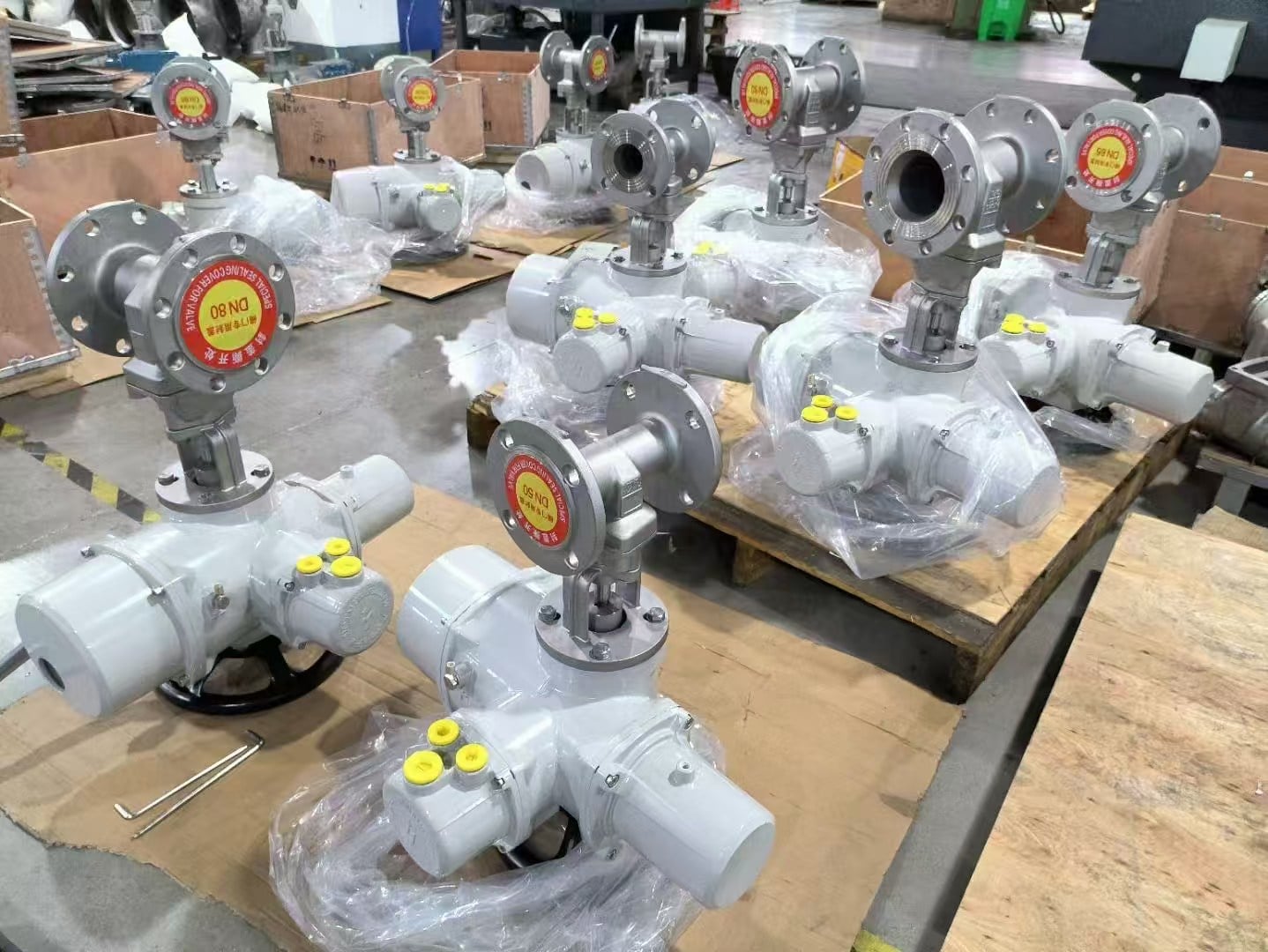
Understanding the Importance of Electric Gate Valve Maintenance
The Role of Valve Maintenance in Long-Term Reliability
Keeping electric gate valves properly maintained stops them from breaking down over time, and can actually double their lifespan compared to those left alone. The stems and actuators need regular greasing to stop metal parts rubbing against each other, which wears things out faster. Checking the seals is also important for keeping pressure where it should be. Actuator motors really suffer when not serviced regularly. According to some recent research published in Flow Control Journal last year, about two thirds of all early failures in these systems come down to dirt buildup inside the motor housing. That makes sense when we think about how tiny particles get stuck in moving parts and eventually cause bigger problems.
Impact of Neglecting Electric Gate Valve Maintenance on System Safety
When maintenance gets put off, failure risks go up dramatically. Faulty valves are actually responsible for about 23 percent of those unexpected shutdowns at water treatment facilities, and this frequently results in some pretty serious contamination problems. Just think about what happens when a corroded seal starts leaking - we're talking around 300 gallons escaping every day in systems under high pressure. According to reports from the U.S. Chemical Safety Board last year, nearly one out of six industrial accidents involved issues with valves. These kinds of breakdowns aren't just inconvenient they pose genuine safety concerns across various industries.
Preventive Maintenance Techniques to Avoid Unexpected Downtime
Predictive maintenance for electric gate valves that includes thermal imaging along with vibration analysis catches about 89 percent of problems long before they actually fail. When companies check actuator torque on a monthly basis and run full stroke cycles every three months, this proactive approach cuts down repair bills by around half when compared to waiting until something breaks down. The best part? Maintenance plans adapt based on how much each valve gets used. Those workhorse valves get checked every other week, while the ones sitting idle only need annual inspections. This makes sense both practically and economically, saving money without compromising the overall reliability of the system.
Inspecting and Cleaning Electric Gate Valves: Best Practices
Step-by-step inspection of stem, actuator, body, and sealing surfaces
Start with a close look at the valve stem for any signs of bending or corrosion problems. According to a recent study published in Flow Control Magazine back in 2022, about one third (that's 32%) of all industrial valve failures were actually traced back to poor maintenance of those sealing surfaces. Next step is checking how responsive the actuator really is when it receives control signals. Sometimes these things just stop working properly over time, so alignment checks are pretty important too. For the main valve body itself, run an inspection using ultrasonic testing equipment to spot hidden cracks or faulty welds. Don't forget to examine those sealing surfaces closely as well. Look out for pits or grooves forming there since even small imperfections can eventually lead to serious leakage issues down the line.
Effective cleaning using non-corrosive agents to remove buildup
To tackle mineral buildup and sludge, go for pH neutral cleaners or citric acid based products instead. Don't reach for those harsh abrasives though since they can really mess up the rubber seals and even damage the wiring on actuators. When dealing with stubborn residue that just won't budge, try combining some good old fashioned brushing with nylon bristles and hot distilled water rinses. And remember to keep all electrical parts separate while doing this maintenance work something most technicians know but still gets overlooked sometimes according to what I've seen at various industrial sites over the years.
Recommended frequency for internal and external valve cleaning
- External cleaning: Biweekly for outdoor valves exposed to dust/saltwater; monthly for indoor installations
-
Internal cleaning: Every 6 months for process valves handling viscous fluids; annually for water systems
Critical applications like chemical processing may require quarterly cleanings. Pair this schedule with seasonal inspections of gate alignment and load-bearing components.
Lubrication and Seal Integrity for Optimal Electric Gate Valve Performance
Choosing the right lubricants and avoiding damage to electronic components
When choosing lubricants for industrial applications, it's important to find ones that work well with metal parts while also being safe around nearby electronic components. This helps everything run smoothly and stops problems with insulation breaking down over time. For systems where electricity is involved, non-conductive synthetic oils that have good dielectric properties make sense. Fluorinated greases are particularly useful here because they reduce interference with actuator circuits, which becomes really critical when dealing with voltages above 50 volts. Recent research from 2023 looked at why valves fail and discovered something interesting: almost half (about 42%) of all electrical actuator issues came down to lubricants getting into control boards somehow. That's pretty significant. Now, in areas where chemicals are present and things get harsh, combining NSF H1 certified lubricants with PTFE based sealants gives equipment extra protection against those nasty corrosive substances trying to get inside.
Lubrication intervals and the balance between over- and under-lubrication
It's important to stick with what the manufacturers recommend when it comes to lubricating those electric gate valves that run all the time. Most folks find quarterly maintenance works well for these systems. Not enough lubrication can really shorten the life of the stem components, studies show around seven times faster wear than when things are properly maintained (McElroy Valve Institute found this back in 2022). On the flip side, putting too much grease just invites trouble since it tends to attract dirt and other particles. For plants dealing with slurry media specifically, there are some smart monitoring techniques worth considering. Installing torque sensors directly on the valve stems gives real time feedback about friction levels. Wireless vibration analysis helps track how the actuator gears are performing over time. And comparing motor current draw against established baselines can spot issues early on. Water treatment facilities that implemented these approaches reported cutting their maintenance expenses down by roughly eighteen dollars per valve each month during testing periods.
Seal integrity testing through pressure checks and leak prevention
Regular pressure decay checks catch problems with seals long before actual leaks happen. Some real world testing has shown that when these tests are done properly, seal performance tends to drop by no more than around 3% each year. Best practice involves doing hydrostatic tests at 1.5 times what the system normally handles while also looking closely at those rubber seat areas through special scopes. When dealing with systems that have two seals instead of one, there's another trick worth knowing: inject some test gas between the seals and watch what happens to the pressure levels. This approach works really well in places like nuclear facilities where safety is absolutely critical, getting close to perfect results in detecting even tiny leaks.
Preventive Maintenance Planning and Operational Strategies
Developing a scheduled maintenance plan based on operational intensity
How often electric gate valves need maintenance really depends on how much they get used. Systems that run for more than 5,000 hours each year typically call for checks every three months or so. On the flip side, those valves that don't see much action below 1,000 annual hours can probably wait until once a year for service. The smart way to handle all this is through a layered strategy that brings together manufacturer recommendations, assessments of how critical each valve actually is to operations, plus tracking how hard these components are working day to day. Plants that switched from regular time-based maintenance to this usage driven model saw their expenses drop around 18 percent when compared against sticking with set intervals between services, as shown in research published back in 2022.
Valve exercise routines to prevent seizing in low-use systems
Monthly partial cycling prevents stem and seat corrosion in valves operating less than 500 hours per year. Actuators should cycle through 25–50% of their travel range under load to keep seals pliable. Facilities implementing bi-monthly exercising reduced valve seizure incidents by 85% (Fluid Controls Journal 2023).
Creating a field-ready electric gate valve maintenance checklist
A comprehensive checklist should include 12 core verification points:
- Actuator torque calibration (±5% tolerance)
- Seal integrity under 1.5x operating pressure
- Electrical insulation resistance (>1MΩ)
- Gearbox lubrication levels
Standardized checklists decrease inspection oversights by 30% in complex systems, according to recent research.
Using historical data and failure trends to optimize service intervals
Analyzing three or more years of maintenance records reveals patterns such as seasonal seal degradation or predictable actuator wear thresholds. Facilities using predictive analytics reduced unplanned downtime by 40% by:
- Correlating motor current signatures with impending seal failures
- Tracking torque profile deviations exceeding 15% from baseline
- Monitoring ambient temperature effects on lubrication viscosity
A 2023 CMMS case study demonstrated how trend-based scheduling extended valve service life by 22 months in refinery applications.
Advanced Maintenance for Smart and Automated Electric Gate Valves
Monitoring electrical actuators and control circuits for early faults
Keeping an eye on how well actuators work and making sure control circuits stay intact can stop major problems from happening in today's electric gate valves. The best diagnostic tools look at things like changes in motor current, vibrations coming from gears, and whether position readings are accurate enough to catch small problems before they get worse. Thermal cameras help spot components getting too hot long before insulation starts to fail. And regular checks of circuit integrity ensure signals actually reach from controllers to actuators without any dropouts along the way.
Diagnosing defective valves using smart system alerts and diagnostics
Electric gate valves equipped with smart technology can actually send out maintenance warnings when something goes wrong. These valves run checks on about 14 different performance factors all by themselves. The system looks at what's happening right now compared to how the valve should be performing according to factory specs. When it notices something off track, it flags problems like worn seals, stuck stems, or issues with torque levels. Smart systems then figure out which problems need urgent attention versus those that can wait for regular maintenance. Some facilities have reported catching potential failures weeks before they would have caused real damage, saving both time and money in the long run.
Integrating IoT sensors and predictive analytics into maintenance programs
IoT sensors connected to the cloud send ongoing performance data to predictive analytics platforms, which has completely changed how maintenance is done across industries. When vibration analysis works together with machine learning algorithms, it can spot signs of bearing wear anywhere from six to eight weeks before something actually breaks down, according to a study published in Industrial Automation Review last year covering 94 percent of monitored equipment. For maintenance crews working with these advanced systems, fixing problems happens roughly 78% quicker than when relying solely on regular manual checks. The reason? Work orders get sorted by priority based on what's really happening inside the machinery rather than just following a schedule. This means technicians spend less time chasing false alarms and more time addressing real issues before they escalate into costly breakdowns.
FAQ
Why is electric gate valve maintenance important?
Maintenance is crucial for extending the lifespan of electric gate valves and preventing breakdowns. Regular upkeep helps maintain pressure, prevents contamination, and ensures system safety.
How often should electric gate valves be inspected?
The frequency of inspections depends on usage. Heavily used valves may need checks every three months, while lightly used ones can be inspected annually.
What are common issues caused by neglected valve maintenance?
Neglecting maintenance can lead to increased failure rates, unexpected shutdowns, contamination, and industrial accidents associated with faulty valves.
What cleaning agents are recommended for electric gate valves?
Non-corrosive agents such as pH neutral cleaners and citric acid-based products are recommended to remove buildup without damaging components.
How can predictive maintenance prevent unexpected downtime?
Predictive maintenance uses techniques like thermal imaging and vibration analysis to identify potential problems early, reducing repair costs and avoiding unexpected failures.
Table of Contents
- Understanding the Importance of Electric Gate Valve Maintenance
- Inspecting and Cleaning Electric Gate Valves: Best Practices
- Lubrication and Seal Integrity for Optimal Electric Gate Valve Performance
- Preventive Maintenance Planning and Operational Strategies
- Advanced Maintenance for Smart and Automated Electric Gate Valves
- FAQ

