
 EN
EN
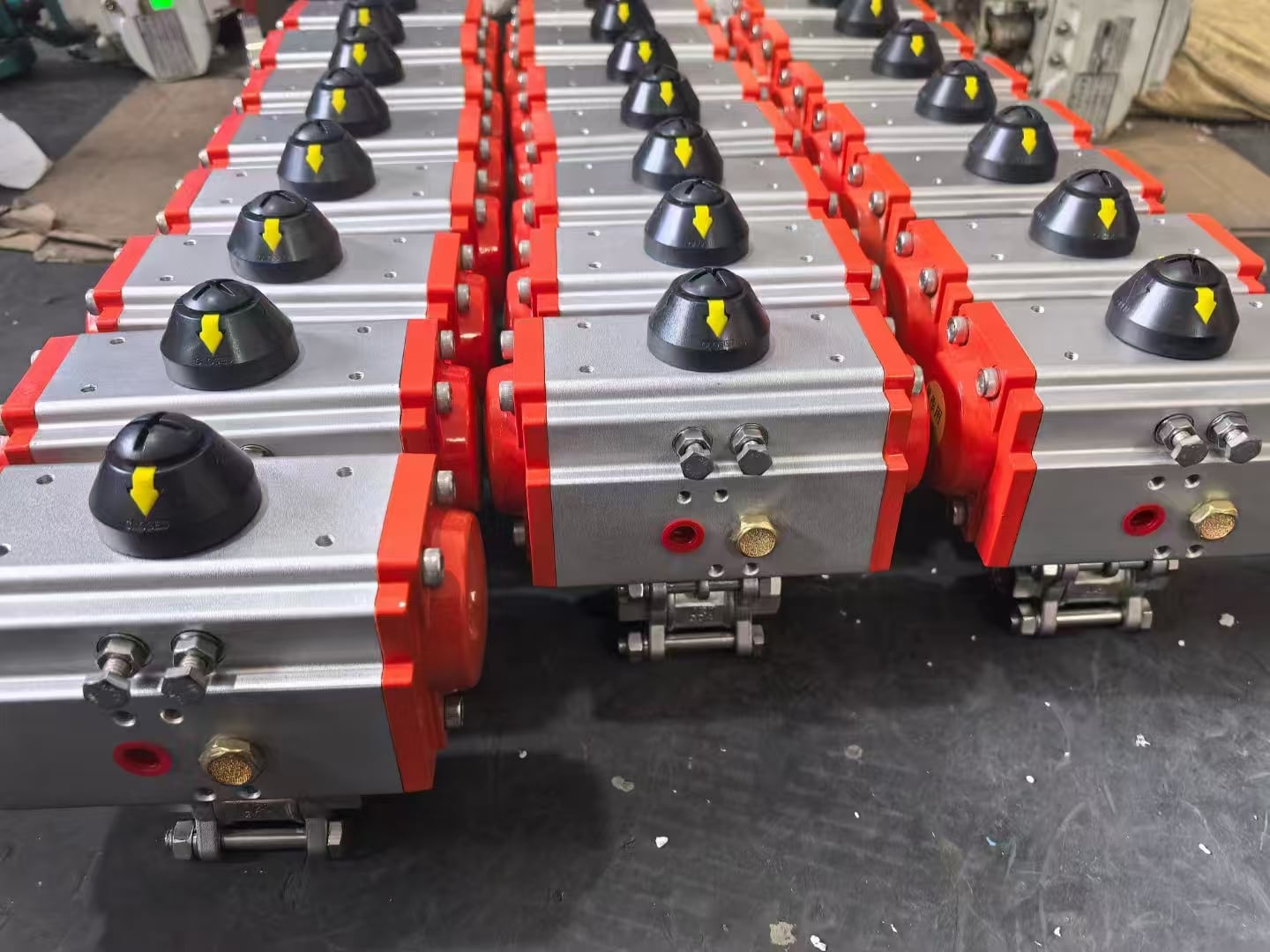
Fundamentals of Pneumatic Ball Valve Operation and Maintenance
How Pneumatic Ball Valves Work in Chemical Processing Systems
Pneumatic ball valves work by controlling chemical flow through compressed air that turns a ball inside the valve housing. When this ball lines up with the pipe, chemicals can pass through because there's a hole in the center. Rotate it 90 degrees and boom - no flow at all. The quick shut off makes these valves especially useful when dealing with dangerous materials that might react badly if left running. Most valves come with special seals made from stuff like PTFE or tough rubber compounds. These seals hold up pretty well against harsh conditions too, working fine even when chemicals are super acidic or basic, or when temps hit around 400 degrees Fahrenheit. That kind of reliability matters a lot in industrial settings where safety is always top priority.
Routine Inspection Protocols for Early Fault Detection
Weekly inspections prevent 78% of catastrophic valve failures in chemical plants according to industry case studies. Key checks include:
- Actuator air pressure consistency (maintain 60–100 psi)
- Stem alignment and seal integrity tests using vacuum decay methods
- Ball surface scans for pitting or corrosion via borescopes
Preventive Maintenance Strategies to Maximize Uptime
Scheduled maintenance extends pneumatic ball valve service life by 2–3X in corrosive environments. Critical tasks include:
| Task | Frequency | Tools Required |
|---|---|---|
| Seal lubrication | Quarterly | FDA-grade grease |
| Actuator calibration | Biannual | Digital pressure gauge |
| Full seat replacement | 18 months | Torque wrench kit |
Plant managers using modular maintenance programs report 92% operational readiness rates.
Common Misconceptions About Pneumatic Ball Valve Reliability
Contrary to plant operator beliefs:
? “All-metal valves eliminate seal failures” ≠ – Even stainless steel valves require PTFE stem seals to prevent gland leaks
? “Faster actuation improves safety” ≠ – Rapid cycling beyond 5 seconds per operation accelerates seat wear by 300%
? “Higher torque always ensures tighter seals” ≠ – Over-tightening distorts seat rings, creating leak paths
Seal and Seat Integrity in Aggressive Chemical Environments
Impact of Chemical Exposure on Seal and Seat Degradation
Ball valves powered by air tend to wear out faster when used in chemical processing because they sit in corrosive substances for so long. According to a report from NACE International around 2022, nearly two thirds of all valve problems in acidic conditions happened because the seats wore away and the seals got too hard. Materials that resist chemicals, such as FFKM which is also called Perfluoroelastomer, last about three times longer than regular EPDM seals when dealing with really extreme pH levels either under 2 or over 12. Still, picking the right materials that work well together chemically is super important. Maintenance staff need to check how much the seals are compressing every three months with something called laser profilometry. This helps spot tiny cracks early on before anything serious breaks down completely.
Step-by-Step Seal and Seat Replacement Procedure
- Isolate valve from process lines and depressurize pneumatic lines
- Disassemble actuator assembly using torque-controlled wrenches
- Extract damaged seals with non-metallic picks to prevent scratching
- Install new seats using alignment fixtures to ensure concentric sealing surfaces
Post-replacement pressure testing at 1.5× operating pressure validates seal integrity before returning to service.
Preventing Contamination During Valve Servicing
Strict adherence to ISO-14644 cleanroom protocols during maintenance reduces particulate ingress by 92% according to fluid dynamics simulations. Dual containment systems with nitrogen purging prevent atmospheric moisture absorption during elastomer installation. Post-service ultrasonic cleaning removes residual process chemicals that could accelerate O-ring degradation.
Material Selection for Corrosion Resistance and Longevity
Matching Valve Materials to Chemical Media Compatibility
Choosing the right materials for pneumatic ball valves isn't something that happens by accident. A good understanding of what chemicals will be flowing through the system is absolutely essential. Research indicates that when materials don't match properly, corrosion can speed up dramatically sometimes even tripling in aggressive conditions according to NACE International findings from last year. Most engineers know this well enough to specify PTFE seats whenever dealing with sulfuric acid situations, but they also steer clear of brass parts if there's going to be any exposure to ammonia based fluids. The ISO 15848-1 standard has become pretty much indispensable for many professionals, offering those detailed compatibility charts that link over 120 different chemicals to their best matching valve materials. These references save countless hours of trial and error on site.
Corrosion-Resistant Alloys and Coatings for Harsh Conditions
Advanced alloys extend pneumatic ball valve lifespan in extreme operating conditions:
| Material | Chloride Resistance | Max Temp (°C) | Cost Index |
|---|---|---|---|
| Hastelloy C-276 | Excellent | 400 | 8.5 |
| 316L Stainless Steel | Good | 260 | 3.2 |
| Titanium Gr 2 | Superior | 315 | 12.1 |
Coatings like electroless nickel plating reduce friction wear by 42% while maintaining chemical resistance properties in marine environments. Recent breakthroughs in ceramic-metal composites demonstrate 85% lower erosion rates compared to traditional alloys.
Factors Influencing Service Life Under Continuous Chemical Exposure
The lifespan of pneumatic ball valves really depends on three main things: what's going on with the pH levels during operation, how often they go through temperature changes, and whether there's dirt or particles getting into them. Looking at data collected from around 2,400 industrial valves across different plants shows something interesting. Valves that experience daily temperature swings between 50 and 150 degrees Celsius tend to break down about 40 percent quicker compared to ones sitting in more stable environments. When manufacturers pick the right materials for their specific application and stick to regular checks for corrosion every three months or so, this makes a real difference. In chemical processing facilities where valves run nonstop, the average time before needing replacement jumps from just 18 months all the way up to 32 months when these maintenance practices are followed consistently.
Lubrication, Cleaning, and Operational Best Practices
Effective Lubrication Techniques for Smooth Actuation
Getting the lubrication right is key for keeping pneumatic ball valves working properly when they're used in chemical environments. Most industry standards point toward chemically inert lubricants that won't react with harsh chemicals. These types of lubricants include things like PFPE based greases which should be applied carefully to areas like actuator stems and those ball bearings. Too much grease actually draws in dirt and other particles that can cause problems down the road. On the flip side, not enough lubrication means parts will wear out faster than normal. The best approach seems to be controlled application methods like syringe applicators that let technicians apply just the right amount without going overboard or falling short.
Cleaning Procedures to Prevent Clogging and Wear
Post-service solvent-flush protocols remove process residuals from valve cavities. A 70% isopropyl alcohol rinse followed by nitrogen purging effectively eliminates salt deposits and polymerized residues without damaging PTFE seats. Avoid abrasive scrubbing on chrome-plated balls, as micro-scratches increase friction and reduce sealing efficiency.
Recommended Frequency of Maintenance Checks and Cleaning
Manufacturers typically advise quarterly inspections for lubrication replenishment and annual seat integrity testing in continuous chemical service. Facilities handling crystallizing fluids should perform bimonthly steam-jet cleaning to prevent gland fouling. Cycle-count monitoring helps optimize schedules—actuators exceeding 50,000 cycles monthly require 30% shorter maintenance intervals.
Key practices include:
- Validating lubricant compatibility using ASTM D7216 chemical resistance charts
- Storing cleaning solvents in sealed containers to prevent moisture absorption
- Documenting torque values during reassembly to detect early wear trends
Troubleshooting Common Issues in Chemical Plant Applications
Diagnosing Actuator Failures and Air Supply Problems
More than a third of problems with pneumatic ball valves actually come down to faulty actuators, most often because the air supply isn't sufficient enough (according to Parker Hannifin's 2022 report). When troubleshooting these systems, maintenance staff need to start by making sure the air pressure hits at least 5.5 bar or around 80 psi, plus look out for anything blocking the air lines. Using those step-by-step diagnostic charts really makes a difference in figuring out whether the problem lies within the compressed air system itself or somewhere in the valve parts. Some telltale signs that something's wrong usually point towards...
- Delayed valve response (>0.5 seconds from signal)
- Intermittent cycling patterns
- Unusual exhaust port emissions
Resolving Leaks, Sticking Valves, and Response Delays
Chemical residue buildup causes 68% of operational delays in pneumatic ball valves (2023 Valve Maintenance Report). The remediation process involves:
| Step | Action | Target Tolerance |
|---|---|---|
| 1 | Seal inspection | <0.1 mm surface deformation |
| 2 | Stem lubrication | ISO VG 32-grade lubricant |
| 3 | Actuator alignment | ±0.25° angular deviation |
Field data shows proper cleaning procedures reduce mean downtime by 42% compared to component replacement alone.
Maintaining Performance Under Continuous Operational Stress
Continuous chemical exposure accelerates wear patterns in pneumatic ball valves by 3× compared to batch processes (ASME 2022). Implement predictive maintenance schedules based on:
- Cycle counting (every 10,000 operations)
- Stem torque measurements (±15% baseline)
- Seal integrity checks (annual hydrostatic testing)
A 2024 industry study revealed valves with active monitoring programs achieved 89% mean time between failures (MTBF) versus 57% in reactive maintenance scenarios.
FAQ Section
What is a Pneumatic Ball Valve?
A pneumatic ball valve is a type of valve that uses compressed air to rotate a ball within the valve housing, controlling the flow of chemicals through a system.
How Often Should Pneumatic Ball Valves be Inspected?
It is recommended to conduct weekly inspections for early fault detection and scheduled maintenance based on the specific conditions in which the valve is operating.
What Materials are Ideal for Corrosive Environments?
In corrosive environments, materials such as PTFE, FFKM, and Hastelloy C-276 are ideal due to their excellent chemical resistance properties.
How Can Contamination Be Prevented During Maintenance?
Contamination during maintenance can be prevented by adhering to cleanroom protocols, using nitrogen purging, and performing ultrasonic cleaning post-service.
Table of Contents
- Fundamentals of Pneumatic Ball Valve Operation and Maintenance
- Seal and Seat Integrity in Aggressive Chemical Environments
- Material Selection for Corrosion Resistance and Longevity
- Lubrication, Cleaning, and Operational Best Practices
- Troubleshooting Common Issues in Chemical Plant Applications
- FAQ Section

