
 EN
EN
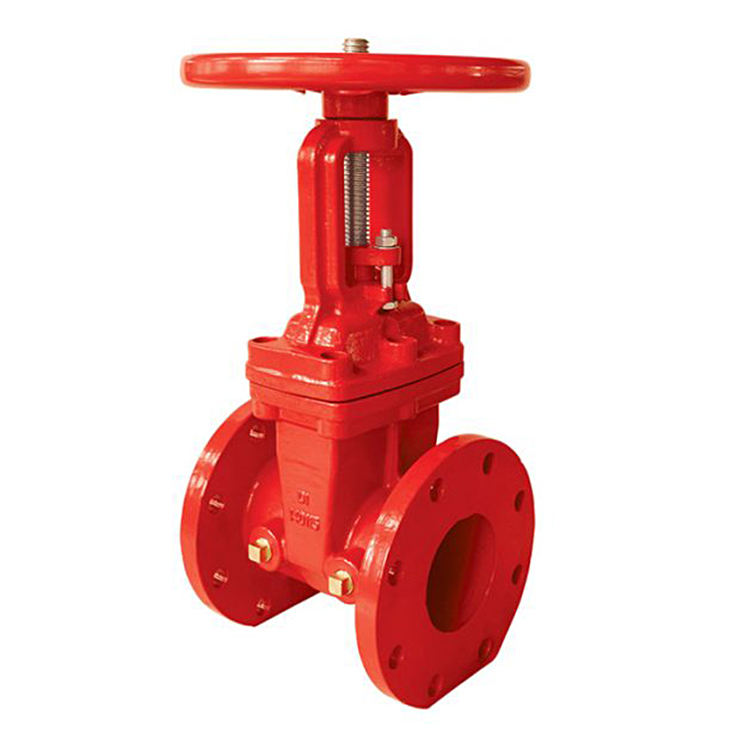
Gate Valve Sealing Fundamentals: Static Interfaces, Dynamic Motion, and Critical Leak Paths
Static Sealing Zones: Body-to-Bonnet, Stem Packing, and Flange Joints
Three main points where gate valves can leak are the body-to-bonnet connection, the stem packing area, and the flange joints between sections. These spots all tend to fail when there's too much pressure or stress on the system. For the body-to-bonnet seal, most manufacturers go with either compressed graphite or PTFE gaskets since they can handle really high pressures, sometimes as much as 2500 psi before failing. When it comes to stem packing glands, we're talking about those braided ropes or rubber-like seals that press against the moving stem part. A lot of problems come from this area actually - field reports show that about 9 out of 10 stem leaks happen because someone didn't install them properly. Flange joints need special attention too. They must have full face gaskets and bolts tightened exactly according to specs to pass EPA Method 21 tests for escaping gases. And material choice matters a lot here. In sour gas environments where hydrogen sulfide is present, nickel alloy gaskets become essential to prevent corrosion damage over time.
Dynamic Sealing Challenge: Gate-to-Seat Interface Under Cycling and Pressure Differential
The gate-to-seat area serves as the sole moving seal within a gate valve, and it faces some serious operational challenges. When the gate moves up and down, the metal parts rub against each other creating friction that wears down those sealing surfaces over time. This wear becomes particularly noticeable in high pressure steam systems where efficiency drops around 15% after just 500 operating cycles. Systems running pressures above 150 psi tend to find even tiny flaws in the seat surface, although industry standards like ANSI/FCI 70-2 allow for about half of a percent leakage when using Class IV shutoff valves. The wedge design of many gates actually works with system pressure to create better seals. For tougher environments, engineers often specify Stellite hardened coatings on seats. These coatings have been shown to last three times longer than standard materials when dealing with abrasive slurries, based on recent studies from 2023 looking at valve durability across different industrial applications.
Material and Design Selection for Reliable Gate Valve Sealing
Matching Seal Materials (Graphite, PTFE, Metal) to Media and Operating Conditions
What kind of seal material gets chosen makes all the difference when it comes to how reliable something will be over time. Graphite packing can take on temperatures as high as 600 degrees Celsius without breaking down, which is why it works so well in those tough environments where there's lots of steam or hydrocarbons around. Then we have PTFE materials that perform really well under 230 degrees Celsius because they create minimal friction while resisting most chemicals. That makes them great choices for things like clean water systems or applications involving stable chemicals. Metal seals made from materials like stainless steel or various alloys are what engineers turn to when dealing with abrasive substances or situations requiring extreme pressure tolerance. These metal options do require careful machining though, with surface finishes needing to stay at 16Ra or better to function properly. There are definitely some important considerations worth thinking about here.
| Material | Temperature Limit | Best For | Limitation |
|---|---|---|---|
| Graphite | 600°C | High-temp steam/gases | Vulnerable to oxidation |
| PTFE | 230°C | Chemicals, potable water | Cold flow deformation |
| Metal | 800°C | Abrasives, high pressure | Requires surface finish ≤16Ra |
Design Features That Enhance Sealing: Wedge Geometry, Seat Angle, and Surface Finish
Getting the geometry right really matters when it comes to creating good seals. Most engineers find that angles between 5 and 10 degrees work well for wedges because they help compensate as seats start to wear down over time. When combined with a 30 degree seating angle, this setup actually forms two separate sealing surfaces instead of just one. According to ASME standards from 2021, this approach cuts down on possible leak spots by around 70% compared to those old flat gate designs that everyone used back in the day. For surface finish requirements, anything below 3.2 microns Ra will stop those tiny micro leaks from happening. And let's not forget about the coatings either – stuff like Stellite or tungsten carbide makes a huge difference in resisting erosion when dealing with fast moving fluids or materials mixed with particles. Top tier manufacturers typically rely on computer controlled machining and robotic polishing systems to hit these tight tolerances consistently across production runs.
Testing and Validation of Gate Valve Sealing Performance per Industry Standards
API 598 vs. MSS SP-61: When to Apply Each Standard for Gate Valve Leak Testing
The 2021 edition of API 598 remains the standard reference for refineries and general hydrocarbon services. It requires testing both shells and seats at 1.1 times the maximum operating pressure. Moving over to MSS SP-61, this standard focuses on steel valves used in power generation facilities, including those found in nuclear steam systems. For these applications, there's an absolute requirement for no visible leaks from soft seated valves, plus they need to withstand repeated thermal cycles without failure. Unlike API 598 which takes a broad approach covering various valve types, SP-61 offers much more specific acceptance requirements tailored for environments where valves face constant cycling and temperatures above 300 degrees Celsius. These stricter standards make SP-61 particularly relevant for power plants dealing with extreme conditions day after day.
Interpreting Test Results: Acceptable Leakage Rates and Root-Cause Indicators
The amount of acceptable leakage depends on both the standard being followed and the actual size of the valve. According to API 598 specifications, metal seated gate valves can tolerate leaks of around 24 drops per minute when dealing with smaller sizes (NPS less than or equal to 2), though this limit drops significantly to about 0.3 mL per minute for bigger valves. The MSS SP-61 standard actually permits somewhat higher leakage rates during those tricky thermal cycling tests we all know about. When there's consistent dripping throughout multiple test cycles, it usually means something serious is going on inside the system like materials wearing out over time or components breaking down due to heat exposure. But if the problem appears only in specific spots, chances are good that either the seating surface isn't aligned properly or there's some kind of shape irregularity causing the issue. And watch out for pressure loss faster than 5% per minute because that generally signals either poor compression between sealing surfaces or problems with how the wedge component fits within its housing.
Operational Best Practices to Sustain Gate Valve Sealing Integrity Over Time
Keeping seals intact requires more than just routine maintenance checks; it takes real attention to detail in day-to-day operations. When opening or closing valves, take it slow to avoid sudden impacts that can wear down the gate against its seat over time. Regular visual checks are essential too look out for early signs of trouble like corrosion spots, scratches on stems, or when gaskets start to bulge out of place. Don't forget to apply proper lubrication every three months on those stem packings and moving parts using what the manufacturer recommends this helps prevent seal failures caused by excessive friction. Plants handling critical fluids should run pressure tests following API 598 guidelines each quarter and keep track of how much leakage occurs as another warning sign of deterioration. And after any maintenance work is done, make sure those flange bolts get retorqued according to specs uneven tension warps sealing surfaces and makes gaskets fail faster. Studies from various industrial facilities show these good habits can actually double the life expectancy of sealing systems somewhere between 40% to 60% improvement in most cases.
FAQ
What are the main areas where gate valves can leak?
The primary areas where gate valves may leak include the body-to-bonnet connection, stem packing area, and flange joints. These areas are prone to leaks due to pressure or stress.
Why is material choice important for valve sealing?
Material choice is crucial to ensure longevity and compatibility with the media and operating conditions. For example, graphite tolerates high temperatures while PTFE resists chemicals.
How does system pressure affect gate valve sealing?
System pressure can enhance the sealing efficiency, especially with wedge designs that use pressure to create a tighter seal. High system pressure, however, can also reveal imperfections on sealing surfaces.
Table of Contents
- Gate Valve Sealing Fundamentals: Static Interfaces, Dynamic Motion, and Critical Leak Paths
- Material and Design Selection for Reliable Gate Valve Sealing
- Testing and Validation of Gate Valve Sealing Performance per Industry Standards
- Operational Best Practices to Sustain Gate Valve Sealing Integrity Over Time
- FAQ

