
 EN
EN
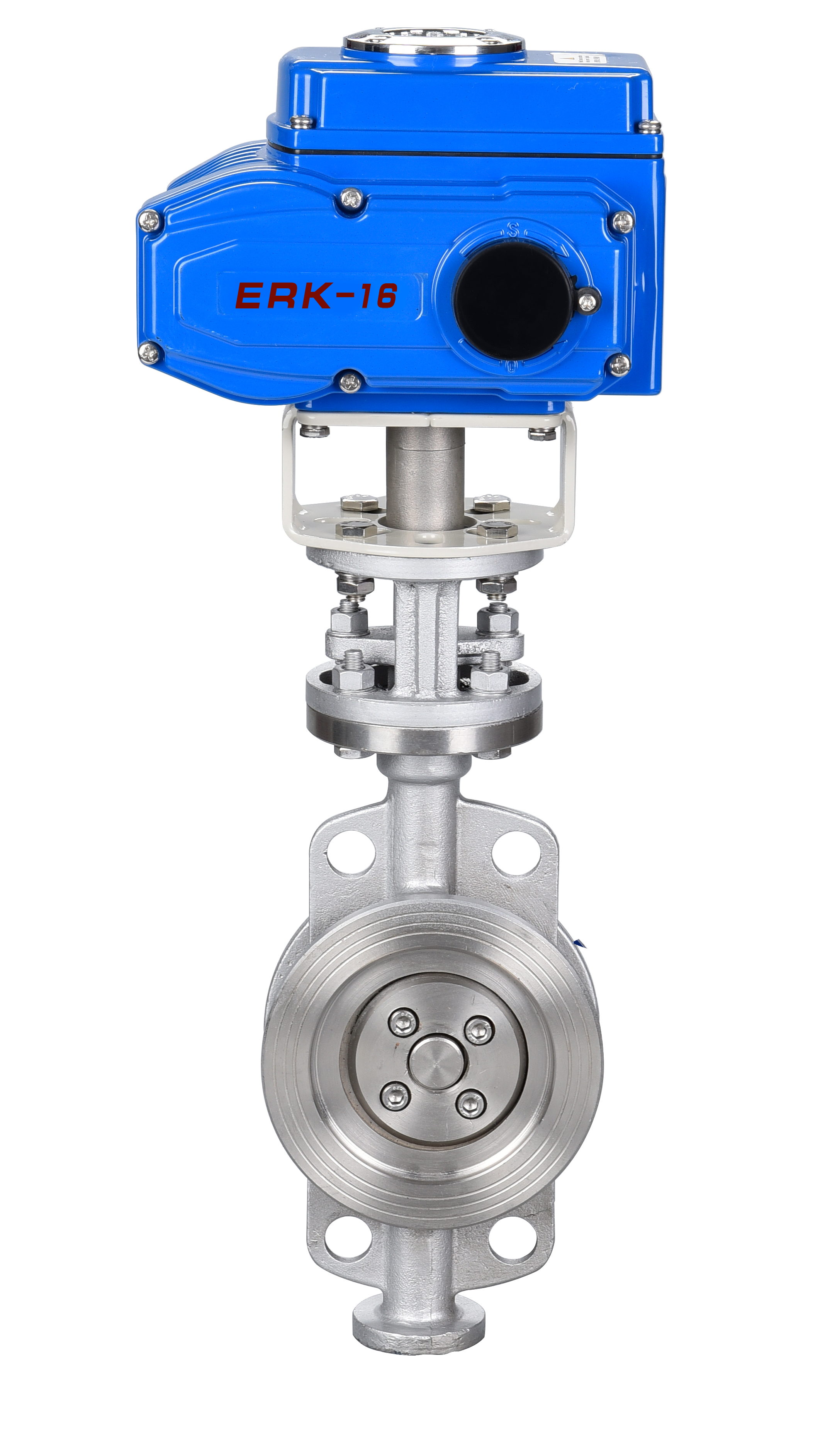
Water Supply and Wastewater Treatment: The Dominant Application for Butterfly Valves
Critical role in municipal water distribution, treatment plants, and pumping stations
Municipal water systems rely heavily on butterfly valves for managing everything from raw water intake through filtration processes all the way to the final discharge of treated effluent. These valves work on a simple quarter turn mechanism which makes them incredibly useful when there's an emergency situation like a burst pipe or failed pump. They stop problems from spreading throughout the entire network and help keep different parts of the system separate. Wastewater plants find these valves particularly handy too. They handle sludge movement between settling tanks, aeration basins, and dewatering equipment even when dealing with gritty solids and changing chemical conditions. Some models can go up to 60 inches in diameter with pressure handling capabilities around 150 psi. For big transmission lines where traditional gate or globe valves would weigh tons and cost a fortune, butterfly valves offer a much more affordable solution. Cities are now installing automated versions connected to SCADA systems, which cuts down response time during incidents by about 40 percent compared to what it was before automation became common practice.
Why butterfly valves excel in high-flow, low-pressure environments with frequent cycling
A streamlined disc shape helps reduce hydraulic resistance quite a bit, with pressure drops staying below 2 psi when installed in full bore setups. These characteristics make these valves particularly good fits for water systems where energy consumption matters and volumes are high. Compared to traditional multi turn gate valves, these models only need a simple 90 degree turn to operate, which means faster cycling times. This speed really matters when dealing with surges that happen during pump starts and stops. The seats made from EPDM and similar resilient materials provide solid shut off capabilities even at lower to moderate pressure levels. Plus they handle thermal expansion pretty well in those outdoor applications where temperature changes are common. And speaking of maintenance requirements, these valves generally don't need much attention over time because...
- Minimal moving parts
- Self-aligning disc assemblies that eliminate binding
- Corrosion-resistant coatings (e.g., fusion-bonded epoxy) for submerged or buried service
These attributes support 100,000+ operational cycles with >99.5% annual uptime—solidifying their status as the most reliable, lifecycle-cost-efficient solution for municipal water networks.
HVAC and Building Utility Systems: Optimizing Space, Cost, and Control
Advantages in Chilled/Hot Water Distribution and Compact Mechanical Rooms
Butterfly valves are the go-to choice for chilled and hot water systems in most commercial and institutional buildings these days. The compact wafer style takes up about 80 percent less room compared to regular gate valves which makes them ideal for cramped mechanical spaces where every inch counts. When installed with full ports, they keep the water flowing smoothly while cutting down on pressure loss, something that helps meet those ASHRAE 90.1 standards for building efficiency. Think about it this way: heating, ventilation, and air conditioning eats up roughly half of all energy consumed in buildings so even small gains in how well water flows through pipes can save money over time. Plus, the quarter turn mechanism responds quickly whenever temperatures need adjusting or pumps get switched on and off, cutting thermal lag by around 30% compared to older multi-turn designs that take forever to adjust.
Energy-Efficient Actuation and Integration with BMS for Smart Building Operations
Both pneumatic and electric actuators give us that fine level of control we need in HVAC systems where flow rates change constantly across different building zones. Connect them to a good BMS setup and suddenly those valves aren't just hardware anymore they're actually feeding valuable info into our predictive maintenance software. We've seen buildings cut their HVAC costs somewhere around 20 to maybe even 30 percent when operators start making live tweaks based on how many people are actually in the space plus what the weather is doing outside. The torque sensitive features really matter too because they stop those expensive failures from happening early on. Buildings last longer this way and stay within those ASHRAE efficiency standards most clients care about these days. Plus, during those times when utility rates spike, the system can automatically adjust airflow without anyone noticing any drop in comfort levels or problems with air quality inside.
Petrochemical and Chemical Processing: Balancing Corrosion Resistance and Reliability
Lined and high-performance butterfly valves for aggressive media and moderate pressures
The petrochemical and chemical processing industries need equipment that stands up to corrosion while still being dependable. Lined butterfly valves come with various seat materials like PTFE, EPDM, or FKM, and their bodies are often coated with fluoropolymers or rubber. These valves work well when dealing with harsh substances such as acids, caustic solutions, and solvents commonly found in operations like amine regeneration systems or during sulfuric acid transfers. For applications requiring higher performance, metal seated versions can handle temperatures exceeding 400 degrees Fahrenheit and pressure levels reaching around 250 psi, which makes them ideal choices for fractionation columns and reactor feed lines where conditions get tough. Another benefit worth noting is their smaller size compared to traditional gate valves, cutting down on required installation space by approximately 30%. This matters a lot in tight spaces within processing plants. When it comes to material choices, industry standards guide selections. Take Hastelloy C-276 seats for instance they offer excellent protection against hydrogen sulfide attacks in sour gas environments. According to research from the Ponemon Institute released in 2023, failures in these situations typically cost companies about $740,000 each time they happen.
Torque sensitivity, fugitive emissions control, and API 609 compliance considerations
Precise torque application is essential: insufficient torque compromises sealing; excessive torque deforms seats or damages stems. Modern designs incorporate torque-limiting actuators and live-loaded stem seals to achieve fugitive emissions rates below 50 ppm—meeting EPA Method 21 and ISO 15848 requirements. API 609 certification validates performance under fire-safe and cyclic endurance testing, mandating:
- Double-offset disc geometry to minimize seat wear
- Emergency sealant injection capability
- Full material traceability documentation
Such features are non-negotiable in high-hazard zones—including alkylation units and hydroprocessing trains—where valve integrity directly affects personnel safety and environmental compliance.
Emerging Applications: From Food & Beverage to Renewable Energy Infrastructure
Sanitary butterfly valves in food, pharma, and beverage processing (3A/ISO standards)
Sanitary butterfly valves have become the norm across food and beverage processing facilities that need to meet strict standards like 3-A Sanitary Standards and ISO 22000 requirements. The design features matter a lot here - fully recessed discs prevent contamination spots, surfaces made from electropolished 316L stainless steel (with surface roughness below 0.8 micrometers) resist buildup, and there are no hidden crevices where bacteria might hide. When it comes time for cleaning-in-place procedures, these valves handle harsh chemicals including caustics, acids, and peroxides without harming the EPDM or silicone seals. Operators appreciate how these valves stay sterile even during fast paced bottling lines or when transferring ingredients between tanks. Facilities report fewer unexpected shutdowns because of contamination issues, which means better product safety records and smoother compliance with regulations that keep getting stricter every year.
Role in cooling circuits for solar thermal plants and biogas upgrading systems
Butterfly valves play a critical role in concentrated solar power (CSP) plants where they control the flow of molten salt or synthetic heat transfer fluids through both primary and secondary cooling loops. These valves are built to handle extreme conditions including thermal cycling up to around 565 degrees Celsius and work well with expansion joints. They help keep things running smoothly by maintaining consistent fluid flow which is important for getting the right temperature at turbine inlets. When it comes to biogas upgrading facilities, special butterfly valves made from epoxy coatings or duplex stainless steel tackle tough environments filled with corrosive substances like hydrogen sulfide, carbon dioxide, and moisture during processes such as amine scrubbing or membrane separation techniques. The fact that these valves can be shut off quickly with just a quarter turn makes them valuable when dealing with sudden pressure spikes. Plus their compact wafer body design fits nicely into skid mounted systems and other modular setups. Because of all these features, butterfly valves have become essential components in modern renewable energy systems helping reduce wasted energy and keeping operations going longer between maintenance stops.
FAQ
What are butterfly valves used for in municipal water systems?
Butterfly valves are used to manage various stages of water flow, from raw water intake to the discharge of treated effluent. They are especially helpful in emergencies, such as a burst pipe or pump failure, preventing issues from spreading and maintaining system separation.
Why are butterfly valves preferred in HVAC systems?
Butterfly valves are chosen for HVAC systems because they save space, offer quick operation, and help reduce pressure loss, which aligns with building efficiency standards like ASHRAE 90.1.
What benefits do butterfly valves offer in the chemical industry?
In chemical processing, butterfly valves provide corrosion resistance and reliability, handling aggressive media and moderate pressures efficiently. They also reduce required installation space and support compliance with safety standards.
Table of Contents
- Water Supply and Wastewater Treatment: The Dominant Application for Butterfly Valves
- HVAC and Building Utility Systems: Optimizing Space, Cost, and Control
- Petrochemical and Chemical Processing: Balancing Corrosion Resistance and Reliability
- Emerging Applications: From Food & Beverage to Renewable Energy Infrastructure
- FAQ

