
 EN
EN
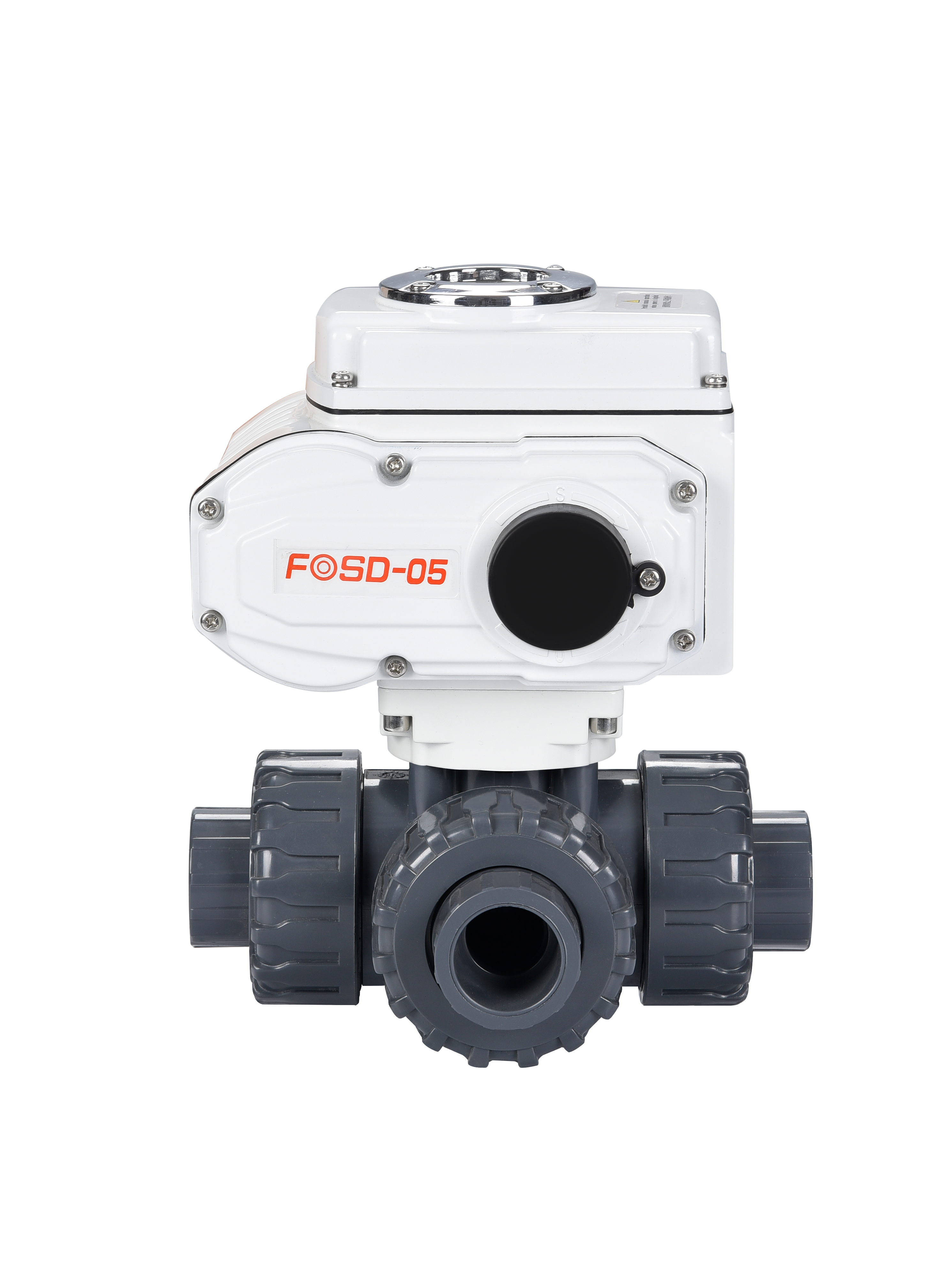
Seat and Seal Materials: Critical for Leak Integrity and Cycle Life
PTFE and Reinforced Variants: Chemical Resistance vs. Wear Limitations
When it comes to resisting chemicals in industrial ball valves, PTFE is still king. Most corrosive substances won't touch it either, since it handles around 90% of them without breaking down. The material's famous non-stick nature also keeps particles from building up in those messy slurry applications. This helps maintain good seals even after tens of thousands of cycles when conditions aren't too harsh. But there are limits. Pure PTFE starts to deform once temperatures hit about 260 degrees Celsius, and it wears away pretty fast when dealing with abrasive materials. That's why manufacturers often reinforce PTFE with things like glass fibers or carbon fillers (usually between 15% to 25%). These modifications boost compressive strength significantly, sometimes tripling it, and let the material handle higher temps continuously up to around 280 degrees. There's a tradeoff though. Reinforced versions aren't as resistant to strong alkalis anymore. For that reason, while reinforced PTFE works great for processing hydrocarbons, anyone working with chlorine has no choice but to stick with the original, unreinforced form of PTFE.
High-Performance Polymers (PEEK, Delrin): Thermal Stability and Mechanical Rigidity in Demanding Ball Valve Service
When things get too hot for regular PTFE, engineers turn to alternatives like polyetheretherketone (PEEK) and polyoxymethylene (commonly known as Delrin). Take PEEK for instance—it stays stable even when temperatures hit around 315 degrees Celsius. And it doesn't deform much either, holding under about 3,000 pounds per square inch over time. That makes it great for those steam injection systems where heat is always a concern. Delrin has something special going for it too. The material can handle millions of movements back and forth without breaking down, which is why it works so well in machines that need constant action. Both these materials are roughly 40% stiffer than reinforced PTFE, meaning they won't squeeze out as easily under pressure. But there's a catch. Their crystal structure means they don't play nice with harsh chemicals. PEEK can stand up to short bursts of concentrated sulfuric acid, but Delrin starts falling apart once the pH goes above 12. So picking between them really comes down to what specific conditions the application will face.
Metal Seats (Stainless Steel, Hastelloy, Tungsten Carbide): Zero-Compromise Solutions for Extreme Temperatures, Abrasion, or Fire-Safe Requirements
When dealing with situations where there simply cannot be any leakage, when facing extreme heat conditions, dealing with abrasive materials, or needing fire safety features, metal seats become essential because they overcome all the shortcomings of polymer alternatives. Take tungsten carbide for instance it can handle ongoing operations even at temperatures reaching 650 degrees Celsius and stands up to those harsh catalyst particles moving through at around 20 meters per second. This kind of durability means parts last about five times longer than what we see with polymer options in those Fluid Catalytic Cracking units found in refineries. Then there's Hastelloy C-276 which works wonders against concentrated sulfuric acid solutions at high temps like 400C. Meanwhile, certain grades of super duplex stainless steel such as UNS S32760 help avoid problems related to chloride stress cracking in those tough offshore environments where saltwater gets injected back into the ground. Safety is another big factor too many fire safe systems depend on metal seals that stay intact even when exposed to temperatures hitting 750C during hydrocarbon fires according to standards set by API RP 14D and ISO 10497. Of course, getting these benefits comes at a price manufacturers need to achieve incredibly tight flatness tolerances below 0.0001 inches through careful lapping processes. And let's face it this adds significantly to production costs making them anywhere from double to quadruple what soft seated valves would typically cost.
Body and Trim Materials: Engineering Corrosion Resistance and Structural Reliability
The body and trim materials of industrial ball valves form the frontline defense against process fluid degradation. Selecting alloys with precise corrosion resistance ensures structural integrity and operational longevity across demanding applications.
Stainless Steel Grades (316, F51/F53 Duplex): Balancing Chloride Stress Corrosion Cracking Resistance with Cost and Fabrication Needs
For most chemical services at moderate temps, standard 316 stainless steel offers decent corrosion protection. The material actually holds up better against acids than 304 grade thanks to its higher chromium and nickel content. When dealing with chloride rich environments like seawater injection systems or offshore oil platforms though, things get interesting. Duplex steels such as UNS S32205/F51 and S32750/F53 really shine here with their ability to resist chloride stress corrosion cracking. These materials have this unique dual phase structure combining ferritic and austenitic properties which basically makes them twice as strong as regular austenitic grades while still being reasonably easy to weld. That strength translates into real benefits for subsea projects where reducing pressure classes and cutting down on weight matters a lot. Of course there's a catch. Fabricating these specialty steels is more complicated and typically costs anywhere from 20 to 40 percent more than working with 316L. For many projects, doing a proper lifecycle cost analysis becomes essential before committing to these materials despite their advantages.
Exotic Alloys (Inconel, Super Duplex, Titanium): Material Selection for Aggressive Media in Oil & Gas and Chemical Ball Valve Applications
Standard stainless steels just don't cut it when exposed to hydrogen sulfide, concentrated acids, or temperatures above about 315 degrees Celsius. That's when we need those specialized alloys to step in. Take Inconel 625 for instance. This stuff keeps its strength even in sour gas environments where regular carbon steels would literally fall apart from embrittlement. Then there are the super duplex grades like F55 (also known as UNS S32760). These bad boys hit yield strengths over 1,000 MPa and have PREN values above 40, which makes them way better than old reliable 316L steel in refineries and petrochemical plants. And let's not forget titanium. Nobody beats titanium against oxidizing acids like nitric and chromic acid, while most other stainless and nickel alloys start eating themselves away pretty quickly. Sure, all these materials come at a price tag three to eight times higher than standard stainless steel. But look at the big picture. When dealing with dangerous conditions or places where environmental impact matters, the longer lifespan of these specialty metals usually pays off handsomely in the long run, cutting down on replacement costs and maintenance headaches.
Material Compatibility and System-Level Durability: Avoiding Hidden Failure Modes
Thermal Expansion Mismatch: How Differential Growth Between Ball, Seat, and Body Compromises Sealing in High-Temperature Ball Valves
When operating temperatures climb past 150°C (around 300°F), differences in how various valve parts expand when heated become one of the main reasons valves fail early. Take stainless steel bodies versus tungsten carbide seats for example at around 260°C (500°F). The steel expands almost half again what the carbide does, which creates tiny gaps at the micron level that really mess with seal integrity. These mismatches show up in several ways across different applications. We see leaks happening sooner in hydrocarbon processing systems, permanent damage to seating surfaces in steam services, and all sorts of binding issues when cooling down to cryogenic temps. One major chemical facility cut their unplanned valve changes by roughly three quarters once they started using materials with matching coefficients of thermal expansion. They paired Inconel balls with Inconel seats specifically for those tough high temp jobs where this kind of mismatch was causing so many headaches before.
Galvanic Corrosion and Galling Risks: Why Trim Material Pairing Matters as Much as Individual Alloy Choice
When different types of metal come together in valve components, they form what's called electrochemical couples which speeds up corrosion problems. Take for instance when someone pairs 316 stainless steel stems with Monel seats while working with salt water. This combination can make galvanic corrosion happen about four times faster compared to when all parts are made from the same alloy. Another big issue is galling. When stainless steel touches other stainless steel parts under lots of force, tiny welds form at microscopic level, making valves stick during operation. This happens quite often in systems where people operate them manually or need extra torque. To fix these issues, engineers apply protective coatings on surfaces, choose materials that won't fight each other chemically, and sometimes put PTFE lubricants into stem areas. Studies have found that getting the right mix of materials can actually double or even triple how long ball valves last in harsh environments like offshore platforms.
FAQs about Seat and Seal Materials
What are the primary benefits of using PTFE in ball valves?
PTFE offers superior chemical resistance, handling around 90% of corrosive substances without breaking down. Its non-stick nature prevents particle buildup, making it ideal for maintaining seals even in challenging slurry applications.
Why are reinforced PTFE materials used in industrial applications?
Reinforced PTFE materials are used to enhance compressive strength and increase tolerance to higher temperatures, albeit at the cost of reduced alkali resistance.
What makes PEEK and Delrin suitable alternatives to PTFE?
PEEK and Delrin are effective at higher temperatures where PTFE might fail. PEEK offers stable thermal performance up to 315°C, while Delrin can handle frequent movements without degradation.
When should metal seats be considered over polymer materials?
Metal seats are preferred for applications requiring zero leakage, extreme temperature resistance, durability against abrasive materials, or fire safety, which are limits for polymer alternatives.
What are the challenges associated with fabricating exotic alloys for ball valves?
Fabricating exotic alloys often involves more complex processes and higher costs, but their enhanced performance and longevity in aggressive environments can justify the investment.
Table of Contents
-
Seat and Seal Materials: Critical for Leak Integrity and Cycle Life
- PTFE and Reinforced Variants: Chemical Resistance vs. Wear Limitations
- High-Performance Polymers (PEEK, Delrin): Thermal Stability and Mechanical Rigidity in Demanding Ball Valve Service
- Metal Seats (Stainless Steel, Hastelloy, Tungsten Carbide): Zero-Compromise Solutions for Extreme Temperatures, Abrasion, or Fire-Safe Requirements
- Body and Trim Materials: Engineering Corrosion Resistance and Structural Reliability
- Material Compatibility and System-Level Durability: Avoiding Hidden Failure Modes
-
FAQs about Seat and Seal Materials
- What are the primary benefits of using PTFE in ball valves?
- Why are reinforced PTFE materials used in industrial applications?
- What makes PEEK and Delrin suitable alternatives to PTFE?
- When should metal seats be considered over polymer materials?
- What are the challenges associated with fabricating exotic alloys for ball valves?

