
 EN
EN
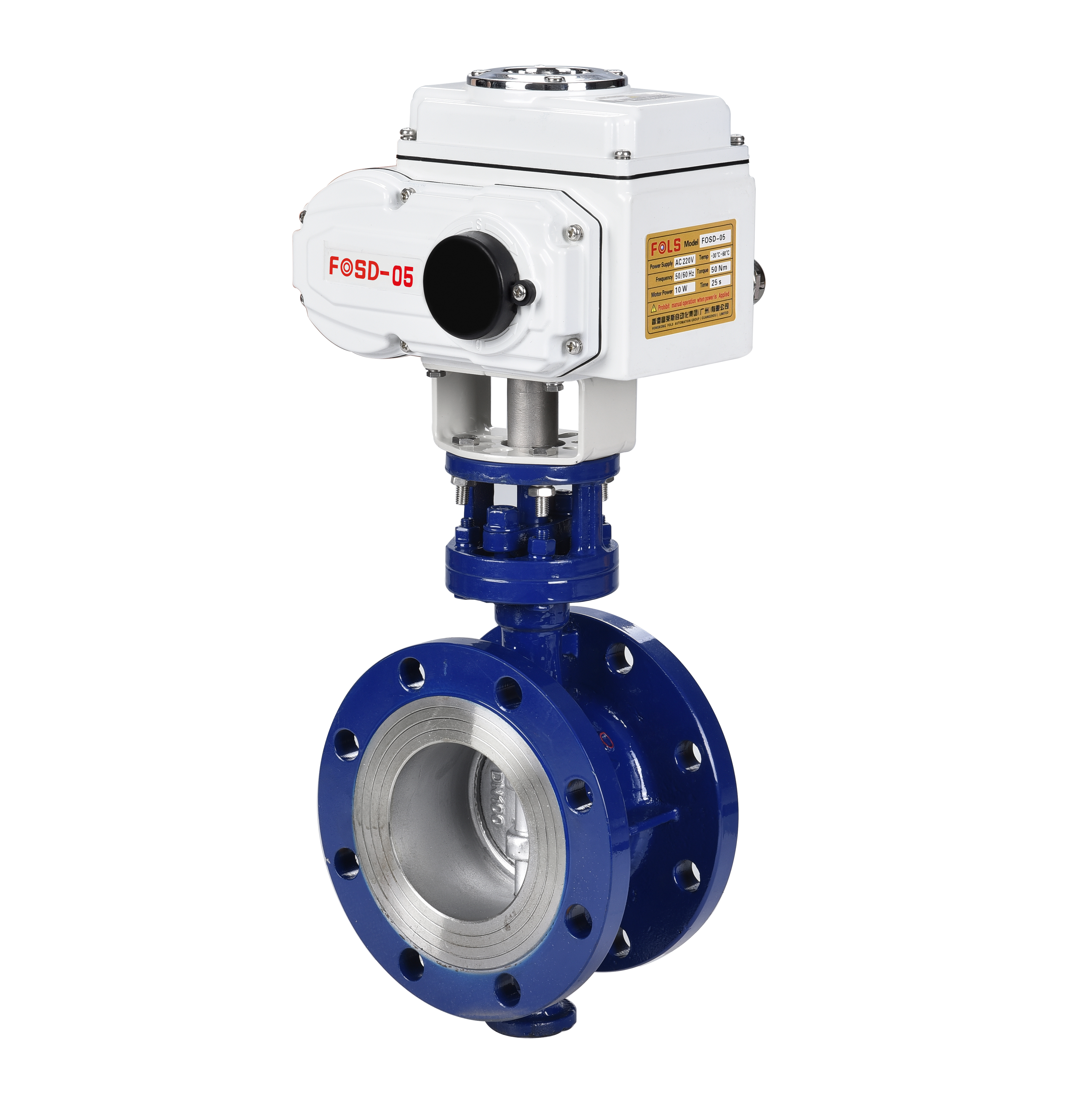
Precision Control and Repeatability: The Defining Strength of Electric Valves
Sub-millimeter Positioning Accuracy with ±0.1% Actuator Tolerance
Electric valves offer exceptional flow control thanks to their closed loop feedback systems which keep actuator tolerances within about 0.1%. This level of precision enables positioning accuracy at sub millimeter levels, something absolutely essential when mixing medications or dosing chemicals. Even small deviations matter here – a mere half percent error can ruin an entire batch. Pneumatic valves simply cant match this consistency since their performance varies depending on air pressure conditions. Solid state actuators work differently though, translating control signals into straight line movement with almost no lag effect. For process engineers working with extremely small quantities, these valves make it possible to maintain consistent flow rates right down to microliters. According to recent industry data from the 2024 Flow Control Benchmark report, manufacturers using such technology typically see reductions in material waste ranging between 17% and 23% across various precision manufacturing applications.
This accuracy is rooted in three integrated mechanisms:
- Digital encoders delivering 0.01° rotational resolution
- Self-calibrating algorithms that compensate for thermal expansion in real time
- Strain-gauge feedback detecting stem position within 0.05 mm
Consistent Performance Across 100,000+ Cycles Without Calibration Drift
Electric valves keep their original factory settings through well over 100,000 operation cycles, which works out to roughly ten years straight in places like water treatment facilities. The brushless DC motor design combined with those ceramic sealed gears means no more worrying about lubricant breakdown that causes problems in traditional hydraulic systems. Tests run fast but thorough show these valves stay stable within about 0.15% difference according to Fluid Systems Journal from last year. That means getting rid of those quarterly checks needed for old style pneumatic systems. On real world applications, facilities report around 70% reduction in maintenance calls and absolutely no unexpected shutdowns when making adjustments something that matters a lot for factories running non stop such as semiconductor manufacturers. The materials used are tough against rust and corrosion, plus the software manages torque so gears don't wear down over time, keeping everything working reliably for years without losing accuracy.
Seamless Automation Integration for Smart Industrial Systems
Native Protocol Support (Modbus, IO-Link, Profibus) for SCADA and BMS Interoperability
Today's electric valves come built in with support for protocols like Modbus, IO-Link, and Profibus, which means they can connect straight to SCADA systems and building management setups without needing extra gateways. This ability to work together lets operators keep track of things like water flow speeds, pressure limits, and overall valve condition even when equipment is spread out over multiple locations. When it comes to diagnostics, stuff like signs of worn seals or delays in actuator responses gets sent right to central control screens, so problems can be spotted before they become major issues. Standardizing how these devices talk to each other at their core level makes installation much simpler and saves money too most companies report around 30 to 40 percent less spending compared to older retrofit approaches. What we end up with is something resembling Industry 4.0 principles in action, where every single valve acts as part of a networked system collecting useful information instead of just sitting there as another piece of machinery doing its own thing.
Remote Monitoring and Control Reducing On-Site Maintenance by Up to 70%
With remote access technology, maintenance has shifted from being something we do after problems happen to catching issues before they become serious headaches. Techs can tweak settings, check system health, or start calibration processes all from their central control panels instead of trekking out to dangerous spots, tight spaces, or hard-to-reach locations across the plant floor. The numbers back this up too many companies report cutting down on site visits by around two thirds and saving a ton on travel costs as well. These smart systems watch things like how much force equipment is exerting, how many cycles it goes through, and how quickly it responds to commands. When something starts going wrong, like when torque levels drift outside normal ranges, the system sends out warnings so technicians can fix most problems without ever setting foot near the actual machinery. All told, these capabilities mean maintenance crews don't have to come around nearly as often anymore service intervals stretch out two to three times longer than before and unexpected breakdowns drop off dramatically compared to older air-based systems that couldn't detect problems until they were already causing damage.
Superior Energy Efficiency and Lower Total Cost of Ownership
60–80% Lower Energy Consumption vs. Pneumatic/Hydraulic Equivalents
Electric valves cut down on all those energy losses that come with running compressors and pumping hydraulic fluids around the place. They actually use between 60 to 80 percent less power compared to their pneumatic or hydraulic counterparts according to the latest Fluid Systems Report from 2024. With direct electrical actuation there's simply no need for all that extra equipment either. No more dealing with compressors sitting around collecting dust, no air dryers taking up space, definitely no hydraulic pumps or big reservoir tanks needed anywhere near the installation site. The lack of complicated parts means maintenance becomes a whole lot easier too. Nobody has to worry about replacing worn out seals, constantly topping up lubricants, or cleaning air filters every few weeks. When looking at things over five years worth of operation, this combination of factors can slash overall costs by as much as 45%. So while they might cost a bit more upfront, electric valves end up being smarter investments in the long run for operations concerned about both reliability and bottom line savings.
FAQ
Why are electric valves preferred for precision applications?
Electric valves offer sub-millimeter positioning accuracy with actuator tolerances around ±0.1%, making them ideal for precision applications such as medication mixing and chemical dosing.
How long do electric valves maintain consistent performance?
They maintain consistent performance over 100,000+ cycles, reducing the need for regular calibration compared to pneumatic systems.
Can electric valves integrate smoothly into existing automation systems?
Yes, they support native industrial protocols like Modbus, IO-Link, and Profibus, enabling seamless integration with SCADA and BMS systems.
What energy savings do electric valves offer?
Electric valves consume 60–80% less energy compared to pneumatic and hydraulic systems, reducing operational costs significantly.

