Material specification directly impacts performance, longevity, and total cost of ownership for industrial electric valve deployments. Strategic selection balances operational requirements against budget constraints—especially critical in high-volume procurement, where small per-unit savings compound significantly, and material misalignment risks fleet-wide reliability.
For most industrial applications, stainless steel in grades 304 or 316 is what folks typically go with because it stands up well to corrosion, holds its strength under stress, and doesn't break the bank too badly. When things get really tough in caustic or reducing environments though, nickel alloys like Monel come into play. These bad boys can handle what regular stainless just can't but they'll set companies back around 40 to 60 percent more per unit compared to good old 316 stainless. Speaking of alternatives, bronze actually works pretty well for those situations where there's no serious corrosion risk, like when dealing with steam systems or water lines (either clean or not so clean). Companies often find themselves saving roughly 30% by switching from stainless to bronze when compatibility allows. And here's something smart manufacturers do with big orders: instead of splurging on expensive materials everywhere, they save the fancy stuff only for the parts of the system that absolutely need it. This approach keeps money in the budget while still maintaining overall system reliability.
Valve bodies made from PVC and CPVC materials stand up better against galvanic corrosion problems that plague metal alternatives, especially when dealing with harsh chemicals, wastewater systems, or desalination plants. These plastic valves do have some operational limits though, working best below 150 degrees Fahrenheit and under 150 pounds per square inch pressure. But what they lack in temperature range they make up for elsewhere since they weigh about half as much as metal counterparts. This lighter construction means less effort during installation and reduced need for heavy structural supports. Metal valves typically need special coatings applied plus regular checks for wear and tear in corrosive conditions. The polymer versions keep their shape and surface quality intact for many years without similar maintenance demands. Industry studies show maintenance costs drop by around 35 percent in areas with high chloride content, which explains why so many big facilities choose these plastic valves even though they can't handle extreme temperatures or pressures.
Inconel® keeps its strength and resists oxidation even at temperatures over 2000°F. Super duplex steels stand up to pitting and stress corrosion cracking when chloride levels go past 100,000 ppm, which happens all the time in places like offshore platforms, nuclear facilities, and petrochemical plants. Sure, these materials come with a price tag about 2 to 3 times what standard 316 stainless costs, but looking at the big picture makes sense. The math works out pretty fast actually – around 3 to 5 years before breaking even. Think about it: one unexpected valve failure during a crucial operation can shut down production and cost upwards of half a million dollars, without counting potential safety issues or environmental damage. When dealing with large orders, it's smart practice to specify those high-end alloys only in areas where things absolutely cannot fail. Pair this approach with thorough analysis of possible failure points and companies get the best of both worlds – systems that last longer while still keeping budgets under control.
| Material | Best-Suited Applications | Temperature Limit | Cost Premium vs. SS316 |
|---|---|---|---|
| PVC/CPVC | Chemical transfer, pH control | 150°F | -60% |
| Bronze | Steam, non-potable water | 450°F | -30% |
| Super Duplex | Seawater, chlorides | 600°F | +120% |
| Inconel® | High-temperature steam, acids | 2000°F | +200% |
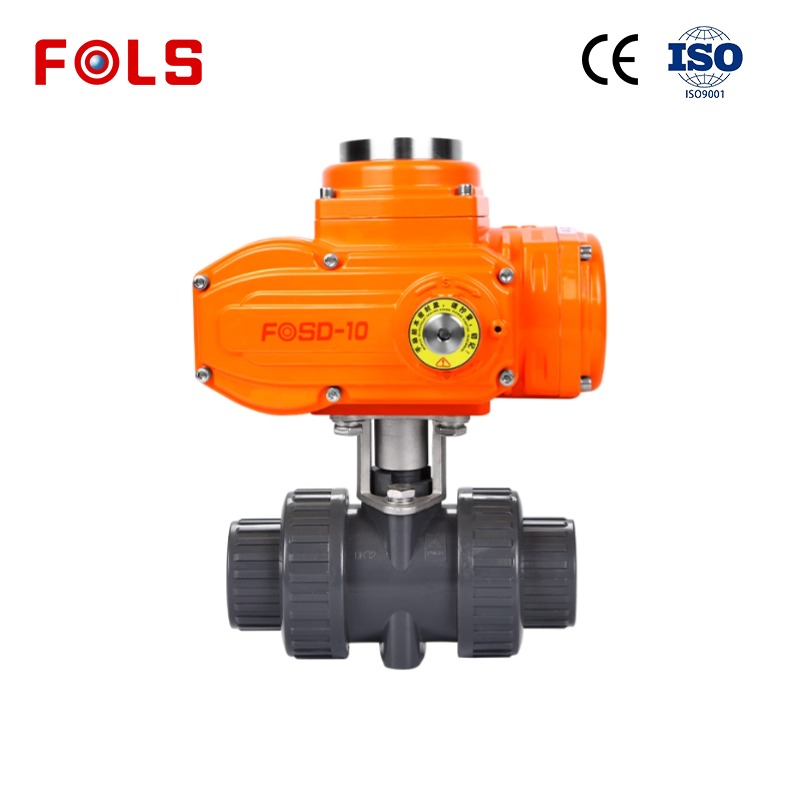
When choosing an actuator, it's important to consider factors beyond just the valve size. The right choice depends heavily on duty cycle, how precise the control needs to be, and what kind of system dynamics are involved. Solenoid actuators work great when fast response times matter most, like during emergency shutdowns or quick sequence changes, though they don't offer much in terms of fine positioning control. Linear actuators give better control over throttling processes. Some models come with proportional capabilities that allow variable position adjustments within about half a percent accuracy, which makes them ideal for applications such as chemical dosing systems or steam conditioning equipment where flow modulation is critical. When deploying these actuators at scale across many valves, matching the torque output (typically between 20 and 5,000 Newton meters) becomes crucial. Valve manufacturers often recommend including extra capacity to account for things like media viscosity changes, pressure differences, and gradual seat wear that happens over years of operation. Industrial strength electric actuators last significantly longer than standard versions, typically reaching around 250,000 operational cycles compared to roughly 100,000 cycles for regular models. This extended lifespan matters a lot in plants running continuously day after day. Energy audits conducted independently have consistently shown that switching from pneumatic to electric actuators can cut down operating expenses anywhere from 18% to 34% in big industrial facilities connected to the power grid.
Electric valves with built-in smart technology aren't just sitting there anymore they actually become control centers within industrial systems. These valves come equipped with high precision position sensors that are accurate within plus or minus 0.25 percent, which lets them regulate flow precisely and also gives early warning signs when maintenance might be needed. The mechanical limit switches built into these valves stop actuators from getting overloaded when reaching their travel limits something really important for those automated batching operations where things need to run smoothly without interruption. When dealing with dangerous environments, following safety standards is absolutely mandatory. For Class I Div 1/2 areas (ATEX/IECEx certified), manufacturers must design circuits that won't spark, build explosion proof housings, and get independent verification from third parties. Most modern valves now have modular control options supporting various protocols like PROFIBUS, Modbus TCP, and HART, making it possible to upgrade communications and diagnostic capabilities right on site without replacing entire systems. According to findings published last year in the Process Automation Report, facilities that implemented these standardized smart valve features saw a significant drop in maintenance problems down around 41% specifically in refinery operations and chemical processing plants.
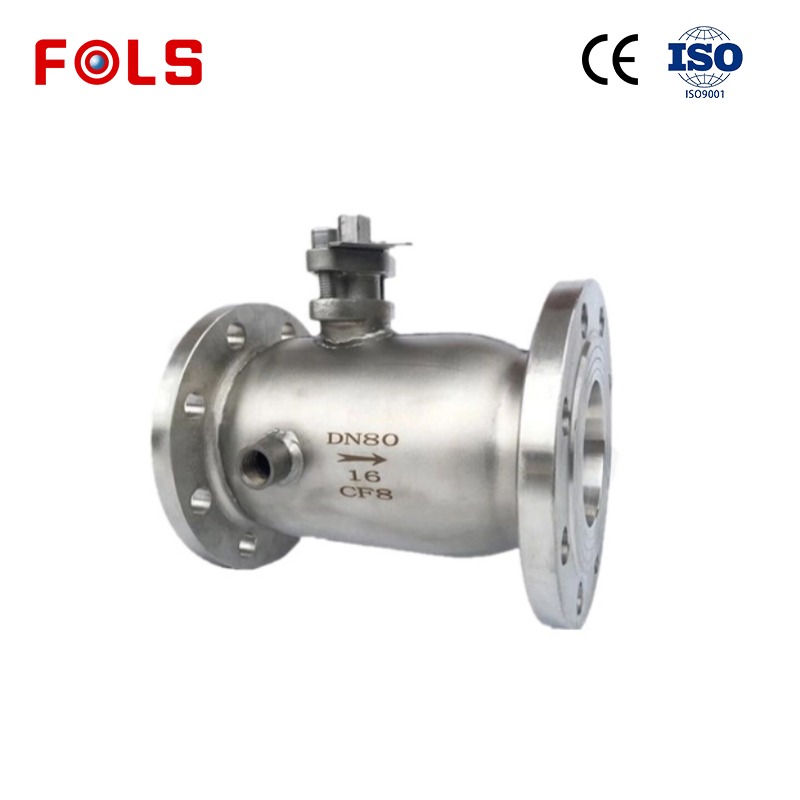
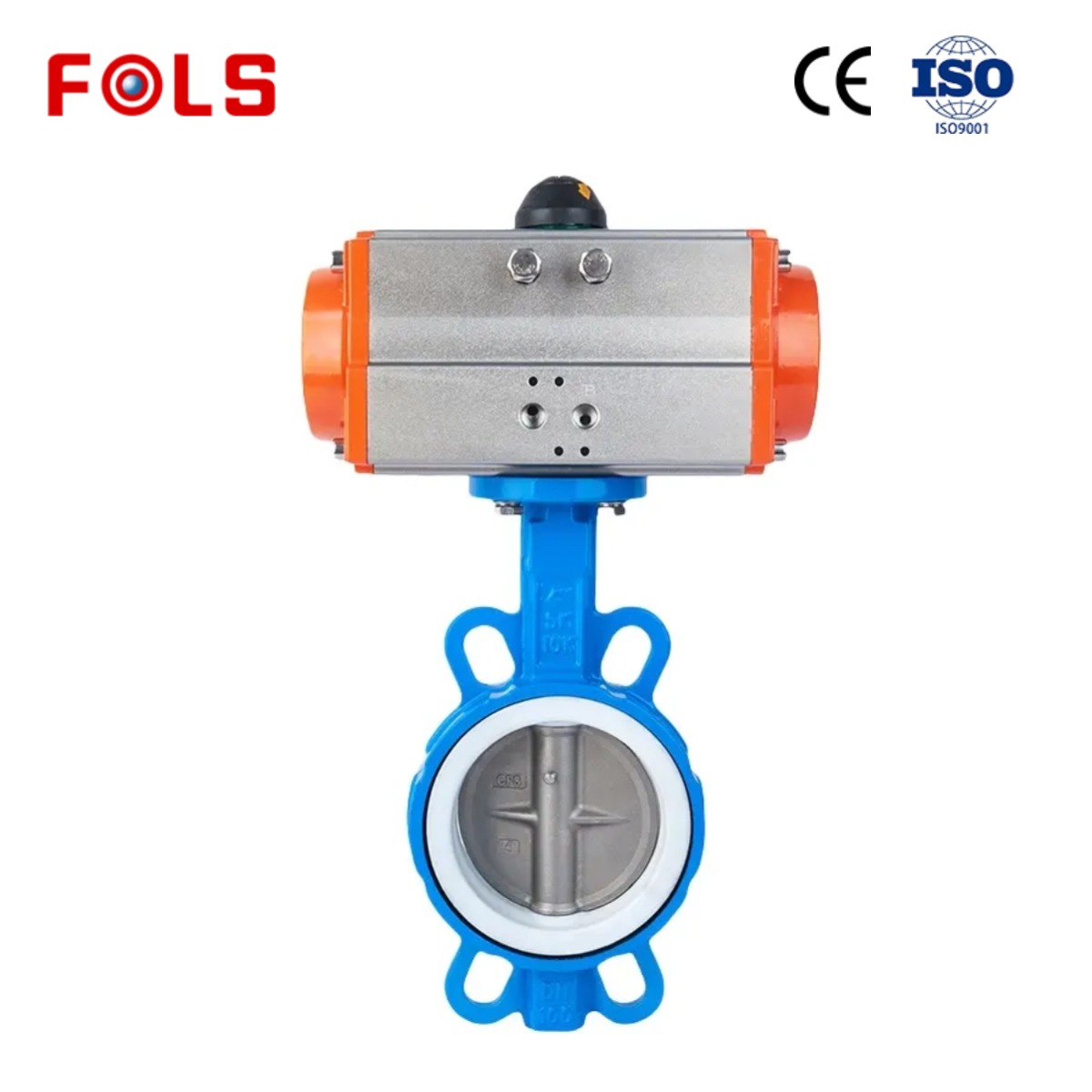
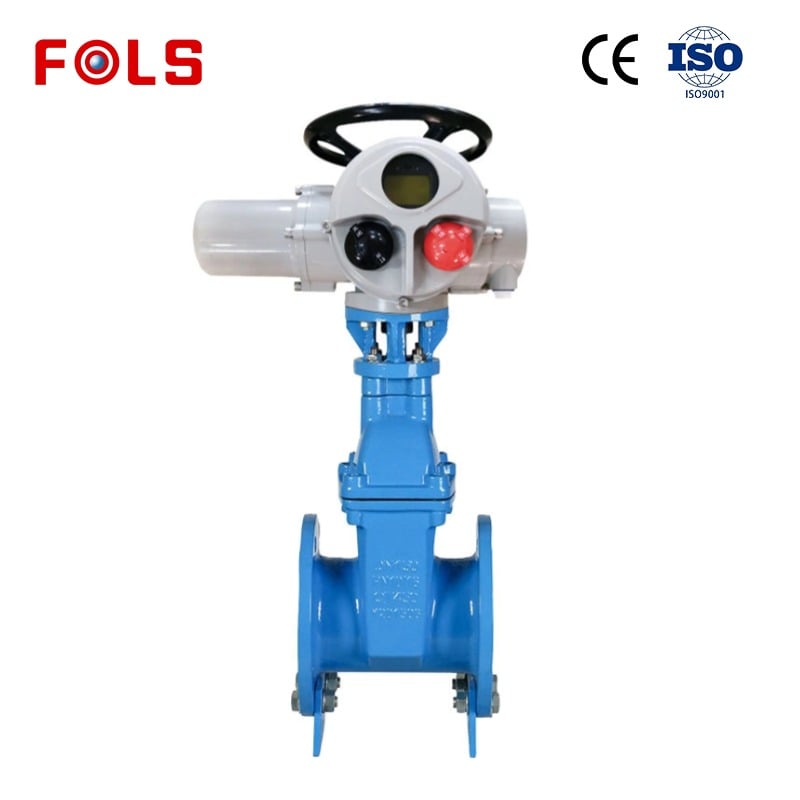
The type of valve really determines what it can do beyond just fitting into a system. Take ball valves for instance they shut off quickly and tightly without much pressure loss, which is why plumbers love them for isolating things like water mains, heating systems, or compressed air lines. Gate valves work great when fully open since they create almost no resistance, but nobody wants to use them for adjusting flow because the seats wear out fast. Globe valves are different though they're fantastic at controlling flow precisely, something that matters a lot in situations where chemicals need exact measurements or temperatures must stay stable, even though they do cause more pressure drop. Check valves stop unwanted reverse flow in one-way systems, and butterfly valves take up less room and money while still doing a decent job on big pipes with lower pressures. When picking valves, always think about what the job actually requires:
Getting zero leakage shut off and maintaining stable modulation isn't really about what kind of generic valve we're talking about, but rather depends heavily on how the trim components and sealing system are engineered. Metal seats made from materials like Inconel or Stellite can handle all sorts of tough conditions including thermal cycling and abrasive substances commonly found in petrochemical steam services above 800 degrees Fahrenheit. Meanwhile, chemical resistant elastomers such as EPDM, FKM, or PTFE lined options keep things intact when dealing with those tricky acidic or oxidizing fluids in pharmaceutical applications or food grade environments. When it comes down to precision, discs that have been carefully machined along with contoured seats allow for around plus or minus 1 percent flow repeatability which is absolutely essential for tasks like balancing steam headers or controlling catalyst feeds accurately. For applications where there's potential danger involved, reinforced stem seals featuring dual O rings plus fugitive emissions certification according to ISO 15848-1 standards help reduce regulatory headaches and maintenance needs significantly compared to regular setups, cutting down required maintenance roughly forty percent in practice.
When companies form strategic partnerships with original equipment manufacturers, they actually turn what would normally be complicated customization work into something that scales well for business needs. Instead of trying to modify standard valves after purchase, working closely with specialized manufacturers allows creation of tailor made solutions ranging from sealing systems that prevent any leaks to actuation packages designed to handle explosive environments all without breaking the bank on non-recurring engineering fees or waiting months for delivery. The process involves checking designs together, reviewing how things can be manufactured efficiently, and running thorough factory acceptance tests so those custom specs actually work when it comes time to produce them. Manufacturers who have automated their assembly processes and maintain proper documentation about materials according to standards like ASME B16.34 and ISO 9001 can get products out the door much faster without sacrificing adherence to important industry regulations such as API, ANSI, and PED requirements. What this means is that businesses no longer face delays when ordering large quantities of electric valves; instead they gain an edge over competitors through better control over their supply chain operations.
The primary materials include stainless steel (grades 304 or 316), nickel alloys (such as Monel), bronze, PVC/CPVC polymers, Super Duplex, and Inconel®.
Polymer bodies resist galvanic corrosion and reduce maintenance costs by up to 35%, although they have operational limits in terms of temperature and pressure.
The actuator type, such as solenoid, linear, or proportional, should be chosen based on system requirements like duty cycle, precision, and system dynamics to ensure efficient operation.
OEM collaboration helps in customizing solutions cost-effectively, ensuring compliance with industry regulations, and streamlining supply chain operations.
 Hot News
2025-04-08
2025-04-08
2025-04-08
2025-04-08
2025-04-08



 EN
EN