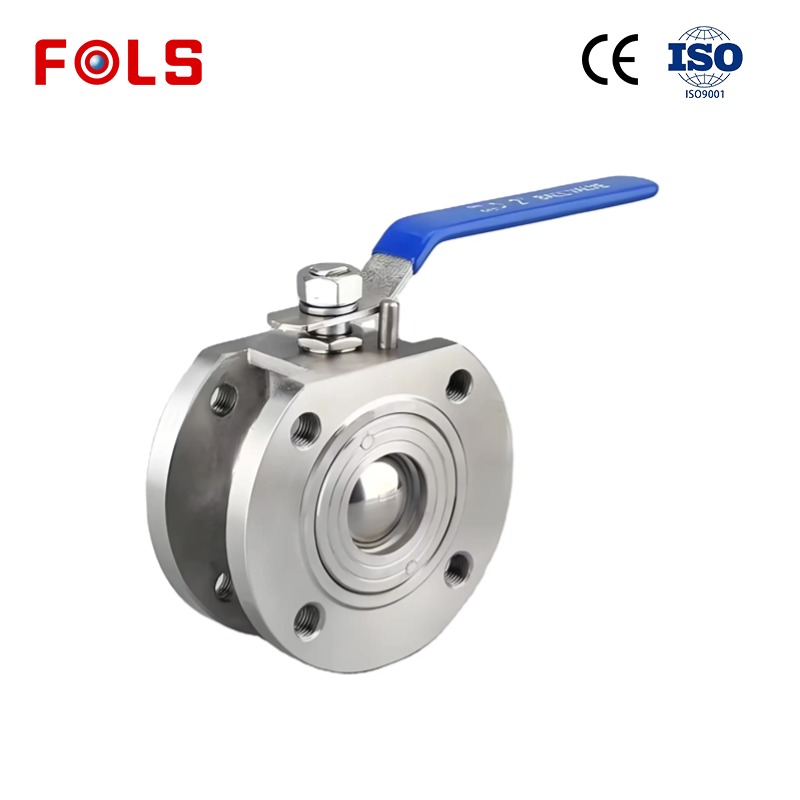
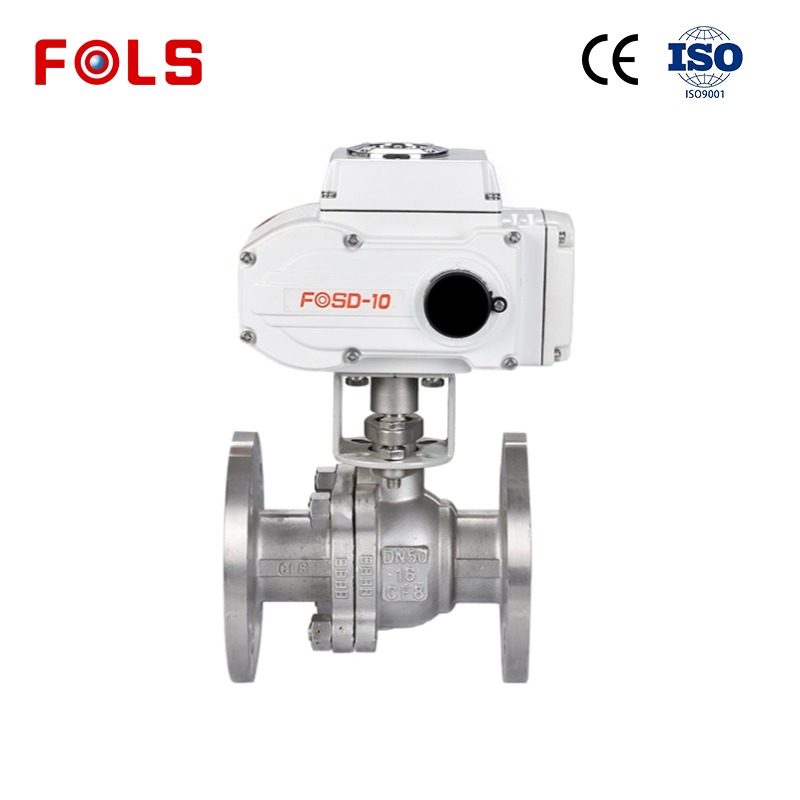
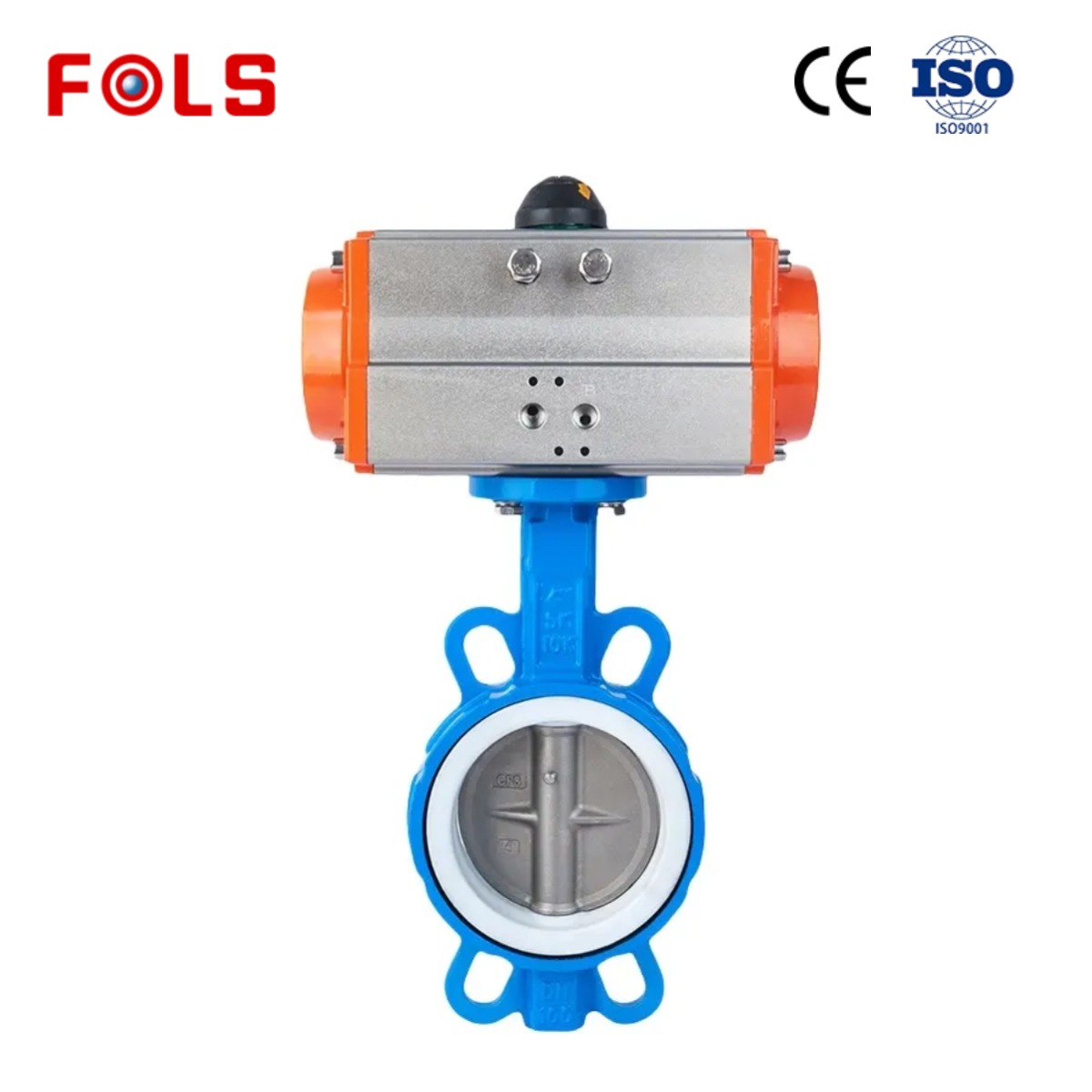
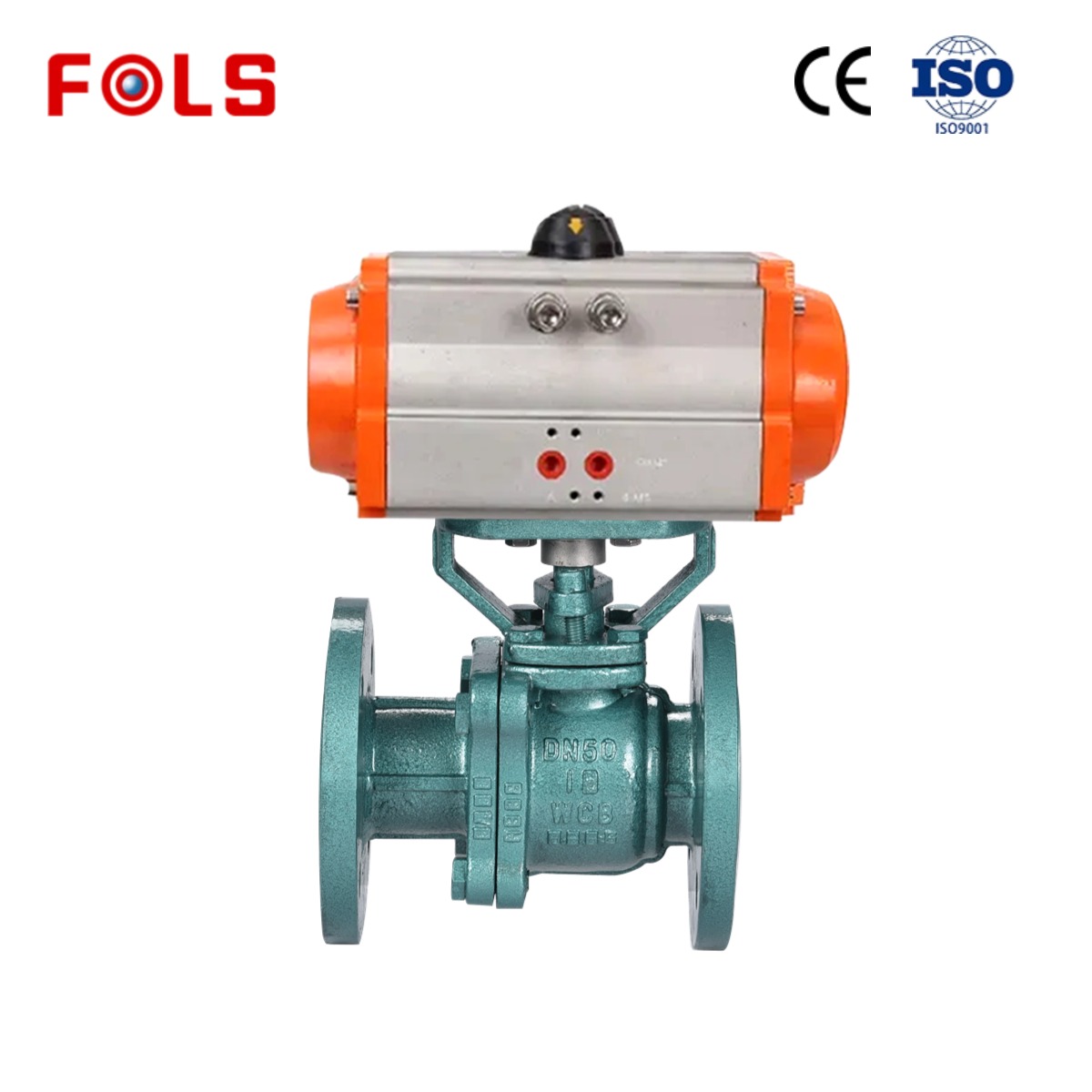
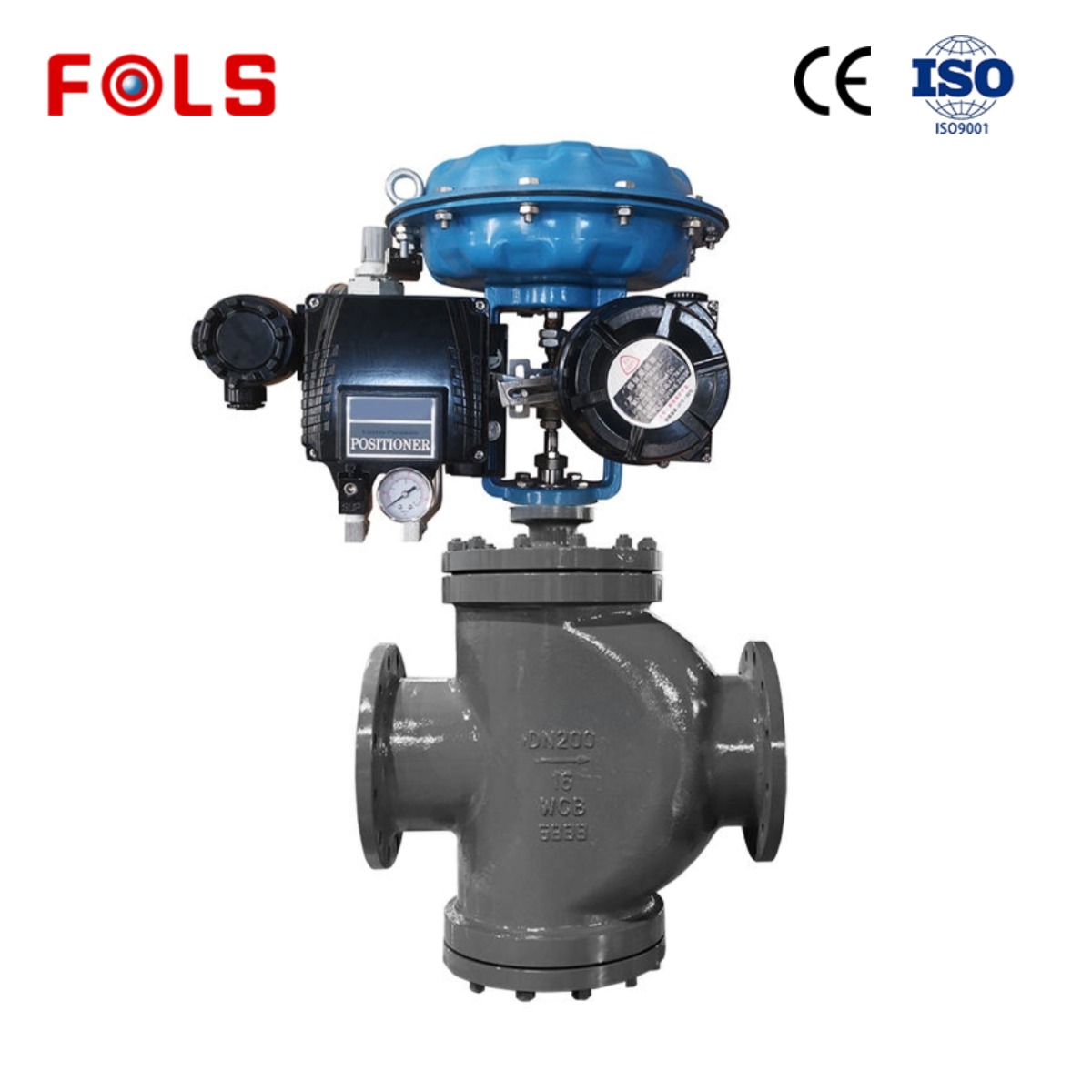
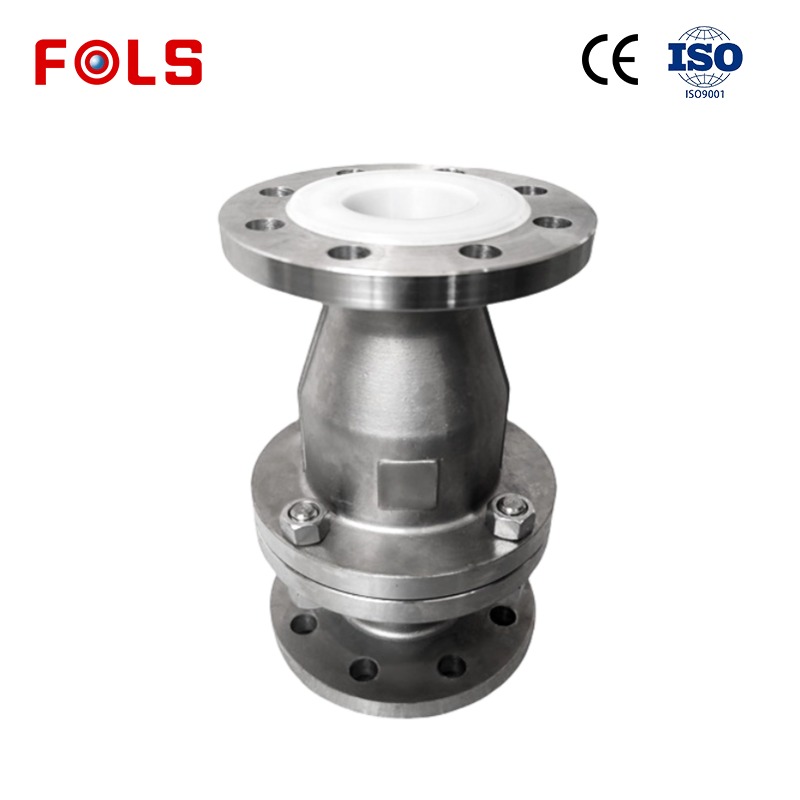
Electric valves combine electromechanical actuators with flow control parts to manage how liquids move through water treatment systems. When control systems send electrical signals, these valves translate them into actual mechanical movement, positioning their internal parts accurately within about half a percent of full scale. Getting this kind of precision matters because it keeps flow rates steady throughout operations. Stable flow means better water quality overall and fewer problems during processing, something plant operators really care about when managing day-to-day operations.
Today's systems rely on electric valves paired up with those smart IoT sensors that keep track of important stuff like water cloudiness (turbidity), acidity levels (pH), and how much chlorine is left in the water, checking these things roughly every two seconds. If something goes off track - say there's a sudden jump in turbidity past 3 NTU - the whole setup will tweak the valve settings automatically to bring things back into balance. According to some research from Water Quality Association back in 2023, this kind of automatic feedback loop cuts down on excess chemicals by around 20% when compared to old fashioned manual methods. Not only does this save money, but it also helps facilities stay within regulatory requirements without breaking a sweat.
Electric actuators support six critical control modes tailored to diverse water management needs:
These capabilities enable effective use across a wide range of applications, from 2' disinfection lines to 24' mainline regulators in large wastewater facilities. .
Electric actuators use planetary gear systems to turn the spinning motion from motors into straight line movement of the stem, which means they can repeat positions accurately down to about 0.15mm. Better quality units come with built-in torque limiters that stop damage when valves get stuck, something really important for dealing with gritty sludge containing around 5% solid particles. These actuators also have feedback potentiometers that keep checking where everything is positioned, forming what amounts to a correction system that keeps things accurate even after thousands upon thousands of operations.
Electric valves play a key role when it comes to operating remotely in those decentralized water treatment setups we see today. When linked up with those IoT sensors and PLC systems, these valves let control centers handle multiple locations spread out across different areas all at once. For plant operators, this means they can tweak things like chemical levels or shut off parts of the system that are leaking without having to physically be there. According to a study from Ponemon back in 2023, this kind of setup actually reduces response times quite dramatically compared to old fashioned manual approaches – somewhere around 63% faster according to their findings. That makes a real difference in maintaining system integrity during emergencies.
Remote monitoring systems collect data from pH sensors, flow meters, and pressure transducers, enabling valves to respond autonomously based on preconfigured thresholds. This capability is especially valuable in rural or inaccessible areas where staffing is limited or impractical.
By eliminating the need for manual valve operation, electric actuators improve safety in hazardous environments involving chlorine vapors or high-pressure fluids. In coagulant injection systems, motorized valves maintain 0.5—5% flow accuracy during turbidity spikes, ensuring consistent water quality while protecting personnel from direct exposure.
Integrated with SCADA platforms, electric valves contribute to system-wide load balancing. During peak demand, they dynamically redistribute flows between treatment modules while preserving EPA-mandated disinfection contact times. This intelligent automation reduces energy waste by 22% in backwash sequences compared to fixed timer-based systems.
Electric valves deliver precise control over chlorine, ozone, and other disinfectants with ±2% flow accuracy. This prevents under- or overdosing, supporting compliance with WHO drinking water standards. Using real-time inputs from turbidity and ORP sensors, automated systems adjust dosing rates dynamically, reducing chemical waste by 18—35% compared to manual processes.
In chlorination, electric actuators modulate valve openings to maintain residual chlorine levels between 0.2—2.0 mg/L, even as flow rates fluctuate. This proportional control ensures effective pathogen elimination during high demand while avoiding corrosive excess in low-flow periods.
To keep pH within the optimal 6.5–8.5 range , electric valves inject acid or alkali solutions in response to live sensor feedback. A 2023 pilot study found automated systems reduced pH excursions by 72% compared to manual adjustments in municipal plants.
Effective floc formation requires millisecond-level responsiveness in coagulant dosing. Automated electric valve systems achieve 98% dosing accuracy, improving filtration performance while lowering chemical costs by 22%. These systems also enhance operational consistency, particularly during variable raw water conditions.
During backwashing, electric valves execute rapid flow reversals in under three seconds to clean filter media efficiently. This automation extends membrane lifespan by 40% and cuts energy use by 19% compared to pneumatic alternatives, as confirmed in a 12-month EPA trial across 14 wastewater facilities.
Constructed with stainless steel and sealed in IP67-rated enclosures, modern electric actuators resist corrosion even in extreme conditions. A 2024 nuclear plant trial recorded less than 2.5% performance degradation after 1,200 hours of steam exposure and pH cycling, with corrosion resistance metrics exceeding 99.98% in brine spray tests.
Electric actuators require 58% fewer maintenance interventions than hydraulic systems in wastewater settings (EPA, 2022). Built-in self-diagnostic tools predict 93% of component failures before they impact operations, minimizing unplanned downtime.
| Actuator Type | Annual Failure Rate | Maintenance Cost/Year |
|---|---|---|
| Electric | 1.8% | $2,400 |
| Pneumatic | 4.1% | $3,700 |
| Analysis of 112 treatment facilities shows electric valves reduce unplanned outages by 62% in demanding applications like grit removal and sludge processing. |
Electric valves are essential for controlling pressure and flow throughout city water systems. These devices connect with internet sensors and control panels, allowing them to react quickly when demand changes in different parts of the network. This helps prevent damage to pipes and cuts down on wasted water that never reaches customers. Smart computer programs analyze past usage along with current conditions to adjust valve settings properly, which can save around 18 percent in energy costs over traditional methods according to recent studies from Water Infrastructure Journal. The system's ability to adapt also reduces those annoying water hammer noises in pipelines while keeping consistent pressure levels important for fire hydrants and high rise buildings where water pressure matters most.
The Public Utilities Board in Singapore rolled out around 4,500 electric valves connected through a network, which helped cut down on water that wasn't being billed by nearly a quarter. These wireless actuators work together to manage when reservoirs release water, control treatment plant outputs, and respond to changes in what different areas need at any given moment. When there was a drought back in 2023, the system kicked into action pretty fast too. Within just 14 minutes after getting warnings from reservoir sensors, it started limiting water flow in stages across the city. This kept about 600 thousand people from experiencing interruptions during what could have been a major crisis. What Singapore did shows clearly that these electric valve systems can turn old fashioned water infrastructure into something much smarter and adaptable. And this fits right into what cities worldwide are doing with their Internet of Things projects these days.
Electric valves are used to regulate the flow and pressure of water in treatment systems, aiding in precise dosing, filtration, and disinfection to prevent issues and ensure compliance with standards.
Electric valves integrate with IoT sensors and control systems, supporting real-time feedback and autonomous adjustments to optimize chemical usage, improve water quality, and lower operating costs.
By eliminating manual valve operation, electric valves reduce exposure to hazardous environments, enhancing safety in areas dealing with chlorine vapors and high-pressure fluids.
Electric valves are built with durable materials like stainless steel, resisting corrosion and minimizing maintenance needs while maintaining high standards of performance in wet and corrosive environments.
 Hot News
2025-04-08
2025-04-08
2025-04-08
2025-04-08
2025-04-08



 EN
EN