
 EN
Where To Apply Gate Valve For Straight Through Piping?
In a straight-through line, a Gate Valve is usually chosen for isolation: keeping a process line open with little obstruction, then shutting it off when work, inspection, or a process change requires separation. That sounds simple, but the right choice depends on the duty. A valve that works well at either end of its travel is not automatically suitable for controlling flow in the middle.
From a valve application engineer’s perspective, start with the operating state rather than the valve name. Ask whether the line spends most of its time fully open or fully closed, what the medium does at temperature and pressure, and how often operators need to cycle the valve. Those answers reveal whether a Gate Valve belongs in the straight run or whether another valve type fits the job better.
Why a Gate Valve Fits a Straight-Through Line
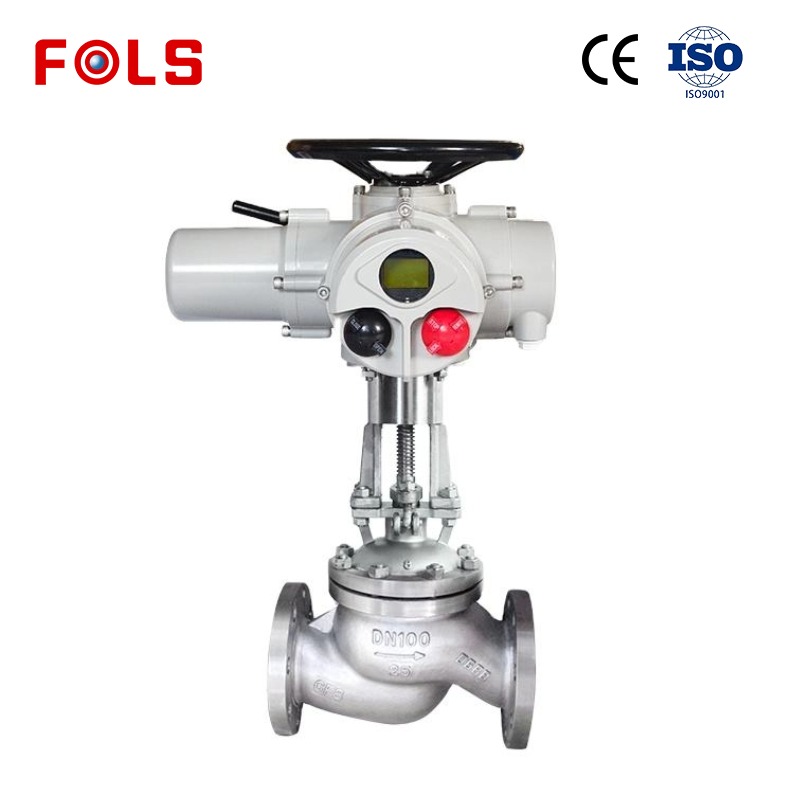
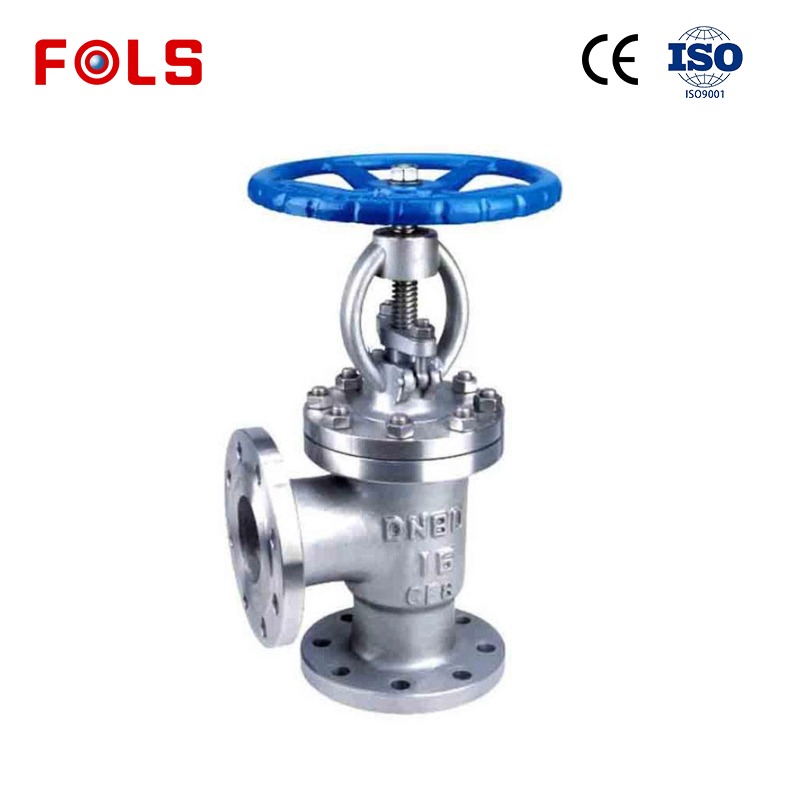
A conventional wedge or parallel-slide Gate Valve uses linear stem movement to lift the closure element clear of the flow path. When it is fully open, the bore can provide a relatively direct passage compared with valve designs that force the medium to change direction. That makes a Gate Valve a practical isolation candidate where low restriction in normal operation matters.
The benefit is not simply “straight pipe equals gate valve.” The useful match is straight-through piping plus isolation duty. Examples can include long utility headers, water distribution mains, process transfer lines, and some oil, gas, or steam isolation points, provided the selected materials, pressure-temperature rating, end connection, and applicable specification suit the actual service.
Good Application Areas for a Gate Valve
1. Main isolation points in long runs
Place a Gate Valve where a section of pipe may need to be isolated without adding unnecessary restriction during routine operation. Typical locations include upstream or downstream of equipment, at branch takeoffs, and at sectional points in long distribution lines. The valve should be accessible for stem travel, packing adjustment, inspection, and safe operation.
2. Lines that remain open for extended periods
A Gate Valve is often more natural in a line that is opened at startup and left open through a campaign, shift, or extended operating period. The duty is different from a control loop that makes frequent position changes. If the valve will be operated only occasionally, the slower multi-turn motion is often less troublesome than it would be in a rapidly cycling application.
3. Full-flow isolation in compatible clean services
For clean or suitably conditioned liquids and gases, a properly specified Gate Valve can support on-off isolation where a clear flow path is useful. Medium compatibility still comes first: verify body, trim, seat, gasket, and packing materials against corrosion, temperature, pressure, and any solids or deposits. “Water” alone is not enough information; temperature, chemistry, solids, and treatment chemicals can change the selection.
4. Specified process or utility piping
Some project specifications call for particular gate-valve construction families for certain line classes. For example, API 600 is associated with heavy-duty bolted-bonnet steel gate valves for refinery and related applications. That reference is not a shortcut to selection. The piping class, design conditions, test requirements, materials, and purchaser specification still determine whether that construction is appropriate.
Where a Gate Valve Should Not Be the Default
The main limitation is throttling. A Gate Valve is intended to be seated or fully lifted, not parked at an intermediate opening to regulate flow. In a partially open position, local velocity and turbulence can act on the gate and seats. Repeated operation in that state may increase vibration, erosion, noise, and difficulty obtaining tight shutoff later.
If the job is to adjust a stable flow rate, start the evaluation with a control-oriented device rather than trying to turn a Gate Valve into an adjustable water flow regulator valve. For water service, the control method must match the required range, accuracy, cavitation risk, pressure drop, and actuator or control signal. A gate valve may still isolate the control assembly, but it should not be assumed to perform the regulating function.
Likewise, frequent remote on-off cycling can make a quarter-turn or actuated alternative more appropriate, depending on line size, pressure, torque, fail position, and maintenance strategy. For a steam isolation point, compare the operating requirements of a Gate Valve with a steam ball valve: a ball valve may offer quick quarter-turn isolation in some designs, while gate-valve selection may suit other pressure, bore, temperature, and specification constraints. Neither label settles the choice without the duty conditions.
A Practical Selection Path
Use this sequence before placing a Gate Valve on a piping drawing:
- Define the duty. Is the valve isolating, regulating, diverting, or protecting the system? A gate valve belongs primarily in isolation service.
- Describe the medium. Record fluid or gas composition, temperature range, pressure range, solids, corrosion potential, deposits, and phase-change concerns.
- Check normal position and cycling. Confirm whether the valve will stay fully open or fully closed most of the time. Identify expected operations per day or per year.
- Match the piping connection. Confirm nominal size, bore expectations, flange or weld-end requirements, face-to-face dimensions, and line-class requirements.
- Confirm shutoff and materials. Specify the required leakage performance, body and trim materials, packing, and any fire-safe, fugitive-emissions, or testing requirements that the project actually calls for.
- Plan access. Account for handwheel or actuator space, stem travel, operator reach, insulation clearance, and removal space for maintenance.
Installation Details That Change the Result
Even a correctly selected Gate Valve can become difficult to use if the layout ignores access. Avoid placing a rising stem where it conflicts with platforms, overhead steel, or pipe racks. Provide enough room to operate the handwheel or actuator and to service packing. For heavy valves, include support that protects the piping from excessive loads. Orientation should follow the manufacturer’s instructions and the project specification, especially where stem orientation, drainage, solids, or thermal effects matter.
Commissioning should also reflect the valve’s intended duty. Verify travel, limit settings for actuated units, leakage checks, and correct tagging before the line enters service. Do not use a partially open Gate Valve as an improvised balancing point during startup; identify a suitable control or balancing method instead.
Quick Decision Table
| Line condition | Gate valve fit | What to verify |
|---|---|---|
| Long straight line needing sectional isolation | Often suitable | Rating, materials, access, and normal full-open operation |
| Continuous flow regulation | Usually unsuitable | Evaluate a control valve or adjustable water flow regulator valve |
| Frequent fast cycling | Needs review | Cycle rate, actuation, torque, fail position, and maintenance burden |
| Steam isolation | Condition-dependent | Pressure-temperature class, trim, drainage, warm-up practice, and whether a steam ball valve better fits the duty |
| Dirty, abrasive, flashing, or depositing medium | Needs detailed review | Seat wear, solids handling, valve construction, and service history |
Conclusion
Apply a Gate Valve in straight-through piping when the real requirement is dependable on-off isolation with a relatively unobstructed full-open flow path. It is a poor substitute for a regulating device and deserves extra scrutiny in high-cycle, abrasive, flashing, or demanding steam duties. The disciplined next step is to document the medium, pressure-temperature range, cycle frequency, shutoff requirement, piping connection, and installation space, then confirm the final valve construction against the applicable project specification.
 Hot News





