
 EN
Where Manual Valve Fits In Automated Process Facilities
Automation changes how a process is controlled, but it does not remove the need for a Manual Valve. In a well-planned facility, automated valves handle frequent commands and measured control, while a Manual Valve gives people a direct, visible way to isolate equipment, establish a bypass, support commissioning, and make maintenance boundaries clear. The useful question is not whether manual or automated operation is better. It is which task each device must perform under the real process conditions.
From an industrial valve application-engineering perspective, the discussion should begin with the medium, pressure, temperature, operating frequency, and control objective. Once those conditions are known, the role of a Manual Valve becomes much easier to define. A valve that is suitable for occasional isolation may not be suitable for throttling, and an actuator that is suitable for routine remote operation does not replace a physical isolation point for every maintenance activity.
Automation and manual operation solve different problems
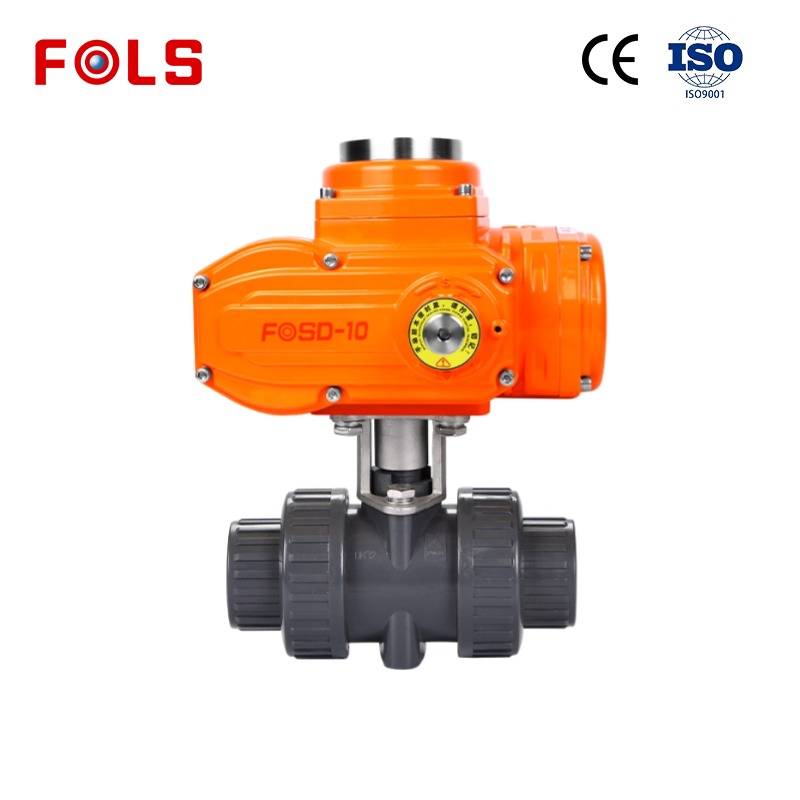
An automated valve is normally chosen when the control system needs repeatable remote action: opening on a sequence, closing on an interlock, or modulating flow from an instrument signal. A Manual Valve, by contrast, is commonly assigned a deliberate local function. It may sit upstream or downstream of an automated device, on a drain or vent connection, or on a bypass arrangement that operators use under an approved procedure.
This distinction matters because the process system has more than one operating state. Normal production is only one state. Startup, shutdown, commissioning, cleaning, inspection, actuator servicing, instrument calibration, and emergency response can each require a different valve position or a different person-to-process interaction. More accurately, automation manages routine decisions within its configured limits; manual hardware creates controllable boundaries when the routine sequence is paused or deliberately changed.
Five places a Manual Valve still belongs
1. Isolation around automated equipment
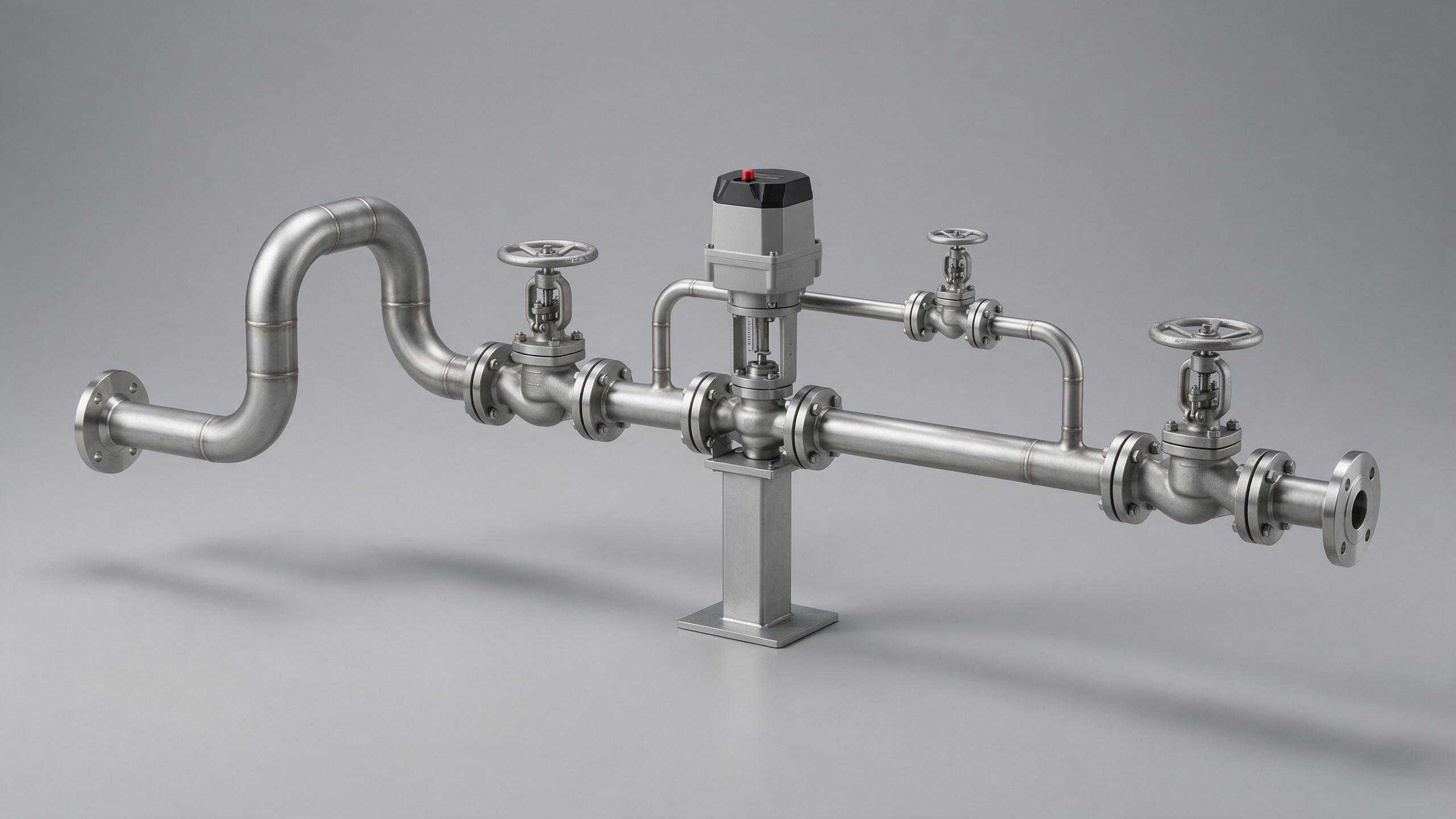
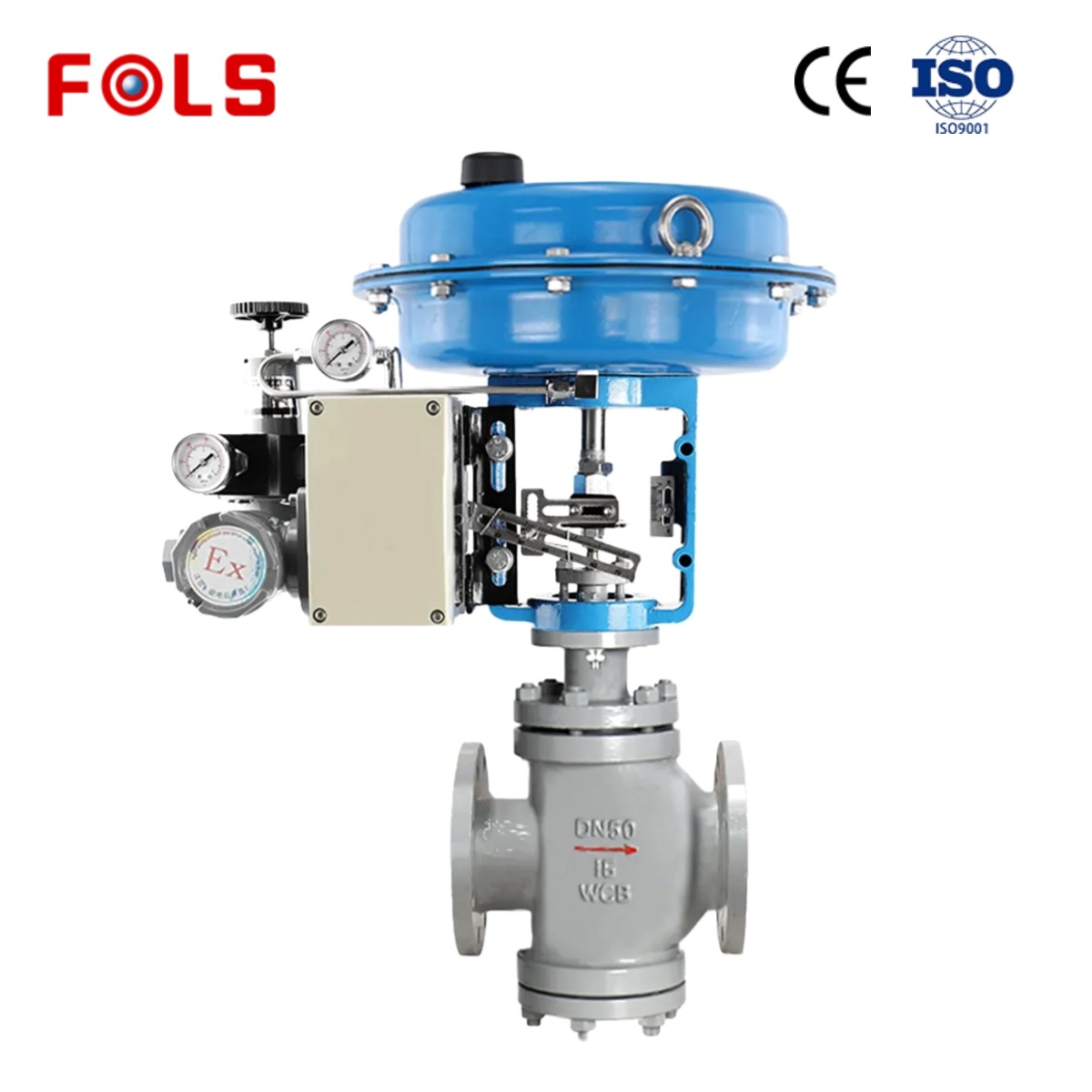
A Manual Valve can provide local isolation before an automated control valve, actuated butterfly valve, pump, filter, or instrument is inspected. Pairing upstream and downstream isolation points may allow a defined section to be removed from service, subject to the site’s isolation procedure and the actual pressure conditions. The valve type, seat material, end connection, and pressure-temperature rating must be checked for the service; the presence of automation does not change those basic selection requirements.
2. A controlled bypass during maintenance or startup
Some processes use a manual bypass around a control device when operations need limited flow while the primary device is out of service. A bypass can also support pressure equalization before opening a larger isolation valve, where the piping design and operating procedure call for it. This is not a universal layout. Bypass sizing, flow consequences, pressure drop, lockout requirements, and operator authority need engineering review. A manually opened bypass must not become an unexamined substitute for a required automated control function.
3. Drains, vents, sampling, and line preparation
Small manual devices are often practical at low points, high points, sampling connections, and equipment boundaries. They give technicians a local action for draining, venting, purging, or confirming that a section is depressurized. Here, a Manual Valve has a straightforward job, but the details still matter: media compatibility, exposure risk, discharge routing, and the ability to identify the valve position all affect whether the arrangement is usable in the field.
4. Manual override and recovery planning
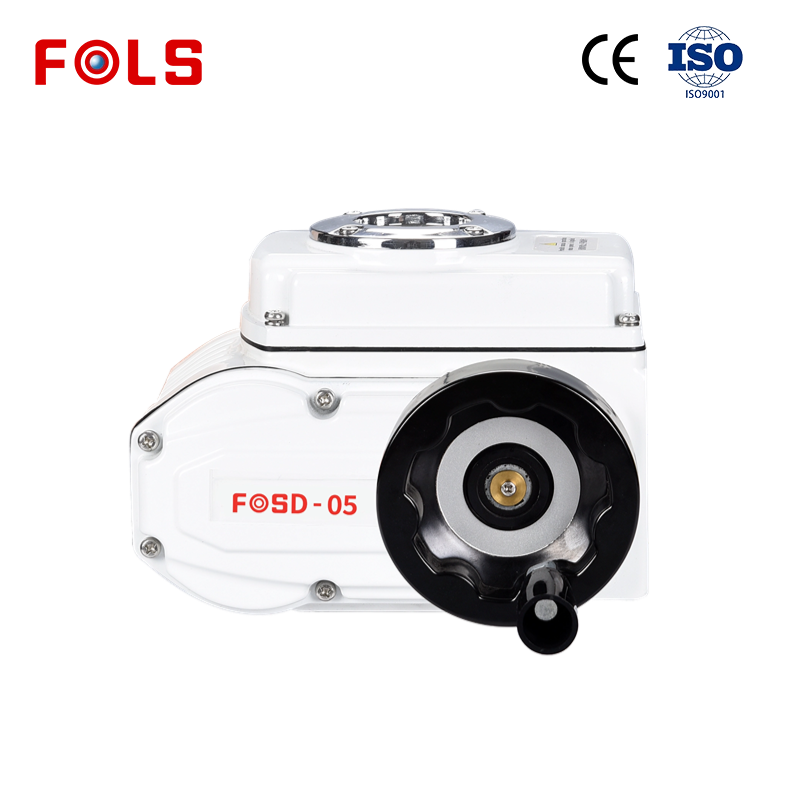
Not every actuator includes the same manual override arrangement, and an override is not identical to a line isolation valve. A handwheel, declutch mechanism, or other local operating feature may help reposition an actuated valve when permitted by the design. However, the team should define who may operate it, what signal or interlock conditions apply, and how the control system will recognize the changed state. Saying that a valve is automated does not answer those questions.
5. Low-frequency local duties
For an infrequent local task, an actuator may add complexity without adding useful control capability. A Manual Valve may be appropriate where an operator deliberately opens or closes a line during a scheduled activity and there is no requirement for remote command, rapid response, or continuous modulation. The decision depends on the process hazard review and operating philosophy, not on the assumption that a manually operated valve is a lower-grade version of an automated valve.
How valve size and material change the decision
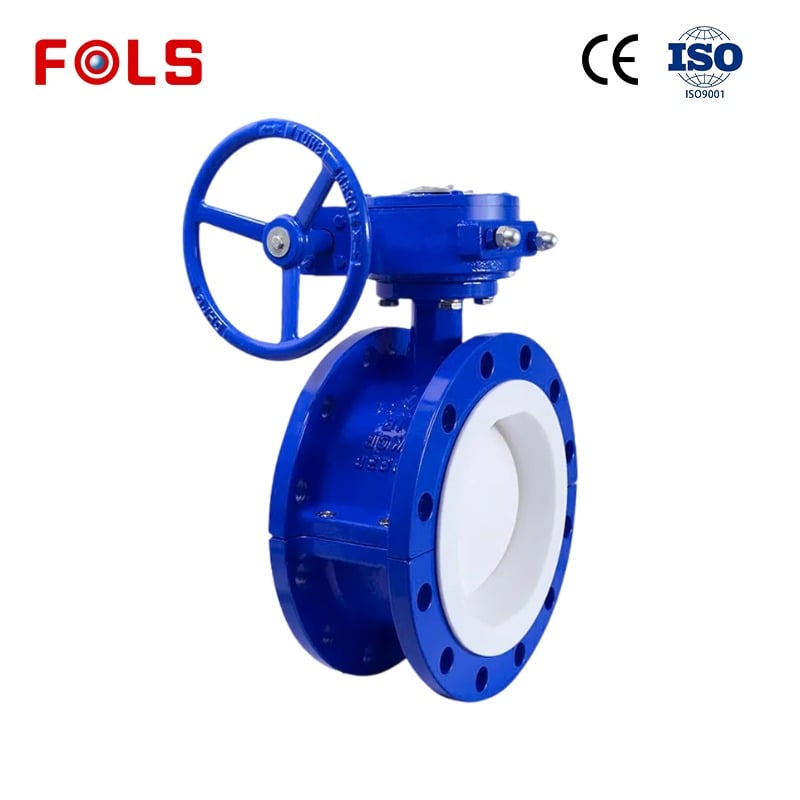
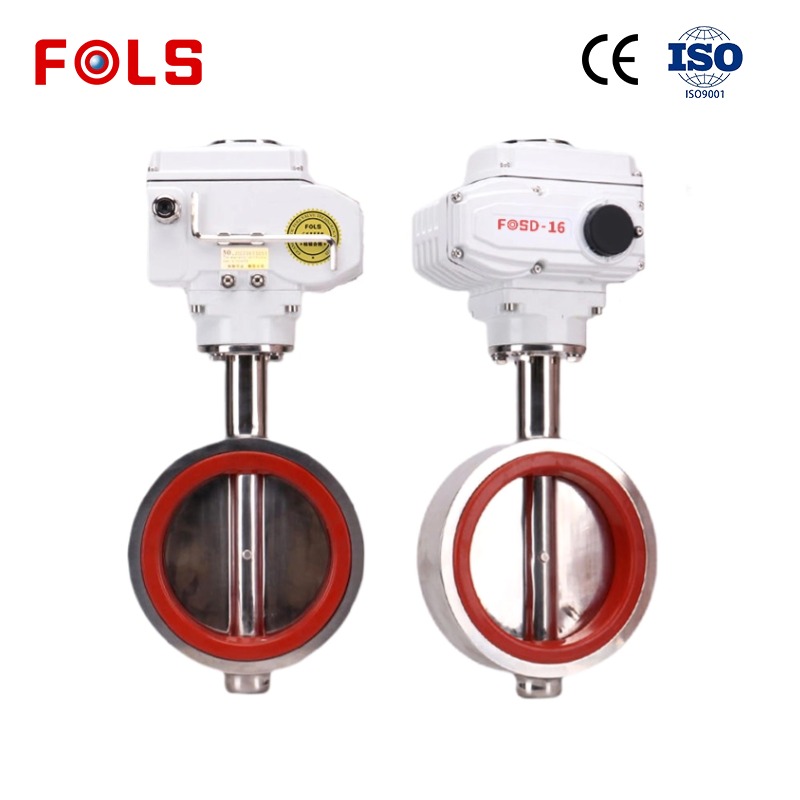
Valve selection is a system decision, not a nameplate exercise. For butterfly valve sizes, the nominal diameter is only one starting point. The selected size must work with the pipe bore, required flow range, velocity, pressure drop, flange arrangement, and available actuator torque if the butterfly valve will be automated. A large valve that is easy to isolate manually may still require an actuator for routine cycling, while a smaller valve may remain manual if its duty is occasional and locally supervised.
Material creates another boundary. A 4 inch check valve pvc can be relevant in compatible, lower-temperature, non-metallic piping services, but it is not a generic stand-in for every automated-process line. Confirm the chemical compatibility, temperature, pressure capability, connection style, installation orientation, and surge conditions against the manufacturer’s documentation and the project specification. A check valve also has a one-way-flow function; it does not perform the intentional shutoff role of a Manual Valve.
Where applicable, the project team may need to verify valve design, materials, end connections, and pressure-temperature requirements against the governing code or standard. For example, ASME B16.34 is commonly considered for certain flanged, threaded, and welding-end valves in new construction. It should be treated as a verification path, not as a claim that an unspecified valve meets a requirement.
A practical allocation checklist
Before placing a Manual Valve on a P&ID, discuss these points across process, operations, maintenance, and controls:
- What is the normal duty: isolation, on/off sequencing, throttling, venting, draining, or preventing reverse flow?
- How often will the valve move, and must it move remotely or within a defined response time?
- What medium, pressure, temperature, solids content, and corrosion conditions apply?
- Will personnel need a positive local isolation boundary for maintenance?
- Is a bypass needed for a defined startup, equalization, or temporary operating condition, and how will that condition be controlled?
- What position feedback, lockout, tagging, access, and operating procedure are required?
- Do the body material, seal, connection, and nominal size match the piping and process limits?
Do not begin by asking which valve type is better. First write down the medium, pressure, temperature, and control requirement. A single pressure value has meaning, but its value depends on how it matches the piping, valve body, sealing arrangement, and method of operation. That is where a sound automated-process design separates continuous control from safe, understandable local action.
Conclusion: manual valves are part of the automation architecture
A Manual Valve remains useful in an automated process facility because automation and manual operation have distinct jobs. Automated equipment provides remote, repeatable action for the normal process. Manual devices establish isolation, support defined bypass and commissioning activities, and give maintenance teams local control points when the system is placed in a non-routine state. When each valve is assigned a clear function and verified against the actual service, the result is a process layout that is easier to operate, maintain, and review.
 Hot News





