
 EN
What Makes Control Valve Essential For Smart Factories?
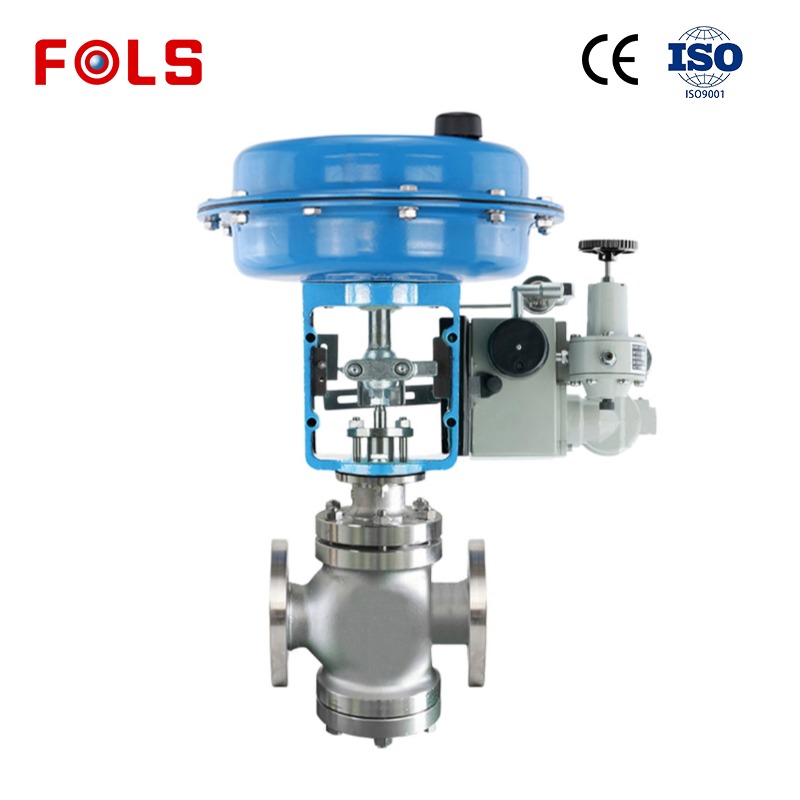
A smart factory can collect thousands of readings, but the process still needs a physical way to respond. A control valve turns a controller's instruction into a change in fluid flow. In a cooling loop, for example, the right adjustment can help the system follow a temperature setpoint as production conditions change. The useful question is not whether a valve has a digital label. It is whether the complete control valve assembly can move accurately, communicate its condition, and behave safely when something goes wrong.
For automation and plant teams, the control valve is the link between software decisions and real piping. Choosing it requires the valve body, actuator, instrumentation and maintenance plan to work together. That makes the control valve a practical part of the factory architecture rather than an isolated component.
From a Sensor Reading to a Physical Response
A typical loop starts with a sensor measuring a process variable such as flow, pressure, temperature or level. A controller compares that measurement with a target and sends a command to an actuator. The actuator moves the control valve, changing the flow passage. The sensor then reports the result so the controller can adjust again. This feedback loop matters when demand changes during a shift or a batch.
A control valve used for throttling can be positioned between open and closed; an on/off valve serves a different duty. The distinction affects the valve trim, actuator and control strategy. The size of the pipe alone does not establish the right control valve size: the design team also needs the expected flow range, pressure drop and fluid properties.
The movement must be observable as well as commanded. A positioner compares the requested position with measured travel and adjusts the actuator as needed. Some electro-pneumatic positioners accept a 4–20 mA signal and regulate air to a pneumatic actuator. Confirm the actual signal connection on the specified device; not every control valve includes the same positioner or feedback features.
Why Smart Factory Data Needs a Responsive Valve
Digital records can show a rising deviation long before an operator sees an obvious production problem. A dashboard cannot compensate for a sticking control valve or an actuator that lacks sufficient force. If the valve responds slowly or moves in jumps, the controller may keep correcting while the process oscillates. Comparing the command, actual travel and process measurement helps the team separate a mechanical issue from a sensor or tuning issue.
Where the installed equipment supports it, trend data can reveal repeated cycling, unusually slow travel or a growing gap between command and position. These are prompts for inspection, not proof that a particular component has failed. Set alarm limits with the equipment supplier and site engineers, and verify the readings before changing maintenance intervals.
Read those signals in context. A control valve that moves frequently during normal batch transitions may not have the same maintenance needs as one that cycles unexpectedly at steady load. Log operating mode and process changes alongside valve signals, then compare like conditions rather than treating every movement as a fault.
Choose the Valve and Actuator as a System
Start with the medium, its temperature and pressure, expected flow and the desired control action. Then discuss body materials, seals, connection details and available pressure drop with the supplier. A control valve handling clean cooling water may need a different configuration from a valve exposed to corrosive fluid or suspended solids. Material compatibility and the operating envelope must be checked against the actual fluid and supplier documentation.
Electric or pneumatic actuation?
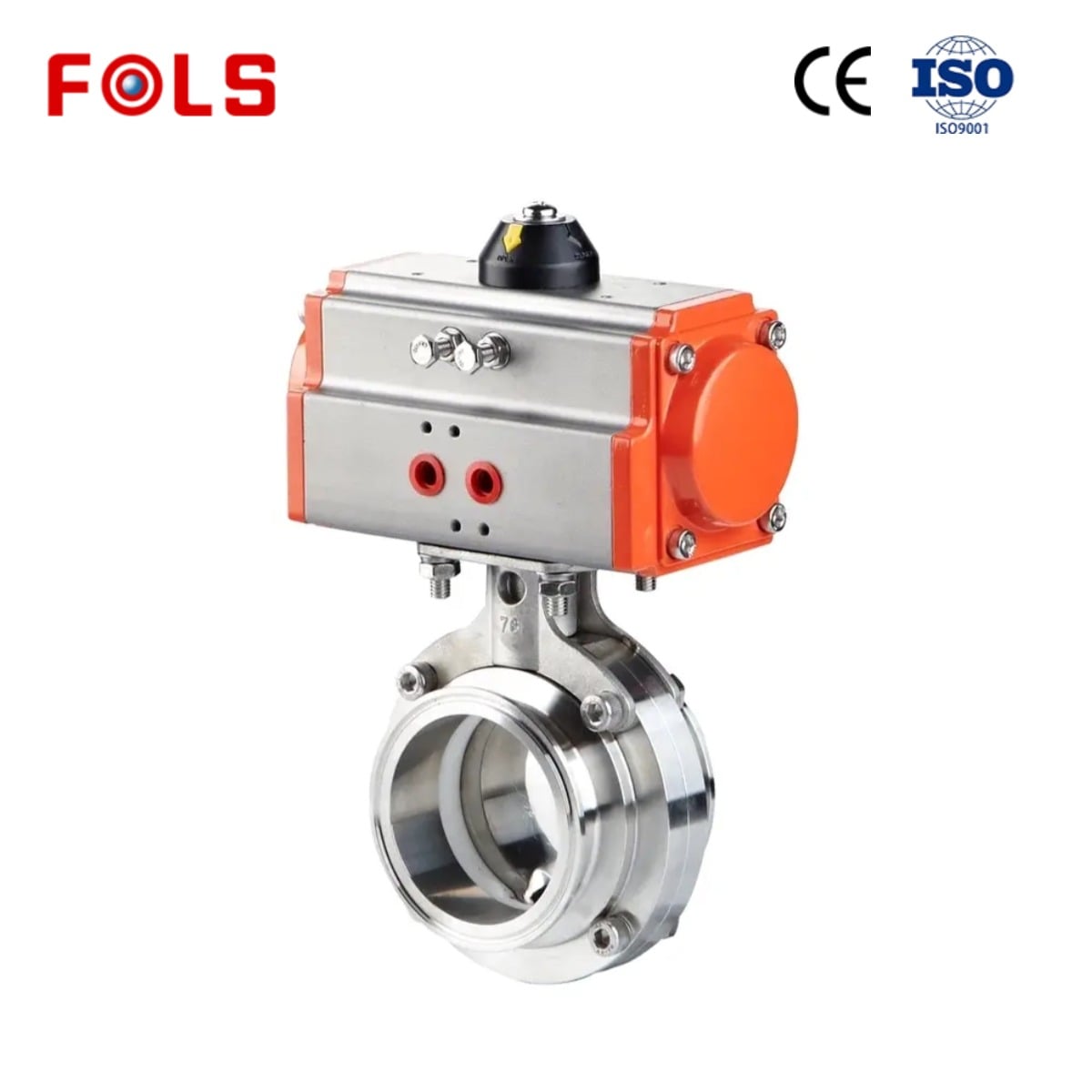
A pneumatic actuator depends on a suitable air supply and associated accessories. An electric actuator needs compatible electrical power, controls and a motor duty suited to the required operation. Either can be useful, but available utilities, response needs, environmental conditions and the required failure position should guide the choice. A control valve assembly is only as usable as the connections and utilities around it.
A ball screw actuator with motor converts motor rotation into linear motion; whether it can operate a specific process valve depends on stroke, thrust, duty cycle, mounting and feedback compatibility. Do not assume that a ball screw actuator with motor is interchangeable with a packaged valve actuator. Ask for the complete control valve assembly to be reviewed against the application.
Separate process flow from hydraulic power
In some machines a cross hydraulic valve may direct hydraulic fluid to a cylinder or another actuator. That duty is distinct from regulating the process fluid in a pipeline. A cross hydraulic valve should not be selected as a substitute for a process control valve simply because both contain the word valve. Confirm the circuit, pressure conditions, port arrangement and failure behavior for each device with its supplier.
Plan for Failure, Access and Maintenance
Decide what the process should do if power, instrument air or the control signal is lost. Depending on the hazard review and the actuator configuration, a control valve may be designed to open, close or remain in a defined position. A safe state is a system decision: a closed valve is not automatically safe for every service. Include the effects on upstream pressure, downstream equipment and personnel in the review.
Installation access matters before the first startup. Leave room to inspect the control valve, remove an actuator and work on nearby connections. Plan isolation and depressurization procedures with the site team. Record the expected travel range and commissioning settings so future technicians have a reference when troubleshooting.
Networked devices add another question: who can change their settings? Restrict configuration access, manage updates through site procedures, and coordinate security changes with operations. Operational technology guidance such as NIST SP 800-82 Rev. 3 emphasizes security alongside safety and reliability; it does not certify an individual control valve or installation.
A Practical Example: A Cooling Water Loop
Consider a hypothetical factory cooling loop whose load changes as machines start and stop. A temperature sensor sends readings to a controller, which adjusts a control valve on the water line. The engineering team first confirms the flow range and pressure available across the valve, then checks that the actuator can achieve the required travel. They also verify how the valve reports position and what happens when the control signal is lost.
If the temperature remains outside its target, operators can compare sensor readings, valve command and actual travel. A mismatch may lead them to inspect the actuator or its supply; matching travel with poor temperature control may point them toward flow conditions or controller settings. This is an illustrative troubleshooting path, not a claim about a specific installation.
What to Include in a Supplier Request
- Process conditions: fluid composition, operating and design pressures and temperatures, flow range and available pressure drop.
- Control duty: throttling or on/off operation, desired response, operating frequency and required shutoff conditions.
- Assembly interfaces: pipe connection, available power or air, control signal, position feedback and mounting restrictions.
- Risk and service: required loss-of-energy position, access space, maintenance expectations and site safety requirements.
- Documentation: request sizing calculations, material details, actuator data and any applicable test or certification documents for the proposed configuration.
A well-integrated control valve gives plant teams a way to act on the information their sensors provide. The next step is to align the process conditions with the assembly and its controls, then verify the design with the supplier and site engineers. For an initial discussion of industrial valve and automation requirements, visit FOLS Valve.
 Hot News





