
 EN
What Is The Primary Function Of Gate Valve In Pipes?
The primary function of a Gate Valve in a piping system is isolation: it is used to start or stop the passage of a fluid by moving a gate or wedge out of, or into, the flow path. In normal service, the useful positions are fully open and fully closed. That sounds simple, but it is an important distinction when a pipe run must be taken out of service, a branch line must be separated, or an upstream component must be maintained.
From an industrial valve application engineer’s viewpoint, the function comes before the product label. A Gate Valve may suit a line only after the medium, pressure, temperature, pipe size, shutoff duty, and operating method have been defined. It is not enough to say that a line carries water or that a project needs a valve; the intended job in the system matters.
The short answer: a Gate Valve provides on/off isolation
When the handwheel, gearbox, or actuator drives the stem, the closure member travels perpendicular to the flow. As the gate rises, it opens the passage. As it lowers onto its seats, it closes the passage. This linear travel is the basic gate valve working principle.
In the fully open position, a suitably selected Gate Valve can present a relatively unobstructed flow path compared with valve designs that leave a disc or plug in the bore. In the fully closed position, its role is to isolate a section of pipe. The practical value is control of access: operators can isolate equipment, divide pipe sections, or support planned maintenance while the wider system is managed according to its operating procedure.
For water distribution, wastewater, process, and utility lines, this on/off role is often more useful than trying to make one valve perform every control task. A valve choice should follow the system duty rather than a generic preference for one valve style.
How the gate valve working principle supports isolation
A conventional Gate Valve has a body, seats, bonnet, stem, and gate or wedge. Turning the operating mechanism converts rotation into stem travel. Depending on the design, a rising stem gives a visible indication of travel, while a non-rising stem can help where overhead space is limited. Neither arrangement alone proves suitability; it simply changes how movement and installation space are handled.
The key point is that the closure member clears the main stream when opened and returns to the seat area when closed. That motion supports two common objectives:
- Line isolation: separating a pipe segment, pump, filter, tank connection, or downstream equipment for a defined operating task.
- Flow restoration: reopening the line after the required checks are complete, without using the valve as a routine modulating device.
Do not start by asking whether a Gate Valve is universally better than another valve. First write down the fluid condition, required shutoff direction, expected operating frequency, available maintenance space, and control method. Those conditions decide whether the gate valve working principle matches the job.
Why a Gate Valve is usually not an adjustable flow control valve
A Gate Valve is commonly associated with isolation, not fine regulation. When it is held partly open, flow can pass at high velocity around the partly exposed gate and seat area. The relationship between stem position and flow is not normally convenient for repeatable control. Vibration, seat wear, noise, and unstable behavior may also become concerns, depending on the medium and pressure conditions.
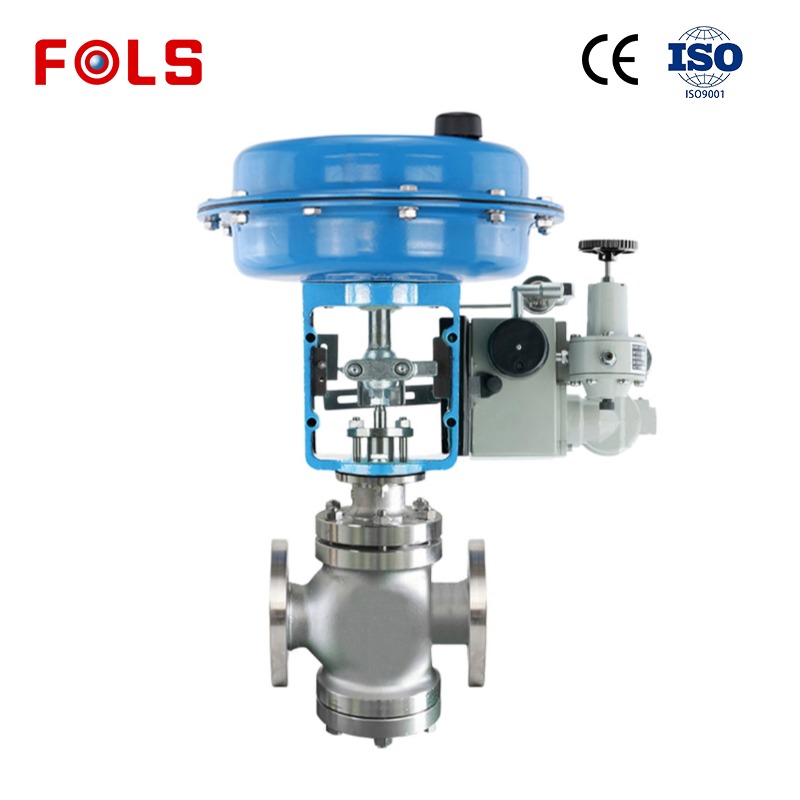
That is why an adjustable water flow control valve should be evaluated as a separate duty. If the requirement is to set, maintain, or automate a target flow rate, the selection conversation should include the needed control characteristic, pressure differential, flow range, signal connection, and fail position. A Gate Valve may still be installed nearby to isolate the control valve for service, but the two functions should not be confused.
More accurately, the issue is not that every partially open Gate Valve immediately causes a problem. It is that partial opening is not its intended everyday operating role. The piping designer should confirm a purpose-designed regulating valve when modulation is required.
Where gate valves fit in piping systems
Gate valves appear in many services because isolation is a recurring requirement. They may be considered for water supply lines, wastewater systems, industrial utility piping, oil and chemical process lines, and fire-protection arrangements where the applicable project requirements call for them. The medium still changes the decision: suspended solids, corrosive fluids, high temperature, pressure changes, and frequent cycling all affect the appropriate construction and valve type.
For example, a large water line may prioritize a clear bore and infrequent isolation. A process line may require a specific body material, packing arrangement, pressure class, connection type, and test documentation. A maintenance-heavy installation may prioritize access to the stem, packing, and bolting. The Gate Valve label is only the start of that review.
Service-specific standards can also matter. API 600, for instance, addresses a heavy-duty series of bolted-bonnet steel gate valves for petroleum refinery and related applications. It should be treated as a scope example, not as a substitute for checking the project specification, applicable edition, material requirements, and the actual service conditions.
Questions to ask before specifying a Gate Valve
Before requesting a quotation or selecting a configuration, collect the information that determines whether a Gate Valve is appropriate. Doing this early reduces repeated clarification between engineering, procurement, and the operating team.
- What is the medium? Identify water quality, solids, chemicals, gas, steam, or other process fluid, plus any corrosion or erosion concern.
- What are the pressure and temperature conditions? Include normal, startup, upset, and shutoff differential conditions where relevant.
- What is the isolation objective? Confirm whether the valve is for routine isolation, emergency isolation, maintenance isolation, or a combination of duties.
- How often will it operate? Infrequent line isolation and frequent cycling can lead to different choices for operator, materials, and maintenance planning.
- How will it be operated? Manual, geared, pneumatic, electric, and other actuation approaches need adequate space, energy supply, control connection, and fail-state review.
- What connections and standards apply? Bore size, end connection, face-to-face requirements, pressure class, testing, and documentation should be stated rather than assumed.
Common selection mistakes
Treating isolation and regulation as the same duty
The most common mistake is to select a Gate Valve when the actual requirement is frequent throttling or automatic flow regulation. A clear duty statement helps separate the need for shutoff from the need for an adjustable water flow control valve.
Choosing from nominal size alone
Nominal pipe size does not settle material, seat, pressure, temperature, connection, or operating requirements. A single pressure figure also has limited meaning unless it is considered with the medium, temperature, and system arrangement.
Ignoring installation and maintenance access
Stem travel, handwheel clearance, actuator envelope, accessibility, and safe isolation procedures should be reviewed before installation. In a tight plant area, these practical details can shape the configuration as much as the valve body itself.
A practical decision path
Use this sequence when reviewing a pipe application. First, confirm that the line needs positive on/off isolation. Second, decide whether a Gate Valve’s linear travel and full-open/full-closed role align with the medium and operating frequency. Third, identify whether separate control equipment is needed for flow regulation. Finally, verify material, sealing, ends, rating, operator, and documentation against the project specification.
For industrial buyers, this approach keeps the discussion anchored to verifiable conditions. FOLS Valve works across industrial valve and automation discussions, so a useful technical inquiry normally includes the pipe medium, size, operating pressure and temperature, desired control method, and the isolation or regulation function. With those details, a supplier can discuss configuration options without assuming facts about the site.
Conclusion
The primary function of a Gate Valve in pipes is to isolate flow by opening or closing the line, not to serve as a general-purpose regulator. Its gate valve working principle makes it useful where a system needs a clear open passage and a defined shutoff function. When a process instead needs repeatable adjustment, evaluate an adjustable water flow control valve for that separate duty. The sound selection process is to confirm the service conditions first, then match the valve construction and operating method to the actual piping task.
 Hot News





