
 EN
What Is Flanged Ball Valve And Its Secure Connection?
A flanged ball valve combines a quarter-turn shutoff mechanism with bolted connections to the surrounding pipework. Its ball controls flow inside the body; flanges, gaskets and fasteners connect that body to the line. For an application engineer, those are two related but different questions: will the valve isolate the fluid as specified, and can each external joint remain tight under the actual service conditions?
The answer depends on more than the number of bolts. A flanged ball valve needs mating flange dimensions, an appropriate gasket, sufficient and even bolt loading, and a piping layout that does not pull the joint out of alignment. This article explains those elements and the information to gather before requesting a valve.
What Is a Flanged Ball Valve?
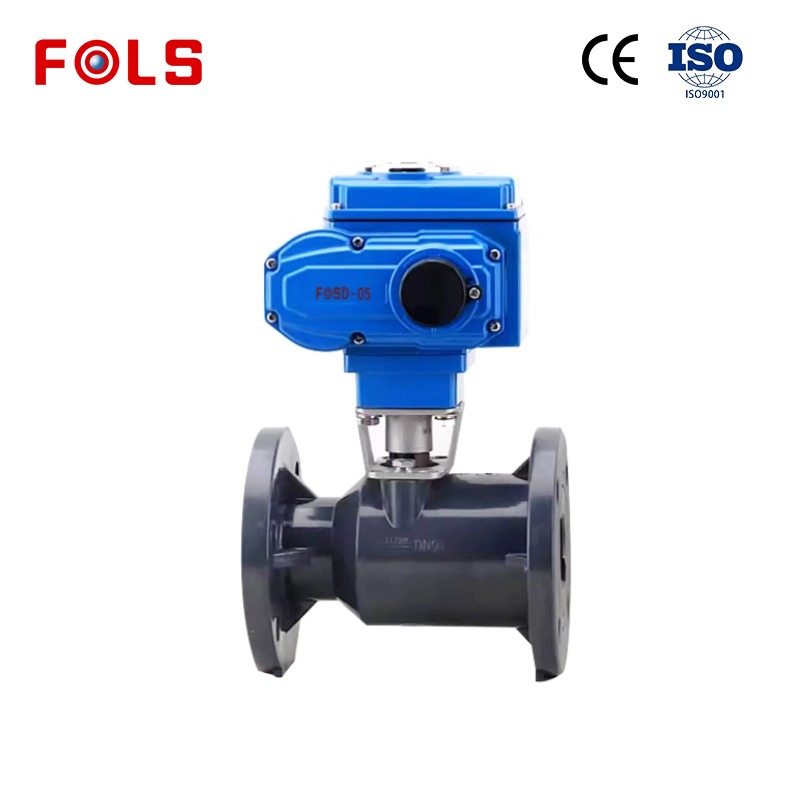
A flanged ball valve uses a ball with a passage through it. Turning the stem rotates the ball: the passage aligns with the line in the open position and turns across it in the closed position. Seats around the ball help provide internal shutoff. A manual lever, gearbox or suitable actuator can operate the stem, depending on the valve configuration.
The term “flanged” describes the end connection, not a promise about the seat, bore or body material. A flanged ball valve may have a full or reduced bore, for example. A full bore has a passage sized closer to the nominal pipe bore, while a reduced bore narrows the flow path. Confirm the actual dimensions and pressure loss for the selected design rather than assuming either arrangement from its name.
A flanged ball valve is often considered where a joint may need to be disconnected for inspection or replacement. That does not make removal effortless: the line must first be isolated, depressurized and made safe, and sufficient clearance must be available to handle the valve and fasteners.
How Does the Flanged Connection Seal?
At each end of a flanged ball valve, the valve flange mates with a compatible pipe flange. A gasket sits between their sealing faces. Bolts and nuts draw the faces together, compressing the gasket so it can fill small surface irregularities. The joint relies on the interaction of all of these components, not on the gasket alone.
Bolting must maintain an appropriate clamp load as pressure, temperature and other loads change. Too little load can leave an inadequate seal; excessive load can damage a gasket, bolt or flange. There is no universal tightening torque for every flanged ball valve. The required method and target depend on the joint design, fastener condition, lubrication, gasket and applicable procedure.
Flange alignment matters just as much. Forcing misaligned piping together with bolts can introduce unwanted loads and uneven gasket compression. Supports, expansion and the weight of an actuator can also affect a flanged ball valve connection. Have the system designer assess those loads instead of expecting the valve body to correct the pipe layout.
Which Connection Details Must Match?
Size, standard and pressure-temperature rating
Start by identifying the nominal pipe size, flange standard, pressure class and facing on both sides. Similar-looking bolt patterns are not a substitute for a verified match. ASME B16.5, for example, addresses flange dimensions, materials and pressure-temperature ratings. A class designation is not a single pressure limit for every material and temperature.
When specifying a flanged ball valve, compare the whole assembly with the maximum and minimum design conditions. The permissible rating of the selected valve, seat, gasket and connecting components may differ. Use the applicable documents and the manufacturer’s data for the exact configuration, including any limits imposed by the fluid or temperature.
Facing, gasket and fasteners
A flanged ball valve may be supplied with different flange facings. The selected gasket must suit the facing geometry, surface condition, medium, temperature and joint loading. A stainless body alone does not establish chemical compatibility: the ball, seats, stem seals, gasket and fasteners may use different materials.
Check fastener specification, length and thread condition against the approved joint package. The flange faces should be inspected for damage and contamination before assembly. If the faces or gasket are unsuitable, tightening harder is not a sound substitute for correction.
What Does Secure Installation Involve?
Installation of a flanged ball valve is work for trained personnel following the site’s approved procedure and the relevant manufacturer instructions. ASME PCC-1 offers guidance on pressure-boundary bolted flange joint assembly. It should be applied where specified for the installation, alongside local requirements and the joint design.
- Make the line safe. Isolate and depressurize the system, address any trapped material and follow the facility’s lockout and permit process before opening the joint.
- Verify the parts. Confirm the flanged ball valve orientation, flange faces, gasket and fasteners against the approved specification. Some valves have a specified flow direction or mounting requirement.
- Align and support. Bring the pipework into alignment without using the bolts to pull it into place. Confirm that the valve and any actuator have adequate support and operating clearance.
- Assemble the joint. Center the gasket and tighten using the specified method, sequence, passes and target values. Use the specified lubricant and calibrated equipment where the procedure calls for them.
- Inspect and test. Check the completed joint and carry out the approved pressure or leak test before returning the line to service. Follow the site procedure if leakage is found; do not improvise repairs on a pressurized joint.
A flanged ball valve can have two sound end joints and still need attention at the stem seal or the internal seats. Conversely, tight internal shutoff does not prove that the external flange joints are leak-free. Specify inspection and testing for the relevant boundaries separately.
Where Does a Flanged Ball Valve Fit?
A flanged ball valve can be considered for isolation in water, wastewater, chemical or other industrial lines when its materials and ratings match the service. For instance, a hypothetical water-treatment replacement may require a valve that fits an existing face-to-face dimension and leaves enough room for a lever. A chemical line may add compatibility questions for the seats and gasket. Neither example establishes that a particular product is suitable without a review of its specification.
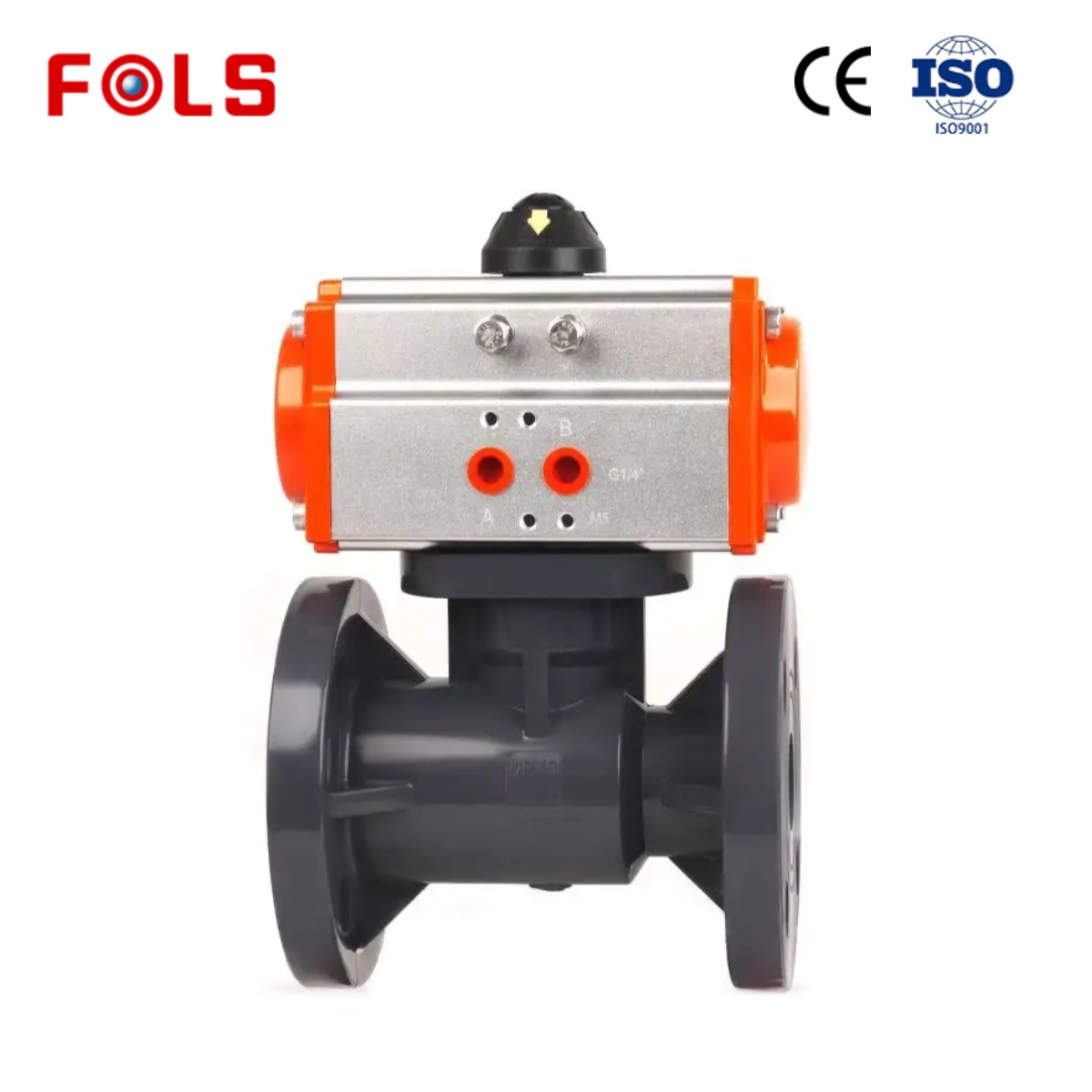
For a flanged ball valve used in frequent cycling or automated isolation, also identify required actuator power, control signals, operating speed and fail position. Check the valve’s approved operating method: a valve intended for isolation should not automatically be treated as a throttling device. Part-open service may require a different valve or a design reviewed for that duty.
How Does It Compare With a Butterfly Valve?
A flanged ball valve and a butterfly valve both use quarter-turn motion, but their flow elements differ. A ball has a passage through it; a butterfly valve rotates a disc in the flow path. Depending on size and design, the choice can involve different installation space, flow characteristics, actuation requirements and maintenance arrangements.
Buyers comparing high performance butterfly valves manufacturers should ask for the same service conditions, connection details and shutoff requirements used for the ball-valve inquiry. Similarly, a search for butterfly stainless steel products should lead to a review of the actual material grades and wetted components, not an assumption that all stainless designs use the same seals. Neither valve type is the right choice for every line.
What Should You Include in an Inquiry?
Before ordering a flanged ball valve, assemble the details that connect the valve to the rest of the system:
- Fluid composition, concentration where relevant, and any solids or corrosive conditions.
- Design and operating pressure and temperature, including foreseeable variations.
- Nominal size, required bore, flange standard, class, facing and face-to-face dimensions.
- Required body, ball, seat, stem-seal and gasket materials, or the information needed to select them.
- Isolation or control duty, cycling frequency, manual or automated operation, and any test requirements.
- Pipe support, actuator clearance, applicable documentation and site assembly procedures.
The practical choice of a flanged ball valve comes down to the complete joint and the service around it. Supply these details to the valve provider and the piping engineer before final selection; they can check the specific valve and connection rather than relying on a generic description.
 Hot News





