
 EN
Ball Valve Industry Growth And Modern Applications
A plant may need a valve that isolates a water line today and connects to a control system tomorrow. That combination of basic shutoff and adaptable operation helps explain why the ball valve remains relevant across industrial projects. For an engineer or buyer, though, market growth is only part of the story: the useful question is which configuration fits the fluid, operating cycle and maintenance plan.
What is shaping ball valve industry growth?
Investment in process facilities, water networks and automation creates opportunities for suppliers of isolation equipment. Replacement work matters too: an existing pipeline may need a new ball valve because its service conditions, operating procedures or control requirements have changed. Demand is not uniform across regions or industries, and a forecast should not be mistaken for a purchase commitment.
In a 2026 market analysis, research provider Mordor Intelligence estimates the global ball valve market at USD 13.57 billion for 2026 and projects USD 16.23 billion by 2031, equivalent to a 3.64% annual compound growth rate over that period. These are the research firm's estimates, not measured future sales. Its outlook identifies water utility digitalization, energy infrastructure and automation as demand factors; individual projects will still depend on local budgets and specifications.
Buying decisions are changing alongside the market. A manual ball valve can suit an accessible branch line with occasional operation. At another site, a remotely operated valve may be worth considering because access is restricted or the control sequence calls for a defined response. That decision extends beyond the valve body: power or air supply, control signals, feedback and maintenance access also matter.
How a ball valve works in a piping system
A ball valve uses a rotating ball with a passage through it. A quarter turn moves the passage between an aligned position and an isolation position. The body, seats, stem and connections must be selected together; the appearance of a simple handle does not tell a buyer what pressure, temperature or fluid a particular assembly can handle.
Many ball valve configurations are intended primarily for on-off service. Leaving a general-purpose valve partly open for continuous throttling may expose seats and internal surfaces to wear or unsuitable flow conditions. Where precise modulation is required, ask the supplier whether a specifically designed control arrangement is appropriate or whether another valve type should be evaluated.
Design choices also affect installation. Full-bore and reduced-bore constructions have different passage geometries; compare the actual flow requirement and allowable pressure loss rather than assuming that the connection size alone describes the bore. A floating or trunnion-mounted ball valve may be considered depending on size, pressure and application, subject to the manufacturer's design limits.
Modern applications and their different priorities
Water and wastewater
In water handling, a ball valve can isolate equipment or a section of pipe for planned work. Clean water, chemically dosed water and wastewater are not interchangeable specifications. Solids, cleaning procedures and the possibility of deposits can influence body and seat selection. For a remote installation, check whether the actuator enclosure and electrical interfaces suit the site environment.
Consider a hypothetical treatment line with a 50mm ball valve on a dosing branch. Before comparing offers, the team would confirm the actual connection standard, dosing fluid concentration and temperature, expected operating frequency and access for removal. The nominal size is a starting point, not proof of chemical compatibility or a guarantee of flow capacity.
Chemical and process facilities
In process piping, a ball valve may be used to isolate a transfer line or equipment connection. Fluid compatibility extends beyond the body: seat, stem seal and any wetted components need review against the fluid and its temperature. Pressure during startup, shutdown and abnormal operation should also be included in the specification. Where emissions or fire exposure are project concerns, request the applicable test documents and verify their scope for the proposed assembly.
Energy and industrial utilities
Energy facilities use many forms of flow isolation, from utility circuits to more demanding hydrocarbon service. A ball valve for one duty should not be transferred to another merely because both share a nominal diameter. Service conditions, project codes, end connections and testing requirements can differ substantially. A procurement team should identify the applicable specification before requesting a quote.
Automation changes the questions buyers ask
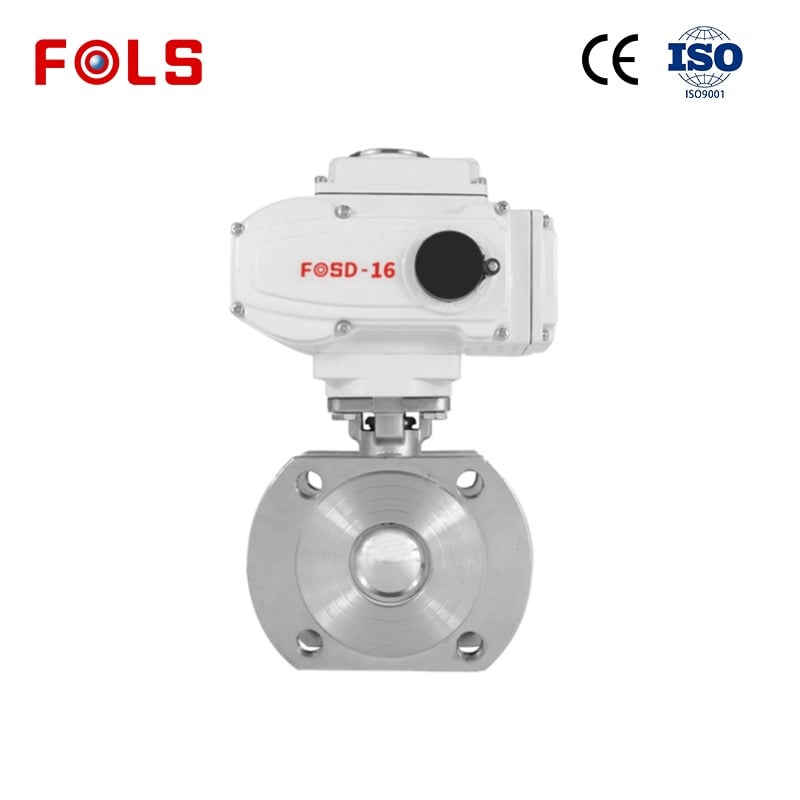
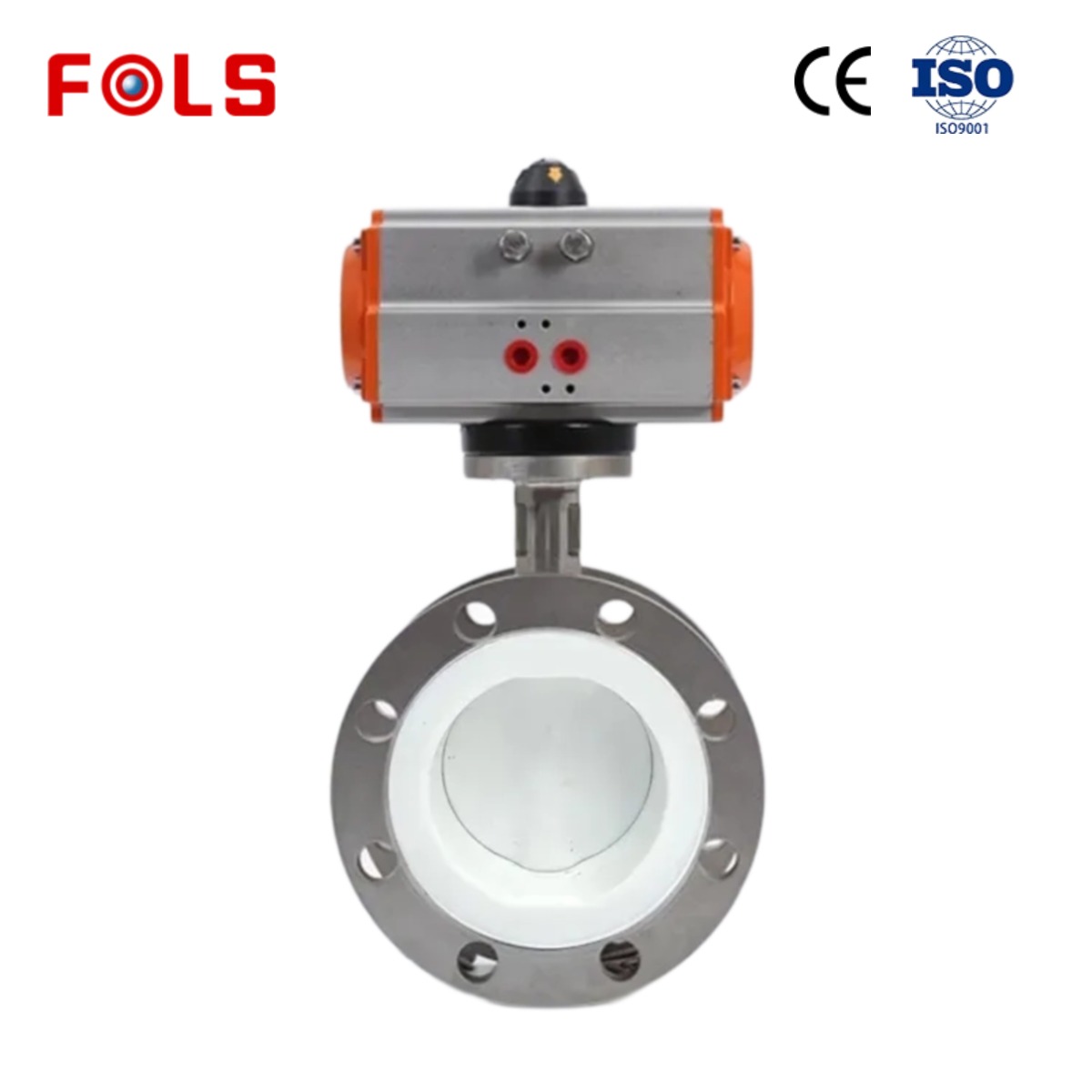
Electric and pneumatic actuation can allow a ball valve to operate as part of a wider control sequence. Electric units need a suitable power source and control connection; pneumatic units need an appropriate air supply and associated controls. For either route, verify required operating torque across the expected pressure range and confirm how the assembly should respond if its energy supply is lost.
Position indication and remote monitoring can help operators understand valve state, but an actuator is not a substitute for a defined control philosophy. Ask whether feedback is required, who will integrate the signals and how the unit will be tested after installation. Also reserve space for manual access, wiring or air lines and future servicing.
What affects ball valve price?
A ball valve price comparison is useful only when the quoted scope is comparable. Body and trim materials, seat construction, nominal size, pressure rating and connection type can all change the configuration. Actuation, position switches, testing, documentation and delivery terms may be separate items. Ask each supplier to identify exclusions so that a lower initial figure is not confused with an equivalent package.
For a 50mm ball valve, confirm whether the quoted dimension refers to the same nominal connection and whether the actual bore, end standard and pressure class match the line. Include installation, inspection and foreseeable replacement parts in the project review. A price difference may reflect different requirements rather than a meaningful advantage for one design.
A practical specification checklist
Before purchasing a ball valve, share a concise set of conditions with the engineering and purchasing teams. The following information makes a quotation easier to compare and gives the supplier a basis for identifying missing details:
- Fluid composition, concentration, solids and expected changes in service.
- Normal and maximum pressure and temperature, including startup conditions.
- Nominal size, actual flow requirement, acceptable pressure loss and connection standard.
- Manual or automated operation, cycle frequency, available utilities and required failure position.
- Required material compatibility, inspection records, applicable codes and maintenance access.
Standards such as ISO 17292 concern specified metal ball valve designs and applications; which edition and requirements apply must be checked against the project and the actual product. A standard number in an inquiry is not evidence that any particular valve has been certified or tested to it.
For an initial discussion, the FOLS Valve website provides the company's site context. Bring the application details and ask for the relevant product documentation before deciding. As the ball valve industry develops, the enduring buying discipline is to connect a market trend to a verified duty, a defined package and a workable maintenance plan.
 Hot News





