
 EN
What Is Diaphragm Valve And Its Isolation Benefits?
A diaphragm valve uses a flexible membrane to regulate or stop fluid flow. When the valve closes, an operating mechanism presses the diaphragm against a sealing surface inside the body. The same diaphragm also forms a barrier between the process fluid and the upper operating mechanism. For engineers working with corrosive liquids or slurries, that separation can be as important as the shutoff itself.
Neither benefit is automatic. A diaphragm valve must be selected for the actual fluid, pressure, temperature, operating cycle and required shutoff performance. This guide explains the two forms of isolation, their limitations and the information a buyer should collect before specifying a valve.
How does a diaphragm valve work?
A typical diaphragm valve has a body with an inlet and outlet, a flexible diaphragm, a compressor or similar operating component, and a bonnet or actuator assembly. With the valve open, the diaphragm lifts clear of the internal sealing surface and leaves a passage for fluid. Closing moves it toward that surface until the passage is restricted or shut.
The diaphragm is held at its perimeter between the body and the upper assembly. In normal operation, the body and diaphragm form the wetted passage while the stem and actuator remain on the other side of the membrane. This arrangement differs from designs in which a stem passes through the process boundary and requires a separate stem seal.
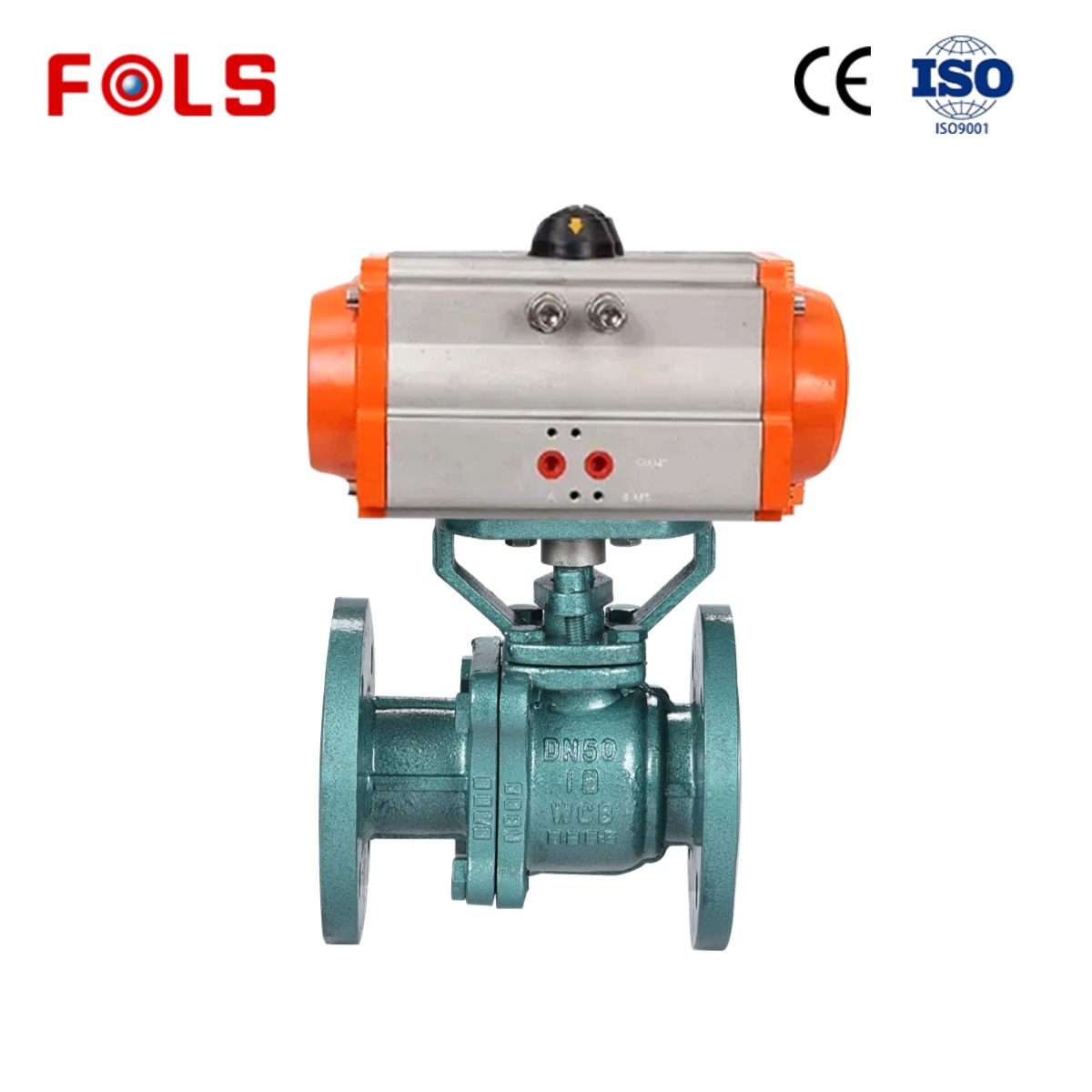
A diaphragm valve can be operated manually or equipped with a compatible pneumatic or electric actuator. The specific travel, fail position and control function depend on the selected assembly; an actuator should not be assumed to fit every body or operating condition.
What does isolation mean in this valve?
Shutting off the process stream
When closed, the diaphragm valve presses its flexible element onto the body seat to limit flow between upstream and downstream piping. A suitable design and intact sealing surfaces can provide effective shutoff, but the permissible leakage level is determined by the manufacturer's test specification and the application. Solids trapped on the seat, wear or an incompatible diaphragm can affect closure.
Separating fluid from the mechanism
The second isolation function concerns the bonnet and moving parts. A diaphragm valve keeps the process medium separate from those components while the diaphragm and its perimeter seal remain sound. This can reduce exposure of operating components to aggressive fluids and limit direct contact between the process and mechanism.
That barrier is not permanent. Chemical attack, temperature, repeated flexing, abrasion or incorrect installation may damage the diaphragm. An inspection plan and a response to leakage are therefore part of the design, not optional afterthoughts.
Isolation for maintenance requires a separate assessment
A closed diaphragm valve is not automatically a safe personnel-isolation point. Hazardous service may require additional isolation, lockout, draining, pressure verification or other measures under the site's procedures. Do not loosen a valve or disconnect a line until authorized personnel have made the system safe and verified the absence of hazardous stored energy.
Where can a diaphragm valve help?
In chemical handling, a diaphragm valve may be useful when the wetted diaphragm and body lining are compatible with the fluid. It can also be considered for water treatment and wastewater duties where the process composition and solids are understood. For clean processes, a suitable hygienic design can help reduce locations where material collects, but hygiene depends on the complete assembly, installation and cleaning method.
Consider a hypothetical dosing line carrying a corrosive liquid. The engineering team needs occasional shutoff and remote operation. Before choosing a diaphragm valve, it should identify the chemical concentration, operating and cleaning temperatures, pressure range, actuation supply and required leakage performance. These details determine whether the wetted materials and actuator are appropriate. This is an example, not a claim about a completed installation.
Weir or straight-through body?
A weir-style diaphragm valve closes against a raised seat in the body. Its geometry generally requires less diaphragm travel than a straight-through arrangement, though the raised contour can affect drainage and the passage of solids. Depending on the design, it may be used for isolation or regulated flow within its approved range.
A straight-through diaphragm valve has a more direct flow path and can be considered where suspended solids or slurries make the body passage important. Its diaphragm generally moves farther to close, so flexing and service conditions deserve attention. These are design tendencies, not a substitute for the manufacturer's pressure, flow and cycle-life data.
What should buyers check before specifying a diaphragm valve?
- Fluid and cleaning chemistry: Identify composition, concentration, solids, cleaning agents and exposure time. Check the body lining and diaphragm materials against each fluid; compatibility with one does not establish compatibility with all.
- Pressure and temperature: Provide normal, minimum and maximum conditions, including pressure differential across the closed valve. Confirm the manufacturer's combined pressure-temperature limits rather than treating separate maximum values as simultaneous ratings.
- Flow and shutoff: Define pipe size, expected flow, acceptable pressure drop and the required seat leakage test. A diaphragm valve sized only by pipe diameter may not meet the process duty.
- Actuation and fail position: Specify manual, pneumatic or electric operation, available air or power, control signal, opening and closing time, and the required position on loss of supply. Verify these details for the valve and actuator together.
- Installation and maintenance: Check connections, orientation, drainage, available access, diaphragm replacement intervals and spare-part identification. Confirm the applicable maintenance instructions before work begins.
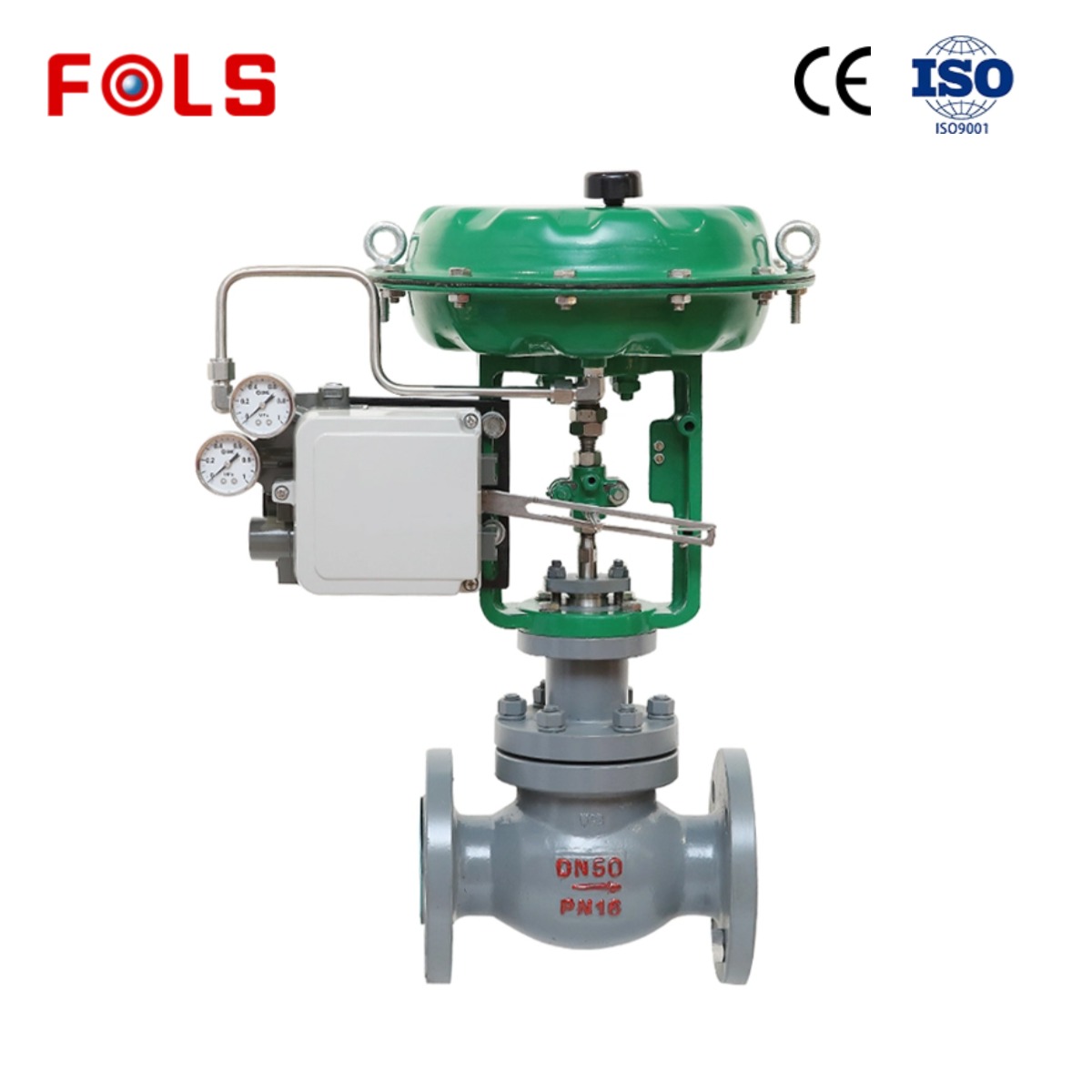
For a modulating assembly, control valve calibration means checking that the commanded signal, positioner and actual travel agree with the manufacturer's procedure. An on-off diaphragm valve may instead need limit-switch and stroke verification. Calibration does not establish chemical compatibility or replace a seat leakage test.
How does it compare with an air gate valve?
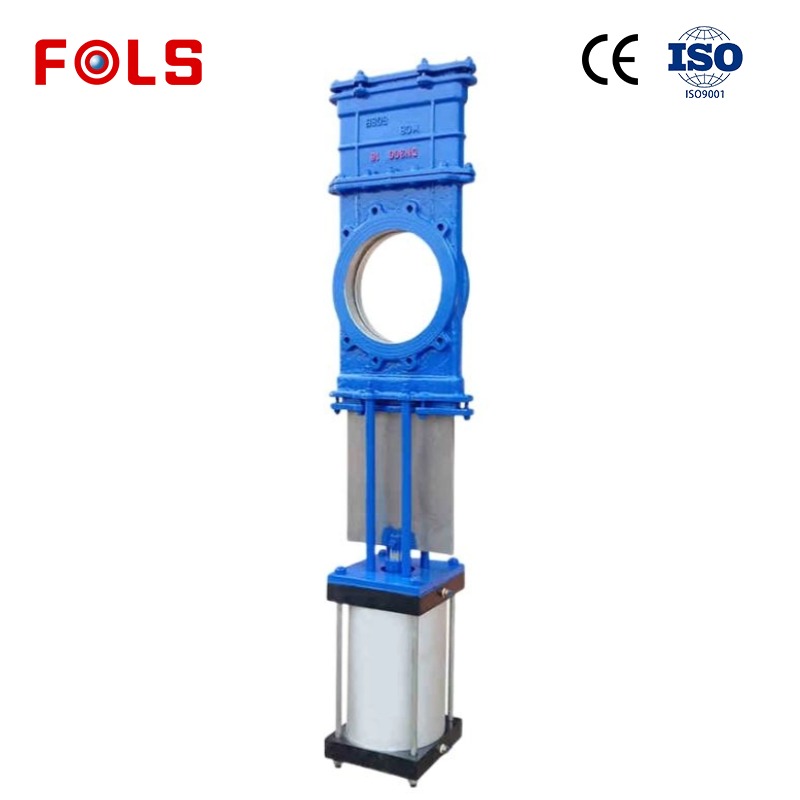
An air gate valve usually refers to a gate valve operated by a pneumatic actuator; the term describes actuation, not the internal sealing arrangement. A diaphragm valve uses a membrane to separate the operating mechanism from the process. A gate valve uses a different closure element and may be a candidate for other isolation duties, depending on its design. Compare each option against the same medium, shutoff requirement, pressure, temperature, available air and maintenance constraints rather than assuming one valve type is universally preferable.
When is another valve type worth considering?
A diaphragm valve may be less suitable when the required pressure or temperature exceeds the selected diaphragm assembly's rating, when the medium damages available materials, or when the process calls for a flow characteristic the design cannot deliver. Frequent cycling, abrasive solids and difficult access can also change the maintenance calculation. Ask for the relevant operating limits and spare-parts guidance for the exact configuration.
The practical starting point is a short process specification, not a valve name alone. Share the medium, extremes of pressure and temperature, required shutoff, control method and maintenance constraints with a qualified supplier. That gives the supplier and plant team a basis for checking whether a diaphragm valve fits the duty and what still needs to be verified.
 Hot News





