
 EN
How Gate Valve Secures Full Flow in Industrial Lines
In an industrial line, a Gate Valve is usually chosen for isolation rather than fine regulation. From a valve application engineer’s perspective, the question is not simply whether a Gate Valve can open: it is whether the medium, pressure, temperature, line size, sealing arrangement, and operating method support the duty. When those conditions are aligned, its rising gate can move out of the passage and leave a comparatively direct route for the process fluid.
That operating principle matters in water distribution, wastewater handling, process piping, and other systems where the line may need to be positively opened for normal transfer or positively shut off for maintenance. It does not mean every Gate Valve is interchangeable, or that a full-open position removes the need to verify material compatibility and pressure class. It explains why this valve family remains useful when unrestricted line flow is a priority.
Why a Gate Valve supports a clear flow path
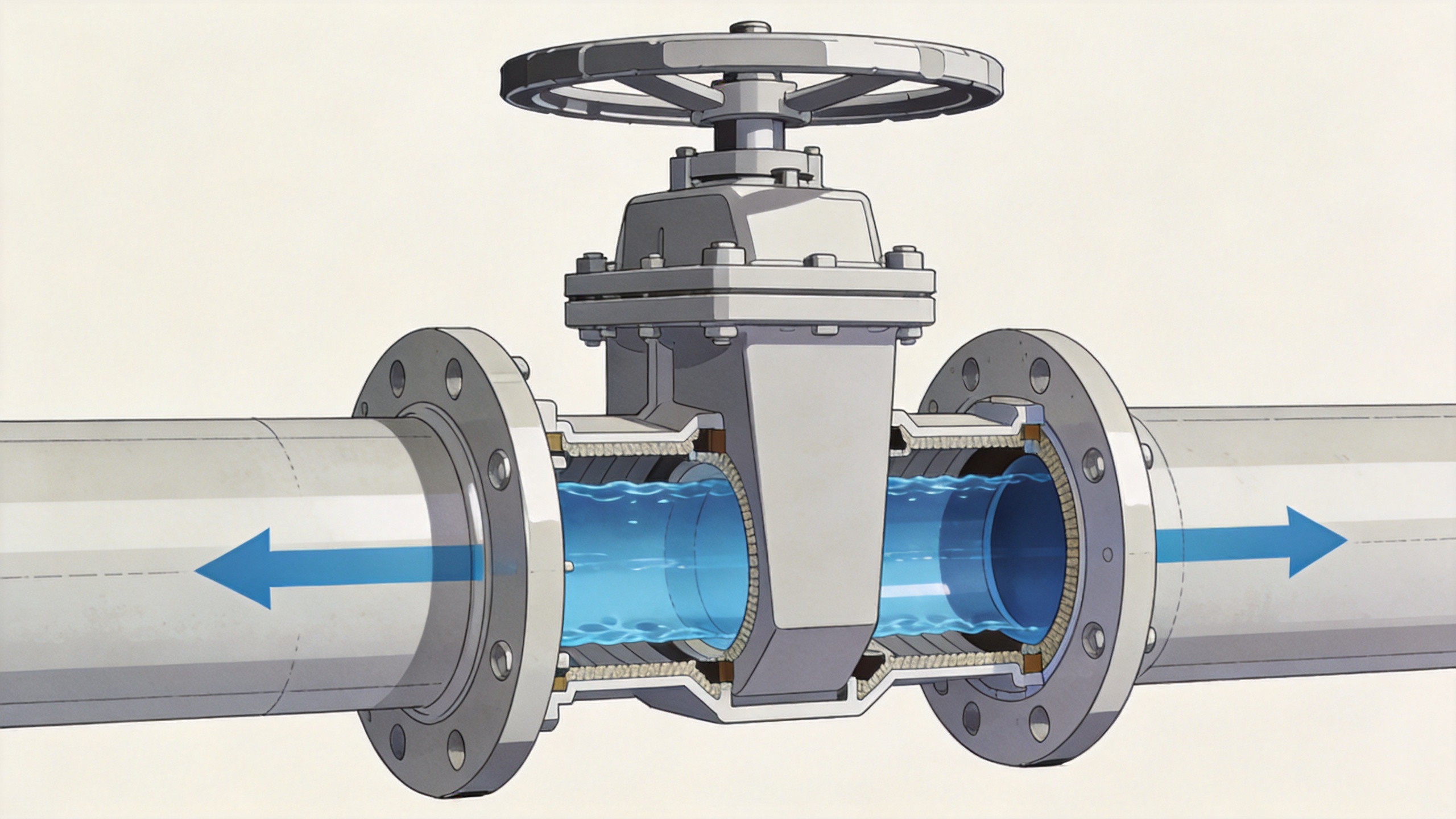
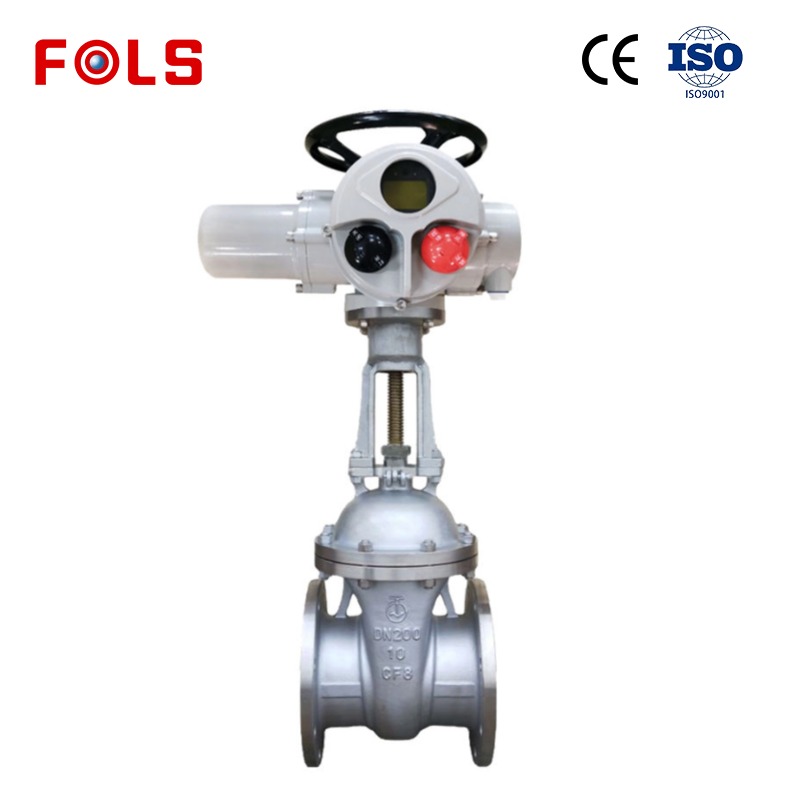
A Gate Valve uses linear motion. Turning the handwheel or driving the stem raises a wedge, slab, or parallel gate away from the seat area. In the fully open position, the closure element is withdrawn from the main bore instead of sitting across the stream. For a correctly selected, fully opened valve, that geometry helps minimize flow obstruction relative to a valve that leaves a disc or plug in the path.
The key phrase is fully opened. A Gate Valve is built for end positions: open for flow or closed for isolation. It is not normally the first choice for repeated throttling. Holding the gate partly open can expose seating surfaces to uneven velocity, vibration, and wear. More accurately, the valve’s full-flow advantage applies after stroke completion and within the specified service conditions, not at every intermediate position.
What happens during opening and closing
Opening begins when the stem transfers motion to the gate. As the gate rises, the available passage increases. Near the end of travel, the gate clears the bore and the valve can serve as an open isolation point. Closing reverses that sequence: the gate returns to the seats to interrupt the line. The body, bonnet, stem, packing, seat design, and gate geometry all contribute to whether this movement remains dependable over the expected operating life.
Do not start by asking whether one valve type is universally better. First write down the fluid, solids content, pressure, temperature, pipe size, connection type, and expected operating frequency. A single pressure rating is meaningful, but it must match the piping system, temperature effect, materials, and sealing arrangement. This is particularly important in chemical, oil, wastewater, and building-services projects where operating conditions may change between startup and steady production.
Where full-flow isolation is valuable
A Gate Valve can be a practical choice where the normal operating state is fully open and the process team wants an isolation point with low restriction. Common examples include long water lines, utility distribution, selected slurry-free process services, and sections of a plant that must be isolated before downstream work. In piggable pipelines, a clear bore can also be an important design consideration, but the complete pipeline specification must be verified before treating any valve as piggable.
For steel industrial gate valves, API 600 is one specification reference that purchasers may encounter. It addresses design and construction criteria as well as material and trim designations for applicable steel gate valves. The standard name alone is not a selection answer: engineers should still confirm the required edition, pressure-temperature limits, end connections, material grade, test requirements, and project-specific documents.
Match the Gate Valve to the control task
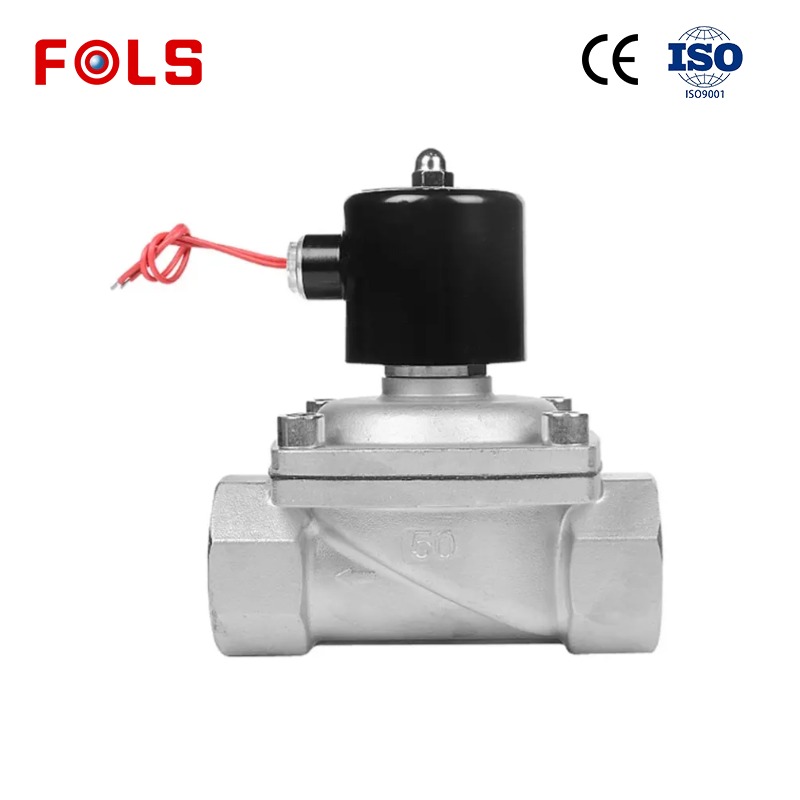
Isolation and automatic control are different duties. A Gate Valve may secure the main line in an open-or-closed role, while another device manages a process variable. For example, a hot water solenoid valve may be evaluated where rapid on/off automation is needed in a hot-water branch. Its coil, seal materials, voltage, temperature rating, pressure differential, and cycle frequency need their own review; those requirements should not be assumed from the isolation valve.
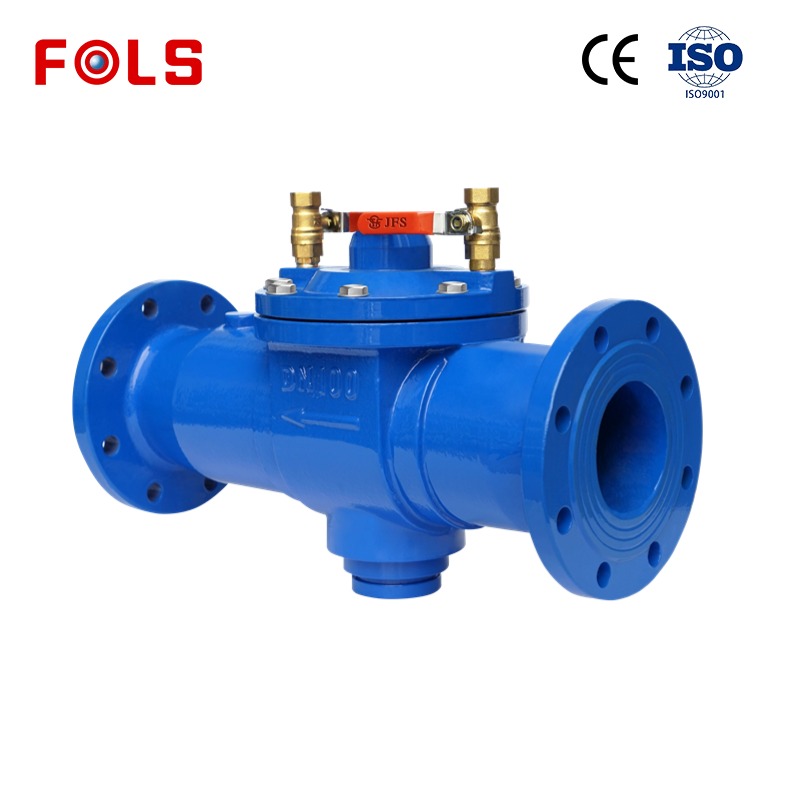
Likewise, an automatic water level control valve is selected around a level-management task rather than simply around full-bore isolation. Float, pilot-operated, or electronically controlled arrangements may be considered depending on the tank, supply pressure, response requirement, and maintenance access. In a complete piping scheme, a Gate Valve can provide an upstream or downstream isolation point for service, while the automatic water level control valve performs the regulating function. Separating those roles makes the system easier to specify and maintain.
Selection points before specifying the valve
| Check | Why it affects full-flow service | What to confirm |
|---|---|---|
| Medium | Corrosion, solids, viscosity, and contamination affect body, trim, and seat suitability. | Fluid composition, concentration, solids, and cleaning method. |
| Pressure and temperature | Ratings and sealing behavior depend on the operating envelope, not a single nominal figure. | Normal, startup, upset, and shutoff conditions. |
| Bore and connection | A nominal size alone does not confirm flow-path continuity or installation compatibility. | Pipe schedule, flange or weld-end details, face-to-face space, and orientation. |
| Operating frequency | Frequent cycling may change the appropriate valve and actuator decision. | Manual, electric, pneumatic, or automated operating sequence. |
| Maintenance access | Stem travel, packing adjustment, and removal space affect serviceability. | Clearance, isolation procedure, and spare-parts plan. |
A practical commissioning checklist
- Confirm that the specified Gate Valve is intended for shutoff duty and that the normal open position is appropriate for the process.
- Check the tag, material, pressure-temperature rating, connection details, and flow direction requirements against the approved datasheet.
- Verify that the stem can complete its travel without interference from insulation, supports, or actuator hardware.
- Operate the valve through a controlled open-close cycle in line with site procedures; investigate abnormal torque, leakage, or travel before placing it in service.
- Document which valve isolates the line and which device controls temperature, level, or cycle timing, including any hot water solenoid valve and automatic water level control valve in the circuit.
Turn full-flow intent into a workable specification
The useful feature of a Gate Valve is straightforward: when it is fully open and correctly matched to the line, its gate is lifted away from the main flow path. The procurement decision is less simple. The valve must still be checked against the actual medium, pressure-temperature range, end connection, sealing needs, operation frequency, and available maintenance space.
For industrial buyers, the most reliable next step is to turn those conditions into a clear specification request. That approach keeps the Gate Valve focused on isolation, lets a hot water solenoid valve or automatic water level control valve handle its intended automatic duty, and gives engineering and procurement teams the same basis for evaluation.
 Hot News