
 EN
How Butterfly Valve Saves Space In Industrial Piping
When a pipe run passes close to a wall, a beam or another line, the valve body is only one part of the space problem. A butterfly valve can shorten the section occupied between pipe connections, but the disc, operator and service access still need room. For a piping engineer, the useful question is not simply whether a butterfly valve is compact. It is whether the complete assembly fits and remains practical to operate.
This article explains where the space advantage comes from, how to compare it with a gate valve, and which dimensions to request before changing a layout. Actual dimensions and pressure limits must be checked against the selected manufacturer's drawings and the project specification.
Why a butterfly valve can have a shorter body
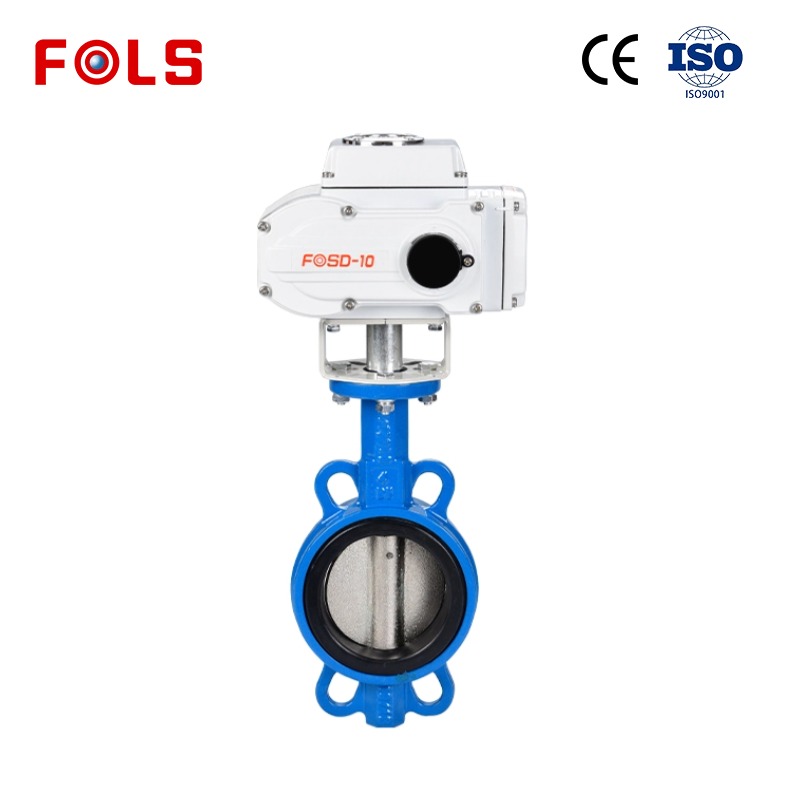
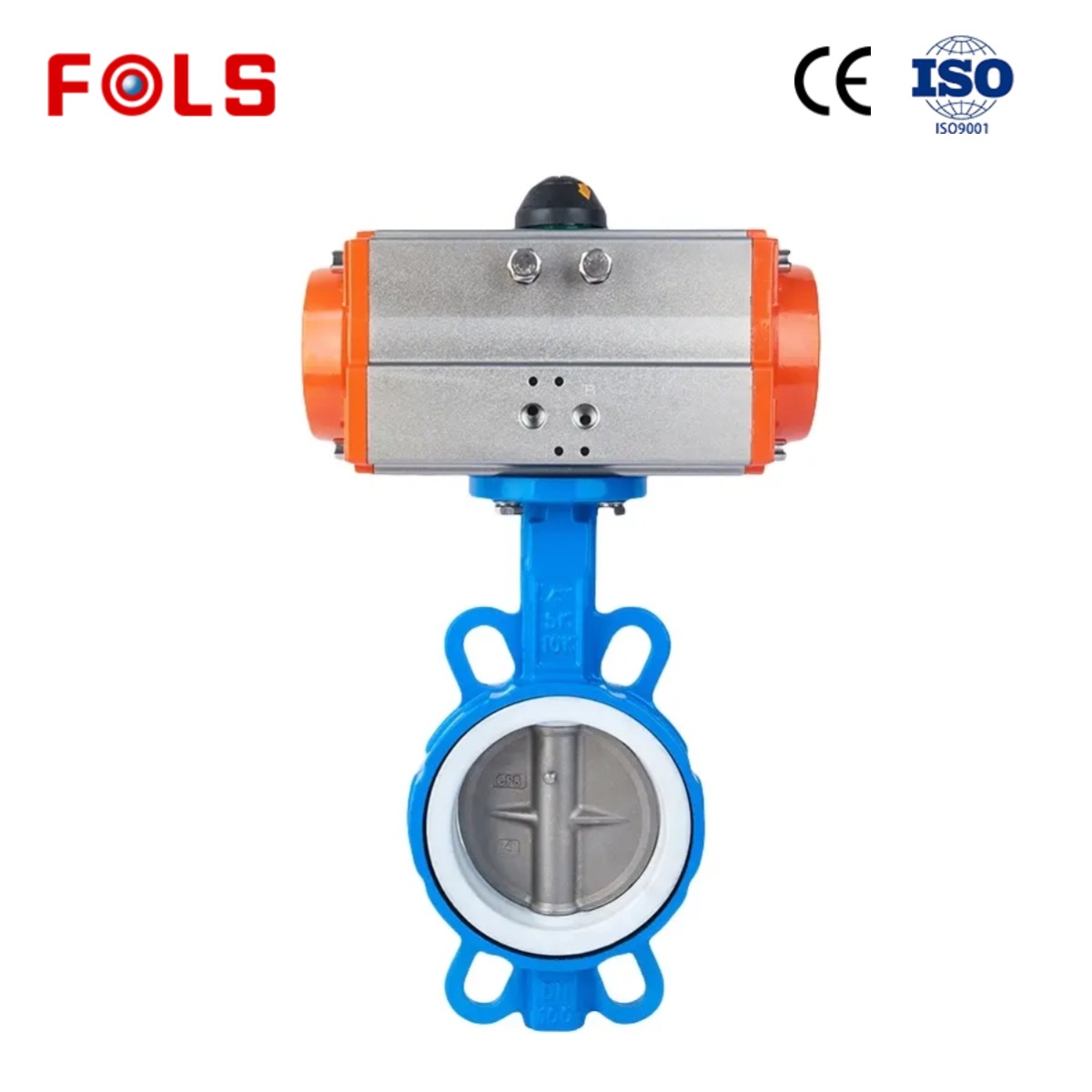
A butterfly valve uses a disc mounted on a shaft across the flow path. The disc turns from an open orientation toward the seat to isolate the line. A typical quarter-turn movement is 90 degrees. Because the closure element rotates within the body rather than traveling upward out of the flow path, the valve body can often be made relatively short along the pipe axis.
That short face-to-face length can matter on a crowded skid, in a pump room or between existing flanges. It may allow an equipment designer to fit isolation into a short straight section without moving neighboring components. The exact saving is not universal: compare drawings for the same nominal pipe size, pressure class, end connection and service conditions. A butterfly valve with one connection style may not have the same dimensions as another.
Wafer, lug and flanged arrangements
A wafer-style butterfly valve sits between mating pipe flanges and is held in the assembly by bolts. A lug-style body has threaded lugs or holes for attachment, depending on its design. Flanged bodies have their own connection faces. The connection selected affects bolt access, installation procedures and the available removal options; it is not just a catalog preference.
Do not assume that a shorter body can replace a longer valve without pipework changes. An existing gap, flange pattern or gasket arrangement may require an adapter or spool. Include those parts in the installed length before calling a butterfly valve a space-saving replacement.
Compare the whole envelope with a gate valve
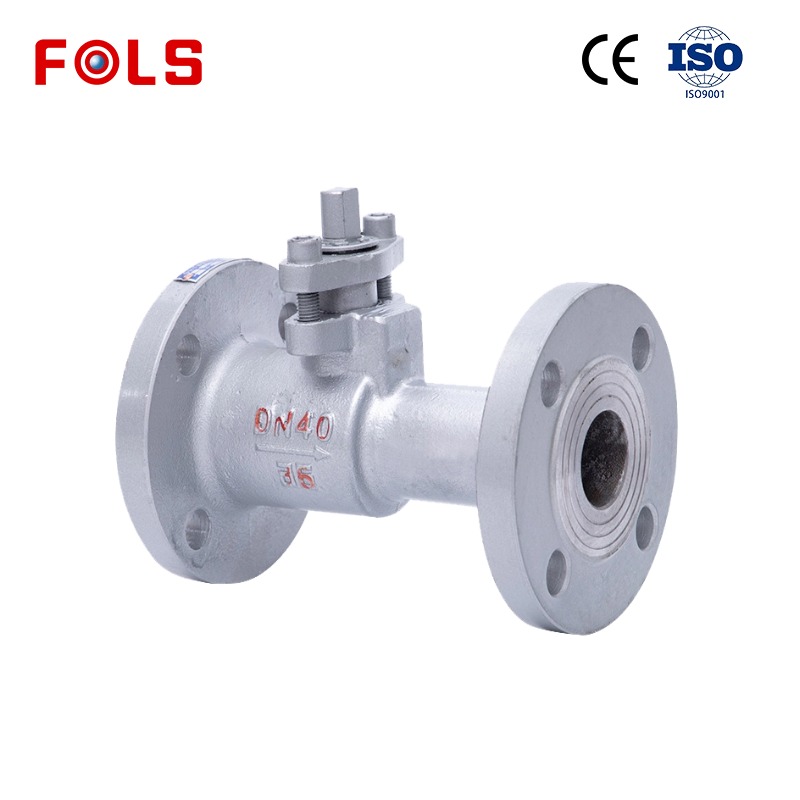
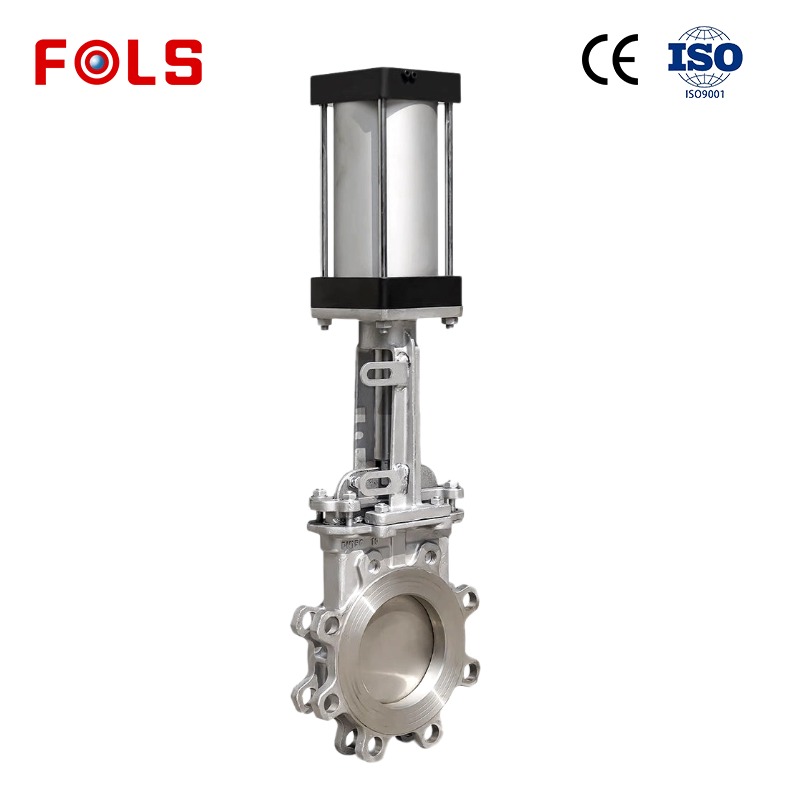
A gate valve uses a gate that travels into and out of the flow passage. Depending on the design, its stem or operator arrangement can need substantial space above the pipe. A butterfly valve usually avoids the long linear travel of the gate, although its shaft, gearbox or actuator still occupies space outside the pipe.
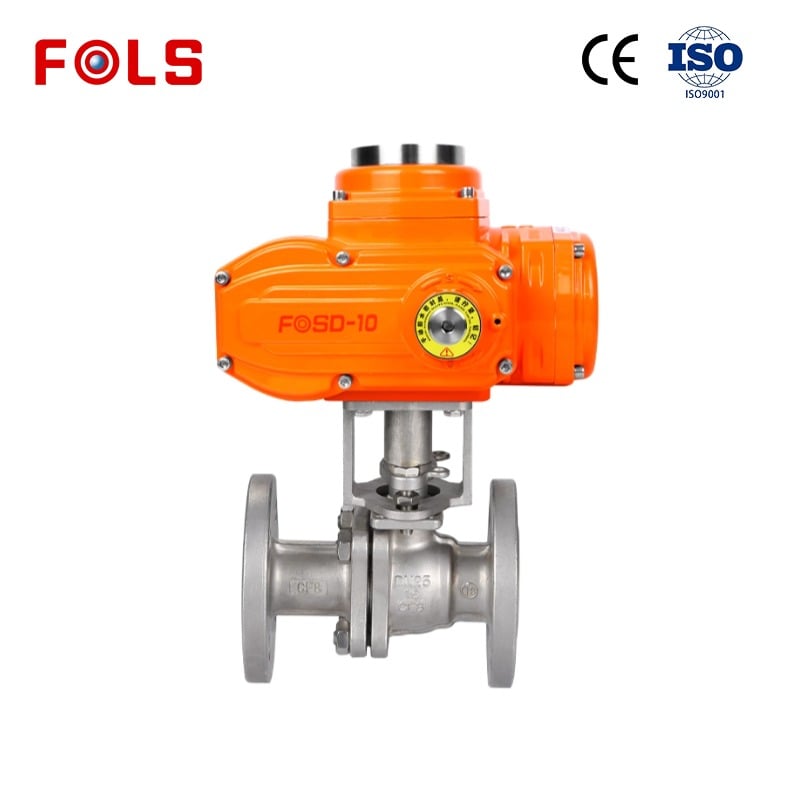
For a fair comparison, draw two boxes around each option. The first is the installed body and connections; the second covers the operator through its full movement, access for tools and removal of components. A handwheel may need space for a person to turn it. An electric or pneumatic actuator may extend sideways, upward or toward a nearby cable tray. A small butterfly valve body does not automatically mean a small assembly.
Buyers searching for a gate valve resilient seated may be evaluating isolation for water or similar services. Compare the proposed gate valve with a butterfly valve only after checking the medium, sealing requirements, pressure and temperature for each specific product. The selection should not be based on body length alone.
Likewise, a list of gate valve sizes is a starting point, not an interchangeability table. Nominal diameter does not establish face-to-face length, flange drilling, operator height or the dimensions needed to withdraw a valve. Ask for drawings of both assemblies in the same size and connection class.
Where the saved space can disappear
Disc sweep inside the line
The disc of a butterfly valve may project beyond the body faces when it opens. Neighboring pipe, liners, reducers, check valves or flange geometry can interfere with that sweep. Check the manufacturer's disc-clearance envelope and adjacent bore dimensions before the layout is fixed. A short valve installed against an incompatible fitting is not a usable space saving.
Operation and maintenance
Reserve room to see position indicators, operate a lever or remove an actuator. A lever moves through an arc; a gearbox has a handwheel and may need clearance for service. Consider a safe working position and the route for lifting heavier parts. The space for bolts and tools matters as much as the valve outline on a drawing.
Also check whether the pipe flanges can be separated enough for installation and removal. The permitted installation position of the disc and the assembly sequence vary by valve design. Follow the selected manufacturer's instructions and the site's isolation and pressure-release procedures; do not test a live line merely to check clearance.
Three layout situations worth checking
- Equipment skids: a butterfly valve can reduce the length occupied by the body, but actuator width, instrument access and the skid frame can set the real limit.
- Existing plant rooms: measure the gap between flanges and the overhead access before choosing a replacement. Pipe modifications can offset the apparent reduction in valve length.
- Parallel process lines: a butterfly valve may fit a narrow axial gap while its lever or actuator conflicts with the next pipe. Check both the operating arc and the maintenance envelope.
These are layout examples, not claims about a particular installation. Where the line carries wastewater, process fluids or other media, material compatibility and the required isolation duty remain the first filters. For modulating service, confirm that the particular butterfly valve and actuator are suitable for the required control range rather than assuming every isolation valve is a control valve.
A practical selection checklist
Before requesting a butterfly valve drawing or quotation, collect the following details. A shared checklist lets piping, operations and purchasing compare the same conditions instead of comparing unrelated catalog dimensions.
- Record the fluid, design pressure and temperature, normal operating conditions and required shutoff or control duty.
- Confirm pipe size, pressure class, flange drilling, lining and the actual inside diameter at both sides of the proposed butterfly valve.
- Measure the available face-to-face gap and the free space above, below and beside the pipe. Mark nearby elbows, supports and other fittings.
- Specify manual, electric or pneumatic operation and identify any required power, air, control signal and fail position.
- Request the manufacturer's body drawing, disc-sweep profile, actuator dimensions, bolt pattern and installation instructions.
- Check access for operation, isolation, removal and future maintenance with the people who will use the line.
A butterfly valve can be a useful way to reclaim axial space in industrial piping when the disc and complete operator assembly fit the surroundings. Make the comparison on the same service conditions, then verify the drawing rather than relying on the valve name. Guangzhou Fols Valve Technology can discuss valve and actuation requirements using the operating conditions and layout details supplied for the project.
 Hot News





