
 EN
Why Electric Valve Enhances Safety In Industrial Automation Systems
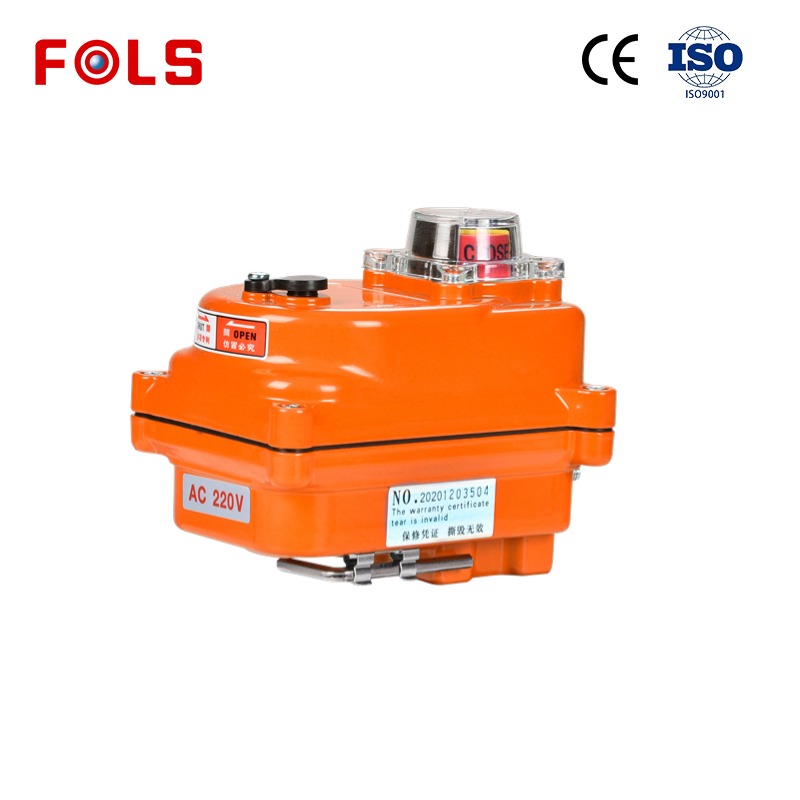
In an automated process, an Electric Valve is more than a remote-operated component. It is a controlled point where a system can stop, route, meter, or isolate a liquid or gas when the operating condition changes. For engineers responsible for water treatment, chemical handling, utilities, or production lines, the safety value of an Electric Valve comes from how it is specified, wired, monitored, and tested as part of the whole control loop.
That distinction matters. A motorized device alone does not make a process safe. A useful safety function starts with a documented hazard, defines the required valve position, supplies a reliable command path, confirms the movement, and gives people a safe maintenance method. When those pieces are designed together, an Electric Valve can reduce exposure to uncontrolled flow, overflow, incompatible routing, and unexpected process changes.
Safety begins with a defined process state
Before selecting an Electric Valve, the project team should describe what “safe” means for the actual line. Closing a feed line may be appropriate where continued flow could overfill a vessel. Opening a cooling or vent path may be the safer response in another service. The correct response depends on the medium, pressure, downstream equipment, operating sequence, and the consequences of a power or control fault.
This is why the valve body, actuator action, and mounting arrangement must be considered as one package. Industry guidance on valve fail positions notes that actuator action and mounting determine the failed position; with multi-port arrangements, the failed flow path also needs explicit review. For a 3 way electric ball valve, the safe condition is not simply “open” or “closed.” It may be a selected route, isolation of one branch, or transfer to a return path. Draw that state on the P&ID and verify it during commissioning.
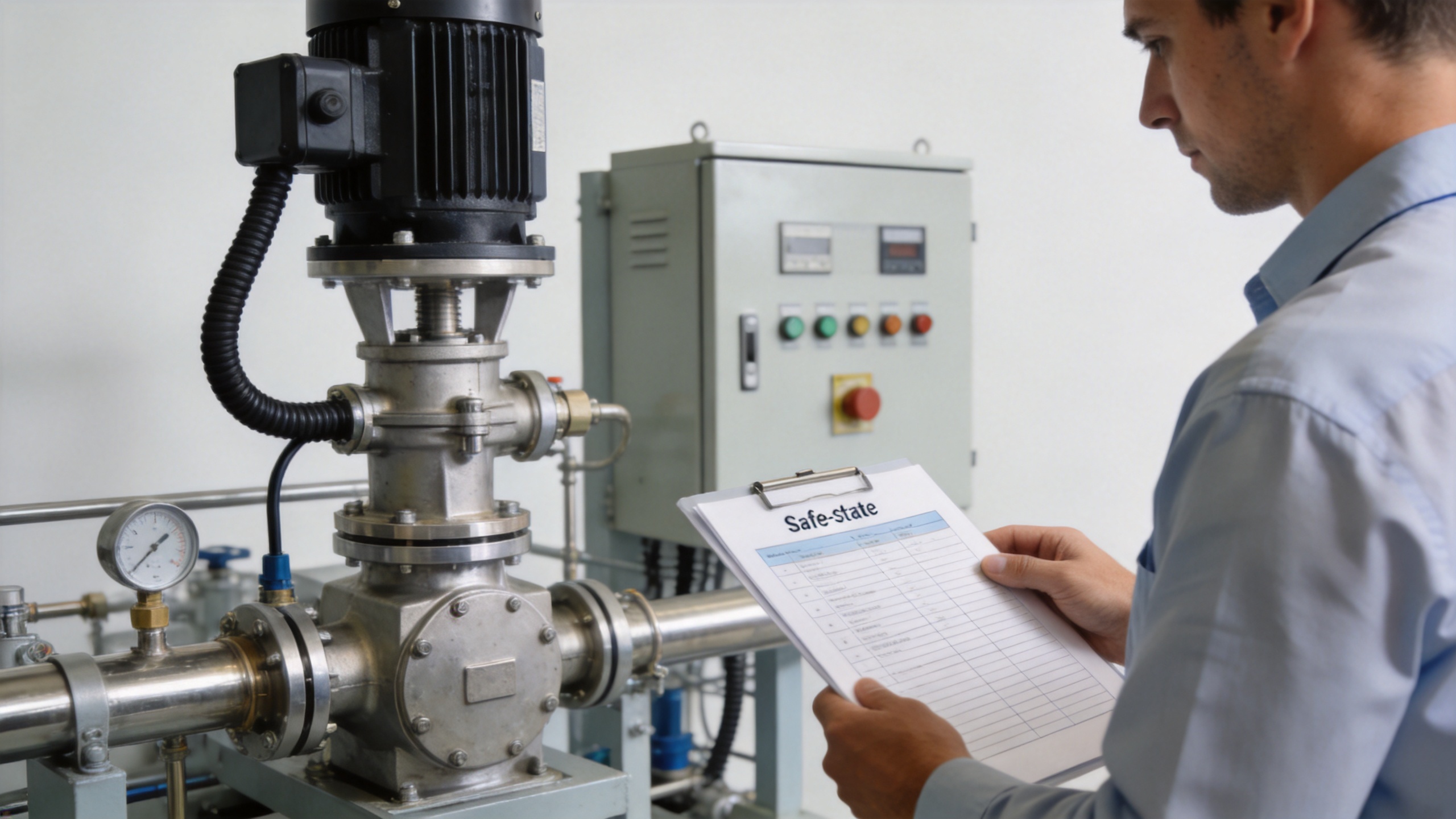
How an Electric Valve adds control at the moment it matters
1. It receives repeatable commands from the control system
An Electric Valve can be tied to a PLC, relay logic, level switch, pressure switch, or supervisory system. This allows a defined event, such as a high-level alarm or a permissive loss, to trigger a consistent valve command instead of relying on a person to reach a manual handle. The control narrative should state the initiating signal, command direction, expected travel time, and the action required if the position is not confirmed.
In a tank-fill application, an electric float valve may be part of a level-control arrangement that stops inflow at a chosen level. The installation still needs a practical review of float location, cable protection, valve torque, fluid compatibility, and a separate high-level response where the process risk warrants it. Treat the device as one layer of control rather than the only layer.
2. It can make abnormal routing visible and actionable
Position feedback is a major reason to use an Electric Valve in an automated safety-oriented design. A command to close is valuable, but a separate indication that the valve reached its required position gives the controller and operator a chance to respond when it did not. Feedback may be used to hold a pump start permissive, alarm a travel fault, or block the next sequence step.
The feedback signal must represent the real process requirement. For example, an “actuator moving” signal is not the same as a verified closed position. During a site acceptance test, check the complete chain: initiating input, logic decision, output command, valve travel, position indication, alarm, and the response recorded by the operator. This test exposes wiring reversals, incorrect travel limits, and logic assumptions before the line is relied on in service.
3. It supports separation of operating modes
A well-integrated Electric Valve can support clear modes for automatic operation, supervised manual operation, commissioning, and maintenance. The permitted actions in each mode should be defined. During commissioning, a technician may need a local command, but that command should not quietly bypass every process interlock. During normal production, the same Electric Valve should follow the approved sequence and provide status to the control room.
This separation is especially useful where a 3 way electric ball valve directs a common stream to different destinations. A permissive can verify that the receiving line is ready before routing changes. A dwell or confirmation step can keep a pump from starting while the valve is between positions. These measures do not replace a process hazard review; they turn its conclusions into observable control actions.
Power loss and fault response need engineering review
Every Electric Valve design should answer a basic question: what happens when electrical power, a signal, or communications are lost? Some applications use an actuator arrangement with stored energy or an auxiliary drive to move toward a defined position. Others retain position, and some processes require a separate shutdown device. The suitable approach follows the hazard analysis, not a generic rule about electric actuation.
Specify the required state in plain language: for example, “isolate chemical feed,” “maintain cooling flow,” or “hold the selected route pending operator assessment.” Then validate that the selected Electric Valve, its torque margin, travel limits, control wiring, and power architecture can support that requirement under stated conditions. A datasheet field called “fail-safe” is not enough without a testable definition of the desired process state.
Maintenance safety remains essential
Automation reduces routine intervention, but it does not remove stored-energy hazards during service. OSHA’s hazardous-energy control requirements describe procedures for stopping unexpected energization, start-up, or release of stored energy and require verification of isolation and deenergization before work begins. Therefore, an Electric Valve must be considered alongside isolating devices, electrical disconnects, bleed or drain points, and the site lockout/tagout procedure.
For maintenance planning, identify whether the Electric Valve itself is an energy-isolating device, whether an upstream manual valve is needed, and how trapped pressure will be relieved. Label local controls clearly, document the sequence, and train authorized personnel on the actual installation. Do not assume that a software command or a position display alone establishes a maintenance-safe condition.
A practical specification checklist
- Define the hazard and the required safe flow condition for each credible upset.
- Select the valve body, seals, pressure rating, flow path, and actuator torque for the medium and duty.
- For each Electric Valve, document command voltage, control signal, travel limits, feedback contacts, enclosure needs, and manual override behavior.
- For an electric float valve, verify level setpoints, mounting, cable routing, fouling exposure, and the response to a failed or stuck level signal.
- For a 3 way electric ball valve, document normal, alarm, loss-of-power, and maintenance routing on drawings and test sheets.
- Test the complete cause-and-effect sequence after installation and at intervals defined by the site’s maintenance program.
Make the Electric Valve part of a verified safety function
An Electric Valve enhances industrial automation safety when its motion is tied to an intentional process response, its actual position is checked, and people can isolate and service the equipment using approved procedures. The strongest result comes from disciplined specification and testing rather than from the actuator type alone.
For a new project or retrofit, begin with the process scenario: what must happen, what confirms it happened, and what must personnel do before maintenance. That approach helps turn the Electric Valve from a simple automated component into a dependable part of the plant’s operating safeguards.
 Hot News





