 EN

What Makes Pneumatic Valve Essential For Modern Fluid Control
Modern fluid systems do more than move a medium from one pipe to another. They must start, stop, divert, regulate, and respond to changing process conditions. A Pneumatic Valve is essential when that response needs to connect a mechanical valve with an automated control decision. From an automation-control perspective, the useful question is not simply whether to install a Pneumatic Valve. It is how the valve body, actuator, air supply, signal connection, and intended loss-of-air position work together.
That systems view matters in water treatment, chemical processing, and oil-related service, where a valve can be one part of a larger control loop. Guangzhou Fols Valve Technology Co., Ltd. focuses on industrial valves, pneumatic valves, electric actuators, and automation solutions. For any supplier discussion, however, the actual medium, pressure, temperature, cycling duty, and site connection still need confirmation before a particular configuration is selected.
How a Pneumatic Valve turns air into fluid-control action
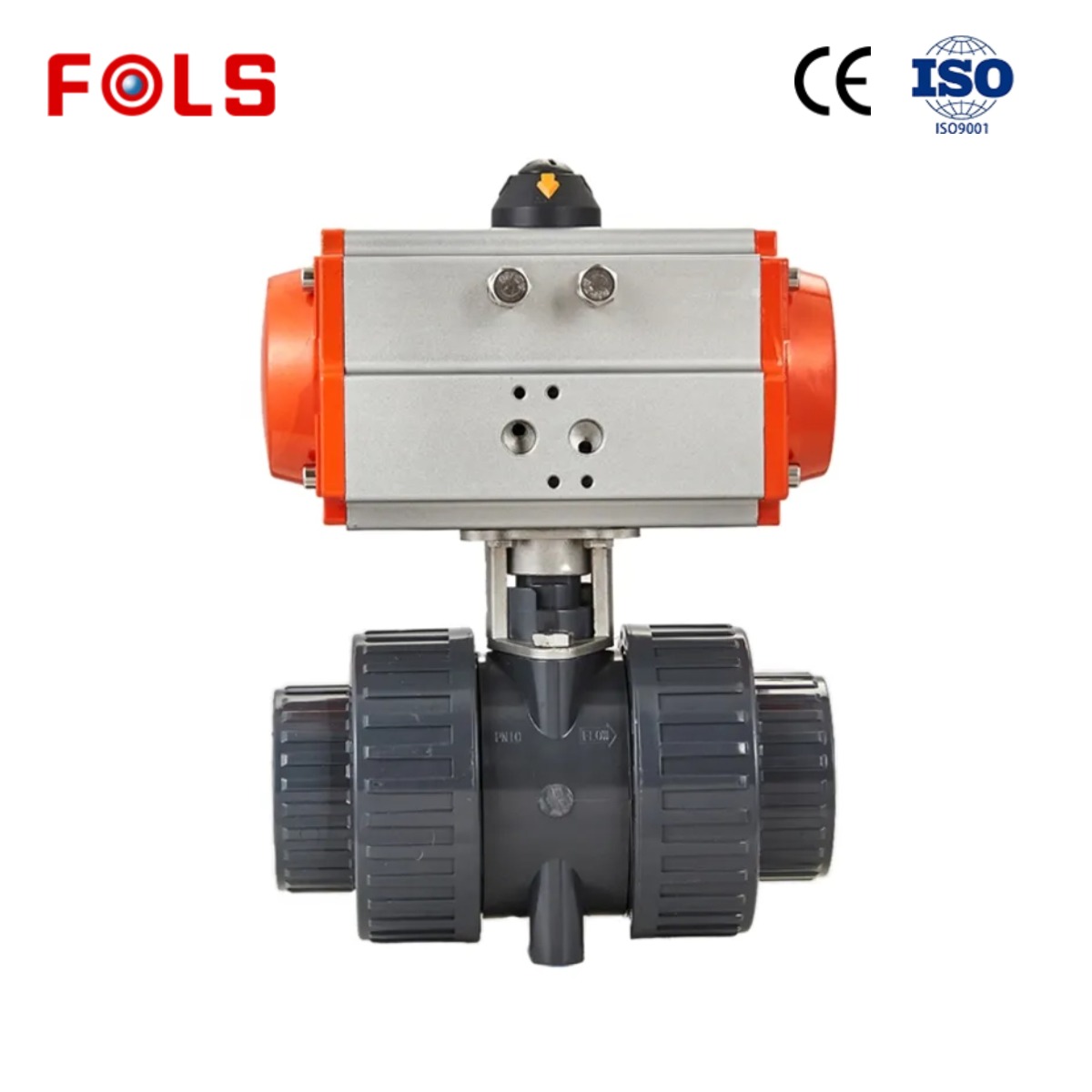
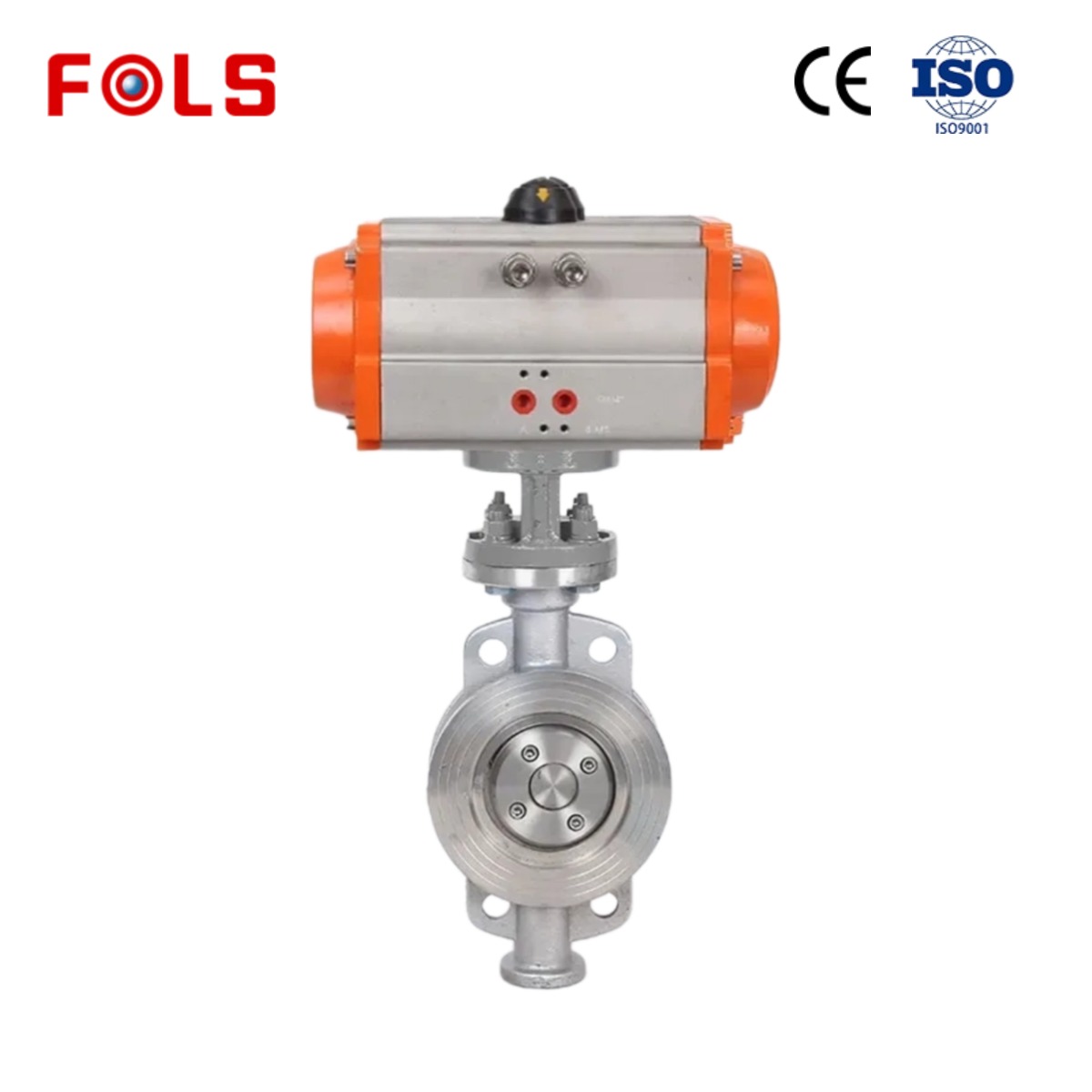
A Pneumatic Valve combines a valve body with an actuator driven by compressed air. Depending on the required action, the assembly may move to an open or closed position for on/off duty, or it may adjust to intermediate positions for modulating duty. The valve body establishes the flow path and sealing arrangement; the actuator provides the force and movement; the control hardware tells the actuator when to move.
This division of work explains why a Pneumatic Valve is more than an isolated component. A plant may send a pneumatic or electrical command from its controller. An electro-pneumatic device can translate that command into air pressure, while a positioner may compare the requested position with actual valve travel and correct the actuator pressure. Where packing friction, changing differential pressure, or a demanding control task affects travel, that feedback can be an important selection point.
It is useful to ask what the system needs from the Pneumatic Valve: a discrete open/close response, throttling control, a defined response during air loss, or feedback to the control system. One name alone does not answer those questions.
Why pneumatic actuation fits automated process systems
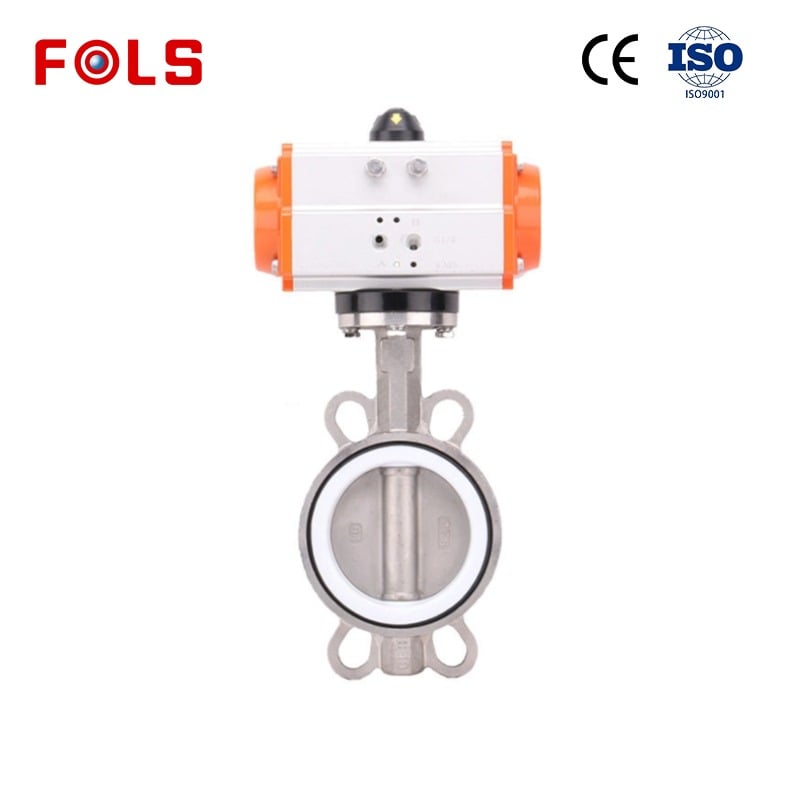
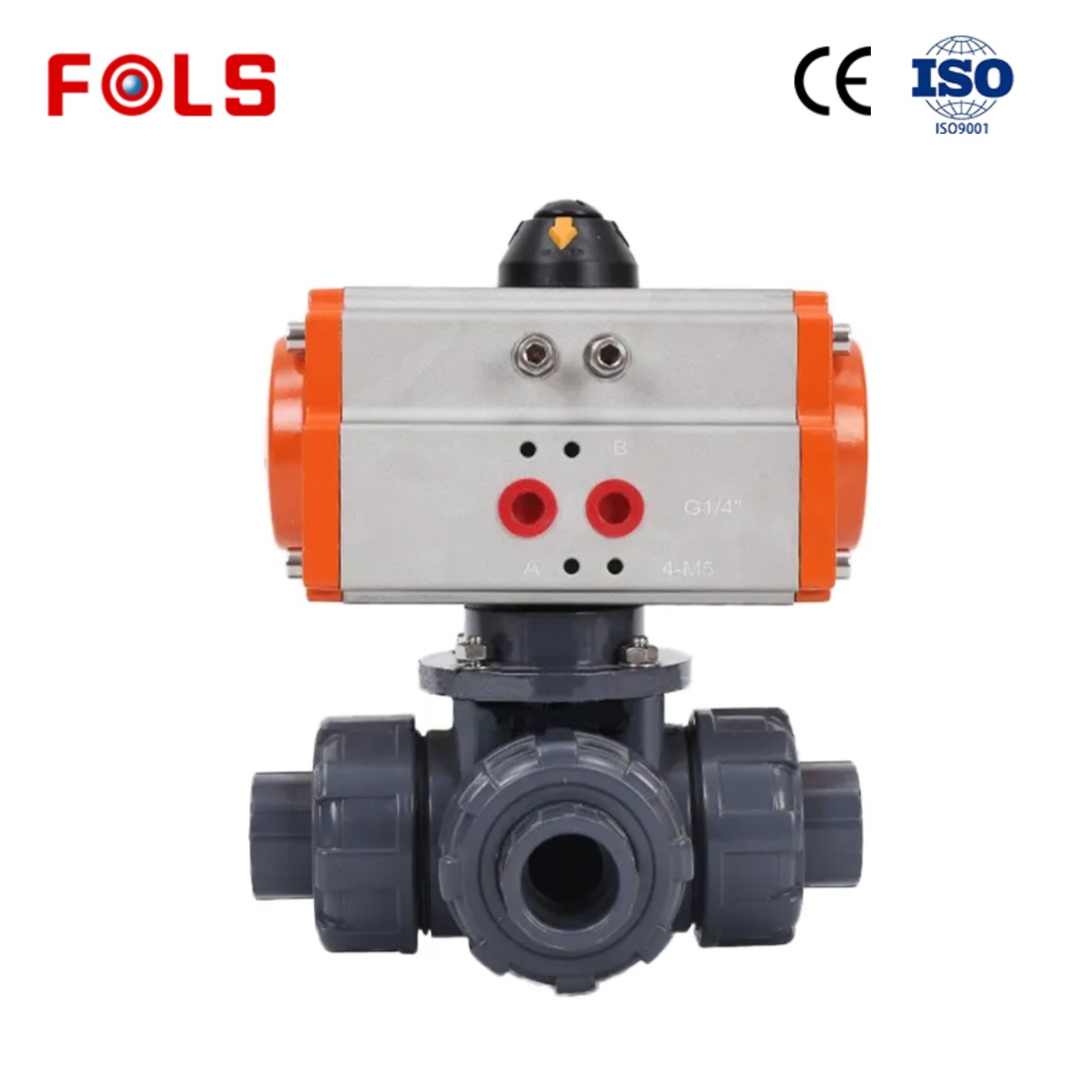
A Pneumatic Valve can fit naturally into a site that already has suitably prepared instrument air. The control chain can be organized around familiar elements: an air supply, filtration and regulation as required by the equipment, a solenoid or positioner, the actuator, and the valve. For rotary ball or butterfly designs, a rotary pneumatic actuator can convert piston movement into stem rotation. For linear valves, a diaphragm or piston arrangement can move a stem.
The practical value comes from coordinating these elements rather than treating the actuator as an accessory. Clean, dry air at the required pressure and quantity is a system requirement. So are tubing layout, signal type, mounting connections, stroke or rotation, and the torque or thrust needed under actual differential pressure. A Pneumatic Valve that is appropriate on a drawing can still need a different actuator or control arrangement when those conditions are clarified.
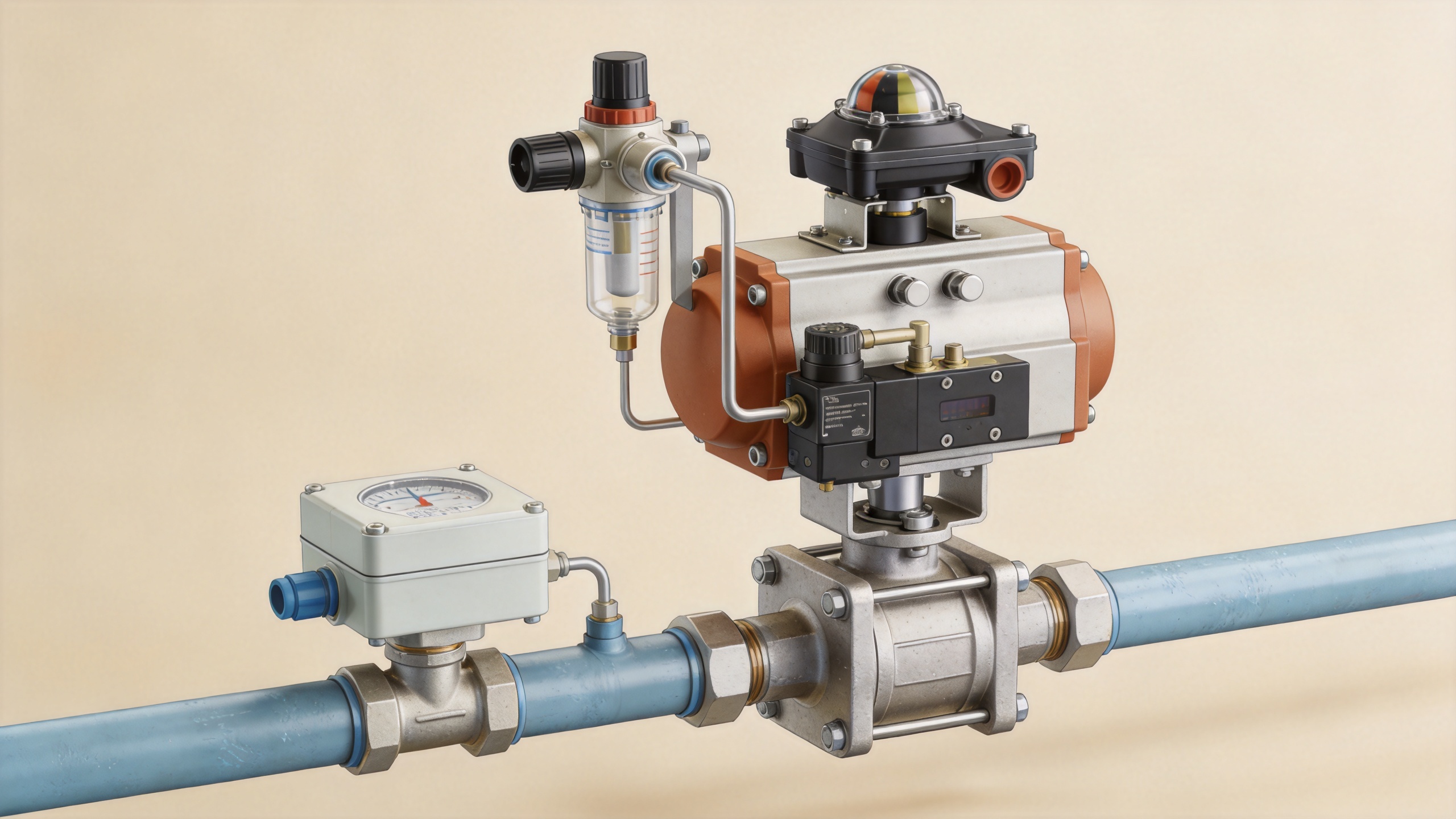
Control precision depends on the complete Pneumatic Valve assembly
For simple isolation, a solenoid-controlled Pneumatic Valve may only need a clear command to move between two end positions. A modulating application is different. In that case, a positioner can help the assembly follow the requested position despite friction, spring effects, or changes in process force. This is why the valve body and actuator should be sized as one working pair, not as unrelated purchases.
Consider an air operated solenoid valve in the control circuit. Its role may be to direct air to the actuator in response to an electrical signal. It is not automatically the same thing as the process valve that controls the main fluid line. Defining which device handles pilot air and which device contacts the process medium keeps specifications clear. When an air operated solenoid valve is involved, confirm voltage, coil environment, porting, normal state, and the expected air supply alongside the main valve requirements.
For a Pneumatic Valve used in continuous control, the selection discussion should also include the control signal, desired rangeability, response expectation, and feedback needs. These details vary with the process. They should be documented rather than assumed from the word “pneumatic.”
Fail position is a process decision, not a default setting
One of the most important reasons to evaluate a Pneumatic Valve as a complete assembly is its behavior if instrument air is lost. A spring-return actuator can be arranged toward a defined direction; a double-acting actuator has different considerations because it uses air for movement in both directions. Whether the process should fail open, fail closed, or hold a defined state depends on the hazard review and process objective.
For example, allowing a cooling stream to continue and isolating a chemical feed may call for different outcomes. The correct choice cannot be inferred from the valve type alone. Before specifying a Pneumatic Valve, record the intended safe state, available air and electrical conditions, shutdown logic, and whether any lockup or auxiliary arrangement is required. This early check can reduce later changes to the control scheme.
Where a Pneumatic Valve supports modern fluid-control work
In water and wastewater work, a Pneumatic Valve may support automated isolation, sequencing, or flow management where the process design calls for it. In chemical service, material compatibility, sealing, pressure, temperature, and fail position require particular attention. In oil-related applications, the same control-chain questions remain, while the site’s fluid properties and operating conditions set the engineering boundary.
A pneumatic float valve illustrates why application language matters. A float-based valve responds to level and can suit level-related duties when its mechanism and wetted materials match the service. It should not be described as a substitute for every instrumented, actuated Pneumatic Valve. If a pneumatic float valve is being evaluated, clarify the level range, medium characteristics, installation orientation, and whether the system requires only mechanical level response or an integrated control signal.
A practical Pneumatic Valve confirmation checklist
Before requesting a quotation or a technical review, build a short information list for the Pneumatic Valve assembly:
- Process medium, concentration where relevant, flow direction, and solids content.
- Operating and design pressure, temperature, flow requirement, pipe size, and connection type.
- Valve function: isolation, diverting, throttling, or level-related control.
- Actuator motion, available air pressure and quality, cycle frequency, and available maintenance space.
- Control method: local solenoid, remote signal, positioner, feedback, and required end-position indication.
- Required response on loss of air or power, plus the project documents needed for confirmation.
This list gives the Pneumatic Valve discussion a reliable starting point. It also distinguishes known conditions from items that still need engineering review.
Conclusion
A Pneumatic Valve becomes essential to modern fluid control when a process needs its valve function to work with an automated air-driven actuator and a clearly defined control strategy. The value is not a generic promise of suitability. It comes from matching the valve body, actuator, signal path, air preparation, and fail-state decision to the actual service. Start with the process conditions, then use that information to determine whether a Pneumatic Valve, its control accessories, and its safety behavior are aligned with the system.
 Hot News