
 EN
What Makes Flanged Butterfly Valve Reliable For Plants?
A flanged butterfly valve can provide dependable isolation when its materials, connection, actuator and maintenance plan fit the actual pipeline. The flanges are only one part of that equation. A sound selection starts with the process fluid, operating pressure and temperature, required shutoff and the consequences of leakage—not with the valve name alone.
For plant engineers, the practical question is whether the assembly will seal, operate and remain accessible throughout its intended service. The following checks help a purchasing team turn that question into a specification that suppliers can review.
How the flanged connection supports service
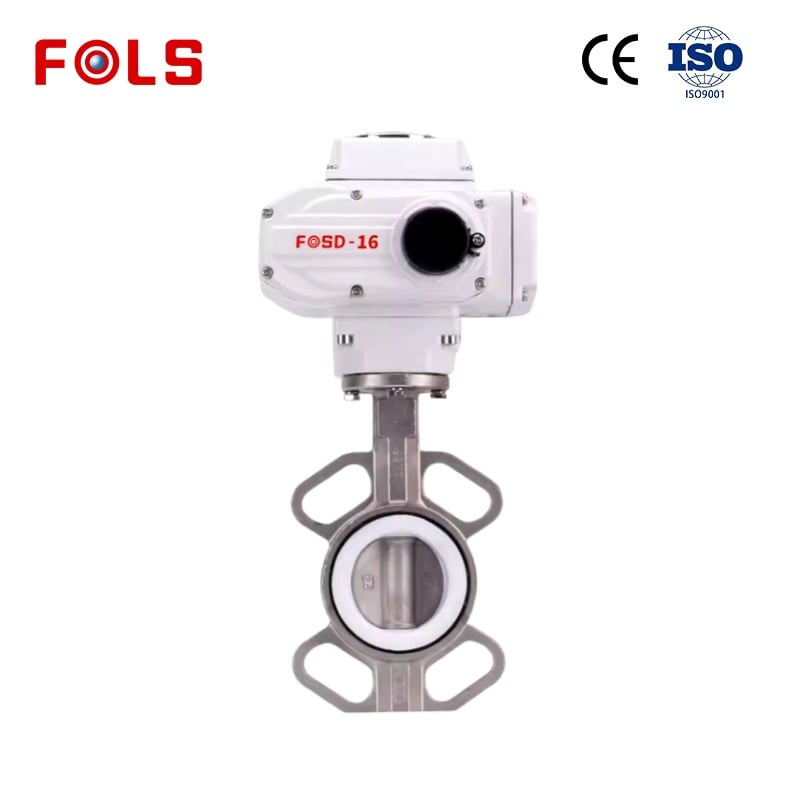
A flanged butterfly valve has a body designed to connect to mating pipe flanges. Bolted joints provide a defined connection at each end, while the rotating disc controls the flow path. The joint can also be dismantled for replacement when the line has been safely isolated and prepared for maintenance.
That arrangement does not make every installation interchangeable. The valve's flange drilling, pressure class, face-to-face length and mating surfaces must suit the piping. A pressure class is not a stand-alone approval for every temperature: check the complete pressure-temperature limits for the selected assembly. Pipe loads, alignment and support also matter, because forcing misaligned flanges together can stress the valve and its joints.
Before choosing a flanged butterfly valve, ask for a dimensional drawing covering bolt holes, flange faces, disc travel and actuator envelope. Confirm that the disc clears adjacent pipework and any nearby fitting throughout its movement. Space for tools and removal is a maintenance requirement, not just a drawing detail.
Match the wetted parts to the process
Body, disc, shaft and seat are exposed to different mechanical or chemical demands. Document the fluid composition, concentration, cleaning chemicals, operating range and any solids. Then ask the supplier to assess each relevant material against those conditions. A material suitable for clean water is not automatically appropriate for every chemical stream or wastewater duty.
A flanged butterfly valve with a resilient seat may be useful in some water applications, but the seat's temperature and chemical limits need confirmation for the exact formulation. Abrasive solids, cycling frequency and differential pressure can change wear patterns. Ask whether expected conditions fall inside the design envelope and what inspection or replacement intervals the supplier recommends for that duty.
Corrosion assessment should include the fluid and the external environment. Coastal moisture, washdown and insulation can influence the outside of the assembly. If a coating is proposed, specify the exposure and preparation requirements rather than assuming that a generic coating is sufficient.
Check shutoff and actuator performance together
The required leakage performance depends on the service. A flanged butterfly valve used to stop flow for routine process switching may have a different specification from an isolation device in a hazardous line. State the allowable seat leakage, flow direction, differential pressure and test medium. Ask for the applicable test procedure and documented results for the supplied configuration.
API 609 concerns butterfly valve design; API 598 is one possible inspection and test reference. Whether either applies depends on the purchase specification and the selected valve. Request the relevant edition and acceptance criteria, and do not treat a standard number alone as proof that a particular unit has passed a test.
Actuation deserves the same attention as the seat. For a flanged butterfly valve, request operating torque across the expected pressure and temperature range, including a suitable design allowance agreed with the supplier. Confirm the available air supply or electrical power, control signal, position feedback, cycle time and required action if power or air is lost. The required fail position follows the plant's hazard assessment; it is not the same for every line.
A control valve also needs stable operation at the intended flow range. If throttling is required, provide the flow cases and ask for a sizing review rather than selecting from nominal pipe size alone. A disc, actuator and control system must work as an assembly.
Installation details that affect reliability
A flanged butterfly valve should be installed to its own manufacturer's instructions and the site's approved procedures. Inspect flange faces and verify alignment before assembly. Gasket requirements differ by design: some seat arrangements seal directly against the mating flange and do not use a separate gasket, while other designs specify one. Follow the instructions for the exact unit instead of adding a gasket by habit.
Use the specified fasteners and tightening sequence, and confirm the torque or bolt loading with the valve and joint documentation. Avoid using bolts to pull poorly aligned pipework into position. Before operation, verify disc clearance without damaging the seating surfaces. Pressure testing and commissioning must follow the approved site plan, including the manufacturer's limits for the valve position and test pressure.
For an existing line, compare the old and new face-to-face dimensions and flange details before a shutdown is scheduled. A replacement flanged butterfly valve that fits the nominal line size may still require a spool change or different bolting. Check actuator access, lifting arrangements and spare parts at the same time.
When another isolation arrangement is needed
A flanged butterfly valve is not automatically a double block and bleed system. Where the operating procedure requires two independent isolation barriers and a means of checking or draining the space between them, define that arrangement with the responsible engineer. Buyers comparing double block and bleed valve manufacturers should ask how the proposed design meets the site's isolation procedure and how its barriers can be verified. Do not infer personnel protection from a valve label.
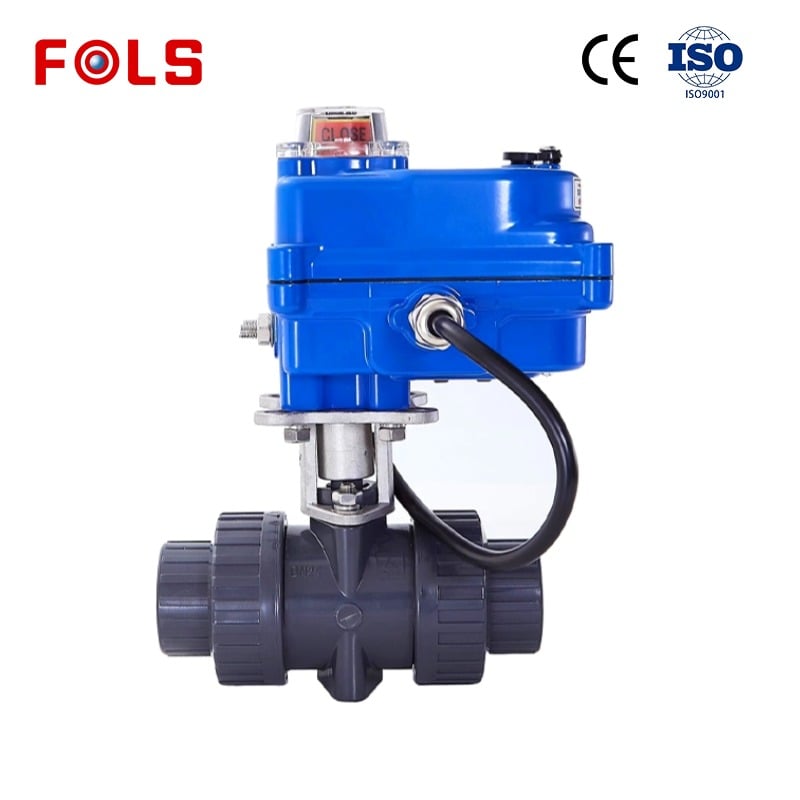
Similarly, a search for a 2 ball valve stainless steel may indicate a small-bore line that calls for a different valve type. Confirm whether “2” means a two-inch nominal size or another configuration, then compare pressure, temperature, shutoff, maintenance and available space on the same service basis. Neither a ball valve nor a flanged butterfly valve is the right answer for every application.
Build a practical purchase and maintenance checklist
Before requesting a quotation, collect the following information for each flanged butterfly valve position:
- Fluid composition, solids, cleaning conditions, normal and extreme temperature, and design pressure.
- Line size, flange standard and rating, face-to-face space, flow direction and nearby disc clearance.
- Required isolation or control function, allowable leakage, differential pressure and applicable test documents.
- Manual, pneumatic or electric operation; available utilities, control signals, cycle frequency and required fail position.
- Access for inspection and removal, expected spare parts, material traceability and supplier instructions.
For a hypothetical wastewater line, for example, the team might compare seat compatibility with the actual fluid, check solids exposure and confirm flange dimensions against the existing pipe. It would then agree on testing and maintenance access before selecting a flanged butterfly valve. This is a decision sequence, not a claim about a completed project.
Share the operating cases and drawings with the valve supplier before ordering. Clear boundaries and verifiable documents make it easier to identify an unsuitable configuration early and to plan the work needed to keep the line in service.
 Hot News





