
 EN
What Makes Electric Actuator Essential For Modern Fluid Control
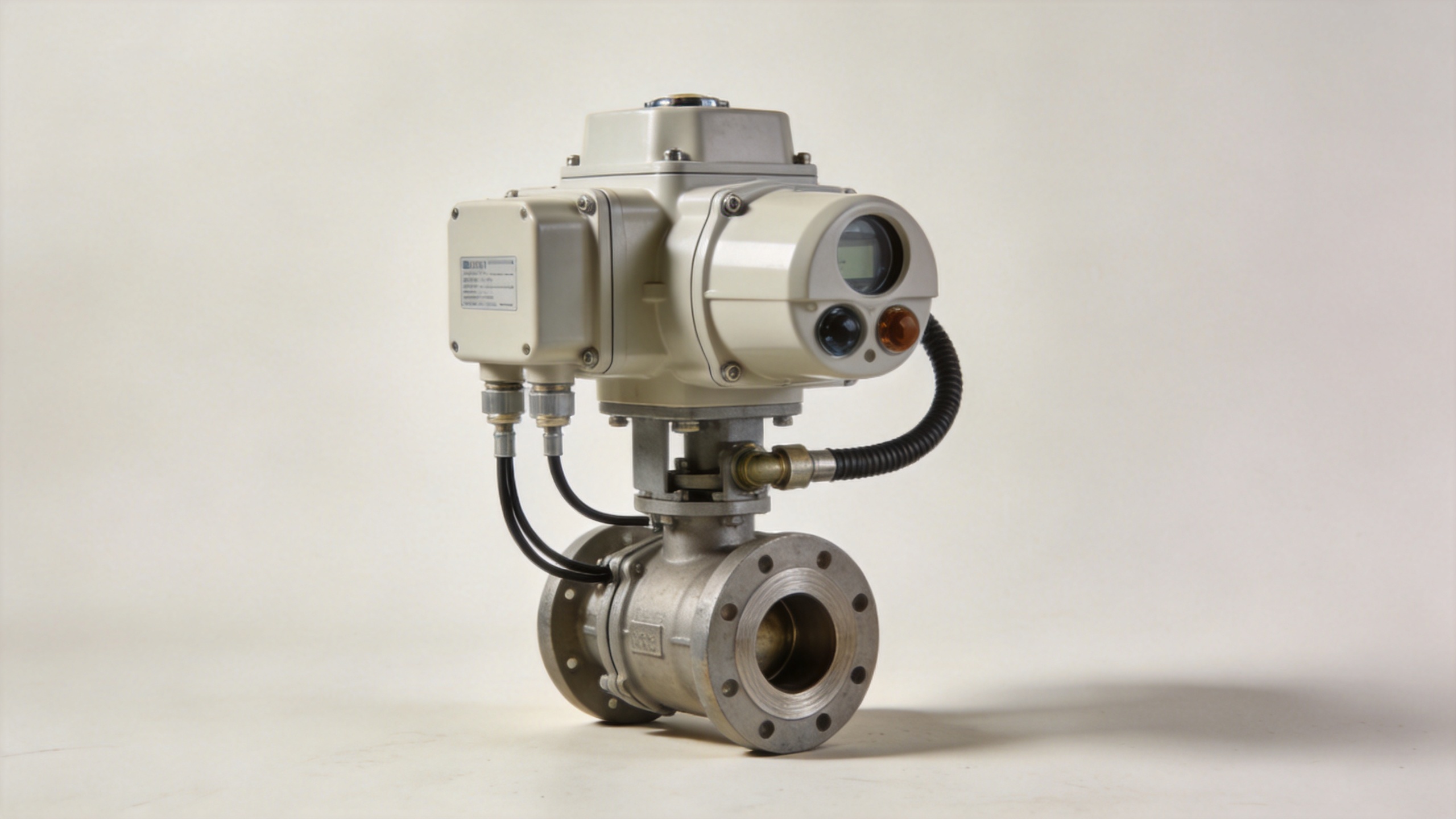
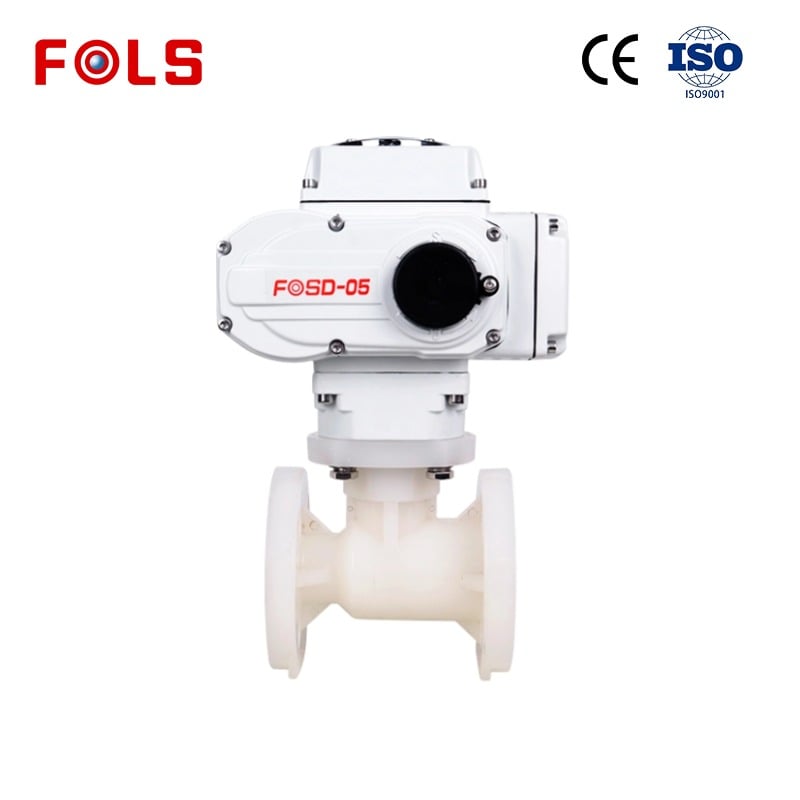
In a modern fluid-control system, the valve is only one part of the decision. An Electric Actuator turns a command from a control system into the rotary or linear movement that opens, closes, or modulates that valve. That link between a signal and physical flow control is why the component matters in water treatment, process lines, building services, and many automated pipe networks.
From an automation-control perspective, an Electric Actuator should be considered alongside the medium, pressure, temperature, valve type, and control objective. A device that moves a valve in a benign indoor application may not suit frequent cycling, outdoor exposure, or a process where position feedback is needed. The useful question is not simply whether an actuator is electric; it is whether the Electric Actuator, valve, controls, and operating conditions form a workable assembly.
Why an Electric Actuator changes fluid-control work
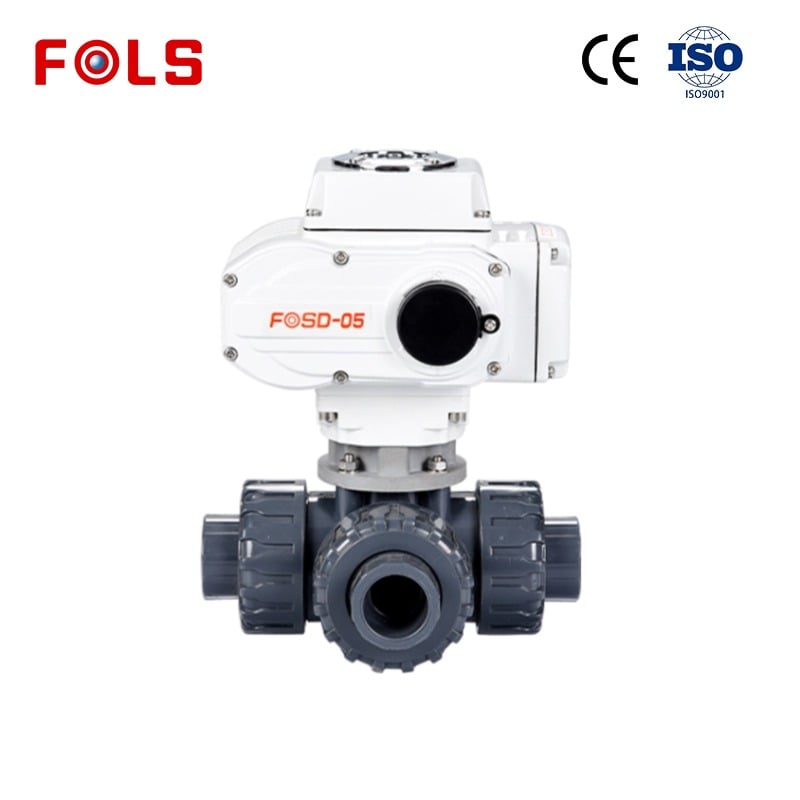
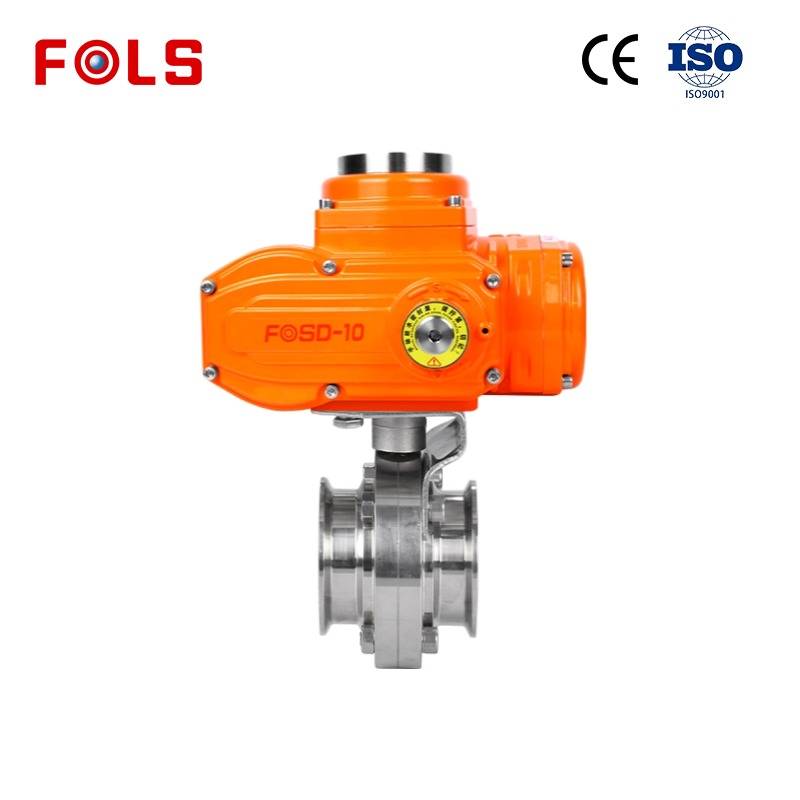
Manual operation depends on someone being present at the right time. Pneumatic operation depends on a suitable, reliable air supply and the supporting equipment around it. An Electric Actuator uses electrical power and a motor-and-gear mechanism to move the final control element, making remote operation practical where electrical infrastructure and control wiring are available.
This does not mean electric actuation is automatically the right choice. It does mean an Electric Actuator can provide a direct route from a switch, controller, or supervisory system to the valve. In a fluid process, that route can support scheduled isolation, level-related control, sequencing, alarm response, and repeatable valve positioning when the specification includes the necessary feedback and control functions.
For technical buyers, the advantage is often clarity of integration. The same project discussion can cover supply voltage, control signal, position indication, local controls, cable entry, and the valve mounting connection. That makes it easier to identify unknowns before installation rather than treating the actuator as an isolated accessory.
Match the movement to the valve, not just the name
An Electric Actuator for a quarter-turn ball, butterfly, or plug valve has a different mechanical task from an actuator that drives a rising-stem globe or gate valve. Quarter-turn duty is commonly expressed around angular travel and torque. Linear duty involves thrust, stroke, and the travel arrangement. An electromagnetic linear actuator may be relevant to linear motion in certain equipment, but it should not be assumed to replace a valve actuator without checking force, travel, control behavior, and mounting.
Valve torque or thrust is not a single label pulled from a catalog. It can change with differential pressure, seating or unseating conditions, packing friction, media characteristics, operating temperature, and valve condition. An Electric Actuator therefore needs a documented margin based on the actual valve and service conditions. Oversimplifying this step can lead to sluggish operation, unwanted trips, incomplete travel, or an assembly that works only under part of the expected duty.
Single parameters have value, but their value comes from the relationship to the whole system. A stated torque value, for example, should be assessed with the valve manufacturer’s torque information, the planned duty cycle, and the required operating position. If the valve is used for throttling rather than simple open-close service, position resolution and control behavior become part of that same conversation.
Control signals make the Electric Actuator useful beyond on-off duty
A basic Electric Actuator can perform open-close duty from a discrete command. More complex applications may need intermediate positioning, analog input, digital communication, position feedback, torque or travel monitoring, and fault indication. The correct functions depend on the process, not on a preference for feature count.
Consider a tank outlet valve. If the task is emergency isolation, a defined open-close command and clear status feedback may be the central requirements. If the task is maintaining a flow or level target, the Electric Actuator may need compatible modulating control and feedback that the controller can interpret. In either case, the control philosophy should define what happens on power loss, communication loss, or a detected fault. A standard motorized actuator does not automatically provide a fail-safe position; that needs explicit verification in the selected design and system architecture.
A solenoid actuator is also sometimes discussed in automated fluid systems, especially where rapid direct action or pilot operation is relevant. Its operating principle and duty characteristics differ from a motor-driven Electric Actuator. Treating those terms as interchangeable can obscure the actual motion, force, travel, and energy requirements of the application.
Environmental fit protects the operating plan
The enclosure and installation environment deserve the same attention as the motion mechanism. Dust, washdown, rain, condensation, ambient temperature, vibration, corrosive atmosphere, and available maintenance access can all influence an Electric Actuator selection. NEMA enclosure documentation, for example, describes different degrees of protection against solids and water; the project team should confirm the applicable enclosure classification rather than treating all ratings as equivalent.
Cable glands, conduit layout, mounting orientation, handwheel access, and space to remove covers are practical details that may decide whether the Electric Actuator remains serviceable. In a crowded pipe rack, an actuator that fits the valve flange but blocks wiring access is not yet a fully resolved installation. This is why an early layout review has value.
Commission the complete valve-and-actuator assembly
Commissioning should test the assembly, not merely energize the Electric Actuator. First, verify the mechanical mounting, travel direction, stops, and coupling. Then confirm that the actual valve reaches its intended open and closed positions without binding. After that, check local operation, remote commands, feedback signals, alarms, and any interlocks at the control system.
For control-valve projects, applicable inspection and routine-testing requirements may be informed by the IEC 60534 series. The project specification should state which documents and tests apply; an article cannot establish compliance for an unspecified product. That boundary is important because fluid-control reliability depends on verified configuration, not on general descriptions alone.
During handover, record the configured travel, operating time, control mode, wiring identifiers, environmental assumptions, and maintenance notes. Those records help maintenance teams distinguish a valve problem from an Electric Actuator or signal issue later.
A practical specification checklist
Before finalizing an Electric Actuator, bring the engineering, operations, and procurement questions together:
- What medium, pressure, temperature, and flow-control objective define the valve duty?
- Is the valve quarter-turn or linear, and what verified torque, thrust, travel, and mounting connection are required?
- Is the intended function on-off isolation, modulating control, or a sequence with defined interlocks?
- Which power supply, command type, feedback, local controls, and communication connections must the Electric Actuator support?
- What should happen after loss of power or control signal, and does the selected arrangement provide that behavior?
- Which enclosure, corrosion, temperature, access, and maintenance conditions apply at the installation point?
- Which inspection, test, wiring, and commissioning records are required before the system is accepted?
Conclusion
An Electric Actuator is essential for modern fluid control because it connects a valve to deliberate, repeatable, and potentially remote control. Its value does not come from the motor alone. It comes from a well-matched combination of valve mechanics, controls, environment, operating duty, and verification. Start with the fluid conditions and required response, then confirm the motion, mounting connection, signal, enclosure, and commissioning details. That approach gives an Electric Actuator a clear role in a dependable fluid-control system.
 Hot News





