
 EN
What Is Flanged Butterfly Valve And Its Structural Design?
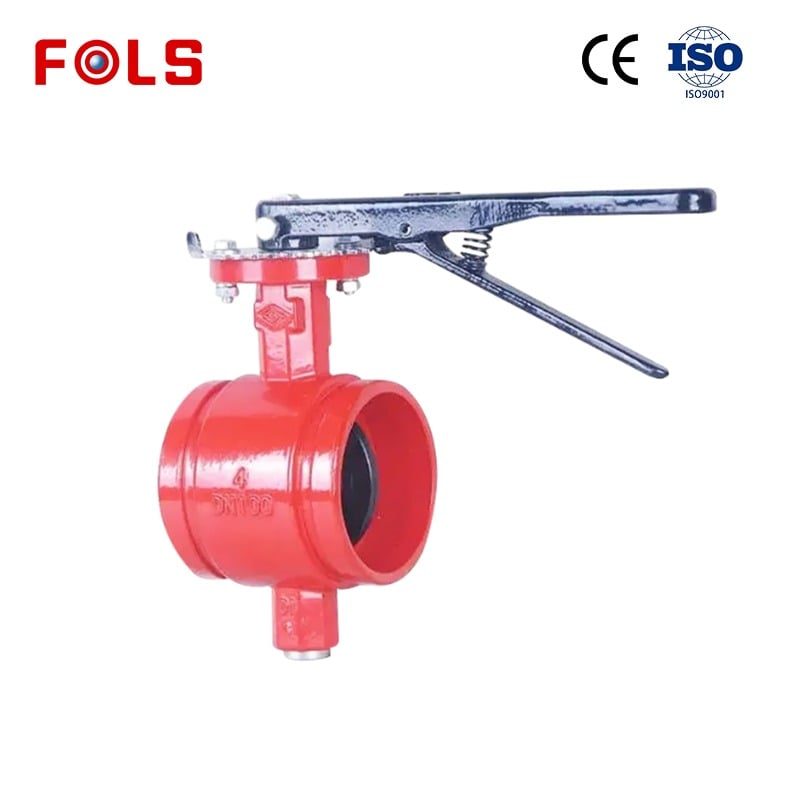
A flanged butterfly valve is a quarter-turn valve with a rotating disc inside a body that bolts to mating pipe flanges. Turning the disc changes the open area through the line; at the closed position, its edge meets a seat to restrict flow. For an engineer or buyer, the important question is not just whether the valve fits the pipe. The connection, sealing surfaces, disc movement and operating device must suit the same service conditions.
In a drainage or process line, a flanged butterfly valve may be chosen where a bolted joint and a compact flow-control element are useful. The name describes the connection and operating principle, not a promise that a particular unit suits every fluid, pressure or isolation duty. Check the actual design and the manufacturer's documentation before specifying it.
How does a flanged butterfly valve work?
The shaft carries the disc across the flow passage. In a typical quarter-turn design, rotating the shaft about 90 degrees moves the disc between closed and fully open positions. When open, the disc presents a narrower profile to the flow but remains within the passage; when closed, the disc edge engages the seat. A handle, gear operator or actuator supplies the turning force.
Some designs can regulate flow at intermediate positions, but a flanged butterfly valve is not automatically suitable for every throttling application. Differential pressure, velocity, vibration, cavitation and the desired control range can affect service life and controllability. Ask the supplier to verify the specific duty rather than treating the disc position as a calibrated flow measurement.
Structural components and their functions
Body and end flanges
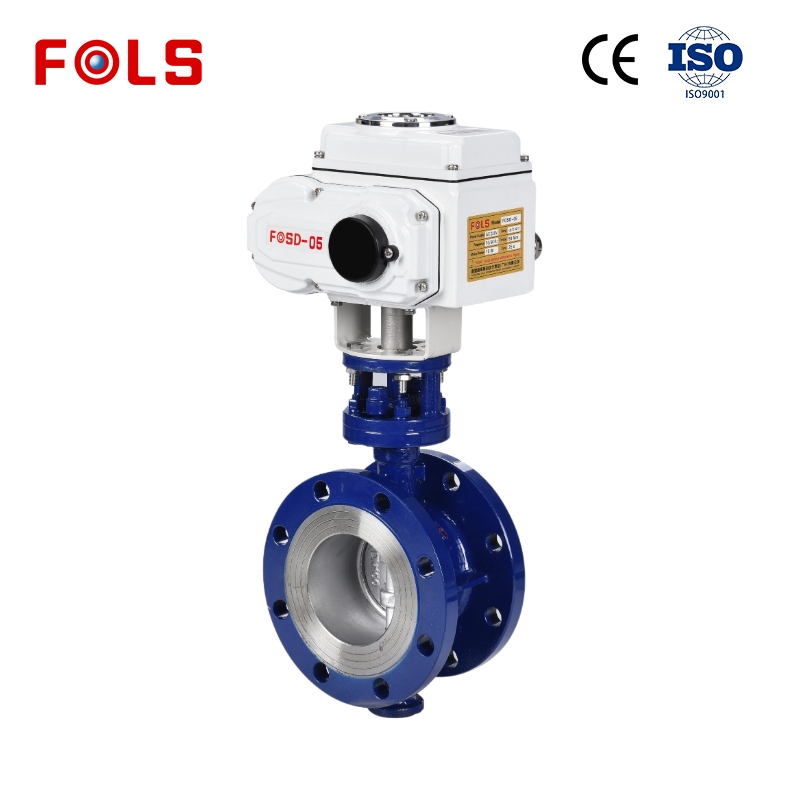
The body forms the pressure-containing boundary and supports the internal parts. A flanged butterfly valve has flanged connection faces that mate with the pipework; on a double-flanged body, each end is bolted to its corresponding pipe flange. The flange drilling pattern, facing and dimensions must match the mating connection. A matching bolt pattern alone does not establish that the entire valve has an acceptable pressure-temperature rating.
Face-to-face length matters when replacing an existing flanged butterfly valve. Measure the available space and review the approved dimensional drawing, including clearance for fasteners and the operator. Pipe misalignment should be corrected rather than pulled into position by tightening the valve bolts.
Disc, shaft and bearings
The disc is the movable closure element; the shaft transmits torque from the operator to it. Depending on the design, the shaft may be a single piece or a two-piece arrangement, and the means of connecting shaft to disc can vary. Bearings or bushings support the shaft and help maintain alignment. Their material and exposure to the process should be checked against the fluid and operating conditions.
Disc geometry also affects clearance. As a flanged butterfly valve opens, part of the disc can extend beyond the body into adjacent pipework. Reducers, check valves, liners or other nearby components may interfere with that movement. Compare the manufacturer's clearance drawing with the actual internal pipe dimensions before installation.
Seat and shaft sealing
The seat is the sealing surface against which the disc closes. A resilient seat and a metal seat have different material and service considerations; neither is a universal substitute for the other. Fluid chemistry, solids, temperature, required leakage performance and operating frequency all matter. For a flanged butterfly valve, confirm whether the seat is replaceable and whether its design affects the flange joint.
Shaft sealing limits leakage along the stem passage. Seal construction differs by model, so ask what materials contact the fluid and what maintenance access is required. Some resilient-seat designs incorporate a sealing face at the flange and do not call for separate gaskets; other designs do. Follow the instructions for the specific valve instead of applying a blanket rule.
Manual or automated operator
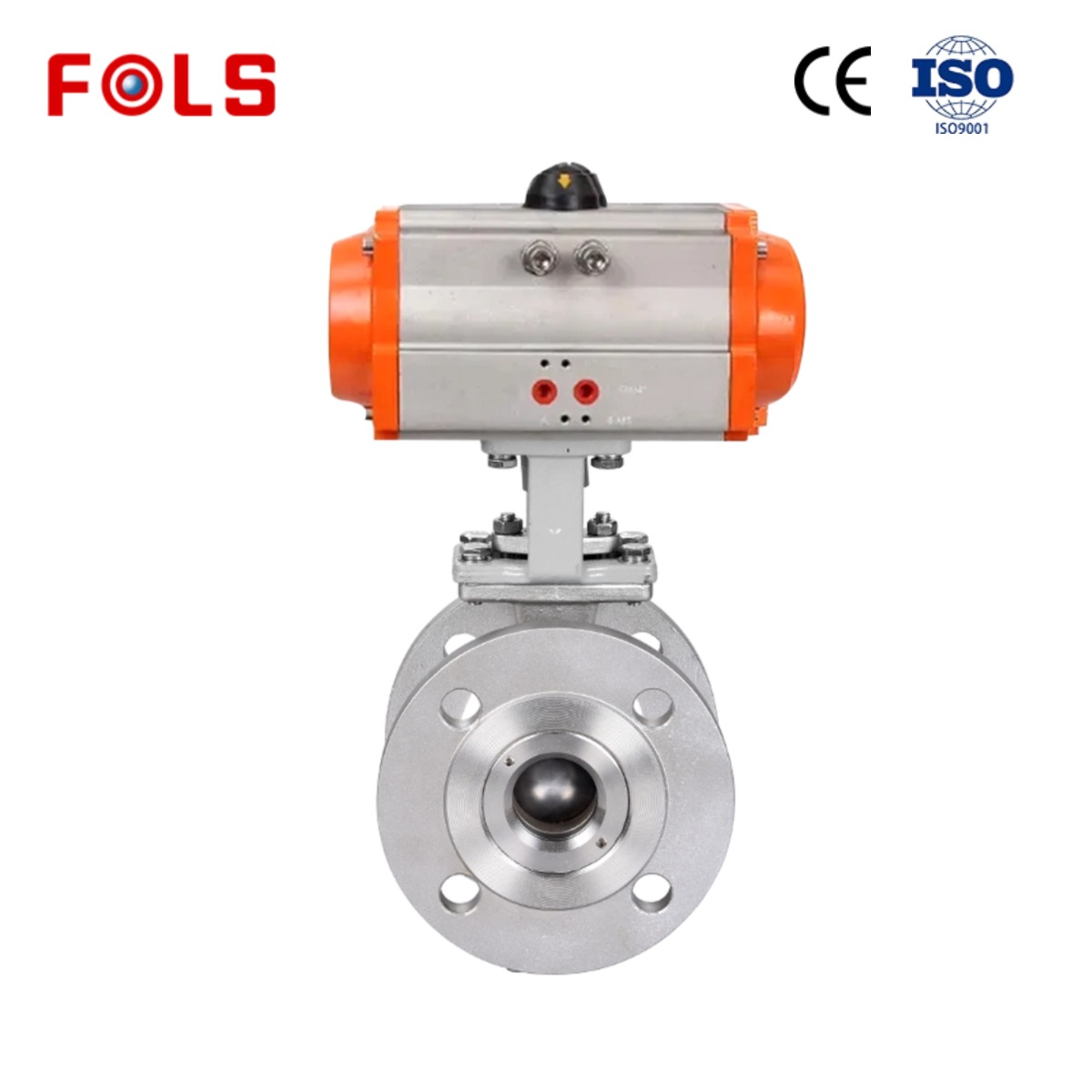
A lever can operate some smaller valves; a gearbox, electric actuator or pneumatic actuator may be specified according to torque and control needs. For an automated flanged butterfly valve, size the actuator for the valve's required torque under the actual differential pressure and expected service conditions. Also confirm mounting connection, power or air supply, signal requirements, travel stops and the required position on loss of supply.
Concentric and offset designs
In a concentric arrangement, the shaft and disc are positioned on the centerline of the body, with the disc engaging the seat as it closes. Offset designs shift the shaft and sealing geometry; the exact motion and sealing behavior depend on the manufacturer's design. The terms double offset and triple offset describe different arrangements, not interchangeable performance ratings.
When comparing a flanged butterfly valve with another design, ask for its allowable pressure and temperature together, the permitted flow directions, seat leakage criteria and operating torque. A project may also specify a flange standard such as ASME B16.5 where applicable. The standard and class identify connection and rating requirements, but the complete assembly's limits depend on its materials and construction.
Installation and selection checks
Before ordering a flanged butterfly valve, assemble the information that affects both the valve and the line. This reduces avoidable clarification during quotation and exposes issues that a nominal pipe size alone cannot resolve.
- Service: Identify the fluid, concentration, solids, operating and design pressures, temperature range, flow direction and shutoff expectations.
- Connection: Confirm nominal size, flange standard and class, facing, bolt pattern, face-to-face dimensions and space for installation.
- Materials: Review the wetted body, disc, shaft and seat materials against the fluid and cleaning conditions.
- Operation: State whether isolation or modulation is required, how often the valve cycles, and whether local, electric or pneumatic operation is needed.
- Access: Verify disc swing, adjoining pipe bore, operator clearance and the proposed maintenance method.
For example, a wastewater line with suspended solids may need a different seat and cleaning assessment from a clean water line. That is a hypothetical comparison, not a claim about a particular installation. In either case, the final flanged butterfly valve selection should be reviewed against the plant's design criteria and the supplier's approved data.
How does it relate to other valve functions?
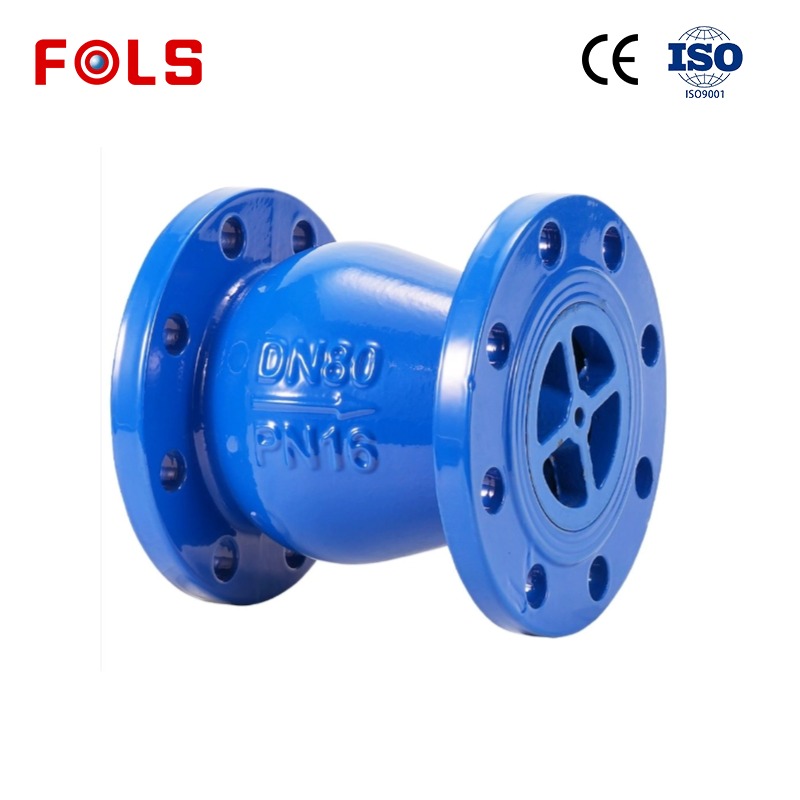
A butterfly valve changes flow when an operator moves its disc; a stainless steel ball check valve is normally selected for a different purpose: allowing flow in one direction and responding to reverse flow without an external actuator. They are not direct substitutes. If both are installed close together, verify the butterfly disc clearance and each device's flow-direction requirements.
Similarly, buyers consulting double block and bleed valve manufacturers should distinguish a specified double-block-and-bleed arrangement from a single butterfly valve. A single disc and seat should not be assumed to provide the same isolation and bleed function. The required isolation method, leakage verification and safe work procedure belong in the engineering specification.
What should a buyer ask next?
Send the service conditions, connection details and control requirements with the request for quotation. Ask for a dimensional drawing, pressure-temperature limits, material list, torque data and installation instructions for the proposed flanged butterfly valve. FOLS Valve's industrial valve and automation focus makes these valve-body and actuator questions relevant to an initial technical discussion, while the proposed configuration still needs confirmation against the application.
 Hot News





