
 EN
How Does Manual Ball Valve Ensure Reliable Isolation?
A Manual Ball Valve is often chosen when an operator needs a direct, visible way to stop flow. Its quarter-turn handle makes the operating state easy to understand: handle aligned with the pipe generally indicates an open bore, while a perpendicular handle indicates a closed bore. Yet reliable isolation is not created by handle position alone. A Manual Ball Valve performs as intended when the ball, seats, stem seal, body joints, line conditions, and operating practice are considered together.
From a pipe-system user’s perspective, the useful question is not “Is this a Manual Ball Valve?” but “Can this particular valve isolate this medium at this pressure and temperature, with the required maintenance access?” That distinction helps a project team avoid treating a catalog label as a service conclusion.
The shutoff mechanism inside a Manual Ball Valve
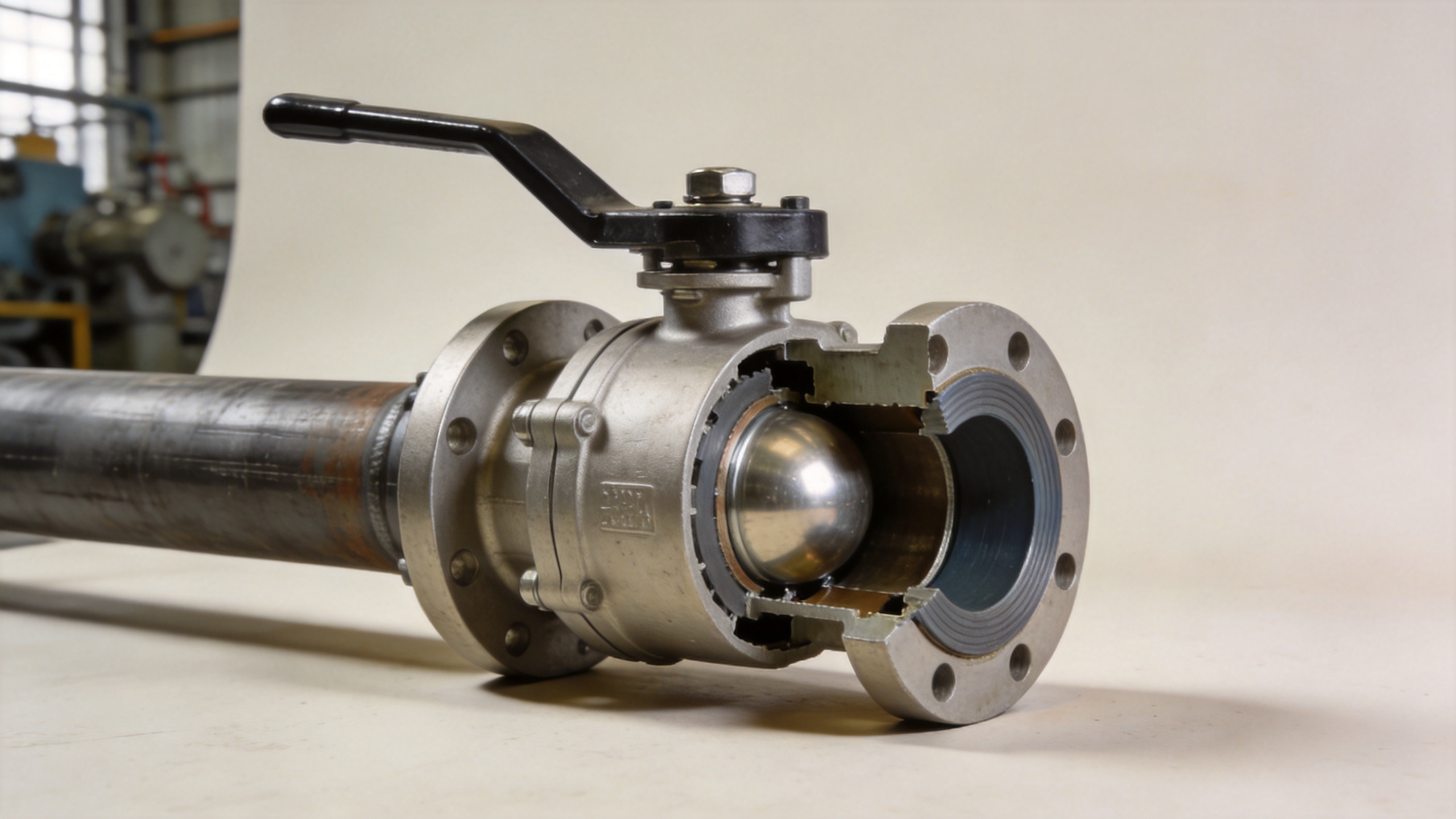
The working element of a Manual Ball Valve is a drilled spherical ball. In the open position, the bore aligns with the pipe and gives the fluid a relatively direct path. Turning the handle rotates the ball about 90 degrees. The solid face of the ball then faces the flow path, while seats on both sides press against the ball and form the primary sealing contact.
This simple geometry gives a Manual Ball Valve two practical advantages for on/off duty: a short operating stroke and a clear mechanical relationship between handle movement and closure. The stem transfers torque from the handle to the ball, and stem packing limits leakage along the stem. Body seals, end connections, and seat loading also matter. If any one of these sealing or connection boundaries is unsuitable or damaged, a closed Manual Ball Valve may not deliver the isolation expected by the system.
It is more accurate to describe ball valves as designed for shutoff service than to assume every Manual Ball Valve has the same leakage performance. Seat design, material, differential pressure, temperature, media chemistry, and applicable test criteria determine the acceptable result for a specific model.
What makes isolation reliable in actual service?
Reliable isolation begins with a matched specification. Before selecting a Manual Ball Valve, document the medium, normal and upset pressure, temperature range, line size, end connection, operating frequency, and whether the valve is only a local block point or part of a safety procedure. For hazardous, sterile, abrasive, high-temperature, or high-cycle service, the project should confirm the model’s construction and test documentation rather than infer suitability from the valve style.
- Seat compatibility: Soft seats can provide effective contact with the ball, but their behavior changes with temperature, chemical exposure, pressure, and wear. Metal-seat arrangements have different trade-offs and must be assessed against the duty.
- Ball and bore condition: Scratches, deposits, trapped solids, or corrosion on the ball can interfere with seat contact. A Manual Ball Valve should be operated and inspected in line with the service plan.
- Stem sealing: A closed flow passage does not address external leakage at the stem. Packing design, adjustment procedures, and cycling history matter.
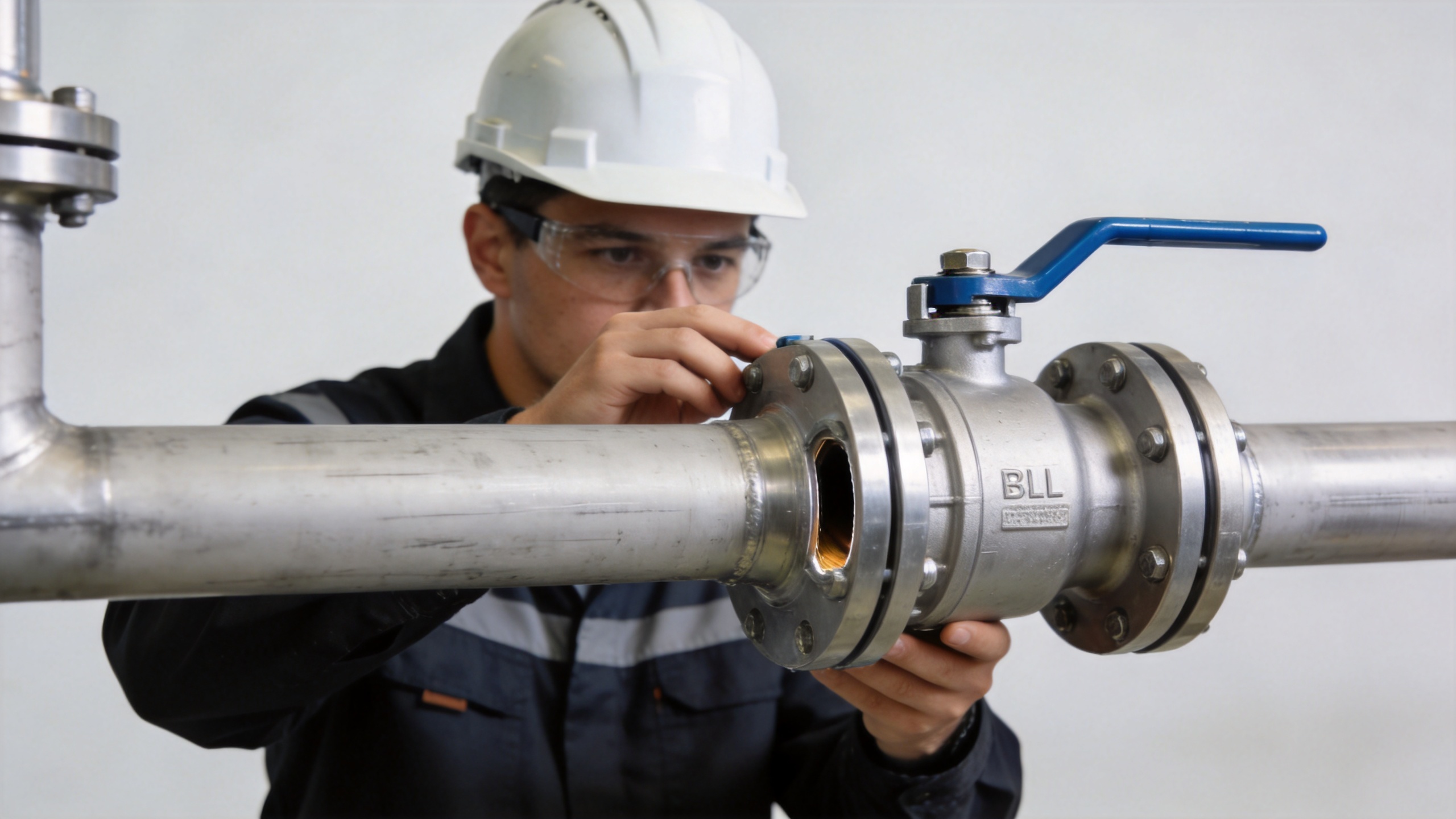
- Connection integrity: Threaded, flanged, welded, or sanitary clamp connections need their own correct installation and inspection practices.
- Human operation: A Manual Ball Valve depends on access to the handle, adequate turning clearance, and a procedure that confirms the intended position.
In procurement discussions, state the required shutoff test, test medium, and acceptance criteria. API 598 is commonly used as a reference for industrial valve inspection and pressure testing, but the applicable standard and acceptance level still need to match the valve, service, and project specification. A test report for one condition is not a blanket statement for every operating condition.
Why full closure is only one part of the isolation plan
Closing a Manual Ball Valve stops the intended process path, but upstream energy, downstream pressure, thermal expansion, and residual liquid can remain important. Lockout, bleed points, double-block arrangements, venting, or line-draining procedures may be required by the site’s process and safety rules. The valve supports isolation; it does not replace the entire isolation procedure.
A practical field check follows a sequence: identify the line and flow direction, operate the Manual Ball Valve to its defined stop, verify the handle indication, check for visible external leakage where safe, and then follow the site’s approved method for confirming pressure isolation. The final verification method should be appropriate to the system. Do not rely on force applied to the handle as a substitute for diagnosis if the valve will not seat normally.
Selection details that are easy to overlook
Port geometry matters. A full-port Manual Ball Valve can reduce restriction compared with a reduced-port construction, but that alone does not decide the selection. Consider pressure drop, pigging needs, solids, cleaning, available torque, and allowable installation space. Also check whether the lever can rotate through its travel after insulation, adjacent piping, or guards are installed.
For repetitive manual use, operating torque deserves attention. Torque can rise as seats wear, deposits accumulate, or service conditions change. If frequent cycling, remote operation, interlocks, or a defined fail position are required, an actuated configuration may deserve evaluation rather than forcing a Manual Ball Valve into a duty that no longer fits manual control.
Where butterfly valves fit into the discussion
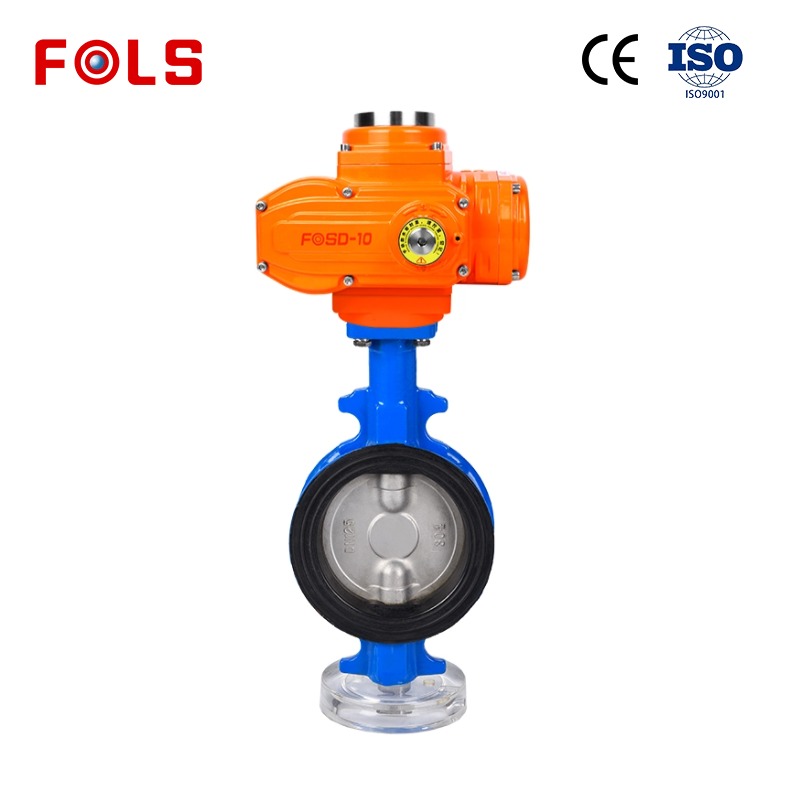
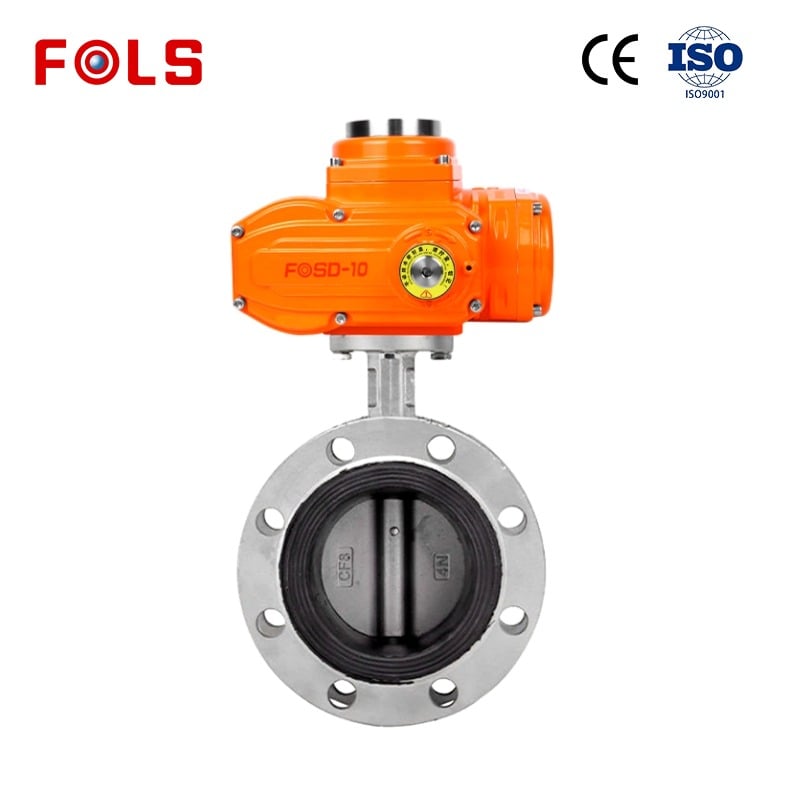
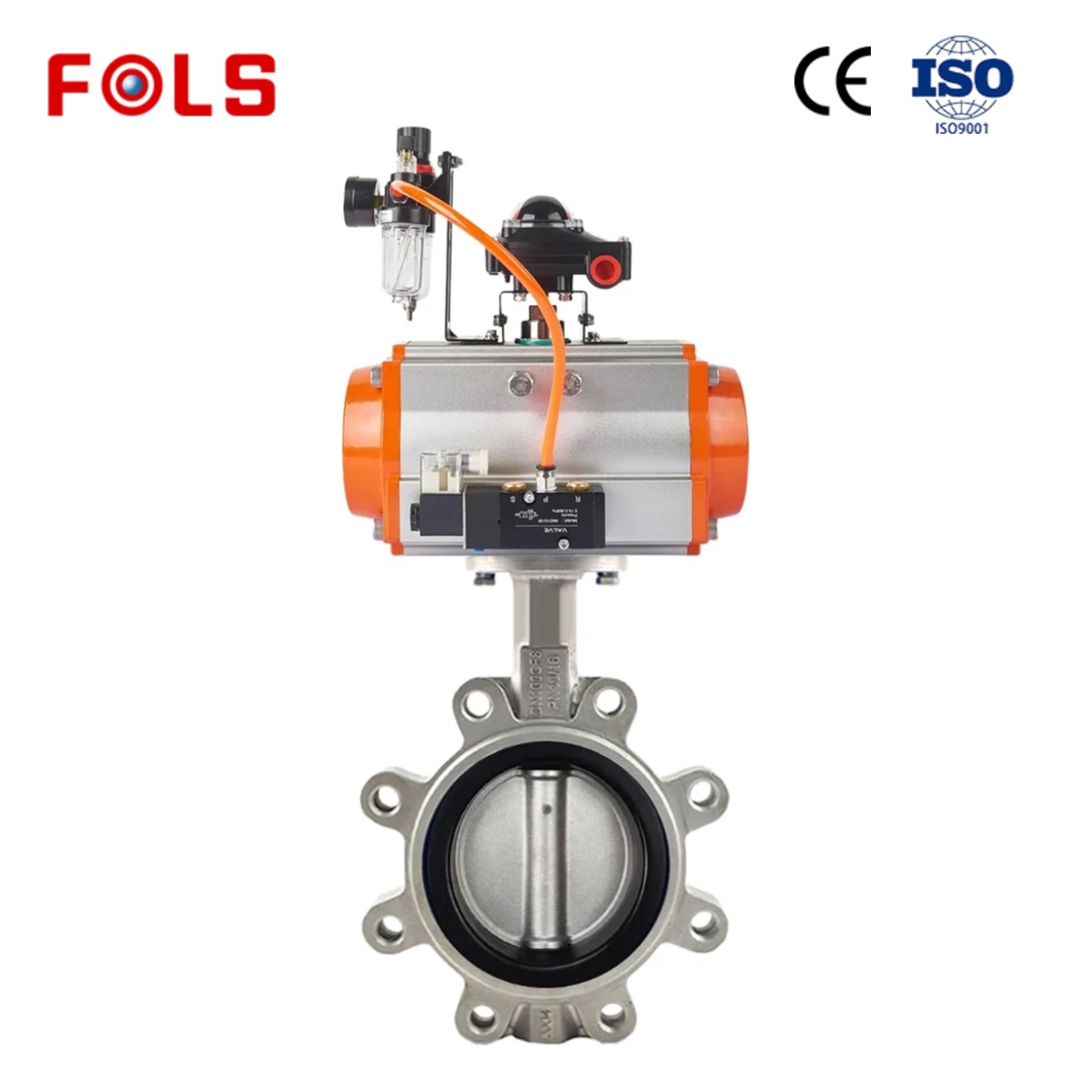
A 2 inch butterfly valve may be considered where its compact wafer-style body, connection arrangement, and control needs suit the line. It should not be treated as an automatic replacement for a Manual Ball Valve. Compare the actual sealing construction, pressure-temperature limits, disc clearance, media, cleaning needs, and desired flow behavior. For a small line, a 2 inch butterfly valve can be a reasonable option in some layouts, while a Manual Ball Valve may offer a different bore and shutoff approach.
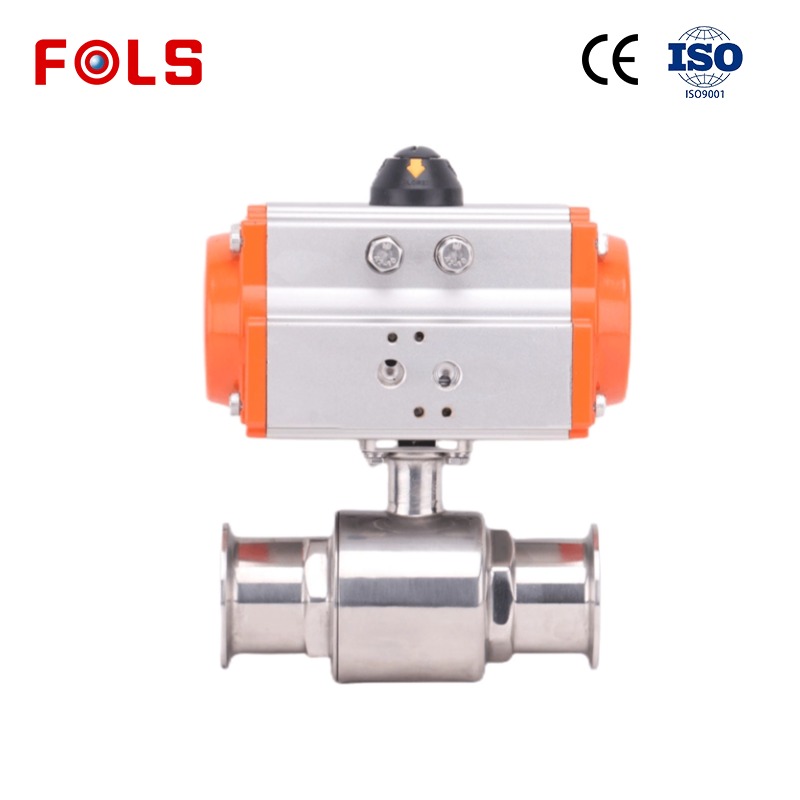
Likewise, hygienic butterfly valves are typically assessed around cleanability, drainability, sanitary connections, elastomer selection, and the documented requirements of the process. Hygienic butterfly valves and a Manual Ball Valve should be compared against the process specification, not only by price or nominal size. If a process requires validated cleaning or specific surface and seal details, obtain the relevant product documentation before selecting either design.
Maintenance actions that preserve isolation performance
Isolation reliability is easier to sustain when operators record abnormal torque, leakage observations, sticking, and cycling history. During planned maintenance, examine the handle and stem area, body joints, accessible fasteners, and signs of corrosion or deposits. Where the design permits service, use the manufacturer’s instructions for disassembly, seat replacement, reassembly torque, and retesting. Substituting materials without compatibility review can change the behavior of a Manual Ball Valve.
A useful maintenance record identifies the valve tag, service, observed condition, work completed, and the post-maintenance test method. This creates a traceable basis for deciding whether the Manual Ball Valve remains appropriate for its duty or whether the line conditions call for a revised configuration.
A concise specification checklist
- Define the medium, concentration, solids content, pressure, temperature, and flow direction.
- Confirm size, end connection, body and ball materials, seat material, and port arrangement.
- State the required Manual Ball Valve operating frequency and available handle clearance.
- Specify the applicable inspection or pressure-test requirement and acceptance criteria.
- Confirm whether the process needs lockout, venting, bleed capability, or additional isolation devices.
- Request drawings, material information, and test documentation for the exact configuration.
Conclusion
A Manual Ball Valve achieves reliable isolation through a quarter-turn ball-and-seat seal supported by compatible materials, sound installation, appropriate operation, and verifiable testing. The design is straightforward, but the service decision is not. By matching the valve to the medium and operating conditions, defining the test expectation, and maintaining the sealing contacts, a team can make the Manual Ball Valve a dependable part of a broader isolation procedure.
 Hot News





