
 EN
Gate Valve Applications In Water Distribution Networks
A water main may run for years without an interruption, but a repair crew still needs a practical way to isolate it. A gate valve gives network operators an on/off point for separating a pipe section, branch, or piece of equipment from the rest of the system. Its value depends not just on the valve itself, but also on where it sits, whether crews can reach it, and whether its condition is known before an emergency.
For utility engineers and purchasing teams, the useful question is not simply which gate valve to buy. It is what section must be isolated, under what pressure, and how the valve will be operated and maintained. Use the applications and checks below as a starting point for that discussion.
How a gate valve fits into a distribution network
A gate valve moves a gate across the flow path to stop or permit flow. In the open position, suitable full-bore designs offer a relatively clear passage. In the closed position, the gate and seats form the isolation boundary. Actual head loss, leakage limits, and operating torque depend on the particular design and installation, so confirm them in the supplier's documentation.
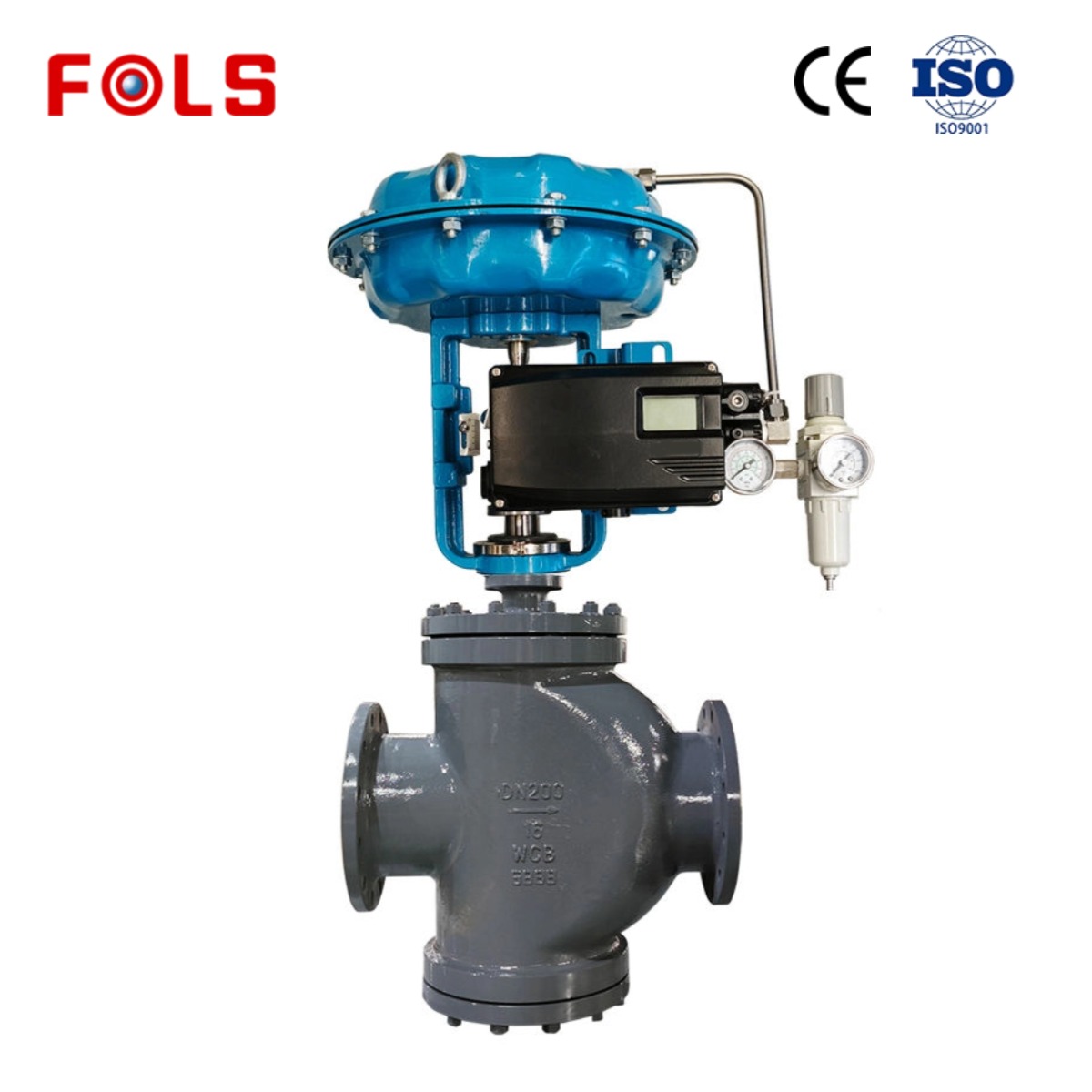
The normal duty is isolation, not continuous adjustment. Holding a conventional gate valve partly open for extended periods can expose the gate and seats to damaging flow conditions, and its position is not a precise flow-control signal. If the network must control pressure or flow continuously, assess a dedicated water regulating valve for that duty and use isolation valves around it as the design requires.
Where utilities use gate valves
Sectional isolation on distribution mains
Operators divide a main into manageable sections so that a damaged pipe or planned connection can be isolated without shutting down an unnecessarily large area. A gate valve at selected junctions can form one boundary of an isolation zone. The number and location of boundaries should follow the network layout, local rules, service priorities, and an assessment of alternative flow paths.
Consider a hypothetical repair on a looped street main. Before excavation, the operator identifies every route that can feed the affected section, checks the valve map, and determines which closures are needed. Closing one gate valve may not isolate the section if another branch still supplies it. The isolation plan should also account for critical customers, pressure changes elsewhere, and procedures for confirming the section is safe to work on.
Branches, service areas, and future connections
A gate valve on a branch allows the branch to be isolated while the main remains in service, provided the rest of the network configuration supports it. This can help with a planned extension, renewal work, or maintenance on downstream equipment. Location matters: a valve hidden under pavement or inaccessible behind other assets may slow the response even if it is correctly sized.
At a network expansion point, teams should document the valve position and connection detail rather than rely on a drawing alone. Record whether the branch is normally open or closed and update operating maps after commissioning. A normally closed connection in a loop must not be opened casually; changes in flow direction can affect water quality and pressure management.
Pump stations, storage facilities, and equipment bypasses
At pump stations and storage facilities, a gate valve can isolate a line or component for inspection. It is only one part of a safe isolation arrangement: engineers must also assess check valves, pressure relief, draining, and the possibility of flow from other connected lines. A closed valve alone is not proof that a work area is depressurized or electrically safe.
Where a regulating assembly or meter needs service, upstream and downstream isolation may be part of the design. A bypass can support continuity where permitted, but its routing and operating procedure need engineering review. Confirm the direction of any regulating device and check whether bypass operation changes treatment, metering, or pressure protection.
Manual operation or remote control?
For a valve that is accessible and used infrequently, a manual operator may be a practical choice. Buried installations need an accessible valve box, a suitable operating key, and a documented opening direction. Above-ground installations need clearance for the handwheel, stem travel where relevant, and maintenance access.
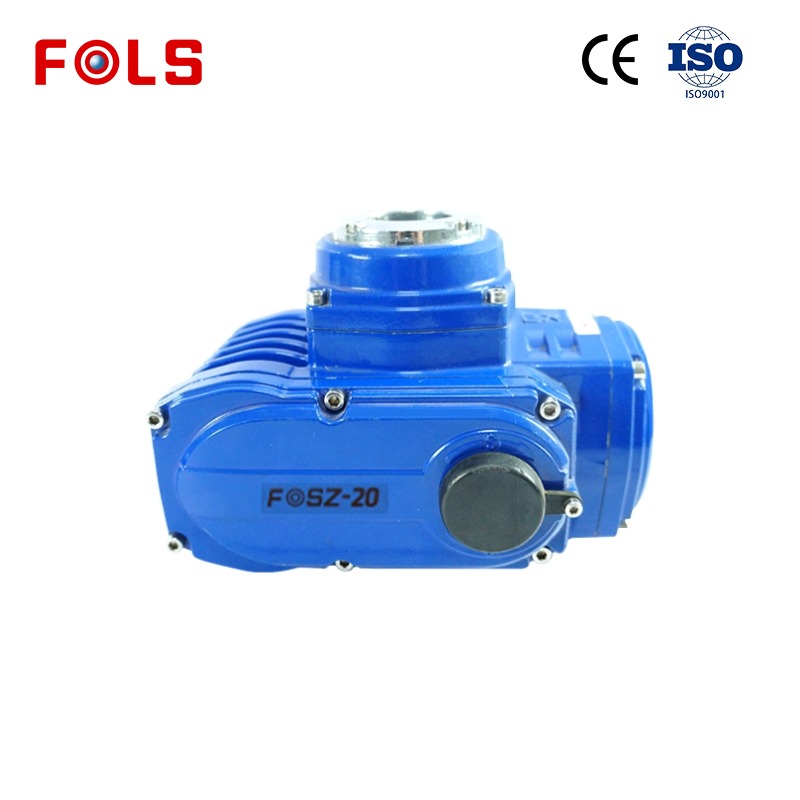
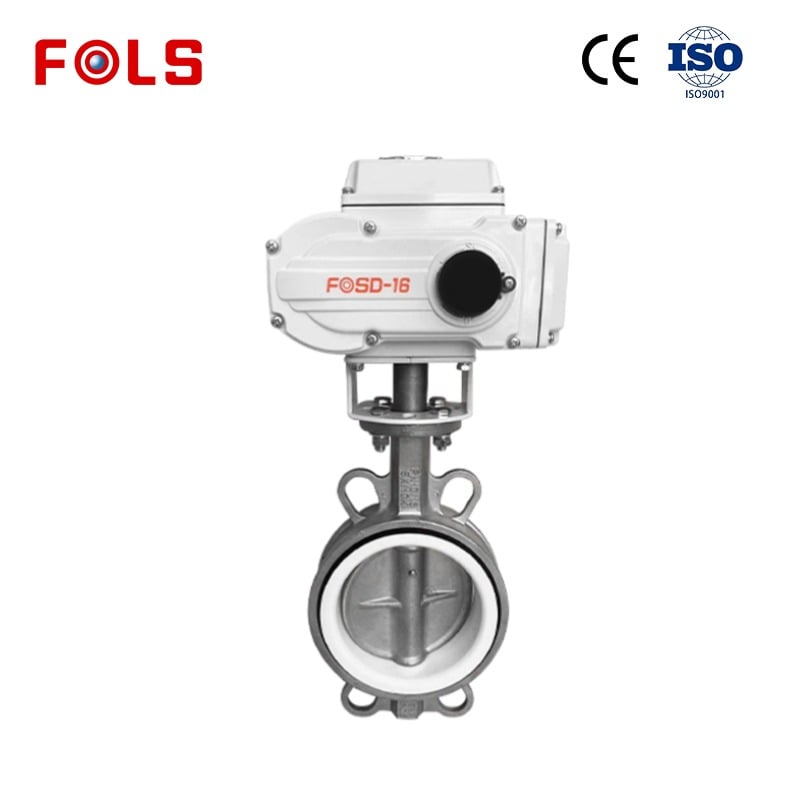
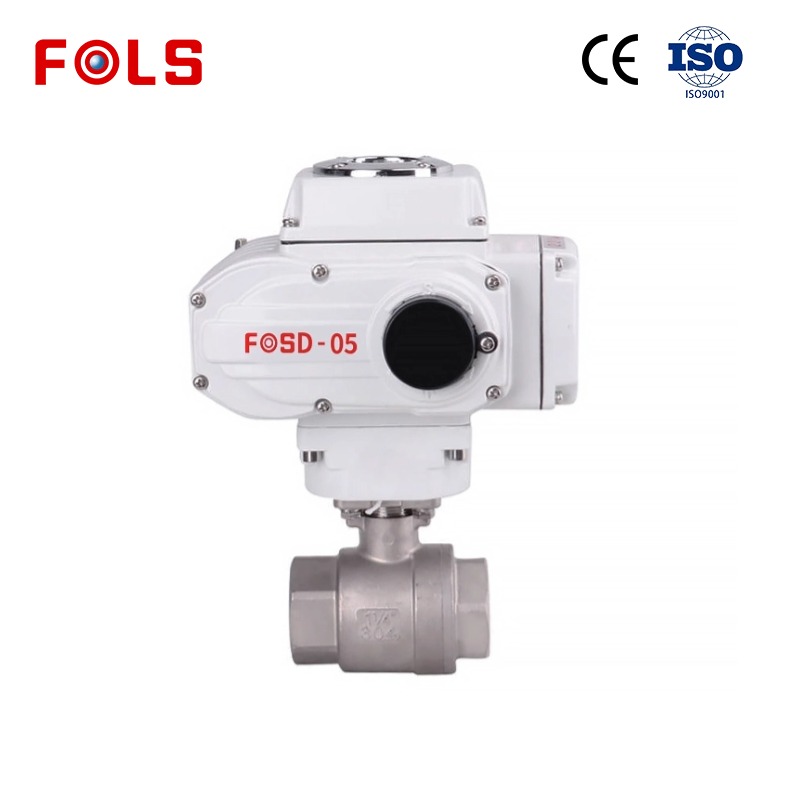
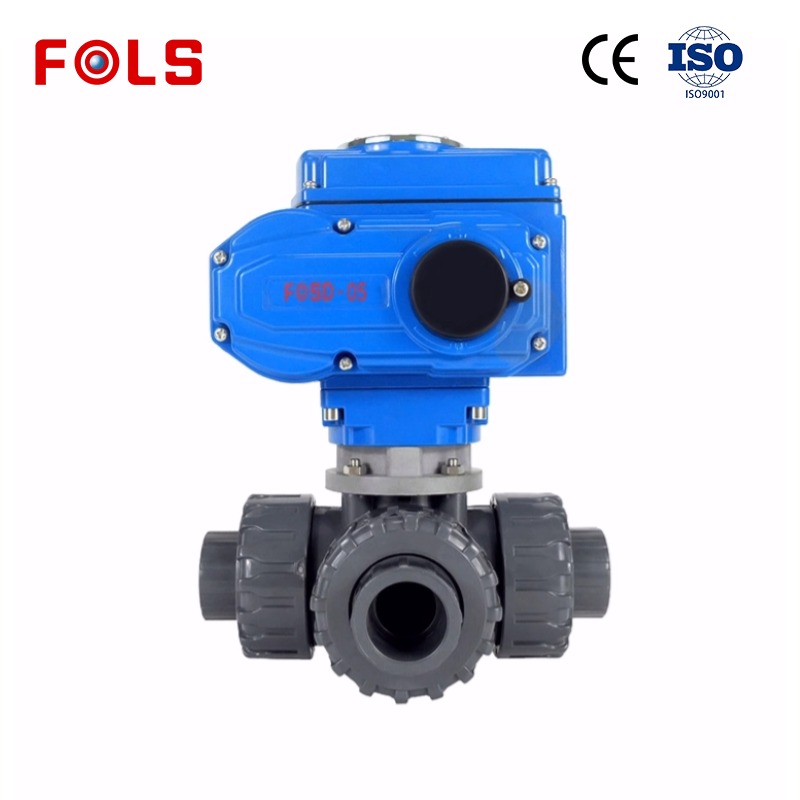
A remote control water valve arrangement may be useful at a distant site or where operators need an on/off command from a control room. Automation does not change the basic isolation duty of a gate valve. Specify actuator torque across the intended differential-pressure range, the required number of turns, opening and closing time, power supply, enclosure rating, and local manual override. Confirm how the actuator and valve connect rather than assuming that two catalog items will fit.
Remote commands also require a control philosophy. Define authorization, local/remote selection, communication-loss behavior, position indication, alarms, and what happens after a power interruption. A limit switch indicates a reported position; it does not by itself verify that the isolation boundary is watertight. Review closure speed and possible transient pressures with the system designer, especially near pumps or long mains.
Selection checks before a specification is issued
Start with the actual operating envelope and then compare candidate designs. The following checks keep purchasing, engineering, and operations teams working from the same requirements.
- Service and materials: Identify potable or non-potable water, water chemistry, temperature, and exposure conditions. For drinking water, ask for evidence that all wetted materials meet the requirements applicable in the project jurisdiction.
- Pressure and connections: Confirm nominal pipe size, maximum working and test pressures, differential pressure during operation, and the mating end connections. The valve, pipe, joints, and actuator must be compatible as a system.
- Applicable documents: Identify the project-specified edition of the relevant standard. AWWA C509 describes resilient-seated gate valves for water supply service; its mention here is not a claim that a particular product complies. Ask for the applicable certificates and test records.
- Installation and access: Check buried or chamber installation, soil or external corrosion conditions, valve box alignment, stem arrangement, lifting, and removal space. Follow the manufacturer's instructions and utility details.
- Operations: Document operating direction, turn count, expected frequency, available manual effort, actuator duty, and spares. A valve that cannot be operated or located promptly is a weak isolation point.
In a pressure-control application, do not substitute a gate valve for a water regulating valve merely because both are installed in a water line. One primarily establishes an isolation boundary; the other is selected to perform the specified control function. The complete assembly may need both, depending on the engineering design.
Commissioning and maintenance in the field
Before putting a new gate valve into service, check identification, orientation where specified, joint installation, coating condition, and access. Conduct pressure and leakage tests in accordance with the approved project procedure and supplier instructions. For potable systems, use the utility's cleaning, disinfection, sampling, and return-to-service procedures. Record the results rather than assuming that a newly installed valve is ready.
During the operating life, include the gate valve in a documented inspection and exercising program suited to the utility's procedures and local conditions. Record location, position, turn count, access problems, leakage observations, and any abnormal operating effort. Avoid forcing a seized valve; assess the cause and follow the utility's repair or replacement procedure. After any operation, verify the intended system configuration and update records.
For project inquiries, Guangzhou Fols Valve Technology Co., Ltd. describes its business around industrial valves, actuators, and control systems. A useful inquiry includes the line size, design pressures, fluid conditions, installation details, control objective, and applicable documentation. Product suitability and any certification should be verified against the proposed configuration before purchase.
Key takeaway
A gate valve is most useful when it is treated as part of a planned isolation strategy, not simply as a fitting in a pipe. Map the section it serves, choose the operating arrangement for the site, and verify materials, pressure, access, and records. For modulating duty, assess a separate regulating solution and coordinate it with the isolation plan.
 Hot News





