
 EN
Electric Control Valve Applications In Modern Plants
A treatment line, cooling loop or chemical process may need a valve to respond to changing conditions without an operator standing beside it. An electric control valve can translate a control command into valve movement, but the actuator is only one part of the decision. The fluid, required flow range, available electrical supply and safe response to a fault all matter.
From an application engineering perspective, start with the operating conditions rather than a preferred valve shape. This article looks at common plant duties and the questions that help engineering, operations and purchasing teams discuss the same requirements.
What an electric control valve does in a plant
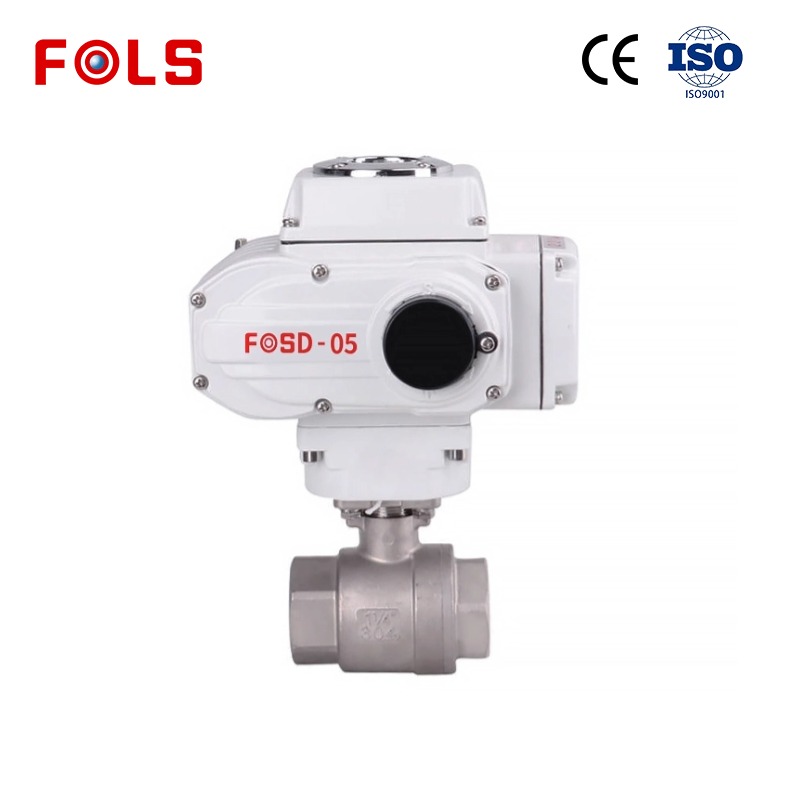
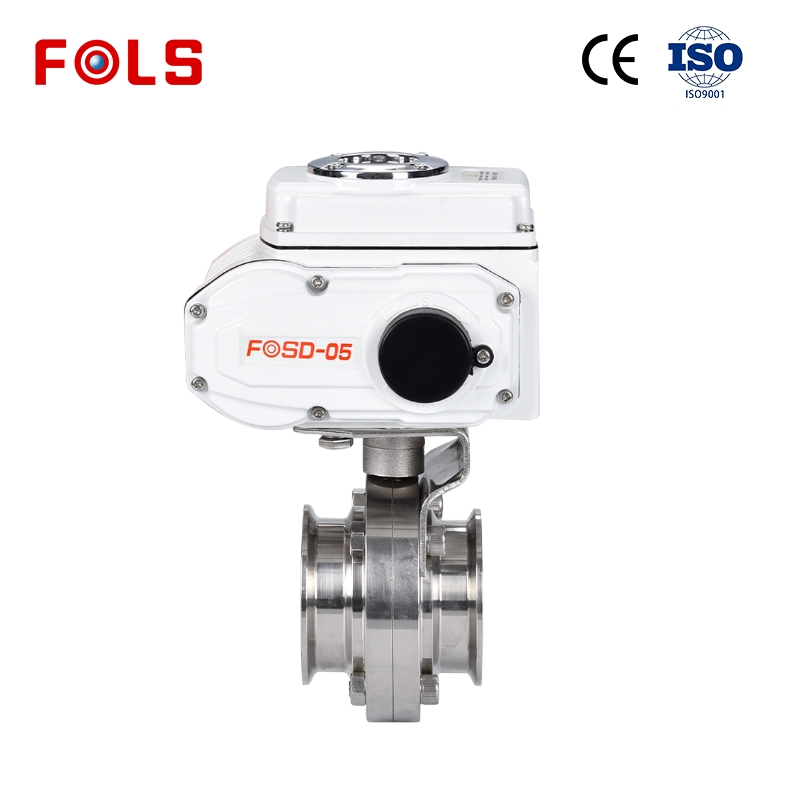
An electric control valve combines a valve body with an electric actuator. Depending on the design, the assembly may perform open-and-close duties or move to intermediate positions for modulating service. A controller can use measurements such as flow, pressure, level or temperature to determine the requested position. The valve then changes the restriction in the line; the rest of the system determines the resulting flow.
Not every motorized valve is intended for continuous modulation. Before specifying an electric control valve, distinguish between a valve that cycles occasionally and one that must repeatedly adjust its position. Verify the actuator duty rating, response time and available position feedback against the control strategy.
Where plants use electric control valves
Water and wastewater lines
In a water or wastewater facility, an electric control valve may regulate flow between process stages, manage a tank inlet or operate a bypass. Duty changes as levels and pump operation change. For a line carrying suspended solids, check the potential for fouling, seat wear and access for cleaning; a clean-water specification alone does not describe the application.
Size an electric control valve for the flow range and the pressure drop available across the valve, not simply for the pipe diameter. If local liquid pressure falls below its vapor pressure and then recovers, cavitation can damage internal parts. The supplier needs inlet and outlet conditions, temperature and flow cases to assess that risk.
Cooling water and heat transfer
In a plant cooling loop, a controller may adjust an electric control valve in response to a measured temperature. A valve that is too large for normal flow can spend much of its time near the closed position, making stable regulation harder. Consider minimum, normal and maximum demand, along with the pressure available at each condition.
Ask where the temperature sensor is located and how long the process takes to respond. A fast actuator cannot compensate for poor measurement placement or an unsuitable control tuning. Isolation arrangements and service access should also be reviewed before installation.
Chemical feed and process lines
A chemical process can use an electric control valve to adjust a feed stream or route fluid between sections of a plant. The process description must identify the actual fluid and concentration, operating temperature and pressure, and any cleaning media. Body, trim and seal compatibility require confirmation for the full operating envelope rather than a general material label.
Loss of power or a failed control signal may have different consequences. An electric control valve does not automatically move to a safe position on power loss: holding, closing or opening depends on its design and any separately provided stored energy. The plant safety review should define the required response and verify it with the supplier.
Air and utility services
Air flow control can involve a motorized valve or damper, depending on the pressure, medium and mechanical arrangement. An electric control valve on a compressed-air utility line must be selected for gas service and the actual pressure range; a valve arrangement for liquid service cannot simply be assumed to fit. Check leakage requirements, flow direction and any need for a position indication.
Electrical actuation can be useful where a suitable power supply and control wiring are available. The engineering team should still compare it with pneumatic actuation when instrument air, operating speed or fault response influences the design.
How to connect the valve to the control system
A programmable controller sends a command, and the actuator moves the valve according to its supported control mode. Some modulating actuators accept a 4–20 mA command and may provide position feedback; neither capability should be assumed without the specific actuator documentation. An on/off unit may instead use discrete commands and limit switches.
For an electric control valve, confirm supply voltage, signal type, wiring, enclosure suitability and local operating conditions. Agree on the action required for a broken signal separately from the action required for a power outage. If position feedback is needed by the control system, specify both the feedback type and the expected indication on a fault.
Do not confuse process control with hydraulic switching
A hydraulic 2 way valve describes a two-port valve used in a hydraulic circuit; the phrase alone does not establish its actuation method or whether it is designed for modulating process flow. A two-port electric control valve in a water line and a hydraulic switching valve may serve different fluids, pressure conditions and control tasks. Compare the actual circuit diagram and ratings rather than treating the names as interchangeable.
Likewise, two ports describe the flow path, not the required fail position. Ask for the approved valve and actuator configuration, the applicable pressure limits and a clear description of how the assembly behaves when its command or power is lost.
A practical specification checklist
Before requesting a quotation for an electric control valve, assemble a short operating envelope. Missing conditions can lead to a technically plausible quotation that does not fit the installed system.
- Fluid: identify composition, concentration, solids and any cleaning chemicals; confirm compatibility for wetted parts and seals.
- Process cases: provide minimum, normal and maximum flow, inlet and outlet pressures, and temperature for each relevant case.
- Control duty: define on/off or modulating operation, expected cycle frequency, required response time and acceptable leakage.
- Electrical details: state supply voltage, command signal, required feedback, cable entry and environmental conditions.
- Fault response: document the required position on signal loss and power loss, and how that position will be achieved and verified.
- Installation: confirm connection size and type, flow direction, available space, isolation and maintenance access.
FOLS Valve works in industrial valves and automation; its business focus includes electric actuators and applications such as drainage, wastewater and chemical processing. Share the actual duty conditions when discussing an electric control valve so the valve body, actuator and control requirements can be reviewed together. Final sizing, material compatibility and safety functions require verification for the specific installation.
 Hot News





