
 EN
EN
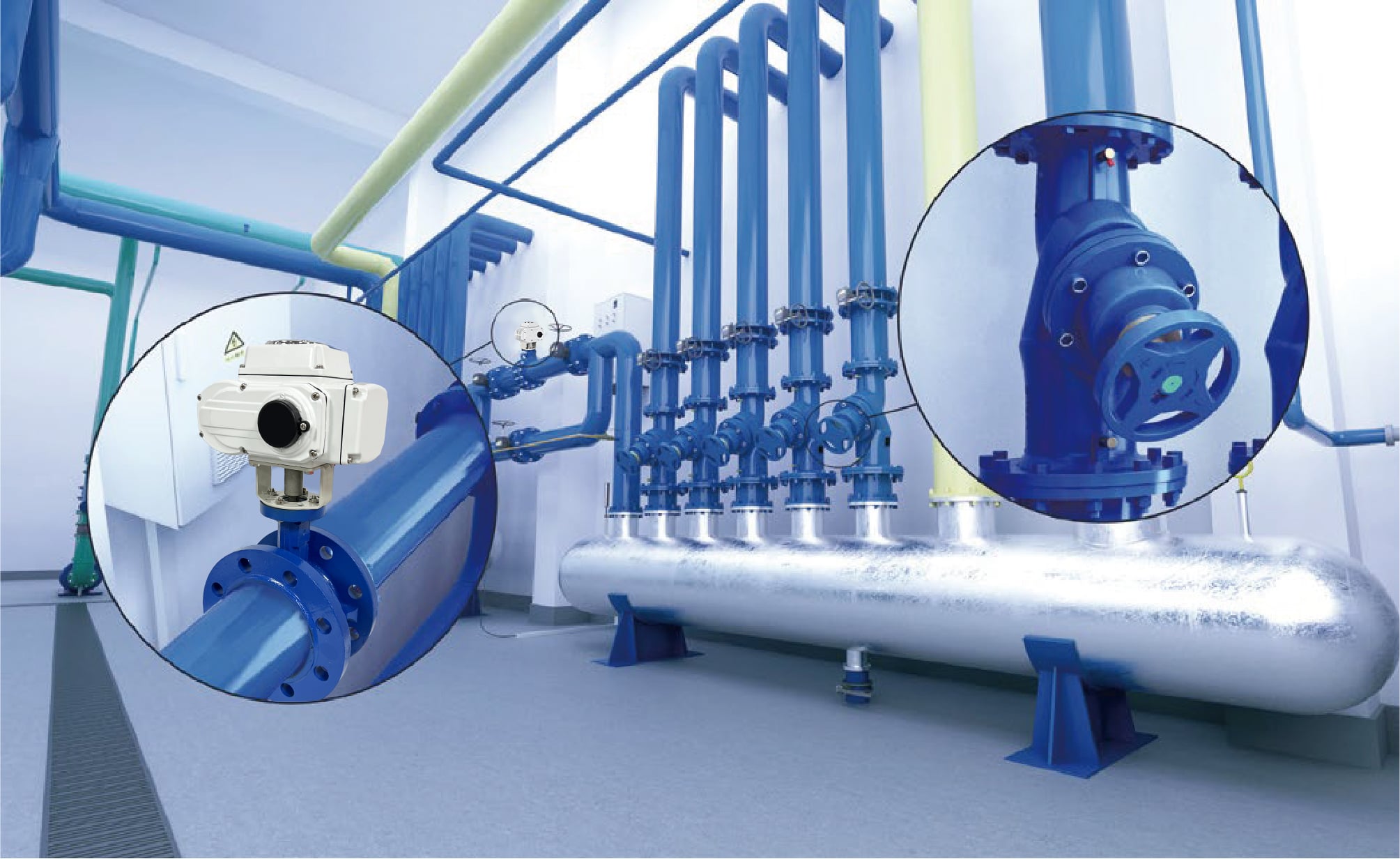
Cost, Weight, and Efficiency Advantages of Butterfly Valves
Cost-effectiveness compared to gate, globe, and ball valves
Butterfly valves offer substantial cost savings over gate, globe, and ball valves. Industry data shows they cost 20–30% less than comparable ball valves while maintaining equivalent pressure ratings. Their simplified disc-and-stem design requires fewer raw materials and less complex manufacturing, reducing upfront capital expenditure without compromising performance.
Lightweight design reducing installation and structural support costs
Butterfly valves can be up to 70% lighter than equivalent gate valves, significantly lowering installation labor and eliminating the need for heavy-duty structural supports. For instance, supporting an 8-inch carbon steel butterfly valve typically costs 30–50% less than supporting a heavier alternative, delivering savings in both material and engineering design.
Low pressure drop improving energy efficiency in fluid systems
The streamlined disc of a butterfly valve creates minimal flow resistance, reducing pressure drop by 15–30% compared to globe valves in water systems. This lower hydraulic loss directly decreases pumping energy requirements—especially impactful in high-volume applications where small efficiency gains translate into major operational savings over time.
Energy savings in water and wastewater applications due to minimal flow resistance
According to recent studies from the Hydraulic Institute (2023), cities that switch to butterfly valves for controlling water flow see around 15 to 30 percent less energy usage in their systems. The reason? These valves create much less turbulence inside those big pipes because nothing blocks the water's path completely. Pumps then don't have to work as hard to push water through, which means they run more efficiently most of the time. For places like wastewater treatment centers that need to keep running day after day without stopping, this difference really adds up over months and years. Lower energy bills plus fewer breakdowns make all the difference when managing such critical infrastructure.
Compact and Simple Structural Design for Space-Constrained Installations
Quarter-turn operation enabling fast and reliable flow control
Butterfly valves work on what's called a quarter turn mechanism basically just rotating 90 degrees to either let fluid through completely or shut off the flow entirely. The speed at which these valves operate matters a lot during emergencies such as when fighting fires or stopping processes suddenly because every second counts in those situations. Compared to other types of valves that require multiple turns, butterfly valves have simpler construction with less components moving around inside them. Fewer parts means they break down less often, are generally easier to service when needed, and tend to last longer overall without major issues cropping up unexpectedly.
Compact face-to-face dimensions saving space in complex pipeline layouts
Butterfly valves have dimensions that are roughly 85% smaller compared to traditional gate or globe valves, making them a great choice when working in tight industrial spaces where every inch counts against walls, pipes, and other infrastructure. This compact design really shines during retrofit work, since it cuts down on expensive changes needed just to fit larger valves into existing systems. Smaller size means easier maneuvering too. Workers can install these valves even in cramped spots without needing special tools or extra time.
Disc-based flow regulation allowing high flow capacity with minimal obstruction
In its open position, the thin disc inside a wafer style butterfly valve lines up with the direction of fluid movement, which creates almost no obstruction in the pipeline. The way these valves are designed gets pretty close to matching the actual flow capacity of standard piping systems, so there's minimal loss of pressure as fluids pass through. That's why many engineers go for butterfly valves when dealing with situations requiring large volumes of flow, such as those found in city water distribution networks. When pumps don't have to work as hard against resistance, they consume less power overall. Plus, since the disc sits right in the center of the valve body, it doesn't create much turbulence even when partially closed down, which means the sealing surfaces last longer before needing replacement or repair.
Wide Range of Industrial Applications and Media Compatibility
Dominant use in water treatment and municipal water systems
Butterfly valves show up in around 75% of today's water systems, from clean drinking water lines all the way through sewage treatment plants and flood control networks. The way these valves are built actually cuts down on pressure drop when water flows through big pipes, which means pumps don't have to work as hard to move things along. Cities love these valves because they seal really well even when there's grit and debris floating around in the water, plus they basically take care of themselves for years at a time without needing much attention from maintenance crews.
Chemical service compatibility through resilient seat materials (EPDM, Viton, etc.)
Butterfly valves in chemical processing often work best with certain resilient seat materials for dealing with harsh substances. Take EPDM for instance it holds up pretty well against acids and alkalis even at temperatures around 250 degrees Fahrenheit. Then there's Viton which really shines when facing off against hydrocarbons and various solvents. Getting the right materials matters a lot because otherwise these valves just break down faster when exposed to stuff like chlorine solutions or those tricky petrochemical mixtures. The difference makes itself known over time too valves made with appropriate materials tend to last anywhere from three to five extra years compared to what we see with regular setups on the plant floor.
Reliable performance in fire protection systems requiring quick sealing
When it comes to fire protection systems, speed and reliability matter most when it's time to shut things down. Butterfly valves can close completely within just five seconds thanks to their quarter turn mechanism, something that aligns well with what NFPA 25 specifies regarding sprinkler system performance standards. These valves have seals so tight they prevent even the smallest leaks at pressures exceeding 200 pounds per square inch while sitting idle. Plus, their small footprint makes them ideal for installation in tight spaces like riser rooms and near pumps, areas where both room constraints and quick reaction times become absolutely essential during emergencies.
Throttling Performance and Flow Regulation Capabilities
Throttling range and precision in industrial butterfly valves
Butterfly valves used in industrial settings work well for throttling applications between about 10 degrees to 60 degrees, giving pretty consistent and reliable flow control during this range. When looking at the 30 to 70 degree opening range, many standard models can actually hold flow control accuracy within plus or minus 5 percent based on what various fluid dynamics research has shown. These valves are different from those linear motion types which need several rotations just to make small changes. The rotating disc design gives much better proportionate control throughout its entire operation window. This makes them particularly good for large scale systems where managing partial flows needs to be done with some precision without constant readjustments.
Responsive control and fast actuation for dynamic flow management
Butterfly valves work on a quarter turn principle which means they fully open or close in just half a second to two seconds flat. That's lightning fast compared to gate valves needing anywhere from eight to fifteen full rotations. The quick response time makes these valves ideal for situations where things change rapidly, such as managing sudden surges or keeping processes balanced across different parts of a system. When paired with pneumatic actuators and hooked into real time monitoring systems, some models can tweak flows within 200 milliseconds. Water treatment plants lose around 740 thousand dollars every year fixing damage from overflows according to research by Ponemon Institute back in 2023. Faster valve reaction times help cut down those costly mishaps significantly.
Trade-offs between throttling use and seat wear in continuous modulation
While butterfly valves offer responsive throttling, prolonged partial-open operation increases turbulence against resilient seats (e.g., EPDM, Viton), accelerating wear by up to 3× compared to full-open/close cycling. This trade-off requires careful planning:
| Position | Wear Rate | Expected Service Life |
|---|---|---|
| Full open/close | Standard | 7–10 years |
| Continuous throttling | High | 2–4 years |
| Throttling with sedimentation | Severe | <18 months |
To extend seal life in continuous modulation applications, engineers recommend using disc-position controllers that minimize time spent in high-wear angular ranges, preserving integrity and reducing unplanned maintenance.
Ease of Automation and Integration in Modern Pipeline Systems
Low torque requirements enabling smaller, cost-effective actuators
Butterfly valves need much less torque to operate compared to ball or gate valves, which means they work well with smaller, cheaper actuators. The reason for this efficiency lies in how the disc is designed. Once it starts rotating around 15 to 30 degrees, the resistance plummets dramatically. Some research shows that switching to butterfly valves can cut down on actuation expenses by almost half when compared to other valve options. For companies running automated systems, this makes them a smart choice economically speaking.
Compatibility with manual, pneumatic, electric, and hydraulic actuation
Valves come with different ways to operate them, which makes setting up automated systems much more adaptable. Most plants start off using simple hand wheels for control, then move on to air powered or electric options when things get busier. When dealing with processes that run constantly, like those found in food production lines, hydraulic actuators really shine. They handle around 1000 movements each day while maintaining their accuracy over time. The ability to adjust how automated these systems become lets plant managers match their investment to what they actually need now versus spending too much upfront.
Seamless integration with SCADA and digital control systems
Butterfly valves these days work pretty well with SCADA systems thanks to common protocols like Modbus and HART. The way they operate on a quarter turn gives clear feedback about their position, so operators can adjust flows quickly when demands change. Most of the time, these adjustments happen within just 2 to 3 seconds. Because of this fast response, maintenance teams can spot potential problems early by watching torque trends over time. Water companies have actually seen around a 30% drop in unexpected shutdowns since implementing this kind of monitoring in their distribution networks. Makes sense really, because catching issues before they become major problems saves both money and headaches down the line.
FAQ
What are the cost advantages of butterfly valves?
Butterfly valves offer a cost advantage of 20-30% savings over ball valves due to simpler design and less expensive materials.
How does the weight of a butterfly valve impact its installation?
Butterfly valves are up to 70% lighter than gate valves, reducing installation costs and the need for heavy structural supports.
How do butterfly valves improve energy efficiency?
The design of butterfly valves results in lower pressure drops, which reduces pumptive energy requirements by 15-30% compared to globe valves.
Are butterfly valves suitable for chemical applications?
Yes, with the right seat materials like EPDM or Viton, butterfly valves effectively handle harsh substances.
What is the role of butterfly valves in fire protection systems?
Butterfly valves offer quick sealing and small footprints, making them ideal for fire protection systems, allowing them to close quickly and maintain tight seals even at high pressures.
What are the drawbacks of using butterfly valves for throttling?
Continuous throttling can increase turbulence and wear against the valve seats, reducing their service life.
Table of Contents
- Cost, Weight, and Efficiency Advantages of Butterfly Valves
- Compact and Simple Structural Design for Space-Constrained Installations
- Wide Range of Industrial Applications and Media Compatibility
- Throttling Performance and Flow Regulation Capabilities
- Ease of Automation and Integration in Modern Pipeline Systems
-
FAQ
- What are the cost advantages of butterfly valves?
- How does the weight of a butterfly valve impact its installation?
- How do butterfly valves improve energy efficiency?
- Are butterfly valves suitable for chemical applications?
- What is the role of butterfly valves in fire protection systems?
- What are the drawbacks of using butterfly valves for throttling?

